
In the landscape of modern health technology and bio-hacking, few protocols have disrupted traditional paradigms as effectively as the Sinclair Method (TSM). Originally developed by Dr. John David Sinclair, this approach represents a fundamental shift from the “analog” models of behavioral recovery toward a precise, bio-technical intervention. By leveraging pharmacological extinction, the Sinclair Method treats the neurological pathways of addiction as a software issue that can be reprogrammed through targeted chemical overrides and behavioral timing. In an era where digital health platforms and telemedicine are democratizing access to specialized care, understanding the technical architecture of TSM is essential for anyone interested in the intersection of biotechnology, neurology, and digital therapeutics.
The Bio-Technical Architecture of Pharmacological Extinction
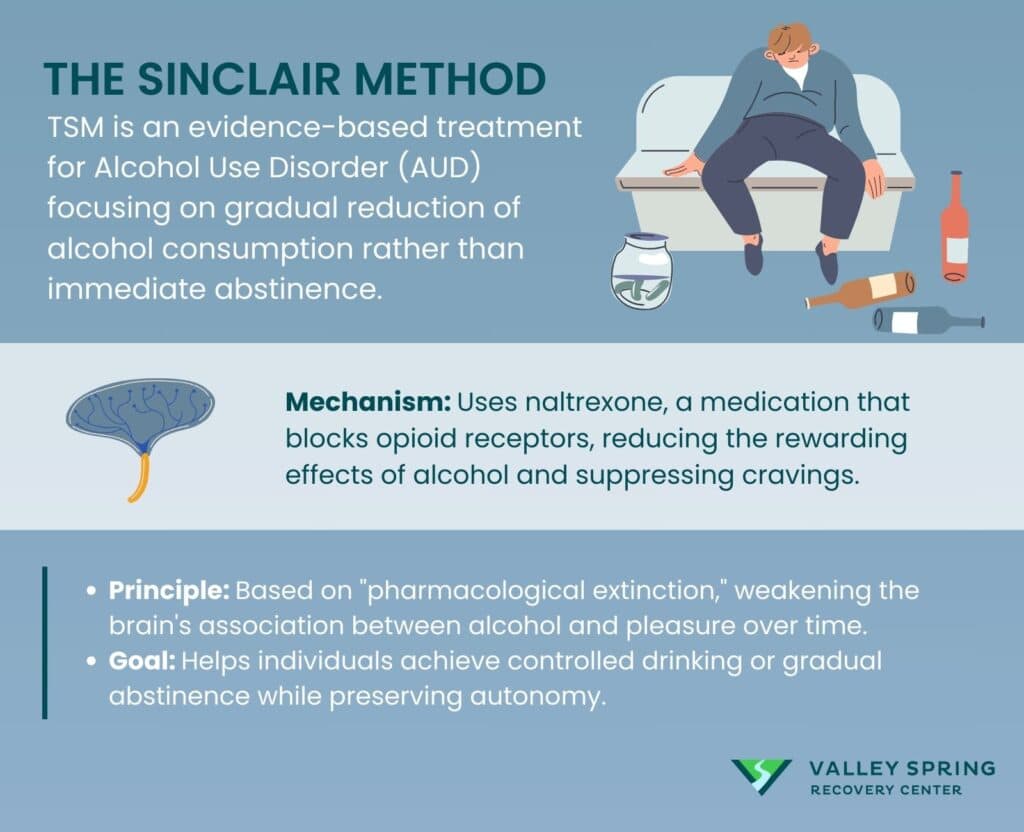
At its core, the Sinclair Method is not a lifestyle suggestion but a biological intervention designed to “de-program” the brain’s reward circuitry. To understand how it works, one must look at the brain as a sophisticated hardware system governed by neurochemical algorithms. When an individual consumes alcohol, the brain releases endorphins, which bind to opioid receptors. This process triggers a dopamine release, creating a reinforcement loop—essentially a “write” command in the brain’s memory bank that associates the substance with pleasure.
The Sinclair Method introduces a technical disruptor into this loop: Naltrexone. Naltrexone is an opioid antagonist that acts as a physical block on the receptors. When taken one hour before the consumption of alcohol, the medication effectively “mutes” the signal. The user still experiences the physical effects of the substance, but the neurological reward—the “high” or the reinforcement—is blocked.
This process is known as pharmacological extinction. Over time, the brain’s “software” undergoes a series of updates. Because the expected reward is consistently missing, the brain begins to weaken the neural pathways associated with the craving. In technical terms, this is the reversal of classical conditioning. Instead of using willpower (a finite cognitive resource), TSM utilizes biochemical engineering to remove the desire at the source. This bio-hacking approach has demonstrated a success rate of approximately 78%, a figure that significantly outpaces traditional abstinence-only models which often suffer from high “crash” or relapse rates.
The Role of Naltrexone as a System Override
Naltrexone serves as the primary tool in this biological toolkit. Unlike previous generations of addiction medicine that sought to make the user ill (a punitive feedback loop), Naltrexone is an antagonist that simply occupies the space where endorphins would normally land. By saturating these receptors, the drug ensures that the chemical “handshake” required to trigger the reward system cannot occur. From a technical perspective, this is akin to a firewall that prevents a specific packet of data from reaching its destination while allowing the rest of the system to function normally.
Neural Plasticity and Recursive Learning
The Sinclair Method relies on the principle of long-term depression (LTD) in neurology, which is the functional opposite of long-term potentiation. Each time the protocol is followed, the recursive learning process of the brain is modified. The brain “learns” that the stimulus no longer produces the expected output. This requires the user to continue the stimulus (drinking) while the blocker is active; without the stimulus, the extinction process cannot occur. This counter-intuitive requirement is what distinguishes TSM as a specialized behavioral tech protocol rather than a standard medical treatment.
Digital Health Platforms and the Modern Sinclair Method Ecosystem
The resurgence of the Sinclair Method in the 21st century is largely due to the expansion of digital health infrastructure. While the science has existed since the 1980s, the “delivery system” for this protocol has been revolutionized by apps, telehealth, and data-tracking software. Today, the Sinclair Method is often delivered via a comprehensive digital ecosystem that ensures compliance and monitors progress through quantitative metrics.
Telemedicine and Access Optimization
One of the primary hurdles to implementing TSM historically was the scarcity of informed practitioners. Digital health startups like Ria Health and Monument have solved this by creating virtual clinics dedicated specifically to evidence-based protocols like the Sinclair Method. These platforms use encrypted video conferencing to connect users with physicians who understand the bio-technical nuances of the protocol. By removing the friction of physical office visits, these tech-driven platforms have scaled the reach of TSM to a global audience.
Compliance Tracking and Mobile Apps
Success with the Sinclair Method is highly dependent on a 100% compliance rate—meaning the medication must be taken every single time before drinking, without exception. To facilitate this, a suite of mobile applications has emerged. These apps function as digital logs where users can track their “drinks per day,” “compliance streaks,” and “craving intensity.”
Some of the key features found in these digital tools include:
- Timer Integration: Countdown clocks that ensure the user waits the mandatory 60 minutes after taking the pill before consuming the first drink.
- Data Visualization: Graphs that show the gradual decline in consumption over months, providing psychological reinforcement through data.
- Push Notifications: Algorithmic reminders based on the user’s typical consumption patterns.
The Integration of Wearable Tech
The next frontier for the Sinclair Method ecosystem is the integration of wearable technology. Biometric sensors that monitor heart rate variability (HRV), sleep quality, and even blood alcohol content (BAC) via skin sensors provide a secondary layer of data. For a user on the TSM protocol, seeing a correlation between their reduced consumption and an improvement in their “biological age” or “recovery score” on a wearable device acts as a powerful data-driven motivator.
Data-Driven Recovery: Comparing TSM to Legacy Systems
When evaluating the Sinclair Method through a tech-focused lens, it is helpful to compare it to legacy “analog” systems like 12-step programs. Traditional models often rely on qualitative measures—such as “moral inventory” or “spiritual awakening”—which are difficult to measure, scale, or replicate with consistent results across diverse populations.
Quantitative vs. Qualitative Metrics
TSM is fundamentally quantitative. Progress is measured in milligrams of medication, minutes of wait time, and standard units of alcohol. This shift toward a metric-based approach allows for a level of transparency and predictability that legacy systems lack. In the tech world, we value “A/B testing” and “iterative improvement.” The Sinclair Method allows a user to treat their recovery as an iterative process where every session is a data point contributing to the eventual “extinction” of the habit.
Scalability and Reduced System Load
Traditional inpatient rehabilitation is an expensive, low-bandwidth solution. It requires physical space, high staffing ratios, and significant financial investment. In contrast, TSM is a high-bandwidth, decentralized solution. Because it is managed via software and remote medical oversight, the cost to the user and the load on the healthcare system are significantly reduced. This makes it a highly scalable “disruptive technology” in the mental health and wellness space.
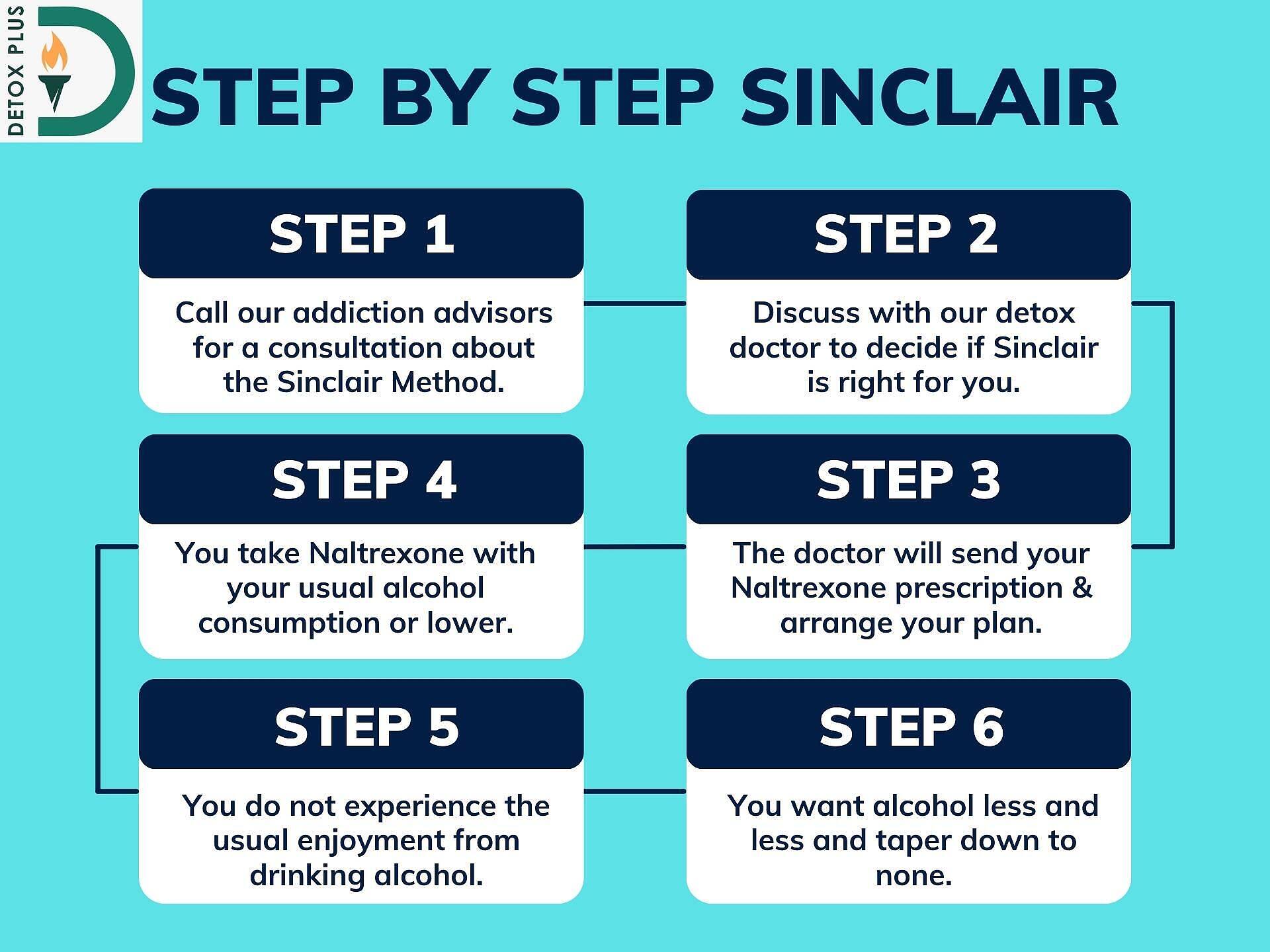
Implementing the Protocol: A Technical Deployment Guide
For those looking to deploy the Sinclair Method, it is best understood as a strict sequence of operations. Deviation from the protocol can result in “system errors”—in this case, the re-strengthening of the addiction pathways.
Step 1: Hardware Acquisition (Medical Consultation)
The process begins with a medical evaluation to ensure the user’s “hardware” (the liver and general physiology) can support the medication. This is increasingly done via asynchronous medical intake forms and synchronous video reviews, reflecting the “SaaS-ification” of specialized medical care.
Step 2: The Command Sequence (The 1-Hour Rule)
The most critical part of the algorithm is the timing. The medication must be administered 60 to 90 minutes before the first drink. This ensures that the Naltrexone has reached peak plasma concentration, creating a total “block” on the receptors before the endorphin rush occurs. If the drink is consumed too early, the “patch” is not yet active, and the reinforcement loop is triggered.
Step 3: Targeted Reinforcement (The Golden Rule)
On days when the user does not plan to drink, they do not take the medication. This is a vital part of the “reprogramming” phase. By having alcohol-free days without the medication, the brain is allowed to experience natural endorphins from healthy activities—like exercise, sex, or food—without them being blocked. This selectively reinforces healthy behaviors while the blocked sessions extinguish the unhealthy ones.
Step 4: Long-Term Maintenance and Monitoring
The protocol is not a “quick fix” but a long-term recalibration. Users typically see a “honeymoon phase” of reduced drinking, followed by a slight rebound, and then a steady, long-term decline. Monitoring this via digital logs is essential to help the user navigate the “extinction burst”—a common phase in behavioral modification where the brain makes one last attempt to re-establish the old reward loop.
The Future of Biological Reprogramming and Digital Therapeutics
As we look toward the future, the Sinclair Method serves as a blueprint for the “Personalized Medicine” movement. We are moving away from one-size-fits-all solutions toward protocols that can be adjusted based on an individual’s genetic makeup and real-time data feedback.
Pharmacogenomics and AI
Future iterations of TSM-related tech will likely incorporate pharmacogenomics—the study of how genes affect a person’s response to drugs. By analyzing a user’s DNA, AI-driven platforms will be able to predict exactly how much Naltrexone is needed or if a different antagonist would be more effective. This “precision dosing” will further increase the efficiency of the extinction process.

AI Coaching and Predictive Analytics
The integration of Artificial Intelligence into TSM apps will allow for predictive analytics. For instance, if a user’s GPS data shows they are near a high-trigger location (like a former favorite bar) and their wearable tech shows an increase in stress markers, an AI coach could proactively send a notification reminding them of their protocol. This synthesis of bio-data and environmental data represents the pinnacle of digital health intervention.
The Sinclair Method is more than just a medical treatment; it is a sophisticated behavioral technology. By treating the neurological components of habit formation as a logic-based system that can be modified through pharmacological and timing-based interventions, TSM offers a glimpse into the future of human optimization. As digital platforms continue to evolve, the integration of bio-tech, software, and real-time data will likely make such “extinction” protocols the standard for overcoming a wide range of dopamine-driven behavioral challenges.
aViewFromTheCave is a participant in the Amazon Services LLC Associates Program, an affiliate advertising program designed to provide a means for sites to earn advertising fees by advertising and linking to Amazon.com. Amazon, the Amazon logo, AmazonSupply, and the AmazonSupply logo are trademarks of Amazon.com, Inc. or its affiliates. As an Amazon Associate we earn affiliate commissions from qualifying purchases.