
In the competitive landscape of modern branding, the physical components of a product often speak louder than its marketing copy. When a consumer touches a fabric or observes the way light interacts with a surface, they are receiving a non-verbal transmission of brand values. This is the essence of “materiality” in brand strategy. Among the most evocative of these materials is sheer fabric.
But what is sheer material from a strategic perspective? At its core, sheer material is any textile or substance that is semi-transparent, created through low-density weaves or specialized chemical treatments. However, for a brand, sheer material is more than a technical specification; it is a powerful semiotic tool used to communicate lightness, luxury, vulnerability, and modern sophistication. From the runway of high-fashion houses to the innovative packaging of premium beauty brands, sheer material functions as a bridge between the seen and the unseen, the private and the public.
Understanding Sheer Material through a Brand Lens
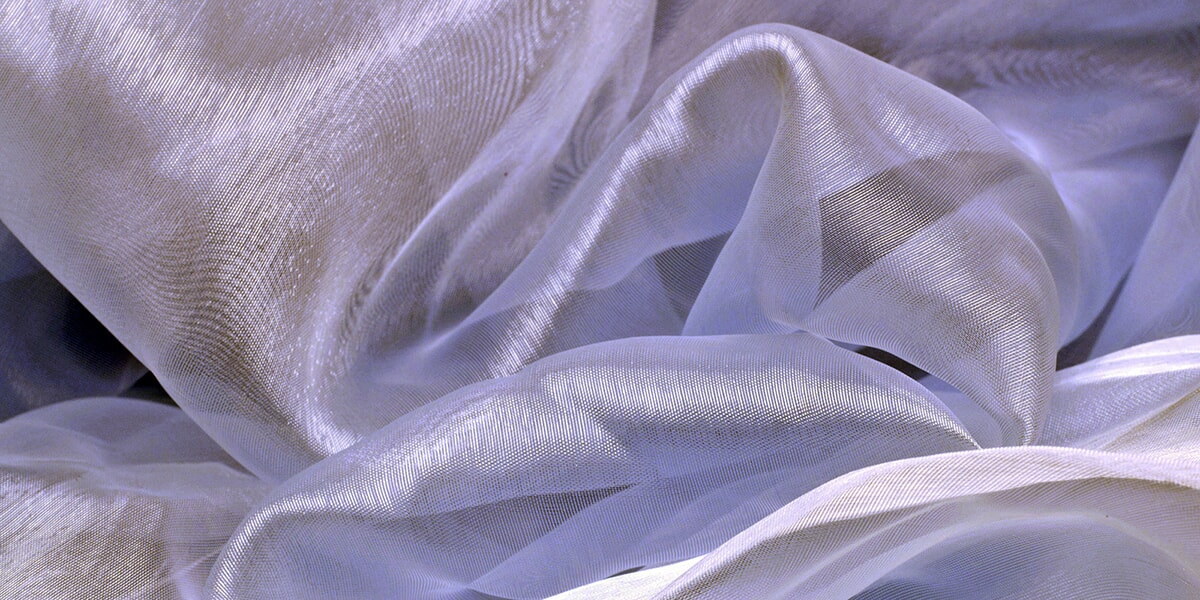
To utilize sheer material effectively within a brand identity, one must first understand its structural origins and why those origins matter to a consumer’s perception of quality. Sheer fabrics—such as chiffon, organza, georgette, and tulle—are characterized by their high-twist yarns and open-weave patterns. This construction allows light to pass through, creating a visual effect that is both ethereal and structurally complex.
The Technicality of Semi-Transparency
In the world of corporate identity and product design, the “density” of a material correlates directly with the “weight” of the brand’s message. A heavy, opaque wool suggests reliability, tradition, and protection. Conversely, sheer material suggests a brand that is forward-thinking, delicate, and unafraid of exposure. The technical difficulty in producing high-quality sheer material—ensuring it is durable despite its thinness—adds an inherent layer of “perceived value.” Brands that master sheer materials signal to their audience that they possess a high level of craftsmanship and technical prowess.
From Fiber to Identity: The Evolution of Chiffon, Organza, and Tulle
Each type of sheer material carries its own brand “personality.”
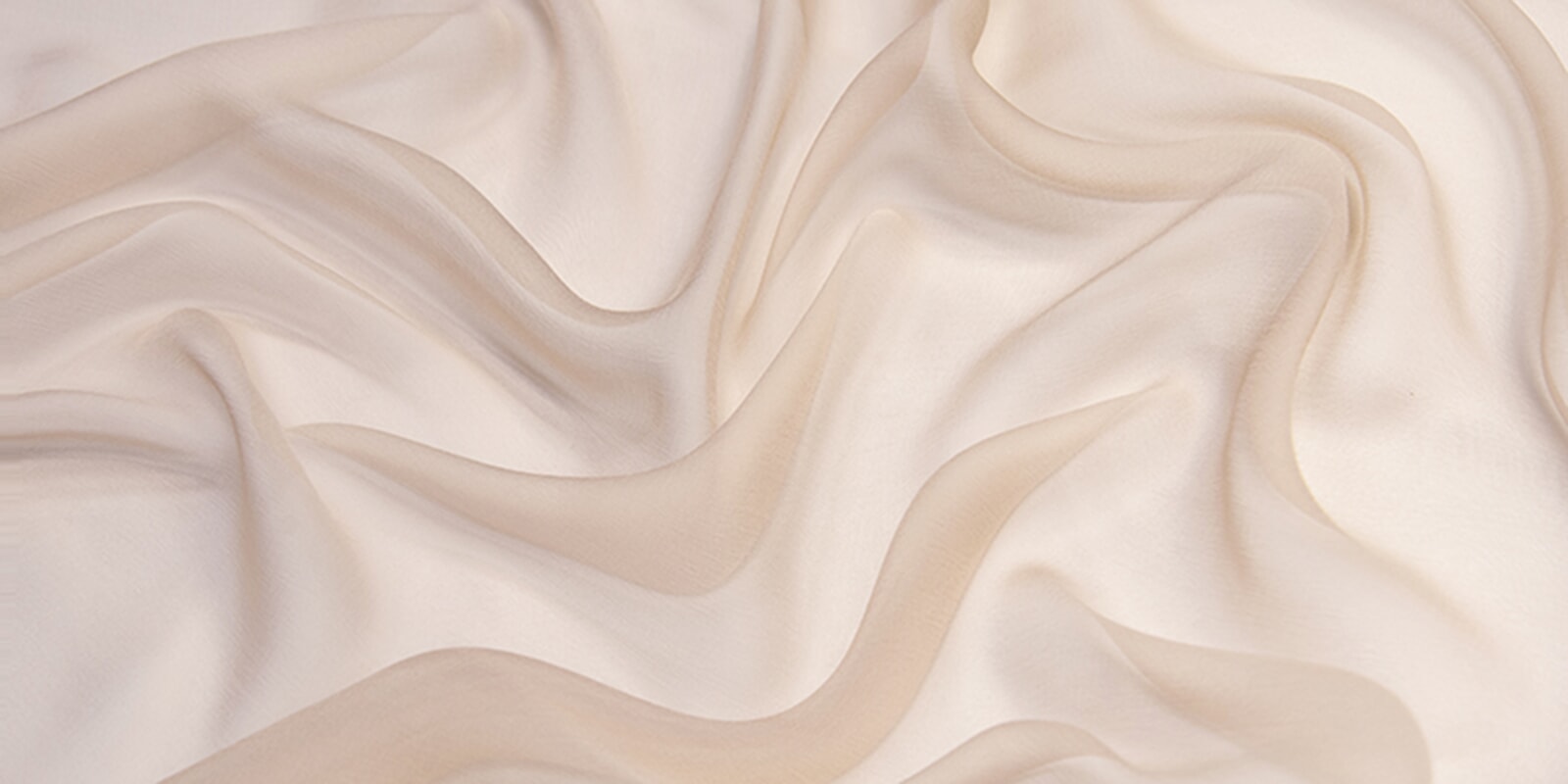
- Chiffon: Often made from silk or high-grade synthetics, chiffon is fluid and drapable. Brands use it to convey grace, movement, and a “bohemian luxury” aesthetic.
- Organza: Crisper and more structured, organza is used by brands that want to communicate architectural precision and avant-garde fashioning.
- Tulle: Associated with performance and celebration, tulle allows a brand to tap into themes of fantasy, romance, and theatricality.
By selecting a specific sheer material, a brand aligns itself with the historical and emotional baggage of that fabric, instantly positioning itself within a specific market tier.
The Psychology of Sheer: Communicating Brand Values
Brand strategy is often a balance between what is revealed and what is concealed. Sheer material is the physical manifestation of this balance. It offers a unique psychological proposition to the consumer: the promise of transparency combined with the allure of mystery.
The Luxury of Delicacy and Fragility
In an era of mass-produced, “fast” goods, fragility has become a hallmark of luxury. A brand that utilizes sheer material is making a statement about the lifestyle of its target consumer. Sheer fabrics require care; they demand a gentle touch and specialized maintenance. By integrating these materials into a collection or a brand’s visual language, a company targets a consumer who has the time and resources to care for delicate things. This “fragility” becomes a status symbol, reinforcing the brand’s position in the premium or luxury sector.
Radical Transparency: Material as a Metaphor
Beyond the aesthetic, sheer material is frequently used as a metaphor for corporate transparency. In the modern marketplace, consumers are increasingly skeptical of “black box” corporations. Brands that incorporate sheer elements into their physical touchpoints—be it through translucent office architecture, sheer mesh detailing in apparel, or semi-transparent product housing—are signaling an “open-door” policy.
This use of sheer material as a branding device suggests that the company has nothing to hide. It invites the consumer to look closer, to see the inner workings, and to trust the integrity of the construction. This is particularly prevalent in “clean beauty” and sustainable fashion brands, where the physical transparency of the packaging or the garment reflects the ethical transparency of the supply chain.
Strategic Visual Branding: Beyond the Garment
While sheer material is most commonly associated with fashion, its application in brand strategy extends to retail environments, packaging design, and even digital interfaces. The goal is to create a cohesive sensory experience that reinforces the brand’s core identity.

Retail Design and the Sheer Experience
The physical environment of a flagship store is the “temple” of the brand. Strategists often use sheer materials in interior design to manipulate space and light. Sheer curtains or scrims can be used to divide a retail space without closing it off, maintaining an “airy” and “breathable” atmosphere.
For high-end boutiques, sheer partitions create “zones of intimacy.” A customer behind a sheer screen feels private but not isolated, a sensation that encourages longer dwell times and a more personal connection with the product. The material choice here reinforces a brand identity that is welcoming yet exclusive.
Packaging and the “Unveiling” Strategy
The “unboxing” experience is a critical touchpoint in modern marketing. Using sheer material in packaging—such as frosted glass, vellum inserts, or organza bags—adds a layer of ritual to the consumer journey.
When a product is partially visible through a sheer layer, it triggers a psychological “curiosity gap.” The consumer can see the silhouette of the product, but the full details remain obscured until the final veil is lifted. This delayed gratification increases the perceived value of the product and creates a memorable brand interaction that feels more like a gift-giving ceremony than a simple transaction.
Case Studies: Mastery of the Sheer Narrative
Several iconic brands have successfully utilized sheer materials to define their market position and create lasting brand equity.
- Maison Margiela: This brand has long used sheer overlays and “skeleton” constructions to deconstruct the idea of fashion. By making the inner workings of a garment visible through sheer layers, Margiela communicates a brand identity rooted in intellectualism, subversion, and the beauty of the unfinished.
- Prada: Prada frequently uses sheer materials like nylon and organza to play with the concepts of “ugly-chic” and industrial luxury. Their use of sheer fabrics is often layered over heavy, utilitarian pieces, creating a brand tension that suggests a woman who is both powerful and delicate.
- Glossier: In the realm of beauty branding, Glossier’s use of semi-transparent, “frosted” pink packaging and their iconic “Bubblewrap” pouches utilizes the sheer aesthetic to communicate a “skin-first” philosophy. The material suggests a brand that is light, breathable, and enhances rather than masks the user’s natural beauty.
The Future of Sheer in Digital and Sustainable Branding
As branding moves further into the digital and eco-conscious realms, the definition of sheer material is evolving.
Digital Sheer and Virtual Fashion
In the burgeoning world of digital fashion and NFTs, designers are experimenting with “impossible” sheer materials—fabrics that have the transparency of glass but the movement of water. Digital brands use these textures to push the boundaries of what a brand can represent in a virtual space, moving beyond the physical constraints of traditional textiles to create a brand identity that is literally “otherworldly.”
Sustainability and the Ethics of Transparency
The next frontier for brands using sheer materials is the development of sustainable alternatives. Traditionally, many sheer synthetics (like polyester chiffon) have been environmentally taxing. However, forward-thinking brands are now sourcing sheer materials made from recycled ocean plastics, lab-grown silk, and citrus-byproduct fibers.
For these brands, the “sheer” nature of the fabric is a badge of honor. It represents a commitment to the “new luxury”—where the most beautiful thing a brand can show is its clean conscience. By marketing the innovative sourcing of their sheer materials, these companies are building a brand identity centered on the intersection of high design and deep responsibility.
Conclusion: The Strategic Power of the Veil
What is sheer material? It is a tool of strategic revelation. In the hands of a skilled brand architect, sheer material is used to navigate the complex waters of consumer perception. It can signal the highest heights of luxury through its fragility, or it can ground a brand in modern ethics through its association with transparency.
By understanding the technical, psychological, and metaphorical weight of sheer materials, brands can create a sensory language that resonates with consumers on a visceral level. Whether it is through a delicate organza sleeve, a frosted glass bottle, or a semi-transparent digital avatar, the use of sheer material ensures that a brand remains visible, yet always possesses a hint of something more to be discovered. In a world of over-saturation and loud marketing, the subtle, sophisticated “whisper” of a sheer material is often the most effective way to be heard.
aViewFromTheCave is a participant in the Amazon Services LLC Associates Program, an affiliate advertising program designed to provide a means for sites to earn advertising fees by advertising and linking to Amazon.com. Amazon, the Amazon logo, AmazonSupply, and the AmazonSupply logo are trademarks of Amazon.com, Inc. or its affiliates. As an Amazon Associate we earn affiliate commissions from qualifying purchases.