
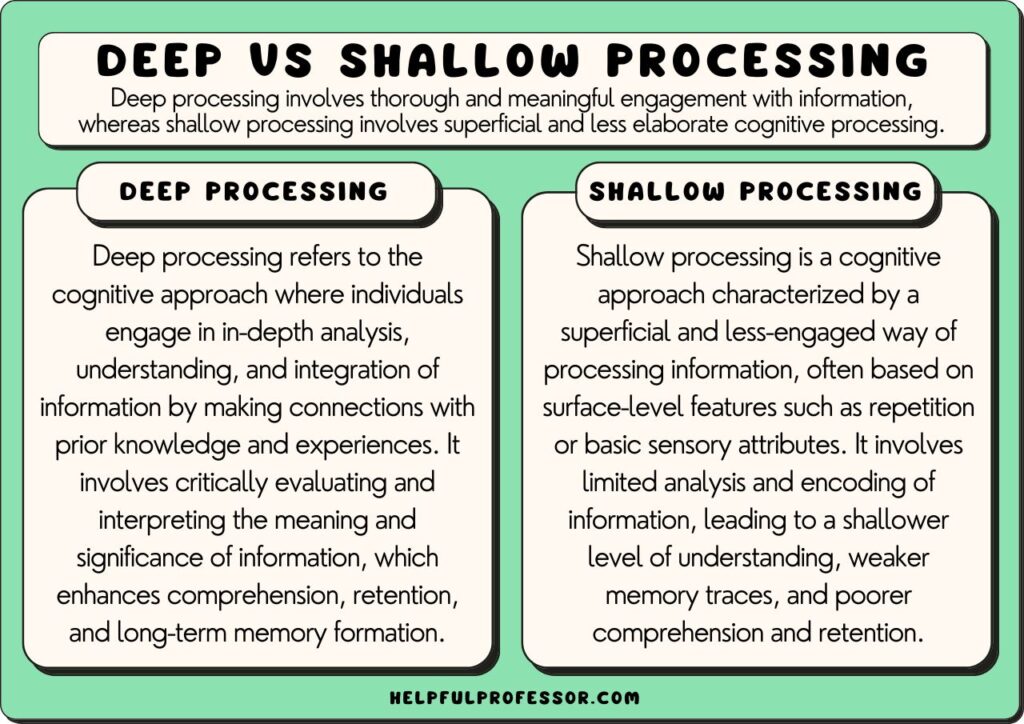
In the rapidly evolving landscape of information technology, the term “shallow processing” has moved beyond its origins in cognitive psychology to become a foundational concept in understanding how humans interact with modern digital systems. As our daily lives become increasingly mediated by high-speed interfaces, algorithmic feeds, and ubiquitous connectivity, the way we ingest and store data has undergone a radical transformation. Shallow processing refers to a cognitive mode where information is analyzed based on its surface-level characteristics—such as visual patterns or phonemic structures—rather than its deeper, semantic meaning.
In the context of the technology sector, shallow processing is not just a human limitation; it is an architectural byproduct of the “attention economy.” From the way software developers design User Experiences (UX) to the methodology behind “shallow” versus “deep” machine learning models, this concept defines the current tension between speed and substance. Understanding shallow processing is essential for tech leaders, developers, and users who wish to navigate an era defined by information density and cognitive overload.
The Cognitive Architecture of Digital Interaction
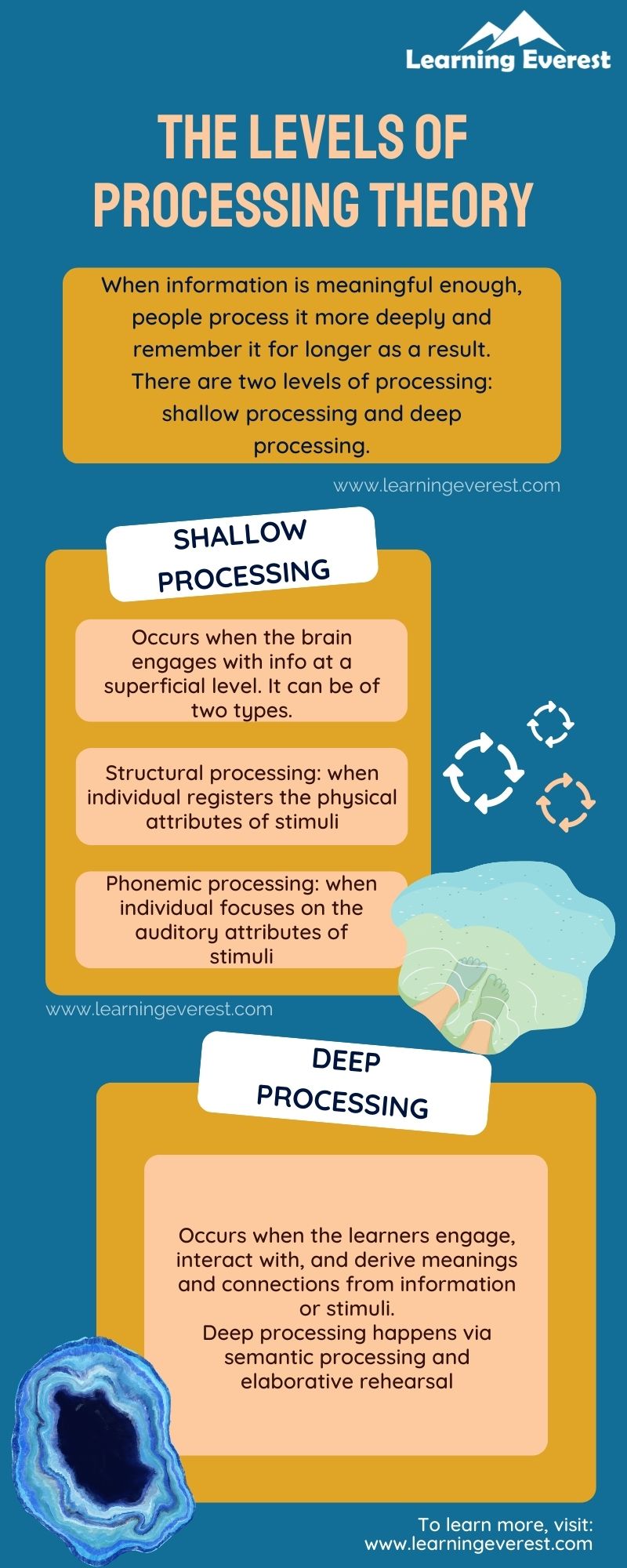
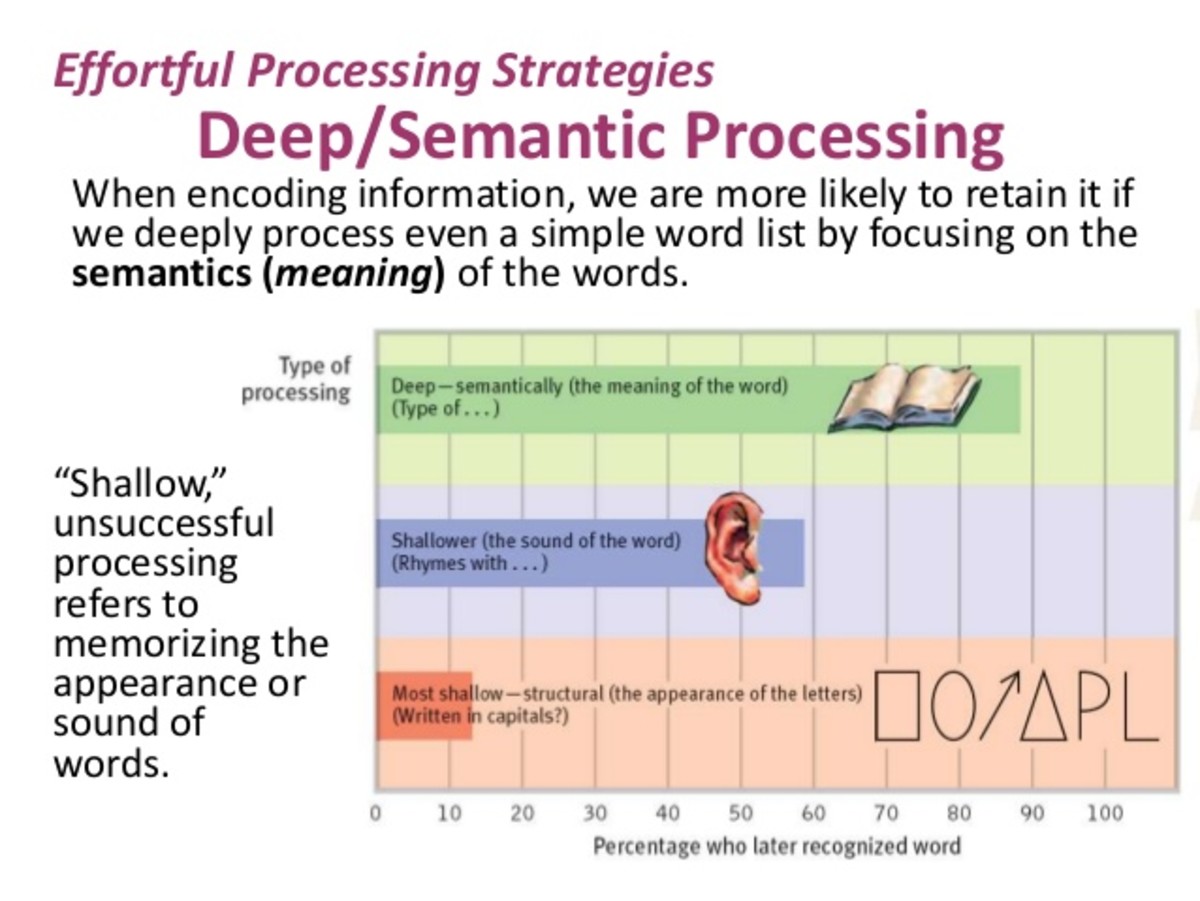
At its core, the human brain processes information through two primary pathways: shallow and deep. Shallow processing occurs through structural or phonemic encoding. In a digital environment, this manifests as scanning a notification, glancing at a headline without clicking the article, or recognizing an app icon by its color rather than its function.
Sensory Gating and the Information Deluge
The sheer volume of data generated by modern software necessitates a form of “sensory gating.” When an individual is presented with hundreds of updates across Slack, email, and social media, the brain defaults to shallow processing to avoid burnout. This is a survival mechanism. However, for technology companies, this creates a significant challenge: how do you ensure that critical information is actually retained by the user when the user is conditioned to skim?
Software designed for shallow processing prioritizes “glanceability.” This is why we see the rise of dashboard-centric designs and widget-based interfaces on mobile OSs like iOS and Android. These tools are engineered to feed the brain just enough structural data to satisfy an immediate query without requiring the cognitive load of deep, semantic analysis.
The Role of Heuristics in UX
Modern tech interfaces leverage heuristics—mental shortcuts—to facilitate shallow processing. This is why “standardized” design patterns exist. When a user sees a magnifying glass icon, they do not need to process the concept of a “search function” deeply; they recognize the visual structure instantly. While this efficiency is a triumph of UI design, it also fosters a digital environment where deep engagement is increasingly rare. The tech industry has mastered the art of catering to shallow processing, but in doing so, it has created an ecosystem where long-form comprehension and critical analysis are often de-prioritized.
Shallow Learning vs. Deep Learning: The Technical Divide
The term “shallow processing” also finds a parallel in the world of Artificial Intelligence and data science. To understand the future of software, one must distinguish between shallow learning and deep learning models.
Defining Shallow Architectures
In the realm of Machine Learning (ML), shallow processing refers to models that have a limited number of layers—typically just an input and an output layer with perhaps one “hidden” layer in between. Common examples include linear regression, support vector machines (SVMs), and basic decision trees. These models are excellent at processing specific, well-defined data sets where the relationship between input and output is relatively direct.
Shallow models are highly efficient. They require less computational power (GPU/CPU cycles) and significantly less data to train. In many enterprise software applications, shallow processing is preferred because it offers lower latency. For example, a simple spam filter or a basic recommendation engine might utilize shallow learning to provide real-time results without the overhead of a massive neural network.
The Shift to Deep Processing Models
The “Deep Learning” revolution, characterized by Multi-Layer Perceptrons (MLPs) and Large Language Models (LLMs), mimics the human brain’s “deep processing” pathway. These models do not just look at surface-level data patterns; they identify hierarchical representations of information.
While shallow processing in AI is about identifying correlations, deep processing is about identifying context. However, the paradox of modern tech is that while we are building increasingly deep AI to process our data, the interfaces through which we consume that AI’s output are often designed to encourage shallow processing in humans. We use deep models to generate summaries that we then “shallowly” process in seconds.
The Influence of UX Design on Processing Depth
The tech industry’s current obsession with “frictionless” design is a direct endorsement of shallow processing. When software is “intuitive,” it means the user can navigate it using only surface-level cognitive cues.
The “F-Pattern” and Visual Scanning
Research into how users interact with web applications has revealed the “F-Pattern” of scanning. Users typically scan the top of a page, then move down slightly and scan horizontally again, before skimming the rest of the left side. This is the hallmark of shallow processing. Tech designers respond to this by placing the most critical “hooks” or “Calls to Action” (CTAs) within these scanning zones.
This creates a feedback loop: software is designed for skimmers, which reinforces the habit of skimming. In professional software, such as Integrated Development Environments (IDEs) or complex Financial Tools, this can be a liability. If a developer or trader is stuck in a mode of shallow processing, they are more likely to miss critical errors that only become apparent through deep, semantic engagement with the data.
Gamification and the Dopamine Loop
Gamified elements in apps—streaks, badges, and progress bars—are designed to trigger shallow, emotional responses rather than deep, intellectual ones. These elements rely on structural encoding (colors and sounds) to keep users engaged. While highly effective for retention metrics, this often comes at the cost of the user’s ability to achieve “Flow State,” a psychological condition characterized by deep processing and intense focus.
The Cybersecurity Risks of Shallow Information Ingestion
Perhaps the most dangerous consequence of shallow processing in the tech world lies in the realm of digital security. Cybercriminals have become experts at exploiting the human tendency to process information at a surface level.
Social Engineering and Phishing
Phishing attacks are fundamentally “shallow processing” attacks. A malicious email is designed to look structurally identical to a legitimate one. It uses the right logos, the right font, and a sense of urgency to trigger an immediate, shallow response. If the user were to engage in deep processing—analyzing the sender’s actual email address, hovering over the URL to check the destination, or questioning the logic of the request—the attack would fail.
As we move toward more automated systems, the risk increases. Deepfake technology and AI-generated voice cloning are designed to bypass our deep processing filters by providing sensory data that is so “real” that our brains accept it at a shallow, structural level.
The Misinformation Engine
In the tech landscape, the rapid spread of misinformation is often fueled by shallow processing. Algorithms on social platforms prioritize “engagement,” which is often highest for content that triggers an immediate emotional (shallow) reaction. When a user shares a headline without reading the article, they are engaging in the ultimate act of shallow processing. This has profound implications for digital literacy and the security of the broader information ecosystem.
Navigating the Trade-offs: When Speed Outpaces Depth
The tension between shallow and deep processing is a defining feature of modern software development. There is no doubt that shallow processing allows for the speed and agility that characterize the digital age, but the industry is beginning to recognize the need for “Slow Tech” or “Deep Tech” interventions.
Designing for Friction
Some forward-thinking software companies are now experimenting with “productive friction.” This involves intentionally slowing down the user at critical junctures to force deep processing. For example, a financial app might require a user to manually type “CONFIRM” before executing a large trade, or a social platform might ask, “Did you read this article before sharing it?” These are attempts to shift the user from a shallow, reactive state into a deep, analytical state.
The Future of the Human-Tech Interface
As we look toward the future of technology—incorporating Augmented Reality (AR), Virtual Reality (VR), and advanced AI—the challenge of shallow processing will only intensify. AR overlays risk cluttering our visual field with so much structural data that deep processing of our actual environment becomes impossible.
The goal for the next generation of technology should not just be to provide more information faster, but to provide information in a way that facilitates the right kind of processing. We need tools that help us filter the noise (shallow) so that we can focus our limited cognitive resources on what truly matters (deep).
In conclusion, shallow processing is the silent engine of the modern digital experience. It enables the speed of our current software ecosystem but also leaves us vulnerable to distraction, misinformation, and security threats. As technology continues to evolve, the most successful tools will be those that respect the human need for depth while managing the inevitable reality of digital shallowness.
aViewFromTheCave is a participant in the Amazon Services LLC Associates Program, an affiliate advertising program designed to provide a means for sites to earn advertising fees by advertising and linking to Amazon.com. Amazon, the Amazon logo, AmazonSupply, and the AmazonSupply logo are trademarks of Amazon.com, Inc. or its affiliates. As an Amazon Associate we earn affiliate commissions from qualifying purchases.