
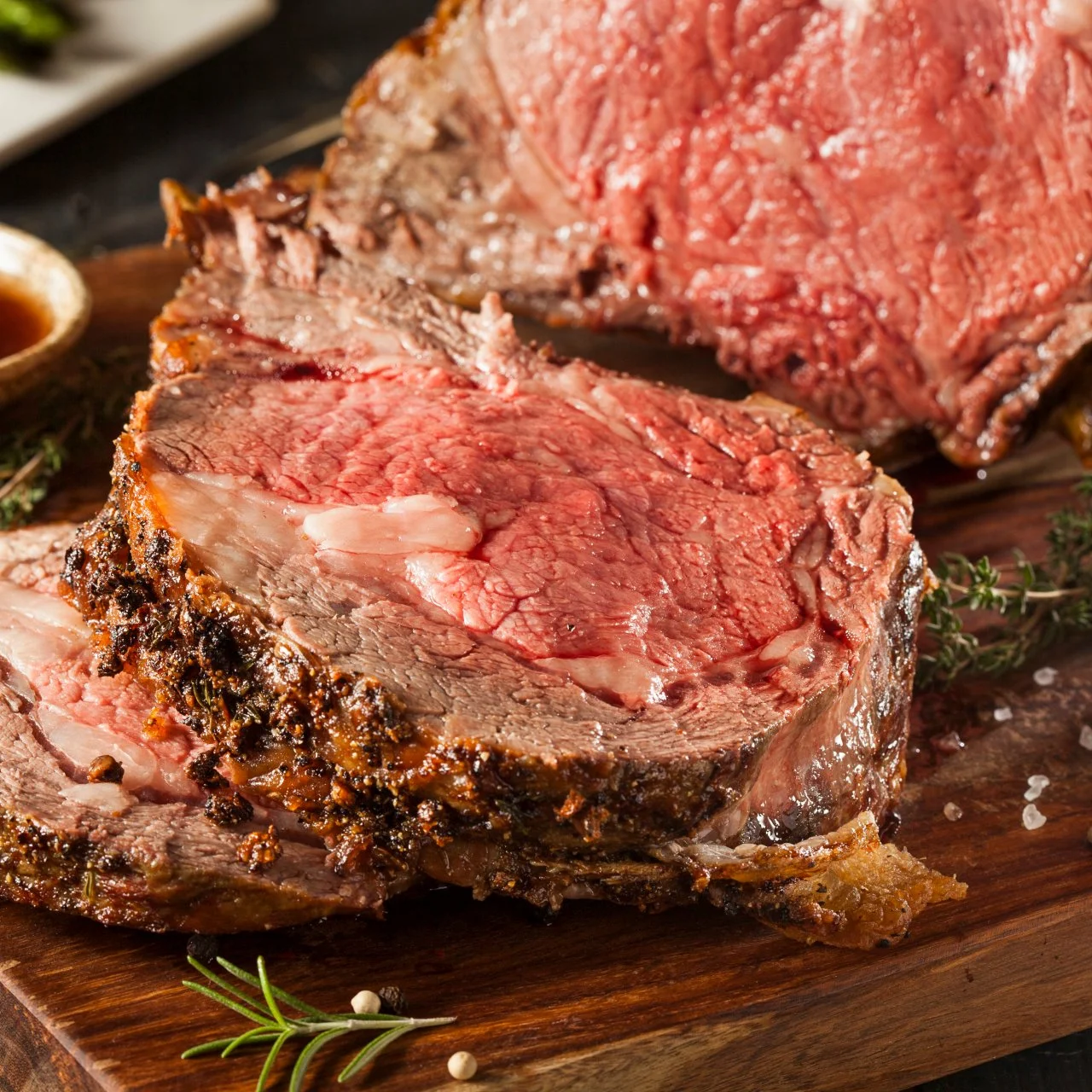
In the world of high-end commodities, few assets command as much attention or carry as much weight in the luxury food sector as the rib roast cut. While the average consumer views the standing rib roast—often referred to as “Prime Rib”—as a centerpiece for holiday gatherings, institutional investors, restaurateurs, and commodity traders view it through a lens of supply-chain logistics, yield percentages, and market volatility. To understand what the rib roast cut is from a financial perspective, one must look past the culinary application and analyze its role as a high-value asset within the global protein market.

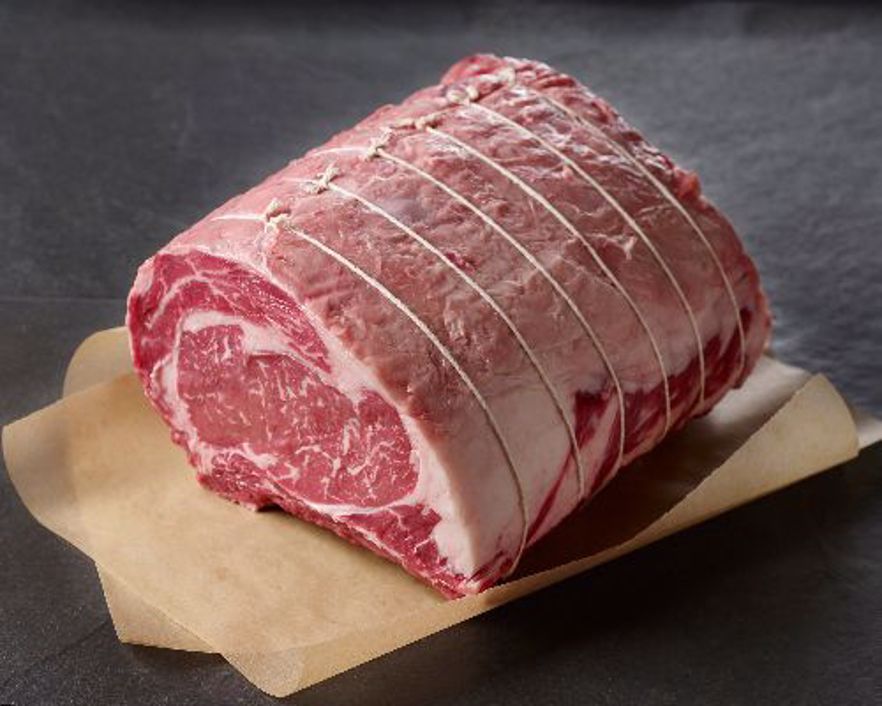
The rib roast is a subprimal cut derived from the beef rib primal, specifically located between the chuck and the short loin. In business terms, it represents one of the most profitable yet price-sensitive segments of a carcass. Understanding the financial mechanics of this cut requires an exploration of grading standards, market demand cycles, and the strategic sourcing methods that drive the multi-billion dollar premium beef industry.
The Financial Anatomy of a Prime Asset: Grading and Valuation
The valuation of a rib roast cut is primarily determined by its USDA grade, which serves as a standardized metric for quality and, consequently, market price. For a business or an investor, the distinction between “Prime,” “Choice,” and “Select” is not merely a matter of taste; it is a matter of margin and target demographic.
The Premium of Prime Grading
Only about 2% to 3% of all beef processed in the United States receives the “Prime” designation. This scarcity creates a natural economic moat for the product. From a financial standpoint, the Prime rib roast is a luxury good. It exhibits high price elasticity among affluent consumers but remains sensitive to the operational costs of feedlots and grain prices. When an investor looks at the “rib roast cut,” they are looking at the marbling (intramuscular fat), which acts as the “gold standard” for the asset’s value. The higher the marbling, the higher the ROI for the processor.
Choice and Select: The Mid-Tier Market
While Prime occupies the luxury niche, “Choice” grade rib roasts represent the volume-driven segment of the market. For large-scale retail chains and mid-market steakhouses, Choice rib roasts are the primary drivers of seasonal revenue. Understanding the “spread” between Prime and Choice prices is a key indicator for analysts monitoring consumer discretionary spending. A narrowing spread suggests a robust economy where consumers are willing to trade up, while a widening spread often signals a contraction in premium spending.
Supply Chain Economics and Yield Management
In the meatpacking and butchery industry, the rib roast cut is a masterclass in yield management. Unlike other assets that might have a uniform value, a primal rib section must be strategically “broken down” to maximize the dollar-per-pound return.
The Subprimal Breakdown
A full rib primal contains bones, fat cap, and the central muscle (the longissimus dorsi). A business must decide whether to sell the unit as a “Standing Rib Roast” (bone-in) or to fabricate it into “Boneless Ribeye Steaks.”
- Standing Rib Roast (Bone-In): This offers a higher weight volume but a lower price per pound. It is often used as a seasonal “loss leader” by grocery retailers to drive foot traffic during the fourth quarter.
- Ribeye Steaks (Boneless): By removing the bone and heavy fat, the price per pound increases significantly. This is the preferred strategy for high-turnover restaurant environments where portion control is vital for maintaining a consistent Cost of Goods Sold (COGS).
Dry-Aging as a Value-Add Investment
One of the most fascinating financial aspects of the rib roast cut is the process of dry-aging. This is essentially an “inventory appreciation” strategy. By holding the rib roast in a temperature-controlled environment for 28 to 60 days, the meat loses moisture (weight) but gains significant flavor profile and tenderness.
From a business finance perspective, dry-aging is a high-risk, high-reward play. The business incurs “shrinkage”—a loss of physical inventory—and high storage costs. However, the resulting “Dry-Aged Rib Roast” can be sold at a 50% to 100% premium over the wet-aged equivalent. It is a classic example of using time and specialized capital (aging rooms) to increase the “Alpha” of a commodity.
The Macroeconomics of the Rib Roast Market
The price of a rib roast cut does not exist in a vacuum. It is heavily influenced by global macroeconomic factors, including grain futures, fuel costs, and international trade agreements.
Grain Prices and Input Costs
Since cattle are frequently “finished” on grain to achieve the marbling required for a high-value rib roast, the price of corn and soy futures is a leading indicator for rib roast pricing. When geopolitical instability or drought affects the Corn Belt, the cost of producing a Prime rib roast skyrockets. Large hospitality groups often use hedging strategies or long-term forward contracts to lock in prices for their rib roast inventory to protect against these fluctuations.
Seasonal Volatility and the “Holiday Effect”
The rib roast cut experiences some of the most extreme seasonal price swings in the food industry. In the United States, demand peaks during December. For financial analysts covering the retail sector, the “Holiday Rib Roast” pricing is a critical metric. Supermarkets often sell these cuts at near-cost or even at a loss to entice shoppers to complete their entire holiday grocery list at their store. This “Loss Leader” strategy is a sophisticated marketing move where the rib roast serves as the acquisition tool for high-margin peripheral sales (wine, sides, and desserts).
Investing in the Premium Protein Sector
For those looking to capitalize on the value of the rib roast cut without running a butcher shop, there are several institutional avenues for investment. The protein sector is a vital component of a diversified commodity portfolio.
Cattle Futures and Commodities Trading
The Chicago Mercantile Exchange (CME) allows investors to trade Live Cattle and Feeder Cattle futures. While these contracts cover the entire animal, the price of the “rib” component often dictates the overall profitability of the carcass. Traders monitor “cutout values”—the estimated value of a beef carcass based on the individual prices of its cuts—to make informed bets on the direction of the market.
Equity Investments in the Supply Chain
Investors can also gain exposure to the rib roast market through equities. This includes:
- Packers and Processors: Companies that handle the slaughter and initial fabrication of the rib primal. Their profitability depends on the “crack spread” between the price of live cattle and the price of the boxed beef they sell.
- High-End Steakhouse Chains: Publicly traded restaurant groups that specialize in premium cuts. For these companies, the ability to source consistent rib roast quality at a stable price is the backbone of their EBITDA (Earnings Before Interest, Taxes, Depreciation, and Amortization).
- Ag-Tech and Genomics: Firms working on improving cattle genetics to increase the percentage of carcasses that qualify for Prime rib cuts. This is a long-term play on improving the efficiency and “yield” of the biological asset.
Risk Management in the Rib Roast Business
Like any high-value asset, the rib roast cut carries significant risks. Businesses must implement rigorous financial controls to ensure that the “King of Roasts” doesn’t become a liability.
Perishability and Inventory Turnover
Unlike gold or real estate, a rib roast is a depreciating asset if not sold within a specific window. Inventory turnover (the speed at which the product is sold) is the most critical KPI for a meat purveyor. Excess inventory leads to “fire sales” or total loss, which can devastate quarterly margins. Digital inventory tracking and AI-driven demand forecasting are becoming essential tools for managing the financial lifecycle of the rib roast.
Ethical and Sustainable Sourcing Trends
A new financial variable in the rib roast market is the rise of ESG (Environmental, Social, and Governance) investing. Consumers are increasingly willing to pay a premium for “Grass-Fed,” “Pasture-Raised,” or “Carbon-Neutral” rib roasts. For a business, transitioning to these sourcing models involves higher upfront costs but offers the potential for higher brand equity and long-term price premiums. Investors are now looking at “Sustainability Reports” as closely as they look at “Yield Reports.”
Conclusion: The Rib Roast as a Strategic Financial Tool
In summary, when we ask “what is rib roast cut,” the answer depends on who is asking. To a chef, it is a culinary masterpiece. To a consumer, it is a celebratory meal. But to the business professional or investor, it is a complex commodity characterized by high entry barriers, significant yield variables, and intense seasonal demand.
Whether it is being used as a loss leader in a grocery store to capture market share, or being dry-aged in a high-end cellar to maximize profit margins, the rib roast cut remains one of the most strategically important assets in the food and beverage industry. Understanding its economics—from the marbling of the meat to the volatility of the grain market—is essential for anyone looking to navigate the high-stakes world of premium commodity finance. The rib roast is not just a cut of beef; it is a barometer for the luxury market and a cornerstone of the global food economy.
aViewFromTheCave is a participant in the Amazon Services LLC Associates Program, an affiliate advertising program designed to provide a means for sites to earn advertising fees by advertising and linking to Amazon.com. Amazon, the Amazon logo, AmazonSupply, and the AmazonSupply logo are trademarks of Amazon.com, Inc. or its affiliates. As an Amazon Associate we earn affiliate commissions from qualifying purchases.