
In the hyper-competitive landscape of modern skincare, brands are no longer just selling a product; they are selling a biological transformation. Central to this transformation is retinol, often hailed as the “gold standard” of anti-aging. However, retinol presents a unique marketing challenge that few other ingredients do: it often makes the consumer’s skin look worse before it looks better. This phenomenon, known as “retinol purging,” has become a critical focal point for brand strategy, consumer education, and customer retention.
For a brand, the “purge” is a high-stakes period where the risk of customer churn is at its peak. If a consumer experiences breakouts, redness, or peeling after using a new product, their first instinct is to perceive the product as a failure. Understanding what retinol purging is—and more importantly, how to brand it—is essential for any beauty or wellness company looking to build long-term loyalty in a market saturated with “instant-fix” promises.

The Paradox of the Purge: Why Brands Lean Into Discomfort
At first glance, marketing a product that causes a temporary decline in skin quality seems like a strategic nightmare. Traditional brand strategy usually emphasizes immediate gratification and aesthetic improvement. However, high-end and clinical skincare brands have flipped this narrative, using the “purging” period as a marker of efficacy and authenticity.
Redefining Failure as Progress
The “retinol purge” occurs when the accelerated cell turnover caused by the ingredient brings underlying congestion to the surface. In brand terms, this is framed not as a side effect, but as a “detoxification” or a “necessary transition.” By naming the experience—”the purge”—brands have created a recognizable milestone in the user journey.
Strategic branding around purging shifts the consumer’s mindset from “This product is breaking me out” to “This product is working deep within my pores.” This psychological reframing is a masterclass in expectation management. When a brand is transparent about the potential for initial irritation, it builds a foundation of trust. The consumer feels prepared, and when the purge inevitably happens, they see it as a sign that the brand was honest, rather than assuming the product is low-quality.
The Psychology of the Temporary Setback
In the world of personal branding and corporate identity, the concept of the “U-shaped curve” is well-documented. This is the idea that progress often requires a dip before an ascent. In the context of retinol, brands that successfully navigate the purging period leverage this psychological principle. They position the purge as a “rite of passage” for serious skincare enthusiasts. This creates a sense of community and exclusivity; those who “survive” the purge are rewarded with the “retinol glow,” a status symbol in the beauty community that signifies patience, discipline, and investment in high-quality science.
Educational Marketing as a Retention Tool
The biggest threat to a brand’s bottom line during a retinol launch is the “one-star review” left by a customer on day four of their journey. To mitigate this, successful brands have moved away from traditional advertising and toward educational marketing. In this niche, information is the most valuable currency for customer retention.
Bridging the Information Gap
A successful brand strategy for retinol products involves a multi-channel educational approach. This includes detailed “how-to-use” guides, “sandwich method” tutorials (applying moisturizer before and after retinol), and clear timelines of what to expect in weeks one through six. By providing this information, the brand transitions from a mere vendor to a consultant.
Digital-first brands have mastered this by using email automation to send “check-in” messages during the peak purging weeks. An email sent on day ten that asks, “Noticing some dry spots? Don’t worry, that’s the purge!” can be the difference between a lifelong customer and a refund request. This proactive communication demonstrates that the brand understands the science behind its product and cares about the consumer’s emotional experience during the transition.
Influencer Partnerships and Realism
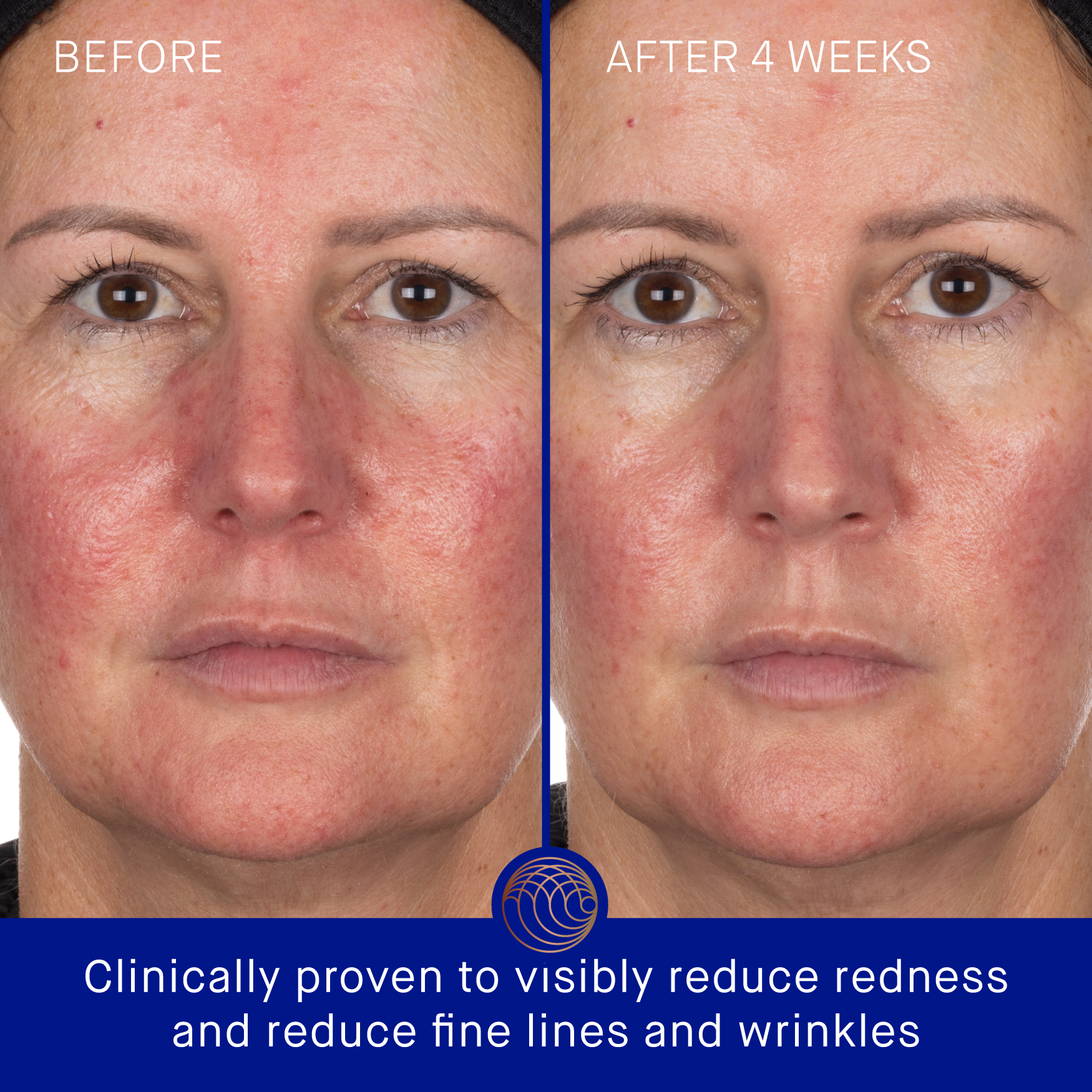
In the era of filtered perfection, brands are finding significant success by partnering with influencers who are willing to show the “ugly” side of skincare. Campaigns that document the “purge-to-glow” journey in real-time provide social proof that the initial discomfort is temporary. This “raw” marketing aligns with the broader cultural shift toward authenticity. When a trusted influencer explains what retinol purging is while showing their own redness, it humanizes the brand and provides a relatable benchmark for the average consumer.
Strategic Positioning in the Derma-Tech Market
Retinol is more than just an ingredient; it is a pillar of the “derma-tech” or “clean science” movement. As such, how a brand positions its retinol product—from the percentage of the active ingredient to the delivery system—dictates its market share and perceived value.
Managing the Narrative of Potency
There is a constant tension in skincare branding between “gentle” and “effective.” For many years, a high percentage of retinol was marketed as the ultimate goal. However, as the market matured, brands realized that high potency often led to high churn rates due to severe purging.
The current brand strategy has shifted toward “slow-release” technologies and “encapsulated retinol.” This allows brands to market their products as “low-purge” or “beginner-friendly.” By adjusting the narrative from “maximum strength” to “smart delivery,” brands can appeal to a wider audience, including those who were previously intimidated by the purging process. This strategic pivot allows companies to capture the “sensitive skin” demographic, a massive and historically underserved segment of the retinol market.
Building Loyalty Through Honest Expectations
In an industry often criticized for over-promising, honesty has become a powerful competitive advantage. Brands like The Ordinary and SkinCeuticals have built massive empires by being clinically blunt about their products. Their branding doesn’t hide the purge; it highlights it as a biological reality.
This transparency serves a dual purpose. First, it protects the brand from litigation and mass returns. Second, it attracts a more sophisticated consumer—one who values science over marketing fluff. By educating the consumer on “what is retinol purging,” these brands create an “informed buyer” who is more likely to stick with a regimen for the three to six months required to see actual results. This long-term commitment is the holy grail of Brand Strategy: high Customer Lifetime Value (CLV).
Beyond the Bottle: Scaling Through Community Support
The most successful skincare brands of the last decade have moved beyond transactional sales to community-building. In the context of retinol purging, the community acts as a support system that keeps the consumer engaged during the difficult early stages.
Post-Purchase Communication
The brand experience does not end at the checkout page. For high-engagement products like retinol, the post-purchase phase is where the brand identity is truly forged. Brands that offer access to “skincare experts” or dedicated community forums where users can share their purging progress are seeing higher retention rates. These platforms allow users to realize they aren’t alone in their experience, reducing the “buyer’s remorse” that often accompanies the initial side effects of retinoids.
Leveraging User-Generated Content (UGC) during Purging phases
User-generated content is the most effective way to demystify the purging process. Brands that encourage users to share their “skin diaries” create a repository of realistic expectations for future customers. This strategy leverages the “social proof” aspect of branding; if a thousand other people experienced the purge and came out with better skin, the new customer is much more likely to persevere.
This community-driven approach also provides the brand with invaluable data. By monitoring the conversations around purging, brands can identify common pain points and refine their product formulations or instructional materials accordingly. It creates a feedback loop that strengthens both the product and the brand’s authority in the space.
Conclusion: The Brand Equity of Patience
The phenomenon of retinol purging represents a unique intersection of biology and brand strategy. It is one of the few instances in marketing where a “negative” product reaction can be leveraged to build “positive” brand equity. By embracing the purge, beauty brands can demonstrate their commitment to scientific integrity, transparency, and long-term results over short-term sales.
In a marketplace that is increasingly skeptical of “miracle cures,” the brands that succeed are those that treat their customers like partners in a journey. By explaining what retinol purging is, preparing the consumer for the challenge, and supporting them through the transition, a brand does more than just sell a cream—it builds a relationship rooted in trust and proven efficacy. Ultimately, the purge is not a hurdle to be avoided; it is a branding opportunity to be mastered.
aViewFromTheCave is a participant in the Amazon Services LLC Associates Program, an affiliate advertising program designed to provide a means for sites to earn advertising fees by advertising and linking to Amazon.com. Amazon, the Amazon logo, AmazonSupply, and the AmazonSupply logo are trademarks of Amazon.com, Inc. or its affiliates. As an Amazon Associate we earn affiliate commissions from qualifying purchases.