
In the complex ecosystem of construction finance, few mechanisms are as pervasive, debated, and financially significant as “retention.” For developers, main contractors, and subcontractors alike, retention represents a fundamental pillar of risk management and project security. However, it also presents significant challenges to cash flow and working capital management. Understanding the financial mechanics of retention is essential for any business operating within the construction sector, as it directly impacts the bottom line, the cost of borrowing, and the overall stability of the supply chain.
At its core, retention is a percentage of a contract value—typically between 3% and 10%—that is withheld by the client or the main contractor from the progress payments made to the contractor or subcontractor. This sum is held as a form of security to ensure that the works are completed to the required standard and that any defects appearing after completion are rectified. While it serves as a performance guarantee, its financial implications ripple through every level of a project’s capital structure.

Understanding the Financial Mechanism of Retention
Retention is not merely a contractual clause; it is a strategic financial tool designed to align the interests of all parties involved in a build. From a business finance perspective, it functions as a non-cash performance bond that the contractor provides to the client. By withholding a portion of the earned revenue, the client ensures they have the necessary liquidity to finish the work or repair faults if the contractor fails to do so.
The Standard Two-Stage Release Cycle
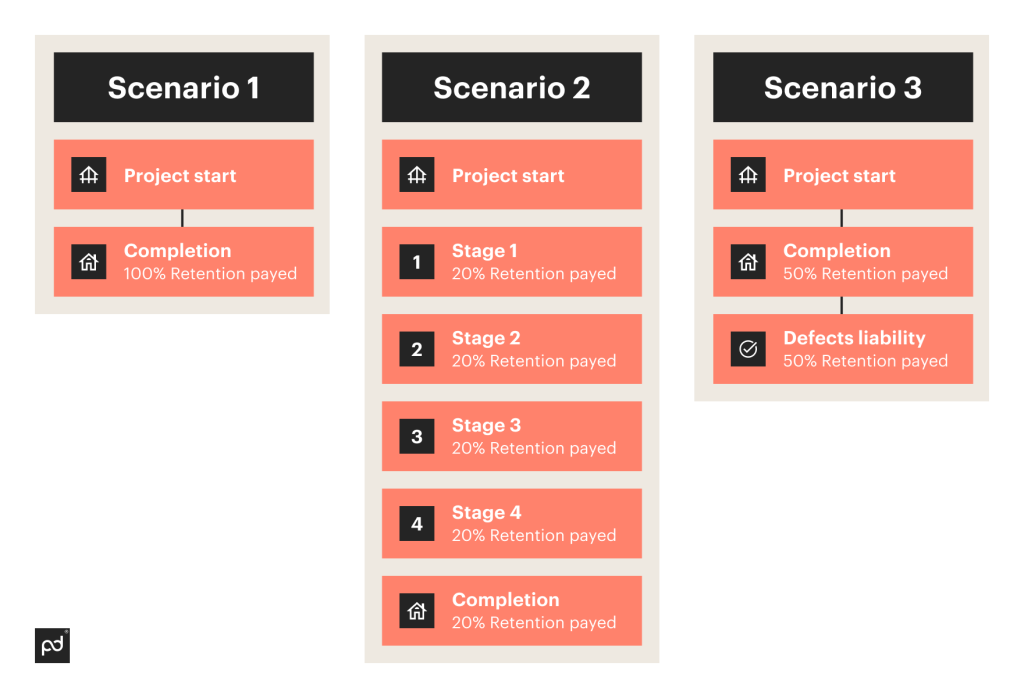
The release of retention is almost universally divided into two distinct stages, which creates a specific timeline for capital recovery. The first half of the retention—often 2.5% of the total contract value—is usually released upon “Practical Completion.” This is the milestone where the building is fit for its intended use, even if minor “snagging” items remain.
The second half is withheld for the duration of the “Defects Liability Period” (DLP) or “Rectification Period,” which typically lasts between six and twenty-four months. At the end of this period, provided all defects have been corrected, the remaining funds are released. For a business, this means that a significant portion of their profit margin is locked away in another company’s bank account for years after the physical work has been finished.
Calculation and Accrual
In financial reporting, retention must be meticulously tracked. It is recorded on the balance sheet as a receivable, but it is a “restricted” asset because it is not immediately available for operational use. For a main contractor, the retention they hold from their subcontractors acts as a liability on their books (monies owed), while the retention held from them by the client is an asset. Managing this “back-to-back” financial arrangement is a core competency for construction CFOs, as mismatches in release dates can lead to significant liquidity gaps.
The Impact of Retention on Cash Flow and Working Capital
The most significant challenge posed by retention is its impact on a company’s working capital. In the construction industry, profit margins are notoriously thin, often hovering between 2% and 5%. If a client withholds 5% of the total contract value as retention, they are effectively withholding the contractor’s entire net profit for the duration of the project and the subsequent defects period.
The Subcontractor’s Dilemma
Subcontractors, who often operate with even smaller cash reserves than main contractors, feel this pressure most acutely. Because they sit at the bottom of the payment chain, they often wait the longest for their funds. A subcontractor might finish their portion of the work (such as the foundation) in the first month of a two-year project. However, under many standard contracts, their retention might not be released until the entire project reaches practical completion twenty-four months later.
This creates a “cash gap” where the subcontractor has paid for labor, materials, and overheads but cannot access the final sliver of their revenue. To cover this gap, businesses often have to rely on expensive lines of credit, such as overdrafts or invoice factoring, which further erodes their actual profit.
Compounding Financial Pressure
When a construction firm manages multiple projects simultaneously, the cumulative effect of retention can be staggering. If a company has ten active projects, each with 5% retention held back, the total “trapped capital” can represent a multi-million dollar sum. This lack of liquidity limits the company’s ability to invest in new equipment, hire skilled labor, or bid on larger contracts. From a business growth perspective, retention acts as a structural brake on scaling operations.
Risk Management and the Financial Costs of Unpaid Retention

While retention is designed to protect the client, it introduces significant financial risk to the contractor. This risk is primarily categorized as counterparty risk—the danger that the party holding the money will be unable or unwilling to pay it back when the time comes.
Counterparty Risk and Insolvency
The construction industry is characterized by high rates of insolvency. If a main contractor or a developer goes bankrupt, the retention money they are holding is often lost in the liquidation process. Because these funds are rarely held in a separate, protected trust account, they are treated as general assets of the insolvent company. Subcontractors often find themselves as “unsecured creditors,” receiving pennies on the dollar for retention they earned years prior.
This creates a systemic risk where the failure of one major player can trigger a domino effect of liquidations down the supply chain, purely because the “safety net” of retention was not legally protected from the holder’s creditors.
The Hidden Costs: Inflation and the Time Value of Money
From a pure finance standpoint, $50,000 held today is worth significantly more than $50,000 returned in three years. Inflation erodes the purchasing power of the retained funds, and the contractor loses the opportunity to earn interest or reinvest that capital into the business. When factoring in a 3-5% annual inflation rate, a two-year retention period effectively reduces the value of the final payment by nearly 10%. Professional construction firms must account for this “cost of capital” when pricing their initial bids, often leading to higher overall project costs for the client.
Alternatives to Traditional Cash Retention
Recognizing the strain that cash retention puts on the industry, many modern financial managers and developers are moving toward alternative instruments. these alternatives aim to provide the same level of security to the client without crippling the contractor’s liquidity.
Retention Bonds
A retention bond is perhaps the most popular financial alternative. Instead of the client withholding cash, the contractor pays a premium to a surety company or insurance provider to issue a bond for the value of the retention. If the contractor fails to rectify defects, the client can claim against the bond to recover their costs.
For the contractor, the “cost” of the bond premium is significantly lower than the “cost” of having 5% of their revenue locked away. This keeps cash flowing through the business, allowing for better operational stability. For the client, the bond provides guaranteed security that is unaffected by the contractor’s day-to-day cash position.
Escrow Accounts and Project Bank Accounts (PBAs)
Another financial strategy involves the use of Project Bank Accounts or Escrow arrangements. In this model, the retention money is still set aside, but it is held in a ring-fenced account that is independent of both the client’s and the contractor’s general finances. This protects the money from insolvency on either side. While this doesn’t solve the immediate liquidity issue for the subcontractor, it significantly reduces the risk of the funds being lost entirely, making it a more secure “long-term asset” on the balance sheet.
Best Practices for Managing Retention in Your Business
For any construction-related business, managing retention requires a proactive financial strategy. It is not a “set and forget” item; it requires constant monitoring and aggressive pursuit.
Digital Tracking and Automated Financial Reporting
The biggest reason retention goes unpaid is simply that it is forgotten. Many firms lack the administrative systems to track small percentages across dozens of contracts over several years. Implementing specialized construction financial software allows companies to automate the “aging” of retention. These systems can trigger alerts when a Defects Liability Period is ending, allowing the finance team to issue a formal request for payment immediately.
Negotiating Terms to Protect the Bottom Line
Financial health begins at the contract negotiation stage. Savvy businesses attempt to negotiate several key points regarding retention:
- Capping the Retention: Ensuring the retention is capped at a fixed dollar amount rather than a percentage of a growing contract value.
- Early Release for Early Trades: Negotiating for the release of retention for trades that finish early in the cycle (like excavation or piling) once their specific work is deemed satisfactory, rather than waiting for the entire building’s completion.
- Substitution Rights: Including a clause that allows the contractor to substitute the cash retention with a retention bond at any point during the project.
By viewing retention as a core component of business finance rather than just a “construction rule,” companies can better navigate the risks of the industry. Effective retention management ensures that profit earned is eventually profit collected, maintaining the liquidity necessary for long-term commercial success.
aViewFromTheCave is a participant in the Amazon Services LLC Associates Program, an affiliate advertising program designed to provide a means for sites to earn advertising fees by advertising and linking to Amazon.com. Amazon, the Amazon logo, AmazonSupply, and the AmazonSupply logo are trademarks of Amazon.com, Inc. or its affiliates. As an Amazon Associate we earn affiliate commissions from qualifying purchases.