
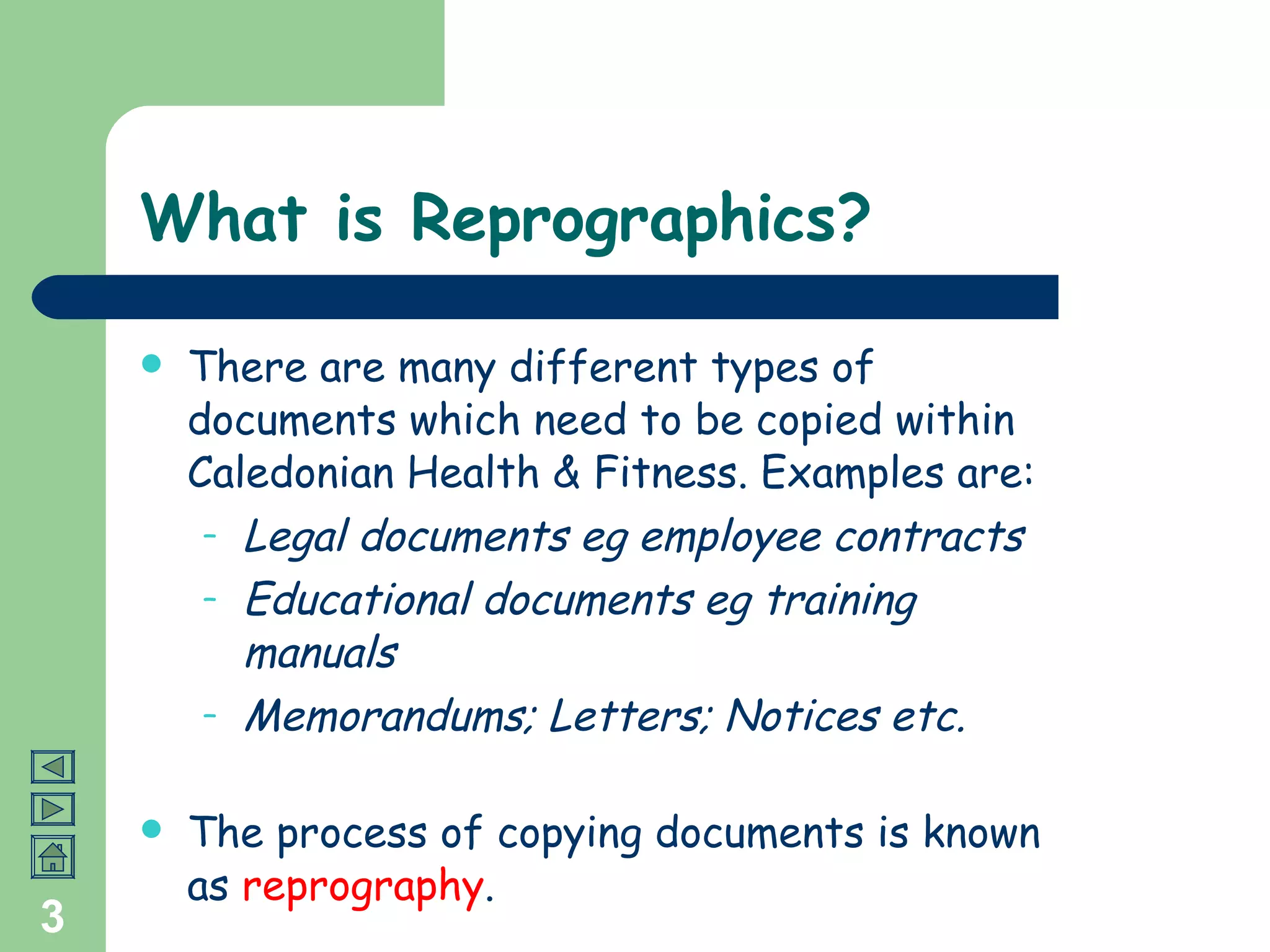
In the modern landscape of digital marketing and intangible assets, it is easy to overlook the physical touchpoints that define a company’s relationship with its audience. Yet, the bridge between a conceptual brand strategy and its tangible manifestation is built on a foundation known as reprographics. At its core, reprographics is the science and art of reproducing graphics and documents through mechanical or electrical means. For a brand, however, it is much more than mere photocopying or printing; it is the critical process of ensuring that a visual identity remains consistent, professional, and impactful across every physical medium it inhabits.
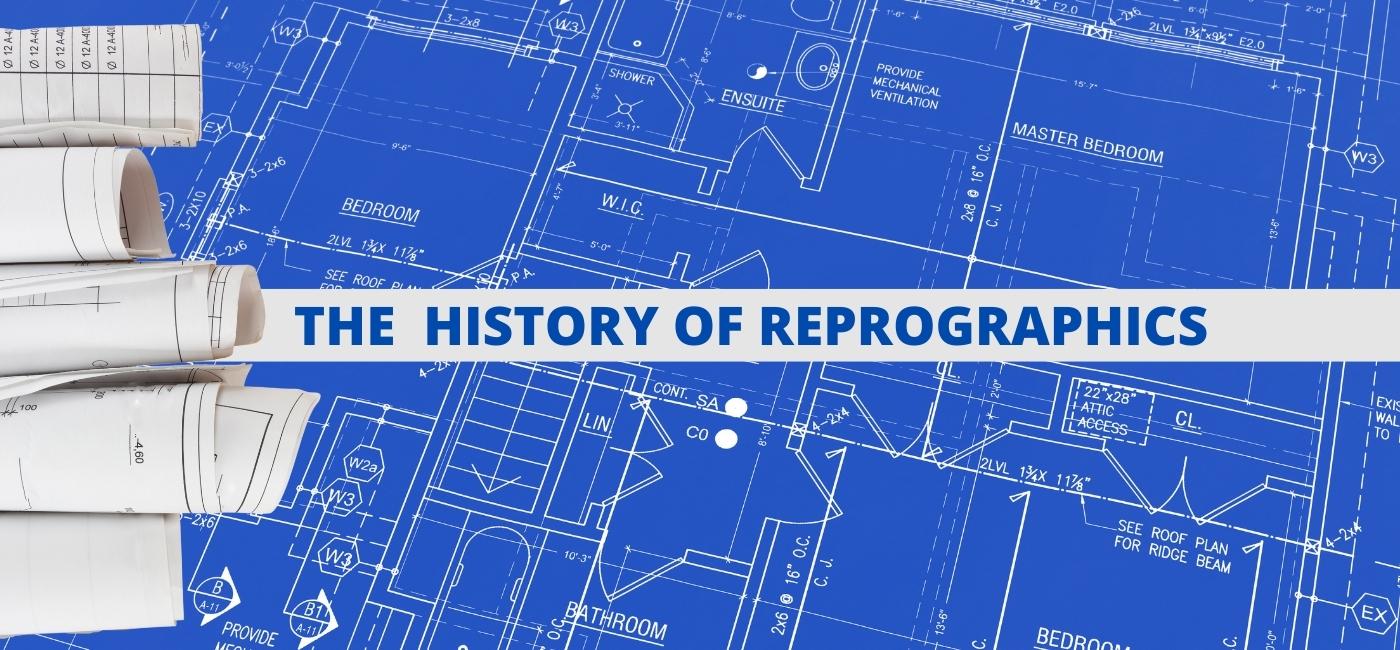
Reprographics encompasses a vast spectrum of technologies and processes, including large-format printing, scanning, digital imaging, and professional document management. In the context of brand strategy, reprographics serves as the guardian of visual integrity. It is the discipline that ensures the specific shade of navy blue on a corporate brochure exactly matches the signage in a retail window and the technical blueprints in a construction site. Without high-quality reprographics, a brand’s physical presence becomes fragmented, eroding the trust and recognition that marketers work so hard to build.
The Intersection of Reprographics and Corporate Identity
The primary goal of any brand strategy is to create a cohesive image that resonates with a target audience. This cohesion relies heavily on the quality of reproduction. When we discuss corporate identity, we are talking about the visual elements—logos, typography, color palettes—that signal a company’s values and promise. Reprographics is the vehicle that delivers these elements to the real world.
Maintaining Color Fidelity Across Media
One of the greatest challenges in brand management is color consistency. A logo that looks vibrant on a backlit LED screen can easily appear dull or distorted when printed on recycled cardstock or vinyl siding. Reprographics professionals utilize sophisticated color management systems (CMS) and spectrophotometers to bridge the gap between digital design and physical reality. By mastering CMYK and Pantone matching systems, reprographics ensures that a brand’s “signature color” remains a reliable beacon for consumers, regardless of the substrate.
Scaling the Brand Experience
Reprographics allows a brand to scale its visual presence from a business card to a skyscraper-sized wrap. This scalability is essential for architectural firms, real estate developers, and retail giants who must communicate complex information while maintaining brand aesthetics. High-resolution scanning and wide-format printing allow for the reproduction of intricate designs without losing the clarity that defines a premium brand. When a brand can successfully transition from the micro to the macro, it demonstrates a level of professional maturity that inspires confidence in stakeholders.
Strategic Marketing Through Advanced Print Solutions
In an era of digital saturation, physical marketing materials have regained a unique psychological power. A well-executed piece of reprographic collateral—such as a high-end lookbook, a tactile direct mailer, or a precision-engineered point-of-purchase display—offers a sensory experience that a digital ad cannot replicate. Reprographics is the engine that drives this physical engagement.
Large Format Printing and Brand Presence
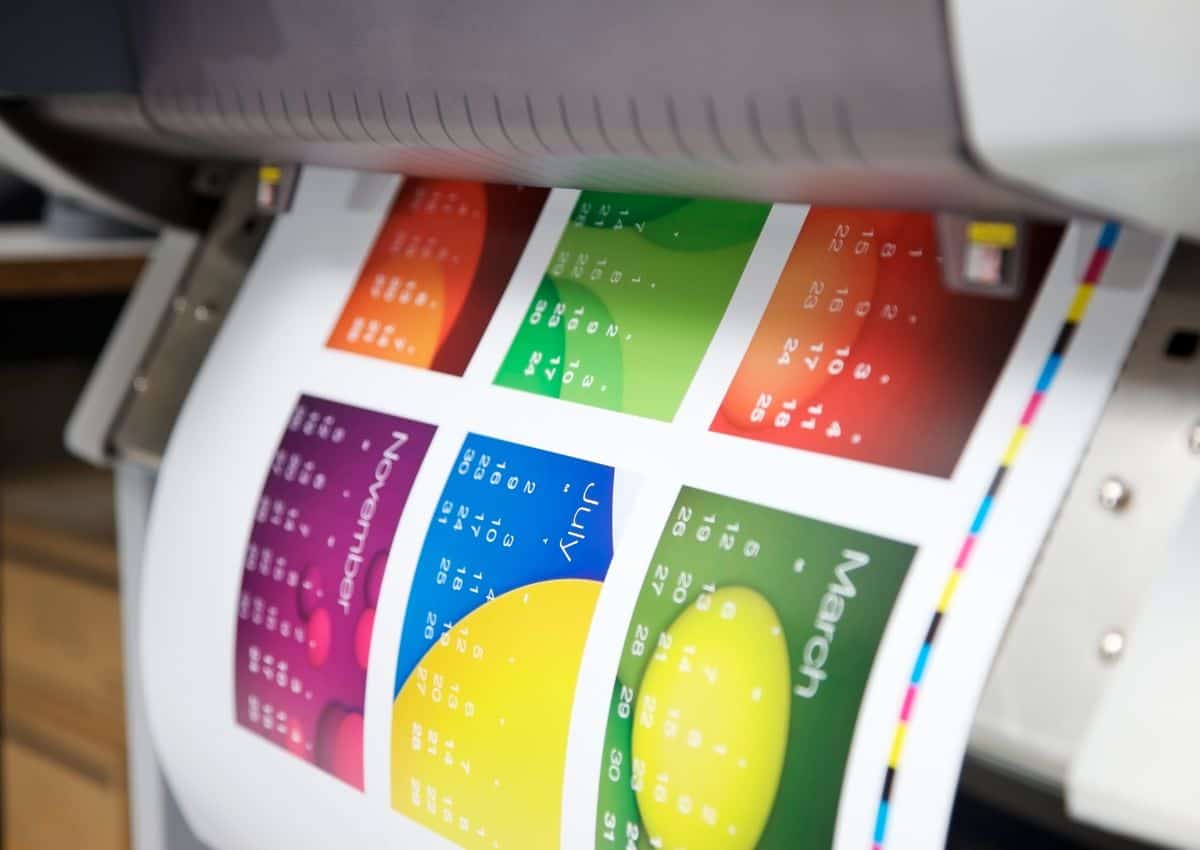
Large-format reprographics is a cornerstone of experiential branding. Think of trade show environments, stadium graphics, and retail window displays. These are not just “prints”; they are environmental brand assets. The use of specialized inks, such as UV-curable or latex-based options, allows brands to maintain high-visibility graphics in outdoor environments where weather and light would otherwise degrade the image. By investing in high-quality large-format reprographics, a brand signals its permanence and its commitment to quality.
On-Demand Personalization and Variable Data
Modern reprographic technology has evolved to support variable data printing (VDP). This allows brands to customize printed materials for specific demographics or even individual clients without slowing down the production process. From a brand strategy perspective, this enables hyper-local marketing and personalized customer journeys. Whether it is a personalized welcome kit for a luxury hotel guest or a targeted catalog, the ability to reproduce high-quality graphics with customized text strengthens the emotional bond between the brand and the consumer.
The Role of Finishing in Brand Perception
Reprographics does not end when the ink hits the paper. The finishing process—lamination, embossing, die-cutting, and binding—is where the brand’s “feel” is established. A financial institution might choose a heavy, matte-finish stock with silver foil stamping to convey stability and prestige. Conversely, a tech startup might opt for high-gloss, minimalist binding to reflect innovation and speed. These tactile choices, managed through the reprographic workflow, are subtle but powerful cues that shape how a brand is perceived in the hands of a user.
Reprographics as a Tool for Internal Brand Alignment
While external marketing is vital, a brand’s internal culture is equally important. Reprographics plays a clandestine yet pivotal role in how an organization views itself. From internal training manuals to the architectural renderings of a new headquarters, the way information is reproduced internally sets the tone for the company’s professional standards.
Centralized Document Management
For global corporations, maintaining brand standards across multiple offices can be a logistical nightmare. Reprographics services often include managed print services (MPS) and centralized digital repositories. This ensures that every department, from HR to sales, is using the most current, brand-approved templates and high-resolution assets. By streamlining the reproduction process, companies prevent “brand drift,” where low-quality or outdated versions of a logo begin to circulate internally and eventually leak into public-facing materials.
Technical Precision and Professionalism
In industries such as engineering, architecture, and manufacturing, reprographics is synonymous with precision. The reproduction of blueprints, CAD drawings, and technical specifications must be flawless. In these sectors, the brand is built on accuracy. A blurred line or an incorrectly scaled reproduction isn’t just a printing error; it is a failure of the brand promise. Professional reprographics providers understand this stakes-based environment, using high-definition scanning and plotting to ensure that the brand’s reputation for technical excellence is upheld in every document produced.
Sustainability and the Future of Physical Branding
As modern brand strategy increasingly incorporates Environmental, Social, and Governance (ESG) principles, the reprographics industry has had to pivot. Today, what a brand prints on is just as important as what it prints. The choice of materials in the reprographics process is now a direct reflection of a brand’s ethical stance and commitment to sustainability.
Eco-Friendly Materials and Consumer Trust
Consumers are more discerning than ever about the environmental impact of the brands they support. Reprographics has responded by introducing recycled substrates, FSC-certified papers, and biodegradable inks (such as soy-based alternatives). When a brand utilizes these sustainable reprographic options, it reinforces a narrative of responsibility. This is not just “greenwashing”; it is a tangible application of brand values. A luxury brand that uses sustainable, high-quality packaging created through eco-conscious reprographic processes enhances its value proposition in the eyes of the modern consumer.
Digital Integration and Augmented Reality
The future of reprographics lies in its integration with digital technology. We are seeing a rise in “intelligent print,” where reprographic materials serve as triggers for digital experiences. Through QR codes, Near Field Communication (NFC), and Augmented Reality (AR) overlays, a static printed poster can become an interactive gateway to a brand’s digital ecosystem. This hybrid approach allows brands to maintain the tactile authority of print while offering the data-driven engagement of digital media. Reprographics is no longer the end of the design process; it is a portal to a deeper brand narrative.
The Strategic Investment in Quality Reproduction
Ultimately, reprographics should be viewed not as a commodity expense, but as a strategic investment in brand equity. In a world where visual noise is constant, the clarity, quality, and consistency of a brand’s physical manifestations are what allow it to cut through the clutter.
A brand is a promise made to a customer, and every piece of reprographic output is a fulfillment of that promise. Whether it is the crispness of a logo on a corporate letterhead, the vibrant colors of a retail display, or the meticulous detail of a technical report, reprographics ensures that the brand’s voice is heard—and seen—with absolute clarity. By mastering the tools of reproduction, a business ensures that its visual identity is not just a digital file, but a living, breathing, and enduring presence in the physical world. Through the lens of brand strategy, reprographics is the ultimate guardian of the first impression and the silent architect of long-term loyalty.
aViewFromTheCave is a participant in the Amazon Services LLC Associates Program, an affiliate advertising program designed to provide a means for sites to earn advertising fees by advertising and linking to Amazon.com. Amazon, the Amazon logo, AmazonSupply, and the AmazonSupply logo are trademarks of Amazon.com, Inc. or its affiliates. As an Amazon Associate we earn affiliate commissions from qualifying purchases.