
In the world of strategic brand management, plot development is the intentional sequence of events, messages, and experiences that shape a brand’s narrative arc. While the term is often associated with creative writing or cinematography, it serves as a foundational pillar for corporate identity and personal branding. In this context, plot development is the roadmap that moves a brand from its initial introduction to a state of deep, emotional resonance with its target audience. It is the tactical execution of brand storytelling, transforming a static business entity into a living, evolving protagonist within the marketplace.
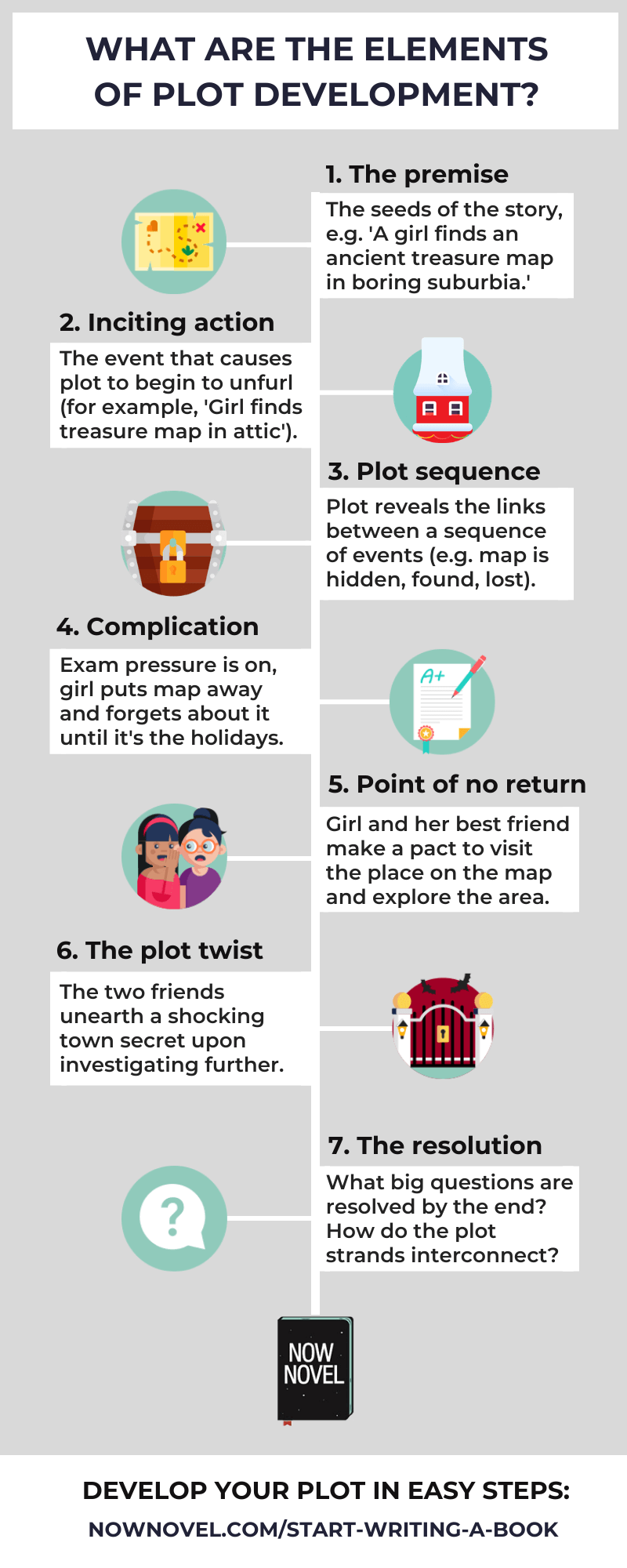
Understanding plot development within branding requires a shift in perspective. Instead of viewing marketing as a series of disconnected campaigns, practitioners view it as a cohesive journey. This journey includes challenges, growth phases, and resolutions that define how a brand interacts with its “characters”—the customers, employees, and stakeholders who inhabit its ecosystem.
The Narrative Foundation of Brand Strategy
The most successful brands in the world do not just sell products; they manage a narrative. Plot development in brand strategy begins with establishing a strong foundation. Without a clear understanding of the starting point, any subsequent movement lacks direction and purpose.
Defining the Brand Protagonist
Every plot requires a protagonist. In the context of brand strategy, the protagonist is rarely the brand itself, but rather the customer. The brand acts as the mentor or the tool that enables the protagonist to succeed. Plot development involves identifying who this protagonist is, what they desire, and what internal or external obstacles stand in their way. By positioning the brand as the catalyst for change, companies can create a narrative that consumers actually want to participate in.
Setting the Scene: Market Context
A plot cannot exist in a vacuum. It requires a setting. For a brand, the setting is the current market landscape, including cultural trends, economic conditions, and the competitive environment. Strategic plot development requires a deep analysis of this setting to ensure the brand’s message is timely and relevant. When a brand ignores its setting, its “plot” feels disjointed and out of touch. When it masters the setting, it creates an environment where its value proposition feels like the only logical conclusion.
The Mechanics of Plotting a Brand’s Growth
Once the foundation is set, plot development moves into the active phase. This is where the brand’s strategy becomes visible to the public. In branding, the “plot” is driven by actions—product launches, rebranding efforts, community engagement, and crisis management. Each of these events serves as a plot point that moves the narrative forward.
The Inciting Incident: Identifying the Pain Point
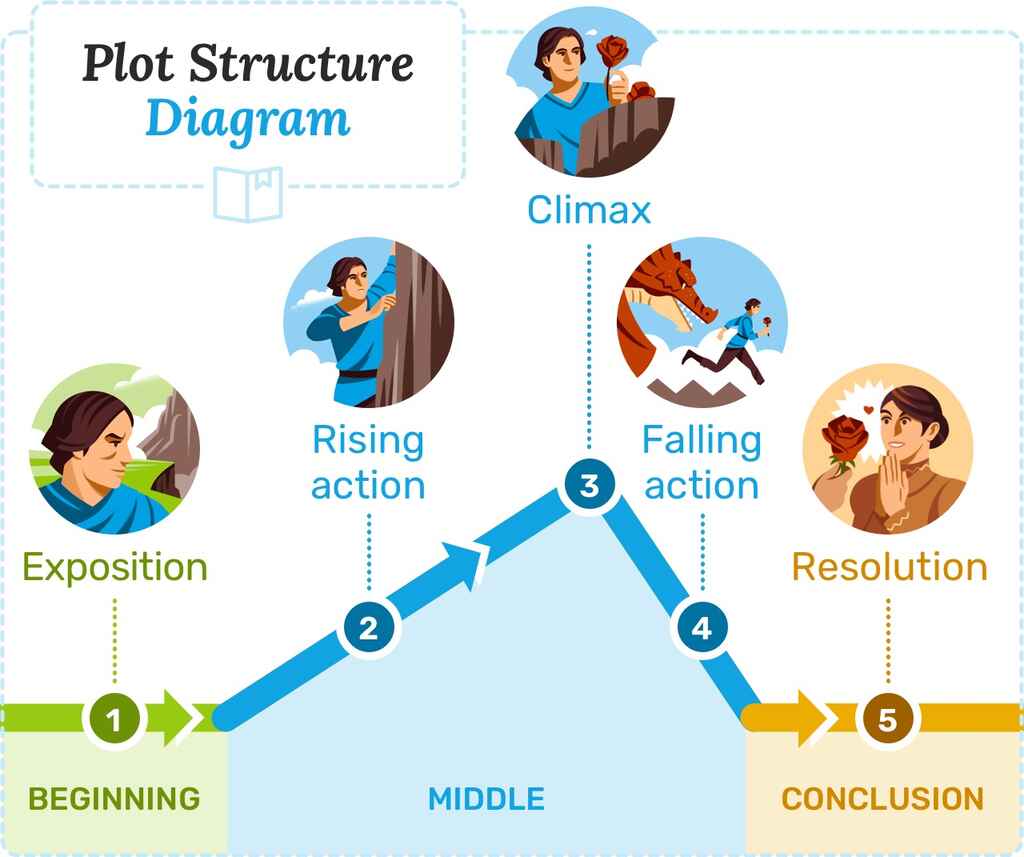
In storytelling, the inciting incident is the event that sets the story in motion. In brand strategy, this is the identification of a specific problem or “pain point” that the consumer faces. Plot development focuses on highlighting this tension. By articulating the problem clearly, the brand creates a “hook.” This hook invites the consumer to seek a resolution, which the brand is uniquely positioned to provide.
Rising Action: Building Trust and Authority
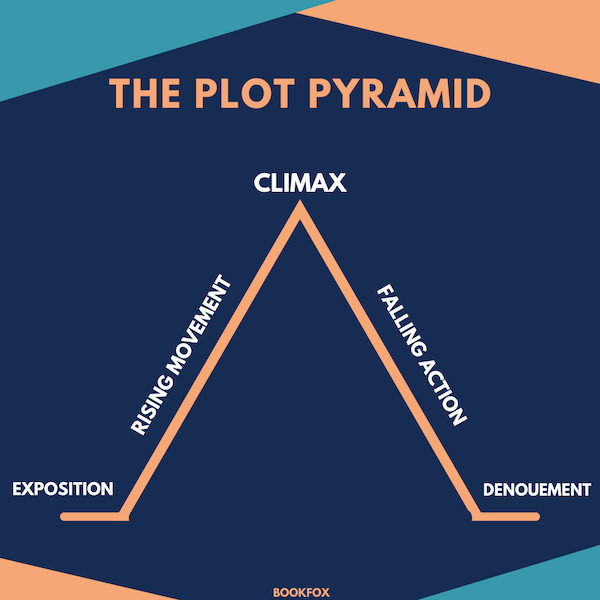
The rising action of a brand’s plot is the most prolonged phase. It consists of every touchpoint the consumer has with the brand. Each social media post, customer service interaction, and product iteration contributes to the rising action. The goal here is to build momentum. Through consistent delivery of value, the brand develops its “character” in the eyes of the consumer, moving from a stranger to a trusted advisor. This phase requires meticulous planning to ensure that the narrative remains coherent across all channels, preventing “plot holes” that could undermine brand credibility.
The Role of Conflict and Resolution in Corporate Identity
No story is interesting without conflict, and the same holds true for brand development. Conflict in branding is not necessarily a negative event; rather, it is the gap between where a customer is and where they want to be. It can also represent the brand’s struggle against the status quo or an industry-wide challenge.
Navigating Market Friction
Plot development involves acknowledging the friction within the industry. Whether it is a brand taking a stand on a social issue or a tech startup disrupting a legacy industry, conflict provides the stakes. When a brand identifies a “villain”—such as inefficiency, high costs, or poor quality—it gives the audience something to root for. The development of the plot then centers on how the brand overcomes these obstacles, demonstrating its resilience and core values.
The Resolution: Delivering the Value Proposition
The resolution is the fulfillment of the brand’s promise. In the plot of a customer journey, this is the point of conversion and the subsequent satisfaction. However, in long-term brand strategy, resolution is not an endpoint but a milestone. It is the moment the brand proves its worth. Effective plot development ensures that this resolution is satisfying and leads naturally into the next “chapter” of the customer relationship, fostering loyalty and advocacy.
Character Development: The Human Element of the Brand
A brand is more than a logo or a set of colors; it is a persona. Plot development is the vehicle through which this persona is revealed. Over time, as a brand grows, it must undergo “character development” to stay relevant and maintain its connection with its audience.
Internal vs. External Brand Evolution
Character development happens on two levels. Externally, it is how the public perceives the brand’s growth. Internally, it is the evolution of the corporate culture and brand values. If a brand’s internal identity does not evolve alongside its public plot, the result is a narrative dissonance. Authentic plot development requires that the company’s internal operations, ethics, and innovations mirror the story it tells to the world.
Persona Building and Voice
The “voice” of the brand is its narrative style. As the plot develops, the voice must remain consistent yet adaptable. A startup may begin with a bold, rebellious voice (the “Challenger” archetype), but as it matures into a market leader, its voice may shift toward that of a “Sage” or “Ruler.” Managing this transition is a delicate part of plot development, ensuring that the brand retains its core identity while reflecting its newfound maturity.
Measuring the Success of Your Brand Plot
In traditional literature, the success of a plot is measured by the reader’s engagement. In brand strategy, the metrics are more concrete, yet they still revolve around the same concept: how well the narrative resonated with the audience.
Consistency and Coherence Across Channels
One of the primary indicators of successful plot development is coherence. If a brand’s LinkedIn presence tells one story while its Instagram presence tells another, the plot collapses. Strategic branding requires a “narrative audit” to ensure that every department—from marketing to product development—is working from the same script. When the plot is coherent, the brand becomes recognizable not just by its visuals, but by its behavior and its “story.”
Long-Term Legacy and the “Sequel” Strategy
Finally, plot development in branding is about legacy. A well-developed brand plot builds equity that lasts for decades. This involves planning for the “next chapter”—how the brand will pivot when market conditions change or how it will introduce new product lines without losing its narrative thread. Just as a successful book series builds on the lore of previous installments, a successful brand leverages its history to launch new ventures. This “sequel” strategy ensures that the brand remains a permanent fixture in the consumer’s life, rather than a one-hit wonder.
In conclusion, plot development is the strategic art of managing a brand’s evolution. It is a sophisticated blend of psychology, marketing, and visionary leadership. By treating a brand as a developing story with high stakes, clear characters, and a compelling arc, organizations can move beyond transactional relationships and build enduring, meaningful legacies in the minds of their customers. Without a plot, a brand is merely a commodity; with a well-developed plot, it becomes an essential part of the consumer’s own story.
aViewFromTheCave is a participant in the Amazon Services LLC Associates Program, an affiliate advertising program designed to provide a means for sites to earn advertising fees by advertising and linking to Amazon.com. Amazon, the Amazon logo, AmazonSupply, and the AmazonSupply logo are trademarks of Amazon.com, Inc. or its affiliates. As an Amazon Associate we earn affiliate commissions from qualifying purchases.