
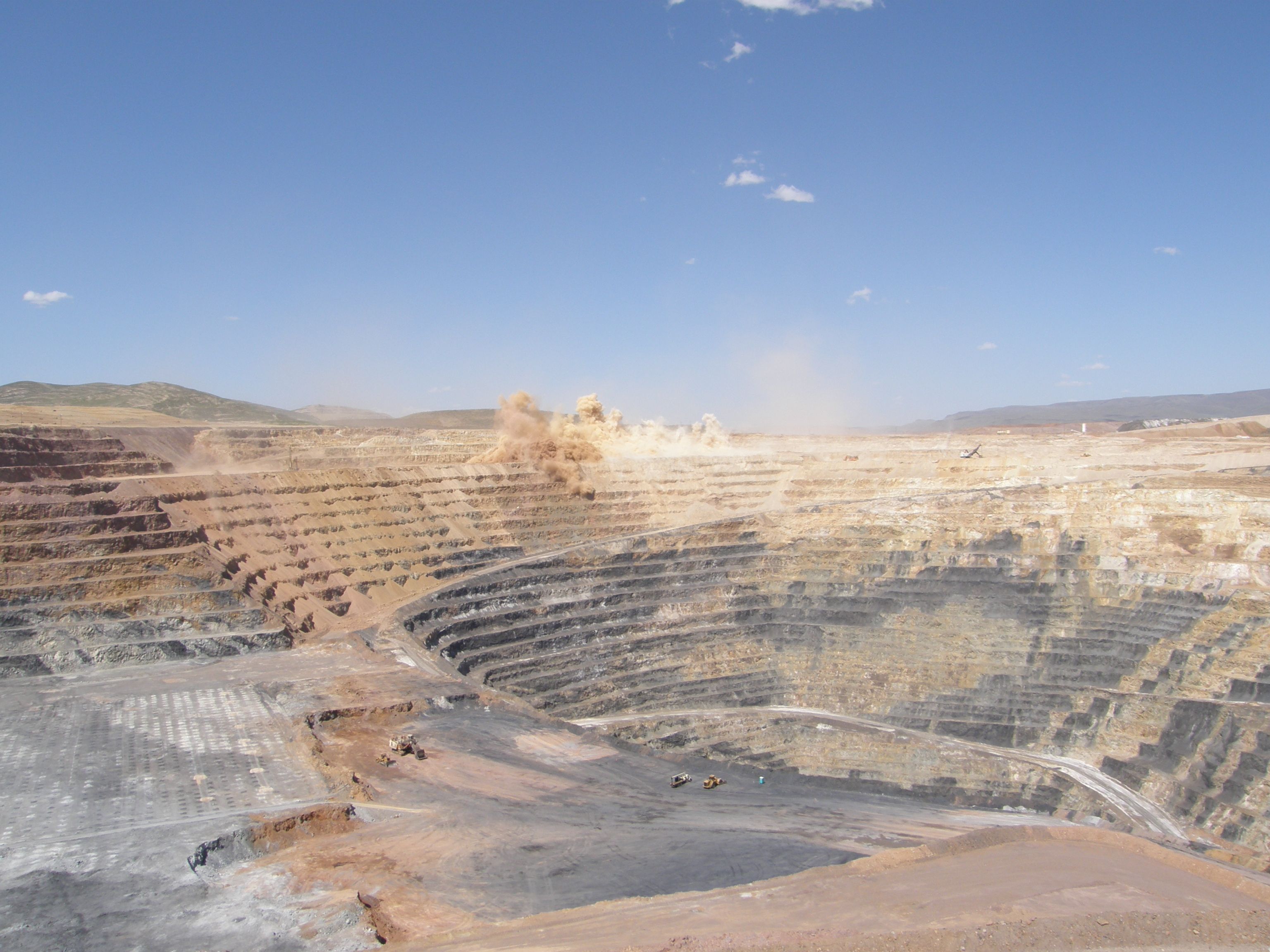
Pit mining, often referred to as open-pit or open-cast mining, represents one of the most significant industrial undertakings in the global economy. From a financial perspective, it is a method of extracting rock or minerals from the earth by their removal from an open pit or borrow. Unlike underground mining, which requires tunnels and shafts to reach deep-seated veins, pit mining involves the systematic removal of surface layers to reach massive, near-surface deposits. For the investor and the business strategist, pit mining is not merely a physical process; it is a complex financial model defined by high capital intensity, significant economies of scale, and a unique set of risk-reward variables that dictate the health of the global commodities market.
The Financial Mechanics of Pit Mining
To understand pit mining through the lens of finance, one must first look at the massive capital expenditure (CAPEX) required to bring a project online. Unlike a digital startup or a service-based business, a pit mine requires hundreds of millions, if not billions, of dollars in upfront investment before a single ounce of tradable material is extracted.
Initial Capital Expenditure and Infrastructure
The financial lifecycle of a pit mine begins long before the first shovel hits the dirt. It starts with exploration and feasibility studies. Investors must fund drilling programs to prove the existence of a “reserve”—a deposit that is not only physically present but economically extractable. Once a reserve is confirmed, the CAPEX shifts to infrastructure. This includes the acquisition of massive earth-moving fleets—where a single haul truck can cost upwards of $5 million—and the construction of onsite processing plants, power grids, and transport links. From a business standpoint, these are “sunk costs” that must be recouped over a multi-decade “Life of Mine” (LOM).
Operating Expenditure (OPEX) and Economies of Scale
While the entry costs are staggering, the primary financial advantage of pit mining is its lower operating cost per ton compared to underground mining. Because open pits allow for the use of larger machinery and more straightforward logistics, companies can achieve massive economies of scale. The profitability of a pit mine is often dictated by the “stripping ratio”—the amount of waste rock (overburden) that must be removed to access one unit of ore. A low stripping ratio translates to higher profit margins, as less money is spent moving non-valuable material.
The Economic Valuation of a Mine: NPV and IRR
In the world of corporate finance, pit mining projects are evaluated using sophisticated metrics like Net Present Value (NPV) and Internal Rate of Return (IRR). These calculations are sensitive to three main variables: commodity prices, ore grade, and the discount rate applied to future cash flows.
Understanding Ore Grade and Cut-off Points
The “grade” refers to the concentration of the desired mineral within the rock. In gold mining, this might be measured in grams per ton; in copper, it is usually a percentage. The “cut-off grade” is a critical financial threshold: it is the lowest grade of mineralized material that can be mined and processed at a profit. When commodity prices rise, the cut-off grade drops, effectively increasing the “reserves” of the mine without moving a single rock. Conversely, a dip in market prices can turn a once-profitable section of a pit into “waste” overnight, forcing companies to revise their balance sheets and asset valuations.
Discounted Cash Flow (DCF) Modeling
Because pit mines operate over 20 to 50 years, the time value of money is paramount. Analysts use DCF models to estimate the value of an investment today based on projections of how much money it will generate in the future. In pit mining, these models must account for “declining yields.” Often, the highest-grade ore is extracted early in the mine’s life to maximize early cash flow and pay down debt, while the later years of the mine focus on lower-grade material with thinner margins.
Market Dynamics and Commodity Volatility
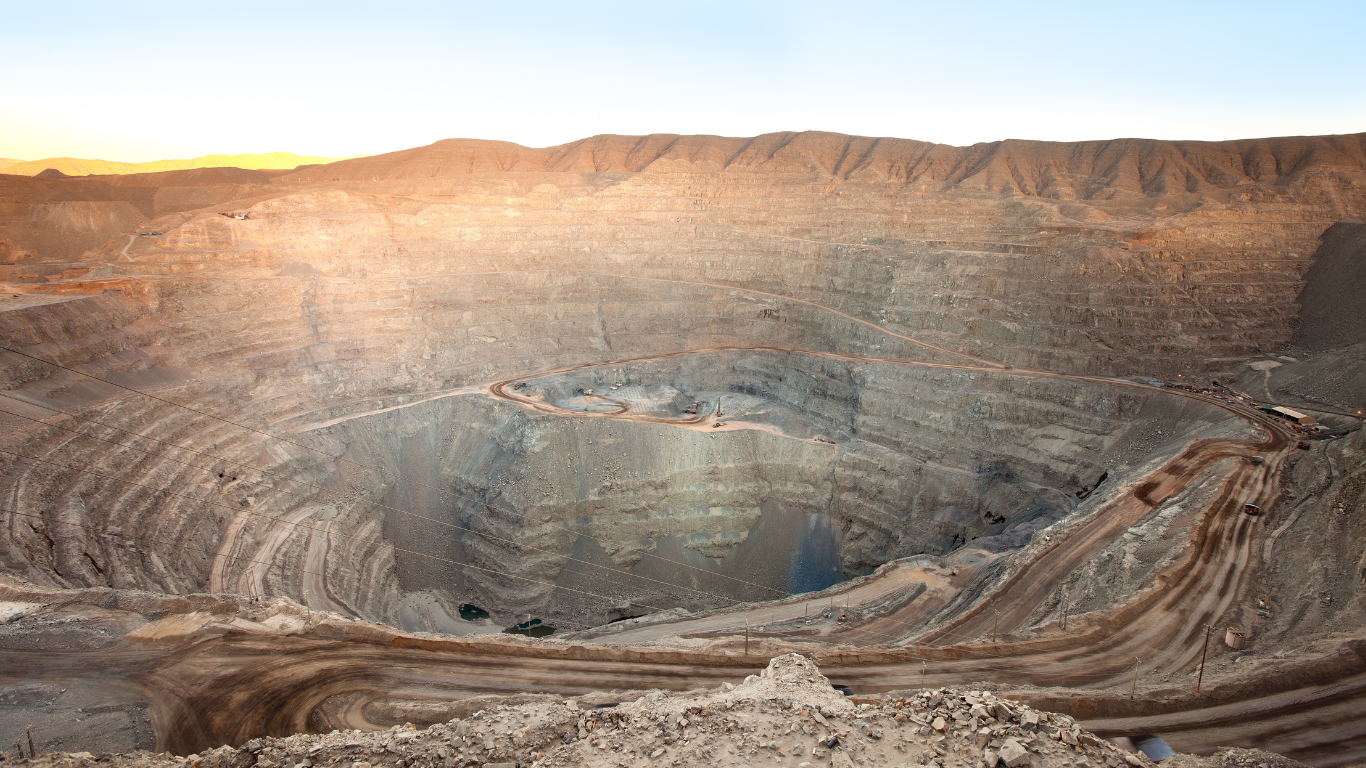
Pit mining is the bedrock of the global supply chain for iron ore, copper, aluminum, and coal. Consequently, the profitability of these operations is tethered to the volatility of global markets. For the business-minded observer, pit mining is a “price-taker” industry; individual mines have little control over the global price of the commodities they produce.
The Role of Commodity Supercycles
Investors in pit mining often look for “supercycles”—extended periods of high demand driven by industrialization or technological shifts. For example, the current global transition toward renewable energy has created a surge in demand for copper and lithium, both of which are primarily extracted via pit mining. These cycles can lead to “windfall profits” for mining firms, but they also trigger aggressive expansion. The risk for the business is “overcapacity”—building too many mines during a boom, leading to a supply glut and a subsequent price crash.
Geopolitical and Regulatory Risk
From a financial security perspective, the location of a pit mine is as important as the ore it contains. “Jurisdictional risk” refers to the potential for mining profits to be impacted by changes in government policy, royalty rates, or nationalization. High-yield pit mines in unstable regions often trade at a discount compared to those in Tier-1 jurisdictions like Australia or Canada, reflecting the “risk premium” investors demand for the possibility of regulatory upheaval.
ESG and the Long-term Liability of Mine Closure
In the modern financial landscape, Environmental, Social, and Governance (ESG) criteria are no longer optional “feel-good” metrics; they are core components of a mining company’s valuation and access to capital. For pit mining, which involves significant land disturbance, the “E” in ESG represents a substantial long-term financial liability.
Asset Retirement Obligations (ARO)
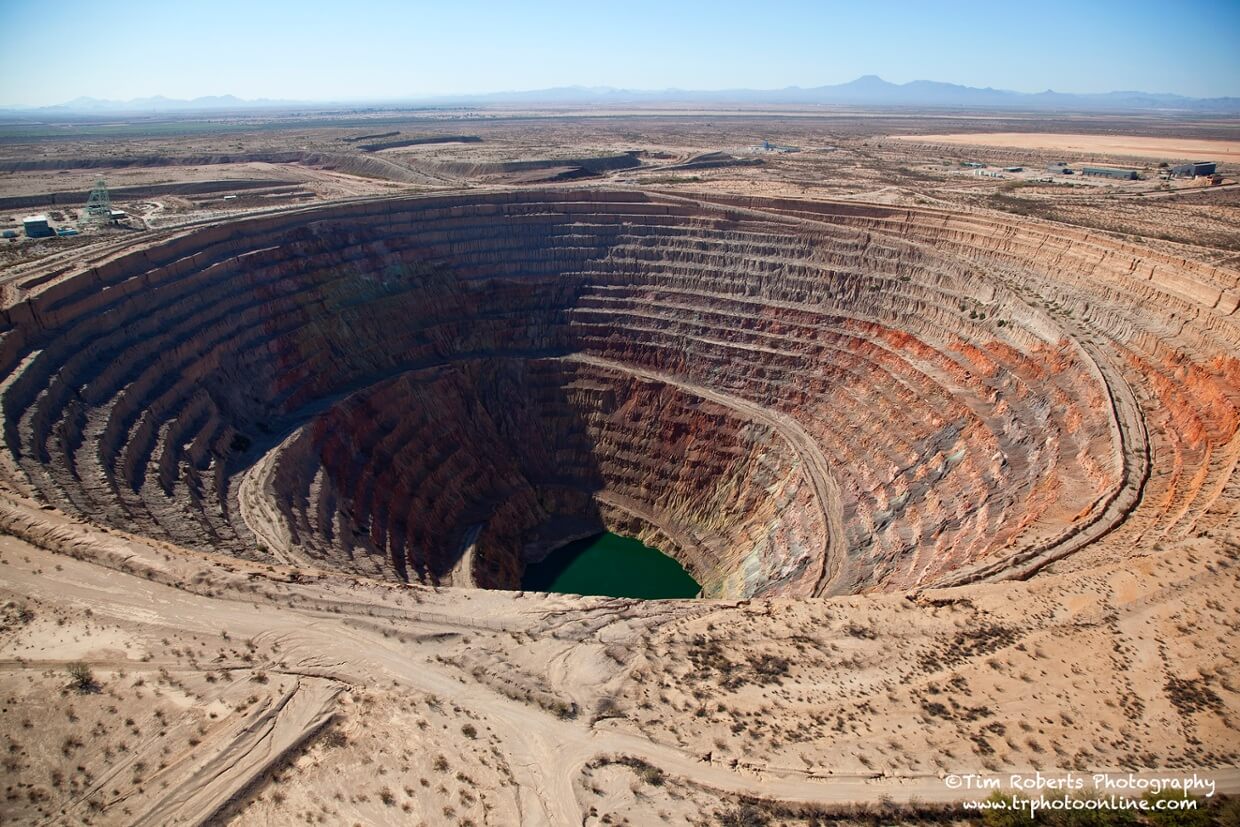
A pit mine is a temporary use of land. When the ore is exhausted, the company is legally and financially responsible for “reclamation”—restoring the land to a stable state. On a corporate balance sheet, these are known as Asset Retirement Obligations (AROs). Investors must look closely at whether a company has adequately provisioned for these costs. A failure to manage reclamation can lead to massive environmental fines and a “stranded asset” scenario where the cost of closing the mine exceeds the remaining value of the ore.
Social License to Operate
The “Social” aspect of ESG refers to the mine’s relationship with local communities. Disruptions caused by protests or legal challenges can halt production, costing a company millions of dollars per day. In the contemporary market, firms with strong “social licenses” often see lower insurance premiums and better credit ratings, as they are perceived as lower-risk investments.
The Digital Transformation of Mining Finance
As we look toward the future of pit mining, technology is becoming the primary driver of margin expansion. The “Digital Mine” is a concept where software, AI, and automation are used to squeeze extra percentage points of efficiency out of an operation.
Automation and Cost Reduction
The move toward autonomous haulage systems (AHS)—trucks that drive themselves via GPS and AI—is a game-changer for mine finance. These systems can operate 24/7 without breaks, reducing labor costs and improving fuel efficiency. For an investor, the shift to automation represents a shift from OPEX (variable labor costs) to CAPEX (fixed technology costs), often resulting in a more predictable and lower “all-in sustaining cost” (AISC).
AI-Driven Predictive Analytics
Modern pit mines use AI to analyze geological data, predicting with high accuracy where the best ore is located. This reduces “dilution”—the accidental mining of waste rock along with the ore. By optimizing the mine plan through software, companies can ensure they are always working the most profitable sections of the pit, maximizing the Return on Invested Capital (ROIC).
In conclusion, pit mining is a pillar of the global financial system. It is an industry where massive physical scale meets intricate financial modeling. For the investor, the “pit” is not just a hole in the ground; it is a complex asset that requires a deep understanding of geology, market economics, and technological trends. As the world demands more raw materials for the green energy transition, the economics of pit mining will continue to evolve, offering significant opportunities for those who can navigate its capital-intensive and risk-laden landscape.
aViewFromTheCave is a participant in the Amazon Services LLC Associates Program, an affiliate advertising program designed to provide a means for sites to earn advertising fees by advertising and linking to Amazon.com. Amazon, the Amazon logo, AmazonSupply, and the AmazonSupply logo are trademarks of Amazon.com, Inc. or its affiliates. As an Amazon Associate we earn affiliate commissions from qualifying purchases.