
In the competitive landscape of the personal care industry, a product is rarely just a product. It is a promise, a solution, and a reflection of a brand’s core values. When consumers ask, “What is the pH level of soap?” they are not merely seeking a chemical value; they are looking for reassurance regarding the safety, efficacy, and sophistication of the brand they are choosing to trust. For brand strategists and corporate leaders in the beauty and wellness space, understanding the science of pH is no longer the exclusive domain of the laboratory—it is a critical pillar of market positioning and consumer loyalty.
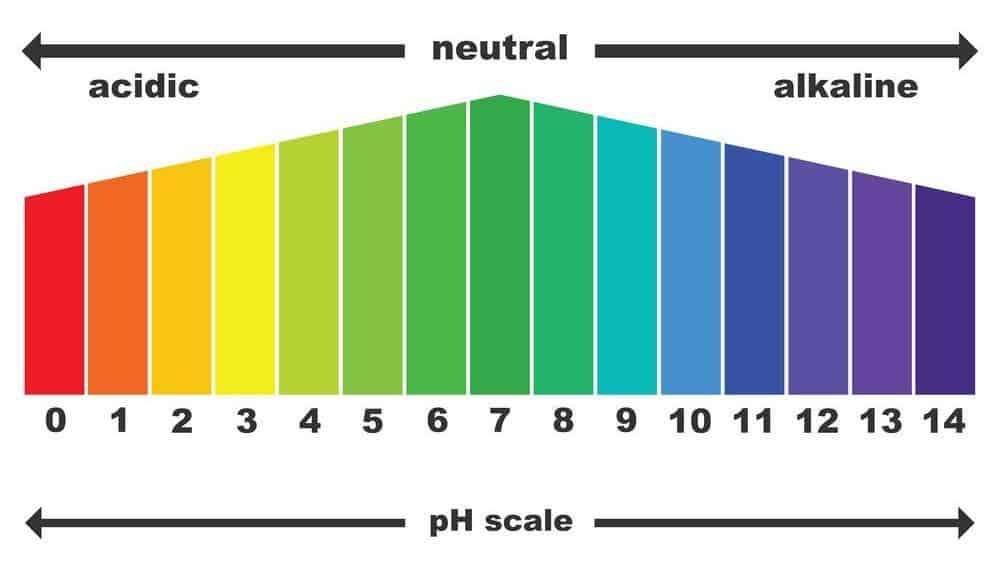
The pH level—standing for “potential hydrogen”—measures how acidic or alkaline a substance is on a scale of 0 to 14. Neutral is 7; anything below is acidic, and anything above is alkaline. Traditional cold-process soaps typically fall between a pH of 9 and 10, while human skin maintains a slightly acidic “acid mantle” with a pH around 5.5. This discrepancy is where the narrative of modern skincare branding is written.
The Science of pH as a Branding Tool
In a market saturated with “clean beauty” and “derm-approved” labels, scientific transparency has become a primary driver of brand authority. When a brand explains the pH level of its soap, it is signaling to the consumer that it values data over marketing fluff. This technical transparency builds a bridge of trust that is difficult for competitors to cross.
Understanding the Basics: Chemistry in Marketing
For a brand to stand out, it must educate its audience. Traditional soap is made through saponification—the reaction between fats/oils and an alkali (usually sodium hydroxide). This process inherently results in an alkaline product. Brands that lean into this traditionalist identity often market their products through the lens of “purity” and “heritage,” focusing on the removal of synthetic surfactants.
Conversely, brands that prioritize a pH-balanced approach (targeting a pH of 5.5) often move away from traditional soap definitions, utilizing synthetic detergents (syndets). In this context, the branding strategy shifts toward “biocompatibility” and “microbiome protection.” By framing the pH level as a health metric rather than just a chemical property, these brands transform a technical specification into a lifestyle benefit.
The Skin Barrier and Consumer Trust
The modern consumer is more educated than ever before. With the rise of “skintellectuals” on social media platforms, terms like “acid mantle” and “moisture barrier” are now part of the common lexicon. A brand that ignores the pH level of its soap risks being perceived as archaic or harmful.
Strategically, highlighting a pH-balanced formula allows a brand to position itself as a protector of the skin’s natural defenses. This is particularly effective for brands targeting sensitive skin demographics or luxury markets where “gentleness” is equated with high-quality formulation. When a brand can prove—through pH testing and transparent reporting—that its product respects the skin’s physiological balance, it creates a powerful incentive for repeat purchases.
Positioning Your Brand in the pH Spectrum
Choosing where a product sits on the pH scale is a fundamental decision in brand architecture. It dictates the target audience, the price point, and the visual identity of the product line.
The Rise of “Syndets” and High-End Brand Identity
The move toward pH-neutral or slightly acidic cleansers has paved the way for the “syndet” (synthetic detergent) bar. While “synthetic” used to be a dirty word in the wellness space, clever branding has reclaimed it under the banners of “clinical excellence” and “dermatological precision.”
High-end brands often leverage the complex engineering required to create a solid bar with a pH of 5.5. This isn’t just soap; it’s a “cleansing treatment.” By moving away from the high pH of traditional soap, these brands can charge a premium, justifying the cost through the sophisticated chemistry involved in maintaining the skin’s equilibrium. The brand strategy here is one of innovation and scientific superiority.
Artisanal vs. Commercial: The Narrative of Natural Soap
On the other side of the spectrum are the artisanal and heritage brands. These products often have a higher pH (9-10), yet they maintain a massive market share. Their brand strategy isn’t built on pH-balancing but on “naturality” and “craftsmanship.”

For these brands, the higher pH is marketed as a sign of a “true” soap—one free from the “harsh chemicals” found in mass-produced syndet bars. They focus on the high quality of their oils (shea butter, olive oil, coconut oil) and the skin-conditioning benefits of natural glycerin, which is a byproduct of the high-pH saponification process. Here, the brand story is about the “honest clean,” appealing to consumers who value tradition and environmental sustainability over laboratory-derived “perfection.”
Communicating Transparency: Case Studies in pH Balance
The most successful brands in the current market are those that don’t shy away from the technicalities of their products but instead use them as a centerpiece of their communication strategy.
Educating the Consumer as a Growth Strategy
Consider the success of brands that have built their entire corporate identity around “functional beauty.” These companies often include pH levels directly on the packaging or in the primary product descriptions online. This does two things: it satisfies the curiosity of the high-intent consumer and it sets a standard that other brands are forced to follow.
When a brand invests in educational content—blogs, videos, and infographics explaining why pH 5.5 matters—they are not just selling a soap; they are selling expertise. This positions the brand as a thought leader in the industry. Over time, the consumer stops looking for “soap” and starts looking for “pH-balanced skincare,” a category that the brand has now come to define in the consumer’s mind.
Leveraging Certifications and Scientific Validation
Third-party validation is a cornerstone of a robust brand strategy. For brands that prioritize low-pH formulations, obtaining certifications from dermatological institutes can be a game-changer. These seals of approval act as a “shorthand” for quality, allowing the brand to communicate complex chemical advantages (like a skin-neutral pH) through a single, recognizable logo.
This is particularly crucial in international markets. As brands scale globally, the technical definition of “soap” and “cleanser” can vary by regulatory body. A brand strategy rooted in the universal language of chemistry—specifically pH levels—ensures a consistent global identity that transcends cultural barriers and local marketing trends.
The Financial Impact of pH-Focused Brand Loyalty
From a business and financial perspective, the focus on pH level is an investment in customer lifetime value (CLV). In the personal care sector, churn is high because consumers are always looking for the next “miracle” product. However, brands that anchor their value proposition in physiological health—such as pH maintenance—tend to see higher retention rates.
Retention through Product Performance
The “feeling” of soap on the skin is directly related to its pH. High-pH soaps can sometimes leave the skin feeling “squeaky clean,” which is actually a sign of stripped lipids. Over time, this can lead to dryness and irritation. Conversely, a pH-balanced product leaves the skin feeling supple and hydrated.
From a branding standpoint, the physical experience of using the product is the ultimate “moment of truth.” If the product performs because it is scientifically balanced, the brand promise is fulfilled. This leads to organic word-of-mouth marketing and a reduction in customer acquisition costs over the long term. A product that works because it respects the skin’s chemistry doesn’t need to rely on flashy, expensive advertising as heavily as a product with no clear scientific advantage.

Future-Proofing Skincare Brands
As we move toward an era of personalized nutrition and medicine, personalized skincare is the next frontier. We are already seeing the emergence of brands that offer pH-testing kits to consumers, allowing them to track their skin’s health and receive customized product recommendations.
For a brand to remain relevant in this future, it must have a mastery over the technical aspects of its formulations today. The brands that will dominate the next decade are those that see the “pH level of soap” not as a boring laboratory metric, but as a foundational element of their brand’s story. They are the brands that understand that in the modern world, science is the new luxury, and transparency is the only way to build a lasting legacy.
By integrating the science of pH into their marketing, product development, and customer engagement strategies, brands can move beyond the commodity trap. They cease to be just another bar on a shelf and become an essential part of the consumer’s health and wellness ritual. In the end, the pH level of a soap is a small number that tells a very large story about what a brand stands for.
aViewFromTheCave is a participant in the Amazon Services LLC Associates Program, an affiliate advertising program designed to provide a means for sites to earn advertising fees by advertising and linking to Amazon.com. Amazon, the Amazon logo, AmazonSupply, and the AmazonSupply logo are trademarks of Amazon.com, Inc. or its affiliates. As an Amazon Associate we earn affiliate commissions from qualifying purchases.