
In the rapidly advancing landscape of healthtech, Positive Expiratory Pressure (PEP) therapy has transitioned from a simple mechanical process into a sophisticated ecosystem of smart hardware and integrated software. While traditionally viewed through a purely clinical lens, the modern implementation of PEP therapy represents a significant intersection of IoT (Internet of Things), data analytics, and patient-centric software design. To understand what PEP therapy is in the current digital age, one must look beyond the physical act of breathing and explore the technological frameworks that now govern its efficacy, monitoring, and long-term integration into the “Hospital at Home” movement.
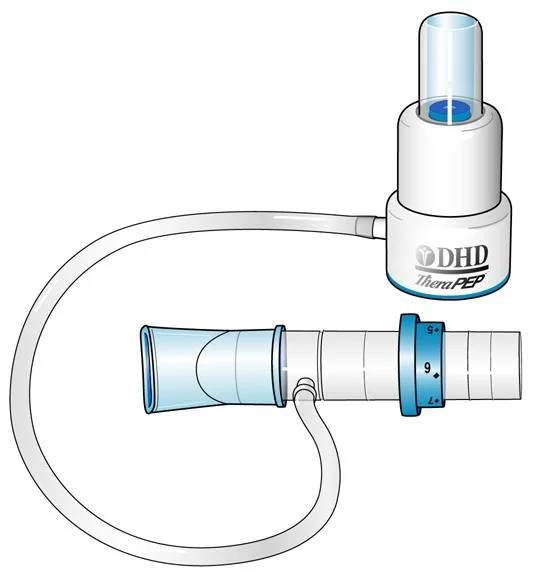
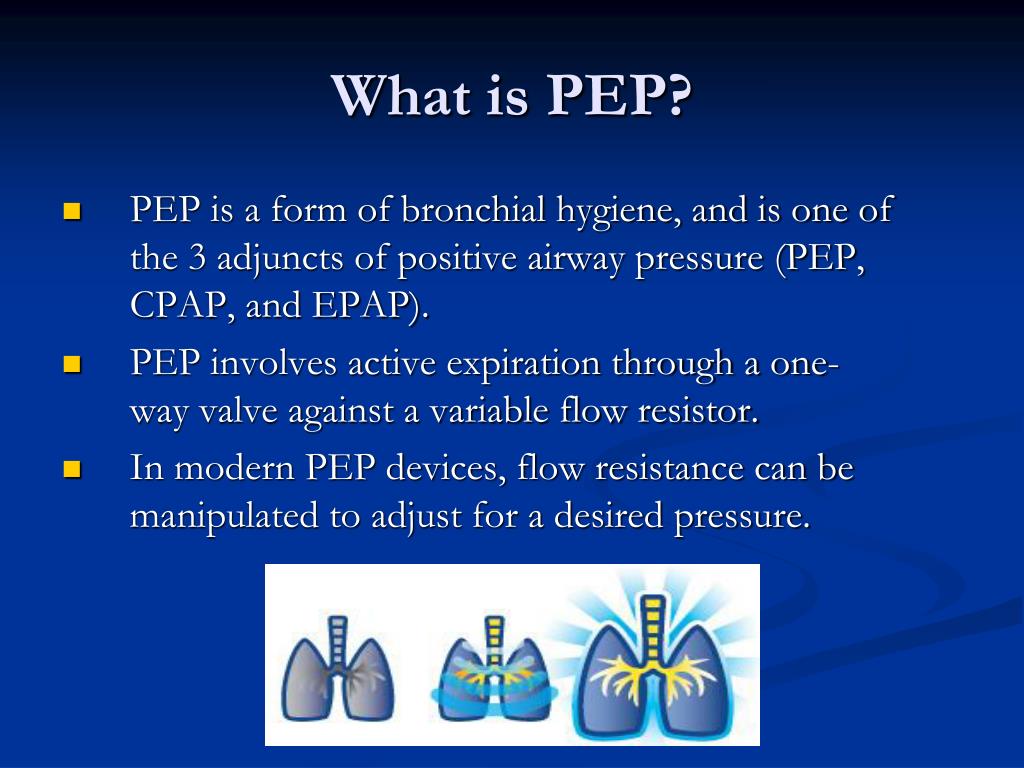
At its core, PEP therapy is a technique used to clear secretions from the lungs and increase lung volume by providing resistance during exhalation. However, for technology professionals, developers, and MedTech innovators, PEP therapy is increasingly defined by the sensors, cloud connectivity, and algorithmic feedback loops that ensure these treatments are performed correctly and consistently.
The Fundamentals of Digital PEP Therapy: Beyond the Manual Device
Traditionally, PEP therapy involved a patient breathing out against a fixed resistance through a simple handheld device. The goal was to build pressure behind mucus, allowing it to move upward into the larger airways where it could be coughed out. In the contemporary tech stack, these devices have been “disrupted” by the integration of micro-electromechanical systems (MEMS) and high-precision pressure transducers.
The Mechanics of Smart Resistance
Modern PEP devices are no longer passive plastic tubes. They are now sophisticated pieces of hardware equipped with sensors that measure flow rate, expiratory pressure, and frequency of oscillation. Oscillatory PEP (OPEP) technology, in particular, has seen a surge in digital innovation. These devices create vibrations within the airways to thin mucus. By integrating digital interfaces, the hardware can now provide real-time visual feedback to the user, ensuring they are hitting the specific “therapeutic window” of pressure (typically between 10 and 20 cm H2O) required for the treatment to be effective.
Hardware-Software Synergy
The “What” of PEP therapy now includes the software layer that sits atop the physical device. Through Bluetooth Low Energy (BLE) connectivity, the therapeutic data is transmitted to a smartphone app or a tablet. This transformation turns a medical chore into a data-driven activity. For the software developer, this involves creating low-latency connections that can interpret raw pressure data and translate it into actionable insights for the patient, such as “breathe harder” or “sustain exhalation longer.”
AI and IoT: Revolutionizing Patient Engagement and Data Accuracy
The primary challenge in respiratory therapy has always been patient compliance. If a patient does not use the device correctly or frequently enough, the therapy fails. This is where Artificial Intelligence (AI) and the Internet of Things (IoT) have redefined the scope of PEP therapy.
Gamification and Behavioral Tech
One of the most significant trends in respiratory healthtech is the gamification of PEP therapy. By utilizing the data from the PEP device as an input for a mobile game, developers have increased adherence rates significantly. In these scenarios, the patient’s breath becomes the controller. AI algorithms analyze the user’s breathing patterns to adjust the game’s difficulty in real-time, ensuring that the patient stays within the prescribed therapeutic range while remaining engaged. This represents a sophisticated application of UX design and behavioral psychology within a medical context.
Remote Patient Monitoring (RPM) and the Cloud
For healthcare providers, the “tech” in PEP therapy is found in Remote Patient Monitoring (RPM) platforms. Every breath taken through a connected PEP device is an entry in a decentralized database. Cloud-based dashboards allow pulmonologists to monitor an entire population of patients simultaneously. Machine learning models can be trained on this data to identify “red flag” patterns—such as a gradual decline in expiratory pressure over several days—which may indicate an impending pulmonary exacerbation. This predictive capability allows for early intervention, potentially preventing emergency room visits and reducing the burden on the healthcare system.
The Cybersecurity Landscape of Connected Respiratory Devices

As PEP therapy moves into the realm of connected devices, it falls under the rigorous requirements of digital security and data privacy. What was once a simple mechanical tool is now an endpoint in a medical network, making it subject to the same vulnerabilities as any other IoT device.
Securing the Breath: Encryption and HIPAA Compliance
The data generated by a PEP device is highly sensitive. It provides a detailed look at a patient’s respiratory health, which is protected under regulations like HIPAA in the United States and GDPR in Europe. Modern PEP therapy tech must employ end-to-end encryption for data in transit (from device to app) and data at rest (on the cloud server). Developers in this space focus heavily on secure authentication protocols and the anonymization of data used for large-scale research.
Firmware Integrity and Edge Computing
Because PEP devices are life-enhancing tools, the integrity of their firmware is paramount. Over-the-air (OTA) updates must be signed and verified to prevent malicious actors from interfering with the device’s calibration or data reporting. Furthermore, many high-end PEP systems now utilize edge computing. Instead of sending all raw data to the cloud, the device or the local mobile application processes the pressure waves locally. This reduces latency—crucial for real-time feedback—and limits the amount of sensitive data being transmitted over the network.
Interoperability: Integrating PEP Therapy into the Digital Health Ecosystem
For PEP therapy to be truly effective in a modern technological context, it cannot exist in a vacuum. It must be interoperable with the broader Digital Health Record (DHR) and other wearable technologies.
API Integration and Unified Health Profiles
The next frontier for PEP therapy tech is the seamless integration of respiratory data with other health metrics. Using APIs, data from a PEP session can be merged with heart rate data from an Apple Watch or sleep quality data from an Oura ring. This holistic view allows for a more nuanced understanding of how respiratory health impacts overall systemic wellness. For example, a developer might build a dashboard that shows how an increase in daily PEP therapy adherence correlates with improved blood oxygen saturation (SpO2) levels tracked via a wearable pulse oximeter.
Standardizing Data Protocols
As more manufacturers enter the smart PEP space, there is a growing need for standardized data protocols. The industry is moving toward using HL7 FHIR (Fast Healthcare Interoperability Resources) standards to ensure that a PEP device from Company A can share its data with a hospital system using Software B. This interoperability is what transforms a standalone gadget into a vital component of a comprehensive healthcare technology stack.
Future Trends: VR Integration and Predictive Respiratory Modeling
Looking forward, the definition of PEP therapy will continue to expand as emerging technologies like Virtual Reality (VR) and Digital Twins gain traction in the MedTech sector.
VR-Enhanced Therapy
Virtual Reality offers an even more immersive way to conduct PEP therapy. By wearing a VR headset during a session, patients can be transported to environments that encourage deep, rhythmic breathing. The visual stimuli can be synchronized with the mechanical resistance of the PEP device, creating a multi-sensory therapeutic experience. This is particularly effective in pediatric care and for patients dealing with the anxiety often associated with chronic respiratory conditions.
Digital Twins for Pulmonology
The concept of the “Digital Twin”—a virtual model of a physical process or system—is being applied to human lungs. By feeding data from PEP therapy devices into a digital twin of a patient’s respiratory system, AI can simulate how different levels of resistance or different frequencies of oscillation will affect that specific individual. This allows for hyper-personalized therapy, where the resistance settings on the hardware are adjusted automatically based on the latest simulation results.
What is PEP therapy today? It is no longer just a “breathing exercise.” In the tech world, it is a sophisticated blend of high-precision sensors, secure cloud architecture, AI-driven analytics, and engaging user interfaces. It represents the pinnacle of how technology can take a decades-old medical practice and elevate it into a proactive, data-rich, and highly effective digital intervention. As we continue to bridge the gap between the physical and digital worlds, PEP therapy stands as a prime example of the power of healthtech to improve lives through smarter, more connected care.
aViewFromTheCave is a participant in the Amazon Services LLC Associates Program, an affiliate advertising program designed to provide a means for sites to earn advertising fees by advertising and linking to Amazon.com. Amazon, the Amazon logo, AmazonSupply, and the AmazonSupply logo are trademarks of Amazon.com, Inc. or its affiliates. As an Amazon Associate we earn affiliate commissions from qualifying purchases.