
In the modern economy, timing is often as valuable as capital. Whether you are managing a household budget, overseeing a corporate balance sheet, or navigating the complexities of the stock market, the concepts of “peak” and “off-peak” serve as fundamental pillars of financial strategy. At its core, the distinction between peak and off-peak is a manifestation of the law of supply and demand. When demand for a service or commodity is at its highest, prices rise to reflect the strain on resources. Conversely, when demand wanes, prices drop to incentivize consumption.
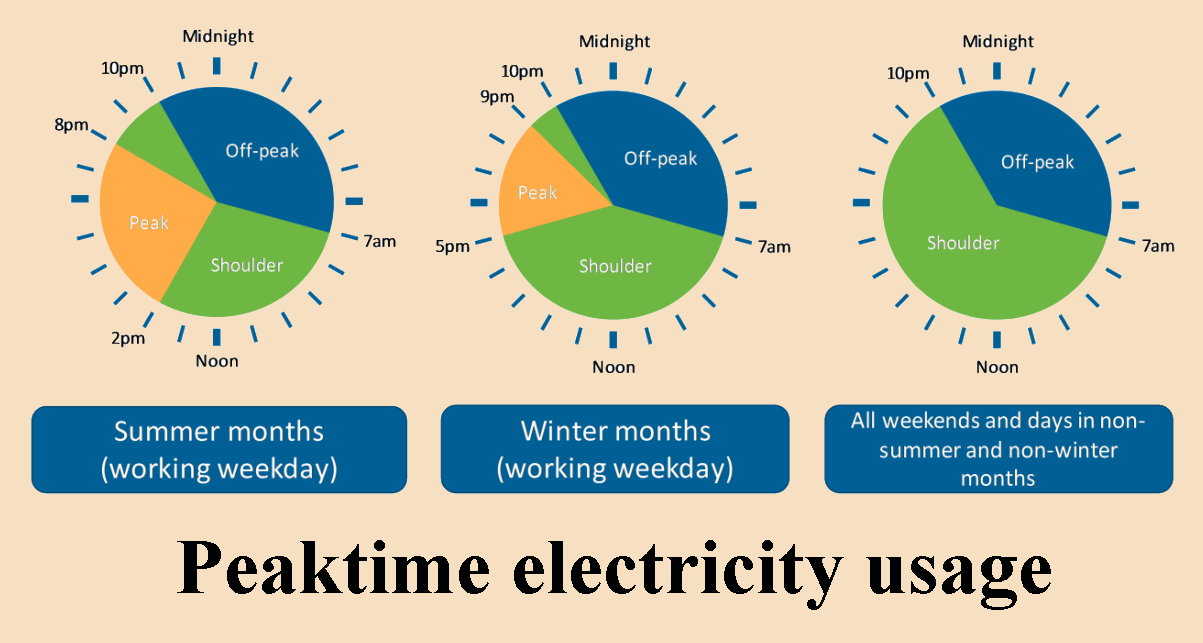
Understanding these cycles is not merely about saving a few dollars on a monthly bill; it is about developing a sophisticated approach to resource allocation. By identifying the peaks and troughs of economic activity, individuals and businesses can optimize their spending, maximize their investment returns, and gain a competitive edge in a price-sensitive marketplace.
The Economics of Time-of-Use: Utilities and Household Finance
One of the most immediate ways the peak and off-peak framework impacts personal finance is through utility consumption. Energy providers and water municipalities increasingly use Time-of-Use (TOU) pricing models to manage the load on infrastructure. In this context, “peak” refers to the hours when the majority of the population is active—typically late afternoon and early evening—while “off-peak” refers to late-night or early-morning hours when demand is minimal.
Maximizing ROI Through Smart Consumption
For a household looking to optimize its cash flow, shifting heavy energy usage to off-peak hours is one of the simplest high-impact financial moves available. Major appliances like dishwashers, clothes dryers, and electric vehicle chargers are significant drains on power. By running these during off-peak windows, consumers can often reduce their energy costs by 30% to 50% per kilowatt-hour.
This shift does more than just lower a monthly bill; it represents a disciplined approach to “micro-investing” in one’s own efficiency. Over a fiscal year, the compounded savings from off-peak utility usage can be redirected into a high-yield savings account or an index fund, turning a passive habit into an active wealth-building tool.
The Role of Technology in Financial Scheduling
The rise of smart home technology and the Internet of Things (IoT) has automated the process of capturing off-peak savings. Smart thermostats and programmable appliances allow users to set schedules that align with their utility provider’s lowest rates. From a financial planning perspective, these tools are essential for maintaining a lean budget. They remove the “behavioral friction” of having to remember when to turn off the lights or start the laundry, ensuring that the household remains in the most cost-effective tier of consumption at all times.
Strategic Travel and the Value of the “Shoulder Season”
Beyond the home, the peak and off-peak concept is a dominant force in the travel and hospitality sectors. In these industries, “peak” is defined by seasonal trends, holidays, and school breaks. During these windows, the cost of flights, accommodation, and services inflates significantly due to the sheer volume of consumers vying for a limited supply of inventory.
The Financial Pitfalls of Peak Travel
Traveling during peak periods is a significant drain on discretionary income. Dynamic pricing algorithms used by airlines and hotel chains are designed to extract the maximum “willingness to pay” from consumers. For a family or an individual, choosing to travel during a peak window often means paying a 200% to 300% premium for the exact same service that would be available weeks later for a fraction of the cost. From a wealth-management standpoint, this is an inefficient use of capital that yields no additional intrinsic value.
Leveraging the Off-Peak and Shoulder Seasons
The savvy financial planner looks toward the “off-peak” or the “shoulder season”—the period between peak and off-peak. Traveling during these times offers a dual financial advantage: lower upfront costs and increased purchasing power at the destination. When demand is low, service providers are more likely to offer upgrades, discounts, and personalized experiences to attract business.
By strategically timing major expenditures like vacations or business retreats to coincide with off-peak periods, you preserve your capital. This allows for a higher quality of life without the associated “peak premium,” ensuring that your lifestyle inflation remains in check while your net worth continues to grow.
Peak Performance in Financial Markets and Investing
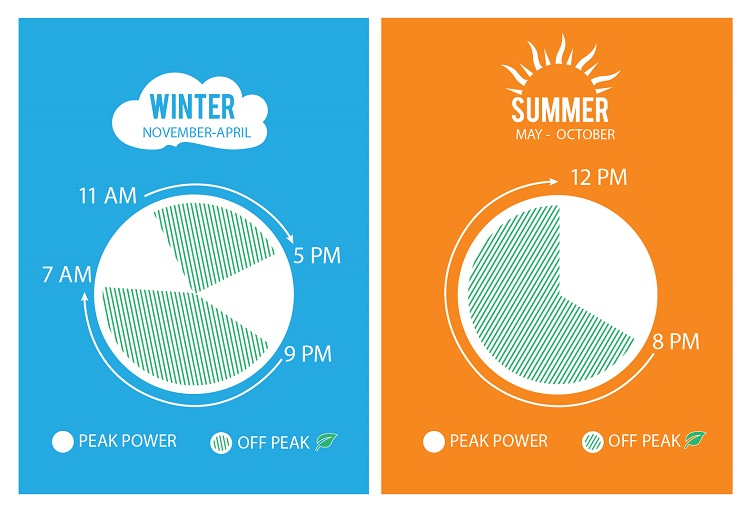
In the world of investing and professional trading, the concepts of peak and off-peak take on a different, more technical meaning. Here, they refer to market liquidity, volatility, and the specific hours of operation for global exchanges. Understanding these cycles is critical for minimizing “slippage” and maximizing the execution quality of trades.
Market Open and Close: The Peak Volatility Windows
The “peak” periods in the financial markets occur during the first and last hour of the trading day. This is when institutional investors rebalance their portfolios, news from the overnight cycle is priced in, and volume is at its highest. While these peak periods offer high liquidity—meaning it is easy to enter and exit positions—they also come with heightened volatility and risk.
For the long-term investor, executing trades during these peak windows can be a double-edged sword. While the liquidity ensures that large orders can be filled, the rapid price swings can lead to poor entry points if one is not careful. Conversely, professional day traders thrive on this peak activity, utilizing the high volume to find “momentum” plays that are unavailable during quieter times.
The “Off-Peak” Lull and After-Hours Trading
The middle of the trading day, often referred to as the “lunchtime lull,” represents an off-peak period where volume drops and price action stabilizes. For many conservative investors, this is the ideal time to execute trades, as the lack of extreme volatility allows for a more controlled entry or exit.
Furthermore, “after-hours” trading represents a distinct off-peak market. While it allows for reaction to earnings reports that happen after the bell, it is characterized by low liquidity and wide “bid-ask spreads.” Navigating this off-peak environment requires a high level of financial literacy, as the cost of trading is effectively higher due to the lack of participants. Investors must weigh the benefit of an early move against the financial penalty of trading in an illiquid, off-peak market.
Business Finance: Revenue Management and Operational Efficiency
For business owners and corporate finance officers, mastering peak and off-peak cycles is a requirement for maintaining healthy margins. This is often referred to as “demand management” or “yield management.” The goal is to smooth out the revenue stream so that the business remains profitable even during periods of low activity.
Dynamic Pricing as a Revenue Driver
Many businesses, from software-as-a-service (SaaS) providers to freight companies, utilize dynamic pricing to manage peak demand. By charging more during peak periods, a business can cap demand to a level that its infrastructure can handle, while simultaneously maximizing its profit margin. During off-peak periods, the business can offer “early bird” specials or volume discounts to ensure that fixed costs—such as rent and salaries—are covered even when sales are slow.
From a business finance perspective, this strategy is about optimizing the “utilization rate.” An empty seat on a plane or an idle server in a data center is a “perishable asset”; if it isn’t sold, its potential revenue is lost forever. Off-peak pricing strategies ensure that these assets continue to generate cash flow, regardless of the broader market cycle.
Managing Overhead and Staffing Cycles
Operational costs also fluctuate between peak and off-peak. Retailers, for instance, face a massive “peak” during the Q4 holiday season. Managing the finance of this peak requires significant capital reserves to fund inventory and temporary labor.
A well-financed business uses the “off-peak” months to conduct audits, perform maintenance, and engage in long-term strategic planning. By shifting non-essential operational tasks to off-peak periods, companies can avoid the “congestion costs” of trying to do everything at once during their busiest season. This level of financial foresight prevents burnout and ensures that the company is not over-leveraged when the peak demand finally arrives.

The Psychological Advantage of Off-Peak Thinking
Ultimately, the ability to distinguish between peak and off-peak is a hallmark of a “contrarian” financial mindset. Most people follow the herd, consuming when everyone else consumes and panicking when everyone else panics. This “peak behavior” is expensive, stressful, and often leads to suboptimal financial outcomes.
Adopting an “off-peak” lifestyle—buying winter gear in the summer, investing when the markets are quiet, and traveling when the crowds are gone—is a form of arbitrage. You are effectively trading a small amount of convenience for a significant amount of capital. In the journey toward financial independence, this is one of the most powerful tools at your disposal. It allows you to live a “peak” life on an “off-peak” budget, ensuring that your money works for you rather than you working for your money.
aViewFromTheCave is a participant in the Amazon Services LLC Associates Program, an affiliate advertising program designed to provide a means for sites to earn advertising fees by advertising and linking to Amazon.com. Amazon, the Amazon logo, AmazonSupply, and the AmazonSupply logo are trademarks of Amazon.com, Inc. or its affiliates. As an Amazon Associate we earn affiliate commissions from qualifying purchases.