
The global energy transition is no longer a peripheral concern for the technology sector; it has become the central engineering challenge of the 21st century. As data centers consume record amounts of electricity and AI processing requirements skyrocket, the search for sustainable, high-density energy sources has led researchers back to the most efficient system on Earth: photosynthesis. Specifically, the technical community is focusing on the “oxidation” phase of this process. Understanding oxidation in photosynthesis is no longer just a task for biologists; it is a prerequisite for the next generation of clean-tech developers, software engineers modeling molecular dynamics, and hardware innovators designing artificial leaves.
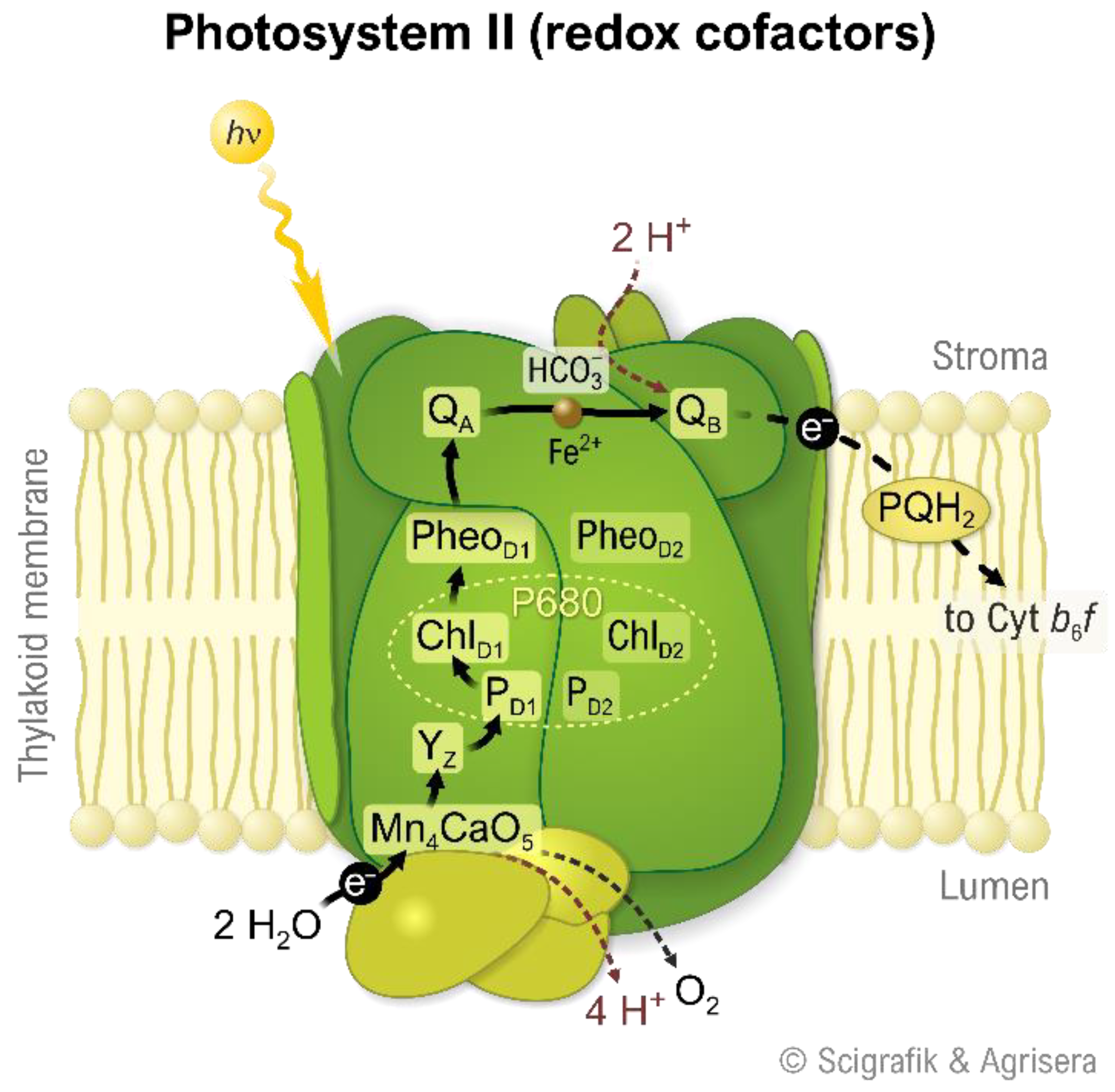
In biological terms, oxidation refers to the loss of electrons during a chemical reaction. In the context of photosynthesis, it is the crucial mechanism by which plants strip electrons from water molecules to fuel the production of energy. For the technology sector, this biological blueprint provides the framework for “Artificial Photosynthesis” and “Green Hydrogen” production—fields that are currently seeing massive influxes of R&D capital and digital innovation.
The Mechanics of Oxidation: From Biological Systems to Bio-Tech Engineering
To understand how technology mimics nature, one must first grasp the precision of the biological “hardware.” In the chloroplasts of a plant, oxidation occurs within Photosystem II (PSII). This is a complex biological machine that uses sunlight to split water (H2O) into oxygen, protons, and—most importantly—electrons.
Mimicking Nature: The Catalyst Technology Revolution
In the tech world, replicating this oxidation process requires advanced catalyst technology. Biological systems use a manganese-calcium cluster to facilitate water oxidation. Tech innovators are currently leveraging high-performance computing (HPC) to design synthetic catalysts that can perform this task at scale. The goal is to create “Artificial Leaves”—semiconductor-based devices that can oxidize water using solar energy.
Recent breakthroughs in materials science have introduced iridium and ruthenium-based catalysts, but the trend is moving toward more abundant, “earth-positive” materials like cobalt and nickel oxides. The development of these materials is heavily dependent on computational chemistry software, which allows engineers to simulate electron transfer at the sub-atomic level before a single physical prototype is built.
Software Modeling and Molecular Engineering
The “oxidation” problem is essentially a data problem. To optimize the rate of electron loss, software platforms like Schrödinger and BIOVIA are used to model molecular interactions. These tools allow bio-tech firms to visualize how different molecular structures handle the oxidative stress of losing electrons. By using digital simulations, researchers can identify the exact “failure points” where synthetic systems degrade, allowing for the development of more durable hardware for long-term energy storage.
Artificial Photosynthesis: The Next Frontier in Energy Tech Trends
Artificial photosynthesis represents a convergence of hardware, software, and chemical engineering. At its core, the technology seeks to oxidize water and reduce carbon dioxide to create liquid fuels or hydrogen. This is the “Holy Grail” of renewable energy because it solves the intermittency problem of solar and wind power by storing energy in chemical bonds.
AI-Driven Material Discovery for Carbon Capture
One of the most significant technology trends in this space is the application of Artificial Intelligence to find new oxidative materials. AI tools are being used to sift through millions of potential chemical combinations to find the most efficient oxidative pathways. Machine learning models can predict how a specific lattice structure will react when exposed to light and water, drastically reducing the time required for R&D.
For instance, generative AI is now being used to design new protein-like structures that can protect synthetic catalysts from the harsh oxidative environment. In nature, plants have a “repair mechanism” for their oxidative machinery; in technology, we use AI to design materials that are either self-healing or incredibly resilient, ensuring that the hardware doesn’t “burn out” during the electron extraction process.

Photoelectrochemical Cells (PEC) and Digital Optimization
The hardware manifestation of photosynthetic oxidation is found in Photoelectrochemical Cells. These gadgets are designed to capture photons and use that energy to drive the oxidation of water. Modern PECs are integrated with IoT sensors that monitor efficiency in real-time. This digital layer allows for “smart” energy production, where the rate of oxidation can be adjusted based on the grid’s demand or the intensity of the available sunlight. The integration of edge computing into these units ensures that the energy conversion process is always operating at the thermodynamic limit.
The Role of Digital Twins in Photosynthetic Research
As the tech industry moves toward more complex bio-mimicry, the use of “Digital Twins”—virtual replicas of physical systems—has become indispensable. By creating a digital twin of a photosynthetic oxidation system, engineers can run thousands of “what-if” scenarios without the cost of laboratory materials.
Simulating Electron Transport Chains
The oxidation process in photosynthesis kicks off an electron transport chain. In a technological context, this is a circuit. Digital twins allow developers to simulate how these electrons move through different mediums. If the oxidation is too fast, the system might overheat or degrade; if it is too slow, the energy yield is insufficient. Digital twin software provides the analytics necessary to find the “Goldilocks zone” of oxidative efficiency. This is particularly relevant for startups working on hydrogen fuel cells, where the efficiency of the oxidative step determines the overall ROI of the technology.
Predictive Analytics for Renewable Yields
Beyond the lab, technology platforms are using predictive analytics to determine how large-scale artificial photosynthesis arrays will perform in different geographic locations. By analyzing weather patterns, UV indices, and atmospheric humidity, software can predict the oxidative output of a green-tech facility with remarkable accuracy. This data is vital for integrating these new energy sources into existing smart grids, where stability and predictability are paramount.
Cybersecurity and Data Integrity in Green-Tech Infrastructure
As the technology behind artificial photosynthesis and oxidative energy moves from the lab to the industrial grid, digital security becomes a primary concern. The intellectual property involved in the design of highly efficient oxidative catalysts is worth billions, making bio-tech and clean-tech firms prime targets for cyber-espionage.
Protecting Intellectual Property in Bio-Tech R&D
The software used to design these systems often resides in the cloud, necessitating robust digital security protocols. Encryption and multi-factor authentication are no longer enough; many firms are turning to blockchain technology to create immutable records of their research data. This ensures that the proprietary “blueprints” for oxidative catalysts cannot be tampered with or stolen. Furthermore, as these systems become part of the critical infrastructure, the threat of “hardware hacking”—where the digital controls of an energy plant are compromised—must be addressed through advanced intrusion detection systems.
Secure Remote Monitoring of Energy Gadgets
For distributed energy systems, such as small-scale artificial leaves installed on residential buildings, secure communication channels are essential. These gadgets transmit performance data to the manufacturer and the utility provider. Ensuring that this data is not intercepted or spoofed is a major focus for digital security firms. The oxidation rates, energy yields, and system health must be reported accurately to ensure grid stability and fair billing in decentralized energy markets.

Future Outlook: Scaling Oxidation Technology for a Global Grid
The transition from understanding “what is oxidation in photosynthesis” to implementing it at a global scale is the next great leap for the tech industry. We are currently in the “transistor phase” of this technology—the basic principles are understood, and the first prototypes are functional, but the massive scaling is yet to come.
The future will likely see the rise of “Bio-Software-Defined Energy,” where the chemical processes of oxidation are managed by sophisticated AI agents. We can expect to see:
- Modular Artificial Leaves: Consumer-grade gadgets that can provide off-grid power by oxidizing water from the air.
- Molecular-Level Monitoring Apps: Software that allows plant managers to monitor the health of synthetic catalysts down to the atomic level.
- Integrated Carbon Markets: Where the efficiency of a facility’s oxidative process is directly linked to carbon credits traded on a digital ledger.
As we look toward a post-carbon economy, the oxidation process—the simple act of a molecule losing an electron—stands as the foundation of a new industrial revolution. By combining the wisdom of biological systems with the power of modern software, AI, and hardware engineering, the technology sector is turning the fundamental mystery of photosynthesis into a practical reality for a sustainable future. The “oxidation” of water is not just a chemical reaction; it is the spark that will power the next century of technological advancement.
aViewFromTheCave is a participant in the Amazon Services LLC Associates Program, an affiliate advertising program designed to provide a means for sites to earn advertising fees by advertising and linking to Amazon.com. Amazon, the Amazon logo, AmazonSupply, and the AmazonSupply logo are trademarks of Amazon.com, Inc. or its affiliates. As an Amazon Associate we earn affiliate commissions from qualifying purchases.