
In the landscape of modern commerce, an organization name is far more than a simple label for a business entity. It is the primary vehicle for a brand’s identity, the cornerstone of its reputation, and the first point of contact between a company and its audience. At its most basic level, an organization name is the legal and public designation of a group of people working together under a collective banner. However, in the realm of brand strategy and corporate identity, it represents the distillation of a company’s mission, values, and promises into a single, recognizable identifier.

Whether a startup is searching for its first identity or a multinational corporation is considering a rebrand, understanding the nuances of an organization name is essential. It serves as a linguistic anchor for marketing efforts, a legal safeguard for intellectual property, and a psychological trigger for consumer trust. To truly grasp what an organization name is, one must look beyond the surface level of nomenclature and explore the intersection of law, psychology, and strategic design.
The Functional Anatomy of an Organization Name
To define an organization name, one must first distinguish between its various functional roles. In the corporate world, a name rarely serves just one purpose. Instead, it operates across different layers of legal compliance and public-facing marketing.
Legal Name vs. Trade Name
The legal name of an organization is the official name recorded on government registration documents, such as articles of incorporation or LLC filings. This name is used for tax purposes, legal contracts, lawsuits, and regulatory filings. It often includes a suffix indicating the business structure, such as “Inc.,” “Ltd.,” or “LLC.”
Conversely, a trade name—often referred to as a “Doing Business As” (DBA) name or a “fictitious name”—is the version of the organization name that the public sees. Many companies register a formal legal name for administrative purposes but operate under a trade name that is more marketable, memorable, and easier to brand. For instance, a company legally registered as “The Blue Ribbon Distribution and Logistics Group, LLC” might operate simply as “Blue Ribbon.”
The Role of Trademarks
While a legal name secures a business’s place in government records, a trademarked name secures its place in the market. A trademark provides the organization with exclusive rights to use a name in connection with specific goods or services. In brand strategy, the organization name is protected to prevent competitors from capitalizing on the reputation and “goodwill” the company has built. This legal protection ensures that the organization name remains a unique asset that can appreciate in value over time.
The Psychology of Naming: Creating Emotional Resonance
An organization name is the first piece of “content” a customer consumes. Before they see a product or experience a service, they hear or read the name. Because of this, the linguistic and psychological impact of a name is a critical component of brand strategy.
Phonetics and Phonaesthetics
The way a name sounds—its phonetics—can subconsciously influence how a brand is perceived. Soft, vowel-heavy names often evoke feelings of comfort, fluidity, and approachability. In contrast, names with “plosive” consonants (like K, P, and T) tend to sound more energetic, precise, and tech-forward. For example, brands like “Kodak” or “TikTok” use sharp sounds to convey speed and clarity. The study of phonaesthetics helps brand strategists choose organization names that align with the desired brand personality, ensuring that the “vibe” of the name matches the company’s intent.
Cognitive Ease and Memorability
The human brain is wired to prefer information that is easy to process—a concept known as cognitive ease. Organization names that are easy to pronounce, spell, and remember are more likely to achieve “top-of-mind” awareness. Complex or overly long names create friction, making it harder for consumers to recommend the brand to others. This is why many organizations have transitioned from long, descriptive names to short, punchy identifiers. The shift from “Computing-Tabulating-Recording Company” to “IBM” is a classic example of streamlining a name for better cognitive retention and global scalability.
Strategic Naming Frameworks
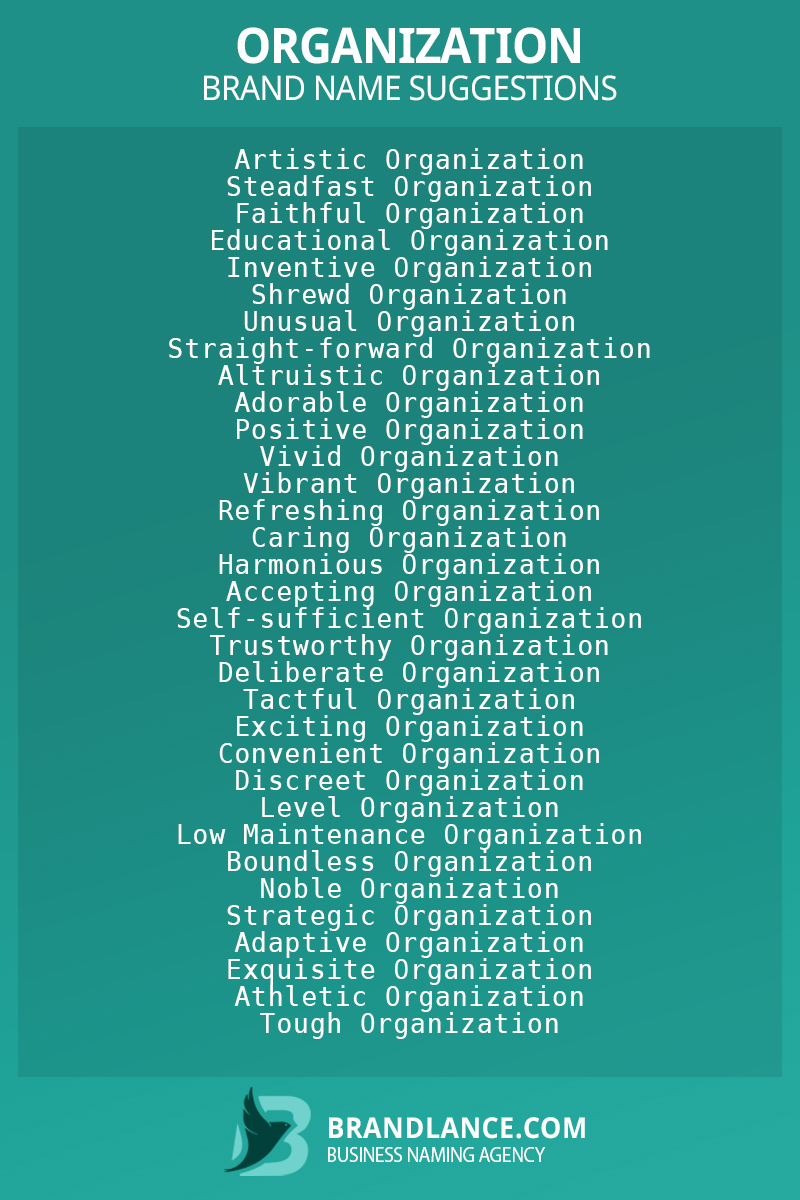
Choosing an organization name is rarely a matter of luck. It involves rigorous frameworks designed to align the name with the company’s long-term objectives. Strategists generally categorize organization names into several distinct types, each serving a different strategic goal.
Descriptive Names
Descriptive names tell the consumer exactly what the organization does. Names like “The Weather Channel” or “General Motors” leave no room for ambiguity. The advantage of a descriptive name is that it requires less marketing spend to explain the business model. However, these names can be difficult to trademark because they use common terms, and they may limit a company if it decides to pivot or expand its services in the future.
Evocative and Suggestive Names
Evocative names use metaphor and imagery to suggest a brand’s positioning rather than its literal function. “Amazon” suggests vastness and variety, while “Nike” evokes the Greek goddess of victory. These names are highly effective for building a brand “feeling.” They allow for significant business flexibility, as the name isn’t tied to a specific product category.
Abstract and Invented Names
Abstract names, such as “Exxon,” “Kodak,” or “Google,” are words created specifically for the brand. These are often considered the “holy grail” of organization names because they are unique, easy to trademark, and carry no prior cultural baggage. The challenge with invented names is that they require a substantial investment in marketing to imbue the name with meaning. Initially, an invented name is a blank slate; it only becomes valuable once the organization defines what it represents through consistent branding and performance.
Eponymous and Acronymic Names
Eponymous names are derived from the founders, such as “Disney” or “Ford.” These names humanize a corporation and lean into a legacy of craftsmanship or personal vision. Acronymic names, like “BMW” or “GE,” are often the result of an organization outgrowing a long descriptive name. While efficient, acronyms can sometimes feel cold or clinical, requiring secondary branding elements to provide warmth and personality.
The Digital and Global Impact on Naming
In the 21st century, an organization name must perform across a variety of digital platforms and international markets. The criteria for a “good” name have shifted significantly due to the constraints of the internet and the reality of global trade.
Domain Availability and Search Engine Optimization (SEO)
One of the most significant hurdles in modern naming is digital real estate. An organization name is often dictated by the availability of a matching .com domain or a cohesive social media handle. From a Brand Strategy perspective, “domain-centric naming” has become a standard practice. Furthermore, organizations must consider how their name interacts with search algorithms. A name that is too common may be buried in search results, while a unique, distinct name can dominate the first page of Google, providing an immediate competitive advantage.
Cultural Neutrality and Translation
As businesses expand globally, the organization name must be scrutinized for linguistic pitfalls. A name that sounds prestigious in one language might have an unintended or offensive meaning in another. Strategic brand naming involves “linguistic auditing” to ensure the name is easy to pronounce across different dialects and carries positive or neutral connotations in target markets. A failure to perform this due diligence can lead to costly rebranding efforts and reputational damage.
The Life Cycle of an Organization Name: When to Rebrand
An organization name is not always permanent. As companies evolve, merge, or pivot, their names may no longer accurately reflect their identity. Rebranding—the process of changing an organization name or visual identity—is a high-stakes strategic move.
Signs That a Name Needs to Change
An organization might consider a name change if the current name is too narrow (e.g., “RadioShack” in an era where radios are obsolete), if the brand has suffered a significant reputational crisis, or if a merger necessitates a new, unified identity. A successful rebrand allows a company to shed old baggage and signal a new direction to the market.
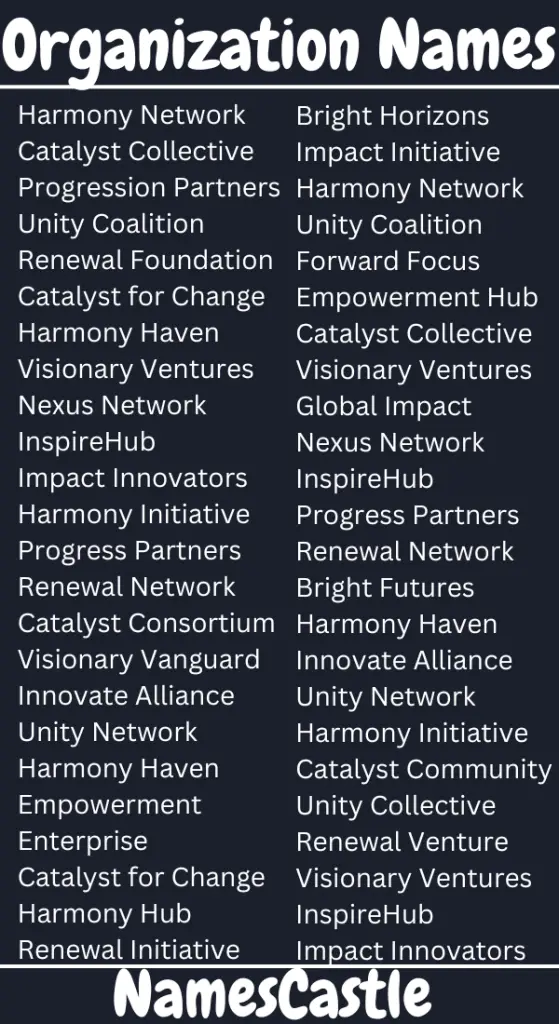
The Risks of Changing a Name
However, changing an organization name carries immense risk. It can result in the loss of brand equity, confuse existing customers, and require a massive expenditure in updated signage, legal filings, and marketing materials. A name change must be managed with a clear communication strategy that explains the “why” behind the shift, ensuring that the new name resonates as an evolution rather than a loss of identity.
In conclusion, an organization name is the DNA of a brand. It is the vessel that holds a company’s history, its current reputation, and its future aspirations. By balancing legal requirements with psychological insights and strategic frameworks, an organization can craft a name that does more than identify—it inspires, connects, and endures. In an increasingly crowded marketplace, a well-chosen name is perhaps the most valuable intangible asset a business can possess.
aViewFromTheCave is a participant in the Amazon Services LLC Associates Program, an affiliate advertising program designed to provide a means for sites to earn advertising fees by advertising and linking to Amazon.com. Amazon, the Amazon logo, AmazonSupply, and the AmazonSupply logo are trademarks of Amazon.com, Inc. or its affiliates. As an Amazon Associate we earn affiliate commissions from qualifying purchases.