
In the complex ecosystem of global commodities, few products carry as much weight, controversy, and economic significance as palm oil. However, to the seasoned investor or the business strategist, “palm oil” is an overly broad term. To truly understand the market dynamics, one must look at the specific fractions that drive the industry. At the heart of this multi-billion dollar trade is palm olein.
Palm olein is the liquid fraction obtained from the fractionation of palm oil after crystallization at controlled temperatures. While the raw product—crude palm oil (CPO)—is a thick, orange-red semi-solid at room temperature, the refining and fractionation process separates it into two distinct components: stearin (the solid part) and olein (the liquid part). From a financial and investment perspective, olein is the “liquid gold” of the sector, serving as the primary vehicle for global trade in food services, industrial manufacturing, and biofuel energy.
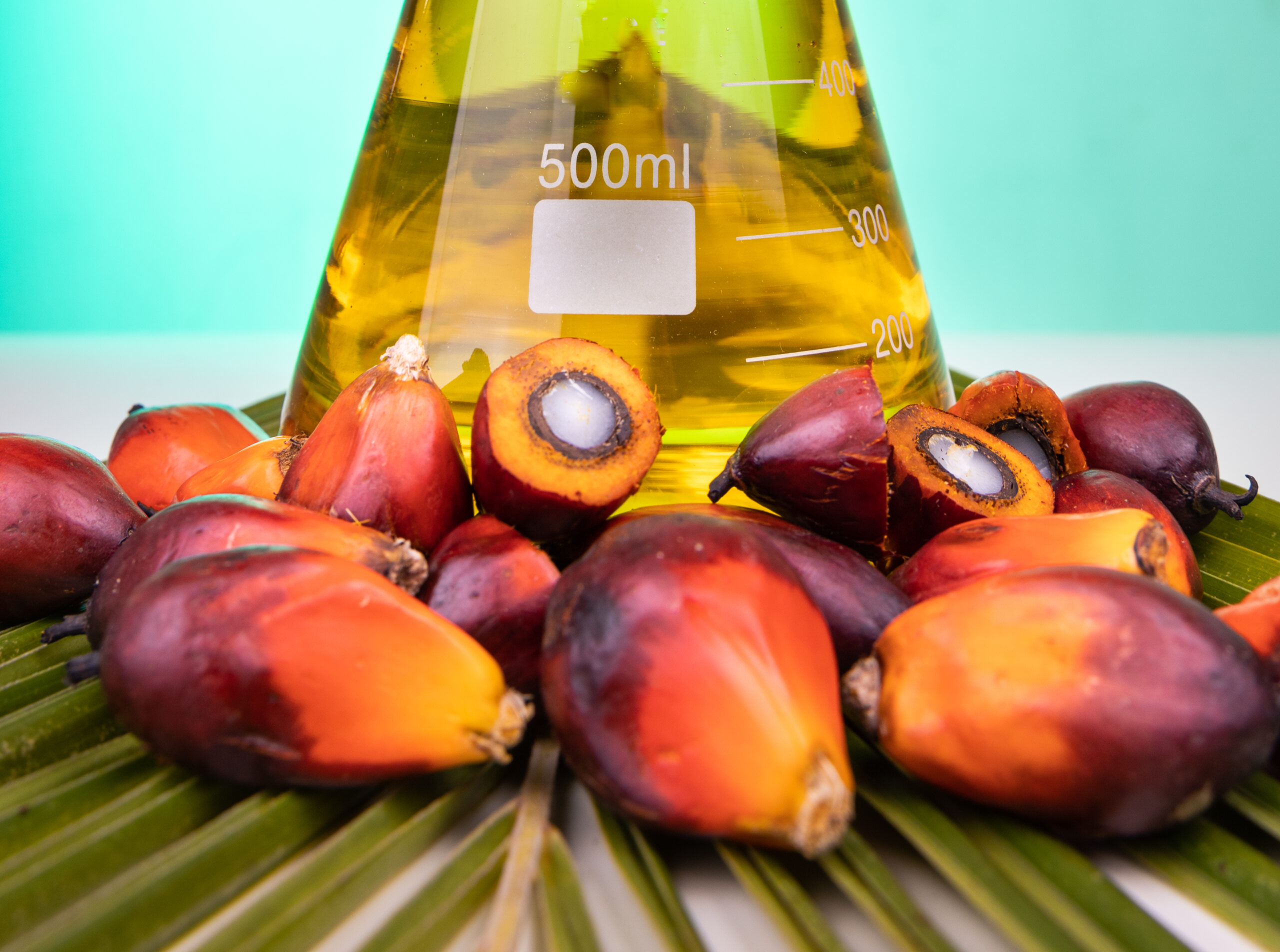
The Economics of Fractionation: Creating Value from Raw Commodities
The process of turning crude palm oil into olein is a classic example of industrial value-addition. In the world of commodity trading, margins are often razor-thin. By moving from CPO to refined, bleached, and deodorized (RBD) palm olein, producers can capture higher premiums in the international market.
Understanding the CPO-Olein Spread
For traders on the Bursa Malaysia Derivatives (BMD) or the Dalian Commodity Exchange, the “spread” between CPO and palm olein is a critical metric. Olein typically commands a higher price because it has undergone additional processing and is more versatile for the end-user. Investors track this price differential to gauge the health of the refining sector. When the spread narrows, it often indicates an oversupply of refined products or a spike in the cost of raw materials that refiners cannot pass on to consumers, signaling a potential dip in the profitability of major plantation stocks.
Industrial Utility and Market Demand
Olein’s economic dominance stems from its physical properties. It is highly stable, resistant to oxidation, and has a high smoke point, making it the preferred choice for industrial frying and food processing. Because it remains liquid in warmer climates, it is the staple cooking oil for billions of people in emerging markets such as India, China, and Indonesia. For a personal finance enthusiast or a commodity investor, this translates to “inelastic demand.” Regardless of global economic downturns, the demand for basic food calories—delivered most efficiently via palm olein—remains relatively stable, providing a defensive layer to portfolios exposed to the agricultural sector.
Investing in the Palm Oil Supply Chain: Vehicles and Strategies
For those looking to capitalize on the palm olein market, there are several avenues, ranging from direct commodity trading to equity investments in integrated plantation companies.
Commodity Futures and Hedging
The most direct way to gain exposure to palm olein prices is through futures contracts. The Bursa Malaysia is the global benchmark for palm oil pricing. Professional traders use these contracts to hedge against price volatility. For a business that relies on olein—such as a large-scale snack manufacturer—buying futures is a financial tool to lock in costs and protect profit margins from sudden spikes caused by weather patterns or geopolitical shifts.
Top-Tier Equity Opportunities
Investors often prefer “upstream” or “integrated” players. These are companies that own the land (plantations), the mills, and the refineries.
- Integrated Giants: Companies like Wilmar International, Sime Darby Plantation, and Golden Agri-Resources represent the heavyweights of the industry. These firms benefit from the entire value chain, from planting the seed to shipping refined RBD palm olein to global ports.
- Dividend Yields: Many established palm oil companies are known for consistent dividend payouts, fueled by the steady cash flow of olein sales. However, these stocks are sensitive to labor costs, fertilizer prices (often tied to natural gas prices), and export taxes imposed by the governments of Indonesia and Malaysia.
The Role of Biofuels in Market Valuation
In recent years, the “Money” aspect of olein has shifted toward the energy sector. As governments push for renewable energy mandates, palm olein is increasingly being diverted into biodiesel production. This creates a “food vs. fuel” economic tug-of-war. When crude oil prices are high, palm olein becomes a more attractive feedstock for energy, driving up the price for food manufacturers. Savvy investors monitor the Brent crude oil index alongside palm oil prices to identify arbitrage opportunities or to forecast shifts in demand.
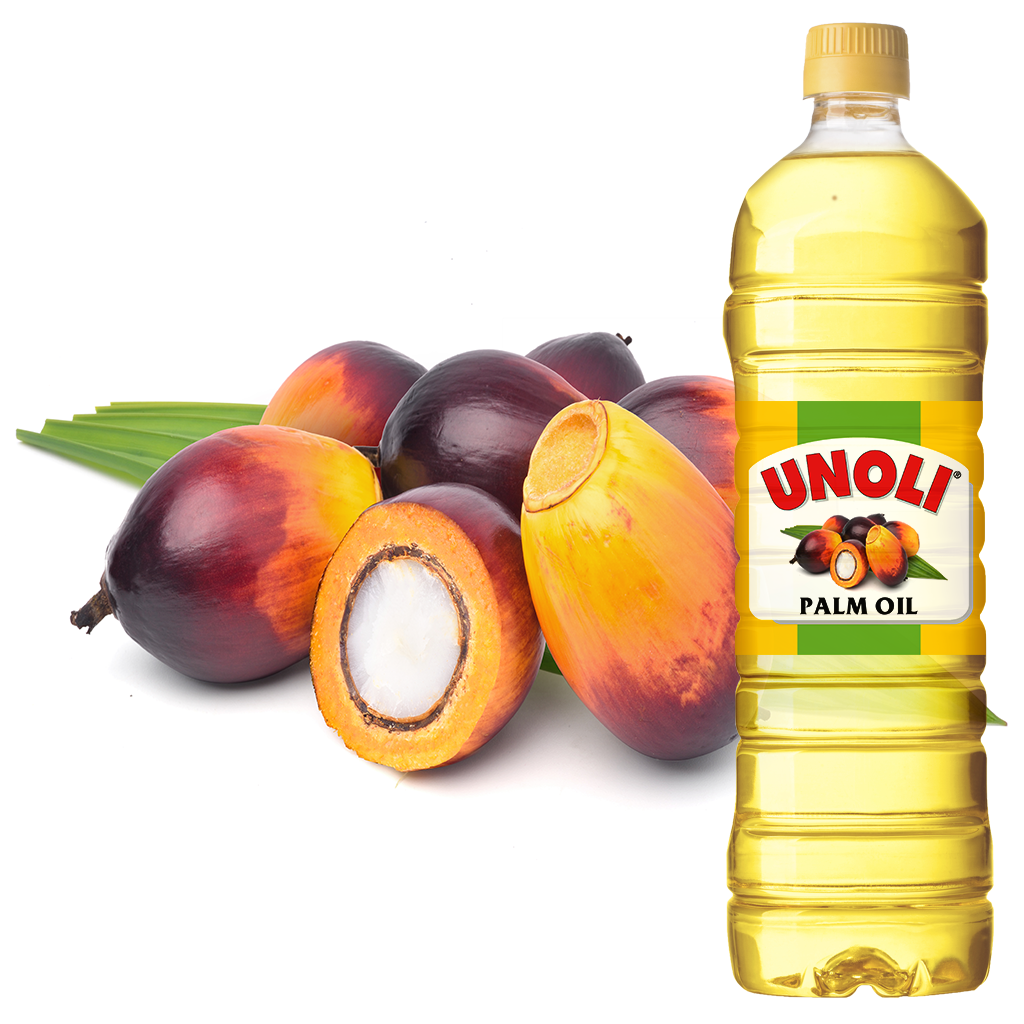
Market Drivers: Geopolitics, Climate, and Currency
The price of palm olein is not determined in a vacuum. It is a highly sensitive commodity influenced by a triad of external factors that can make or break a fiscal year for producers.
Geopolitical Policy and Export Levies
Indonesia and Malaysia account for roughly 85% of the world’s palm oil production. Consequently, their domestic policies are the single biggest drivers of olein’s market price. For instance, when Indonesia imposes an export ban to stabilize domestic cooking oil prices (as seen in 2022), global olein prices skyrocket. Investors must keep a close eye on the “Domestic Market Obligation” (DMO) policies in these regions, as they directly impact the volume of olein available for the international market and, by extension, the revenue of exporting firms.
The Climate Factor: El Niño and Supply Shocks
Palm oil yields are hyper-sensitive to rainfall. The El Niño weather phenomenon often brings droughts to Southeast Asia, stunting the growth of fresh fruit bunches. From a financial perspective, a predicted El Niño is often a “buy” signal for palm futures, as the anticipated supply crunch leads to higher prices for olein. Conversely, periods of perfect weather can lead to a supply glut, compressing margins for even the most efficient producers.
Currency Fluctuations
Palm oil is primarily priced in US Dollars on the international market, but production costs in Malaysia and Indonesia are paid in Ringgit (MYR) and Rupiah (IDR). A weakening MYR or IDR against the USD is generally beneficial for the bottom line of producers, as it makes their exports more competitive and increases their local-currency earnings. Understanding currency hedging is essential for any institutional investor looking at this space.
The ESG Factor: Risk Management and the Future of the Industry
In the modern financial landscape, you cannot talk about the money in palm oil without addressing Environmental, Social, and Governance (ESG) criteria. For years, the industry faced divestment from major Western funds due to concerns over deforestation and labor practices. However, this has created a new economic reality: the “Sustainable Premium.”
The ROI of Certification
The Roundtable on Sustainable Palm Oil (RSPO) provides certification for oil that meets specific environmental and social standards. RSPO-certified palm olein often fetches a premium price in European and North American markets. For a brand or a producer, achieving certification is no longer just a PR move; it is a financial necessity to maintain access to high-value markets and to attract capital from ESG-focused investment funds.
Regulatory Risks: The EU Deforestation Regulation (EUDR)
New regulations, such as the European Union Deforestation Regulation, pose a significant financial risk to non-compliant producers. Companies that cannot prove their olein is “deforestation-free” face being locked out of the EU market. This regulatory pressure is forcing a massive capital reallocation toward technology—such as satellite monitoring and blockchain-based traceability—to secure the supply chain. While these are upfront costs, they are seen as essential “moats” that will protect the long-term market share of leading companies.

Conclusion: The Strategic Outlook for Olein
Olein palm oil is far more than a versatile ingredient; it is a foundational pillar of the global commodity market. For the business-minded individual, it represents a unique intersection of agricultural productivity, energy policy, and emerging market growth.
As we move toward 2030, the demand for palm olein is projected to grow, driven by the expanding middle classes in Asia and Africa who require affordable, stable edible oils. While the industry faces headwinds from regulatory changes and climate volatility, the fundamental economic reality remains: there is no other vegetable oil that can match the land-use efficiency and cost-effectiveness of palm olein. For those who understand its market cycles, its refining spreads, and its geopolitical sensitivities, palm olein remains a compelling sector for building and protecting wealth in the global trade arena. In the world of finance, staying informed about these “liquid assets” is the key to navigating the volatile waters of international commerce.
aViewFromTheCave is a participant in the Amazon Services LLC Associates Program, an affiliate advertising program designed to provide a means for sites to earn advertising fees by advertising and linking to Amazon.com. Amazon, the Amazon logo, AmazonSupply, and the AmazonSupply logo are trademarks of Amazon.com, Inc. or its affiliates. As an Amazon Associate we earn affiliate commissions from qualifying purchases.