
In the high-stakes landscape of global commerce, the phrase “new wine” has transcended its viticultural origins to become a powerful metaphor for brand evolution. Within the context of brand strategy and corporate identity, “new wine” represents the infusion of disruptive ideas, modern aesthetics, and contemporary values into a business entity. However, the true challenge for any modern strategist is not just creating this new essence, but determining how to pour it into “old skins”—the legacy systems, established reputations, and existing customer bases that define a company’s history.

To understand what new wine is in a branding context, one must look at the intersection of innovation and heritage. It is the process of stripping away the obsolete while hyper-focusing on the core truth of a brand, then reimagining that truth for a digital-first, socially conscious, and experience-driven market. This article explores the mechanics of brand fermentation, the risks of legacy transition, and the strategic framework required to ensure a brand’s “new wine” doesn’t just sparkle, but matures into a market-leading vintage.
Defining the Concept: New Wine as Disruptive Innovation
At its core, new wine in branding is the strategic response to market stagnation. It is the bold decision to pivot or evolve when a brand’s current trajectory no longer aligns with consumer behavior or technological advancement. This is not merely a logo change; it is a fundamental shift in the brand’s “flavor profile”—its mission, its voice, and its value proposition.
The Intersection of Heritage and Modernity
For established brands, the heritage acts as the soil. While the soil provides the necessary nutrients and foundation, the “new wine” is the seasonal crop that must adapt to the current climate. A brand that relies solely on its history risks becoming a museum piece—admired but not utilized. Conversely, a brand that ignores its heritage to chase trends often lacks the depth and credibility required for long-term loyalty.
The “New Wine” strategy involves identifying the “immutable truths” of a brand—the qualities that made it successful in the first place—and expressing them through a modern lens. For example, a legacy luxury brand might retain its commitment to craftsmanship (the heritage) while shifting its brand identity to focus on sustainability and digital transparency (the new wine). This synergy creates a brand that feels both timeless and urgent.
Identifying the Need for a Fresh Vintage
How does a brand strategist know when it is time to produce “new wine”? The signals are often found in the gap between brand perception and market reality. When a brand’s core audience is aging out without a younger demographic to replace them, or when the competitive landscape is redefined by agile, tech-native startups, the “old wine” has likely turned to vinegar.
The need for a fresh vintage arises when:
- Brand Relevance Wanes: The brand is known, but no longer discussed or desired.
- Cultural Mismatch: The brand’s values are out of sync with contemporary social or environmental expectations.
- Technological Obsolescence: The brand’s delivery methods or engagement tools are lagging behind industry standards.
The Anatomy of a Brand Pour: Elements of Reinvigoration
Developing “new wine” requires a multi-faceted approach to brand identity. It involves a deep dive into the psychological and emotional triggers that drive modern consumerism.
Visual Semiotics and the Modern Aesthetic
In the digital age, visual identity is the first point of contact. The “new wine” of branding often manifests as a shift toward minimalism, clarity, and accessibility. This is seen in the “de-branding” trend, where complex, multi-layered logos are replaced by flat, sans-serif designs that perform better on mobile screens. However, visual reinvigoration goes deeper than typography. It encompasses a brand’s entire visual language—color palettes that evoke specific emotional responses, photography styles that prioritize authenticity over staged perfection, and motion design that breathes life into static assets.
The Narrative Shift: From Utility to Experience
If the visual identity is the label on the bottle, the narrative is the wine itself. Modern brand strategy has shifted from selling a product’s features to selling a brand’s purpose. “New wine” is characterized by a narrative that invites the consumer to be part of a story.
This shift involves moving from “What we do” to “Why we exist.” Brands that master this transition create an emotional resonance that transcends transactional relationships. They build communities, advocate for causes, and offer experiences that align with the lifestyle and aspirations of their target audience. This narrative evolution is essential for brands looking to capture the attention of Gen Z and Millennial consumers, who prioritize brand values and authenticity over mere functionality.
The Risks of the “Old Wineskins”: Why Legacy Systems Fail Innovation
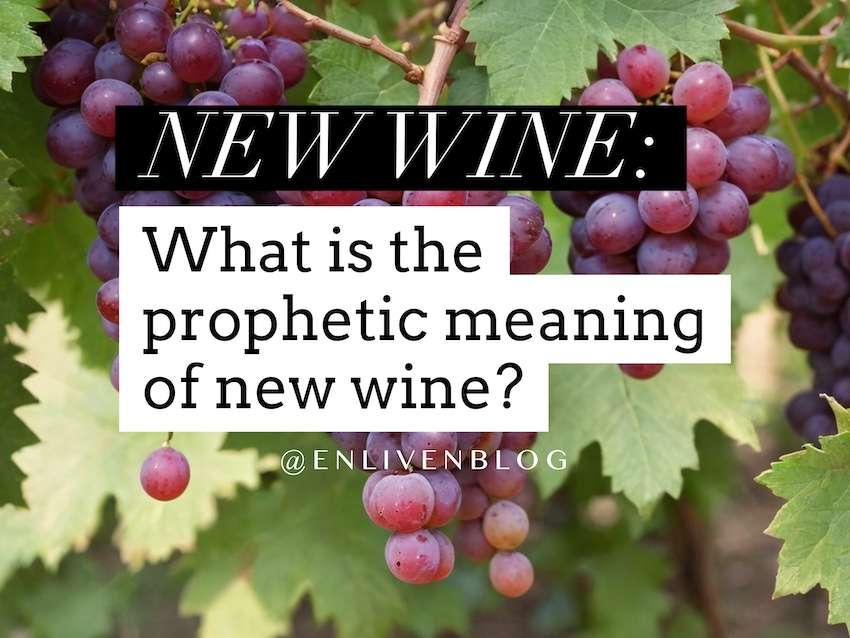
The biblical proverb warns that “new wine” should not be put into “old wineskins,” as the fermentation process will cause the old skins to burst. In brand strategy, this is a literal warning about the dangers of internal resistance and technical debt.
Internal Resistance and Cultural Inertia
A brand’s identity is not just what the public sees; it is what the employees believe. One of the most common reasons “new wine” strategies fail is because the internal culture—the old wineskin—is too rigid to accommodate the change.
If a company attempts to rebrand as innovative and customer-centric but maintains a hierarchical, slow-moving, and risk-averse internal culture, the brand will inevitably “burst.” The dissonance between the external promise and the internal reality leads to employee burnout, consumer skepticism, and a total loss of brand equity. Successful brand evolution requires a simultaneous transformation of corporate culture, ensuring that every team member understands and embodies the new identity.
Market Misalignment: When the Message Outpaces the Product
Another risk is the “Marketing-Product Gap.” This occurs when the branding team creates a world-class “new wine” narrative, but the product or service delivery remains stuck in the past. If a bank rebrands as a “digital-first, seamless financial partner” but continues to require paper forms and in-person visits for basic tasks, the brand identity collapses. The “new wine” requires new infrastructure. Strategic branding must be a holistic endeavor, where the marketing, product development, and customer service departments move in lockstep.
Strategic Implementation: Fermenting a Long-term Brand Strategy
Crafting “new wine” is a process of careful fermentation. It cannot be rushed, and it requires a disciplined framework to ensure the final product is balanced and market-ready.
Data-Driven Auditing
The first step in any brand evolution is a comprehensive audit. This involves quantitative data—market share, customer retention rates, and SEO performance—as well as qualitative insights—customer interviews, sentiment analysis, and competitive benchmarking. This data provides the “refining” process, helping strategists identify which parts of the old brand are worth keeping and which are contaminating the new batch.
Stakeholder Alignment and Vision Integration
For a “new wine” strategy to take hold, there must be total alignment at the executive level. The brand identity is the strategic North Star of the company. Every decision—from R&D investments to HR policies—must be filtered through the lens of the new brand identity. This integration ensures that the brand is not just a marketing campaign, but a fundamental business philosophy.
The Iterative Rollout
Modern branding is rarely a “big bang” event. Instead, it is an iterative process. Many successful brands use a “soft launch” approach for their new identity, testing messages and visuals on smaller segments of their audience before a global rollout. This allows for real-time adjustments based on consumer feedback, ensuring that the “new wine” is perfectly tuned to the market’s palate.
Measuring the Success of the New Vintage
Once the “new wine” has been poured, the focus shifts to monitoring its maturation. A brand strategy is only as good as its results, and in the world of modern business, those results must be measurable.
Sentiment Analysis and Brand Equity Metrics
Traditional metrics like sales and market share are important, but they are lagging indicators. To measure the health of a brand in real-time, strategists look at brand equity metrics. This includes:
- Brand Salience: How easily the brand comes to mind in a buying situation.
- Brand Sentiment: The emotional tone of social media mentions and reviews.
- Net Promoter Score (NPS): The likelihood of customers recommending the brand to others.
Positive shifts in these areas indicate that the “new wine” is resonating with the audience and building a foundation for future growth.

Market Share and the Growth Vector
Ultimately, the purpose of brand evolution is to drive sustainable growth. “New wine” should open up new market segments, increase customer lifetime value, and allow for premium pricing. If the brand transformation is successful, the company should see a shift in its growth vector—moving from defensive posturing to aggressive market expansion.
In conclusion, “new wine” in the world of brand strategy is the art of meaningful change. it is the recognition that for a brand to survive, it must be willing to reinvent itself while honoring the foundation upon which it was built. By focusing on narrative resonance, visual clarity, and cultural alignment, businesses can ensure that their brand remains a vibrant, intoxicating force in an ever-changing marketplace. The goal is not just to be new, but to be better, bolder, and more deeply connected to the pulse of the consumer.
aViewFromTheCave is a participant in the Amazon Services LLC Associates Program, an affiliate advertising program designed to provide a means for sites to earn advertising fees by advertising and linking to Amazon.com. Amazon, the Amazon logo, AmazonSupply, and the AmazonSupply logo are trademarks of Amazon.com, Inc. or its affiliates. As an Amazon Associate we earn affiliate commissions from qualifying purchases.