
In the world of marketing and brand strategy, geographic locations often serve as more than just coordinates on a map; they become the vessel for a brand’s origin story. New Bern, North Carolina, is a quintessential example of how a city’s history can be leveraged to build a global corporate identity. While many see it as a charming coastal town at the confluence of the Neuse and Trent rivers, brand strategists view New Bern as a living case study in heritage branding, civic positioning, and the power of narrative-driven marketing.
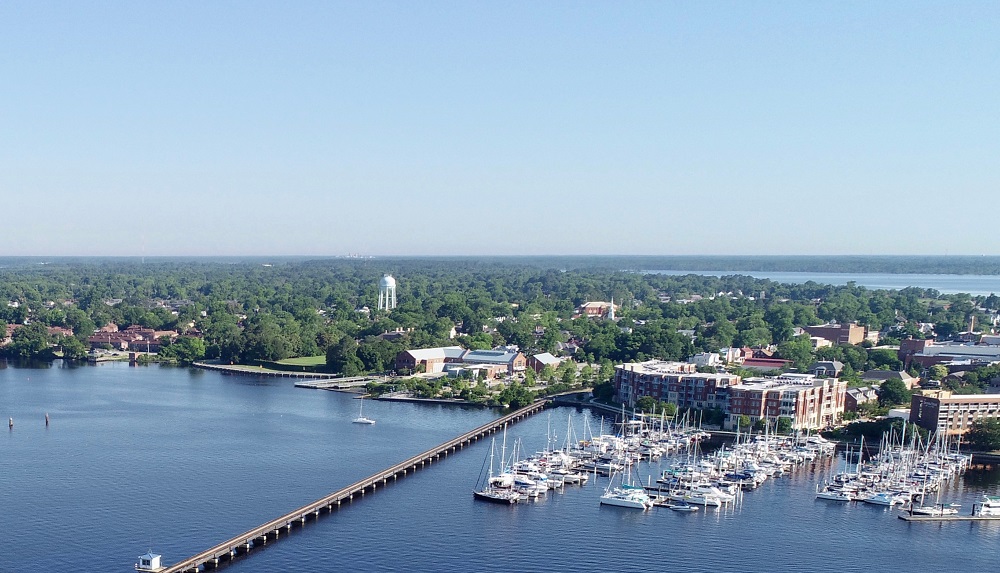
To understand what New Bern is famous for from a professional brand perspective, one must look beyond the aesthetics of its colonial streets. The city’s fame is anchored in three distinct pillars: its status as the birthplace of an international beverage giant, its unique heraldic civic identity, and its role as a prestige anchor through historical restoration.
The Birthplace of Pepsi: Leveraging the Power of the Origin Story
The most significant contributor to New Bern’s global recognition is its role as the birthplace of Pepsi-Cola. For any corporate identity, an “origin story” is a vital asset. It humanizes a massive corporation, providing a sense of authenticity and “roots” that a purely modern entity lacks.
The Caleb Bradham Legacy
In 1893, a local pharmacist named Caleb Bradham invented “Brad’s Drink” in his New Bern drugstore. By 1898, he renamed it Pepsi-Cola. From a branding standpoint, this transition represents the birth of a name that would eventually challenge Coca-Cola for global dominance. The pharmacy, located on the corner of Middle and Pollock Streets, is not merely a historical site; it is a brand touchpoint.
Heritage branding relies on the “Founding Father” archetype. Bradham is to Pepsi what Steve Jobs is to Apple. By maintaining a physical presence in New Bern, PepsiCo reinforces its narrative of being a brand born out of American ingenuity and local community. For marketers, the lesson here is clear: even as a brand scales globally, maintaining a connection to its humble beginnings creates a layer of “brand soul” that is difficult for competitors to replicate.
Converting History into Brand Equity
The “Birthplace of Pepsi” store in downtown New Bern serves as a permanent experiential marketing installation. Unlike a traditional museum, this space functions as a retail-heritage hybrid. It allows consumers to interact with the brand’s evolution, from early glass bottles to the iconic red-white-and-blue logos.
For the city of New Bern, this association provides a “halo effect.” The city captures the spillover brand equity of a multi-billion-dollar corporation. When a town becomes synonymous with a world-class brand, it elevates its own marketability to tourists and investors. This symbiotic relationship between a corporate giant and a small municipality is a rare and powerful example of place branding.
The “Bernie” Bear and Civic Identity: Branding Through Heraldic Consistency
While Pepsi dominates the corporate narrative, New Bern’s civic branding is equally sophisticated. New Bern is one of the few American cities with a visual identity that is both centuries old and remarkably consistent. The city is famous for its “Bear” motif, a brand symbol that permeates every corner of the community.
Heraldic Continuity and the Swiss Connection
New Bern was founded in 1710 by Swiss and German settlers, led by Baron Christopher de Graffenried. It was named after Bern, Switzerland, and adopted the bear from the Swiss capital’s coat of arms. In branding terms, this is an exercise in “Identity Inheritance.” By adopting the heraldic symbols of a prestigious European city, New Bern established a sense of pedigree and permanence from its inception.
The bear symbol is not just a logo; it is a unifying visual element. From the flags flying on city hall to the “Bear Town” statues scattered throughout the downtown area, the consistency of this imagery builds a strong mental association for visitors. This is the same principle used in corporate identity guides: repetition and consistency lead to recognition and trust.
Emotional Connection through Mascot Marketing
The bear statues—often painted by local artists—serve as a decentralized marketing campaign. This approach to civic branding encourages “User-Generated Content” before the term even existed. Tourists take photos with the bears and share them across social media platforms, effectively acting as brand ambassadors for the city.

By leaning into the “Bear Town” moniker, New Bern has successfully differentiated itself from other historic coastal towns in North Carolina, such as Wilmington or Beaufort. It has found its “Unique Selling Proposition” (USP) through a mascot that bridges the gap between 18th-century history and modern-day playfulness.
Tryon Palace: Restoration as Prestige Brand Positioning
A brand is often defined by its highest-tier offering. For New Bern, that offering is Tryon Palace. As the first permanent capitol of the Colony of North Carolina and the home of Royal Governor William Tryon, the palace is the crown jewel of the city’s historical brand.
Restoration as Brand Preservation
The story of Tryon Palace is a lesson in brand resurrection. The original palace burned down in the late 18th century, but it was meticulously reconstructed in the 1950s based on original architectural plans. From a brand management perspective, this was a massive capital investment in the city’s “Premium Tier” identity.
The reconstruction wasn’t just about history; it was about reclaiming a prestigious identity that would attract high-value tourism. By positioning Tryon Palace as the “Governor’s Palace,” New Bern aligned itself with the architectural and cultural prestige of places like Colonial Williamsburg. This move elevated the entire city’s brand from a simple river town to a significant cultural destination.
The Tourism Funnel and Narrative Marketing
Tryon Palace acts as the top of the “marketing funnel” for New Bern. It draws in a demographic interested in education, architecture, and high-level cultural experiences. Once these visitors are in the city, the brand strategy relies on cross-selling other local assets—the waterfront, the boutique shops, and the culinary scene.
The palace also serves as a backdrop for various events, from colonial reenactments to modern-day galas. This versatility ensures that the brand remains relevant to different audience segments. It proves that a historical brand does not have to be “static”; it can be a living, breathing part of the modern economy through clever experiential design.
The Nicholas Sparks Effect: Media-Driven Personal and Place Branding
No discussion of New Bern’s fame would be complete without acknowledging its role in modern popular culture, specifically through the works of author Nicholas Sparks. While not a corporate brand in the traditional sense, Sparks’ personal brand and the “place branding” of New Bern are inextricably linked.
Literary Landscapes as Marketing Collateral
Many of Sparks’ bestselling novels, such as The Notebook and A Bend in the Road, are set in or inspired by New Bern. This has created a phenomenon known as “Literary Tourism.” For New Bern, this is a form of passive brand marketing. The city doesn’t have to pay for the exposure; the author’s global reach does the work for them.
This creates an emotional brand layer. People do not just visit New Bern to see a palace or a soda shop; they visit to experience the “feeling” evoked by Sparks’ romanticized version of the South. This emotional resonance is the holy grail of branding. When a consumer has an emotional connection to a place (or a product), their loyalty is significantly higher.
Synergy Between Personal and Corporate Branding
The relationship between Nicholas Sparks and New Bern is a masterclass in co-branding. Sparks’ personal brand benefits from the authentic, historic backdrop of the city, while the city benefits from being associated with a globally recognized, “wholesome” romantic brand. This synergy has resulted in specialized walking tours and marketing materials that cater specifically to the “Sparks” demographic, further diversifying the city’s brand portfolio.

Conclusion: The Strategic Framework of New Bern’s Fame
New Bern, NC, is famous for its ability to weave disparate narratives—corporate, civic, historical, and literary—into a cohesive and attractive brand identity. It is a city that understands its “Assets under Management” (AUM) and knows how to market them to a global audience.
From the corporate legacy of PepsiCo to the visual consistency of the Bear Town motif, and the prestige of Tryon Palace, New Bern provides a roadmap for how a location can leverage its unique history to create a powerful modern brand. It teaches us that fame is rarely accidental; it is the result of identifying a unique story and telling it with consistency, quality, and an eye for emotional connection. Whether you are a brand strategist looking for a case study or a tourist looking for a weekend getaway, New Bern stands as a testament to the enduring power of a well-crafted identity.
aViewFromTheCave is a participant in the Amazon Services LLC Associates Program, an affiliate advertising program designed to provide a means for sites to earn advertising fees by advertising and linking to Amazon.com. Amazon, the Amazon logo, AmazonSupply, and the AmazonSupply logo are trademarks of Amazon.com, Inc. or its affiliates. As an Amazon Associate we earn affiliate commissions from qualifying purchases.