
In the rapidly evolving landscape of health technology, the phrase “what is my body type calculator” has transitioned from a casual search query into a complex engineering challenge. No longer confined to simple height-weight charts found in legacy medical journals, modern body type calculators represent a sophisticated intersection of data science, computer vision, and predictive modeling. These digital tools serve as the gateway to personalized health, leveraging complex algorithms to categorize human morphology into actionable data points. To understand the technology behind these calculators, one must look past the user interface and into the architectural frameworks that process biological metrics into digital outputs.
The Algorithmic Foundations of Morphological Software
At its core, a body type calculator is a data processing engine. While the user sees a simple form requesting measurements, the backend is performing a series of comparative analyses against established biometric datasets. The technical evolution of these tools has moved through three distinct phases of algorithmic development.
Mathematical Models and Classical Computing
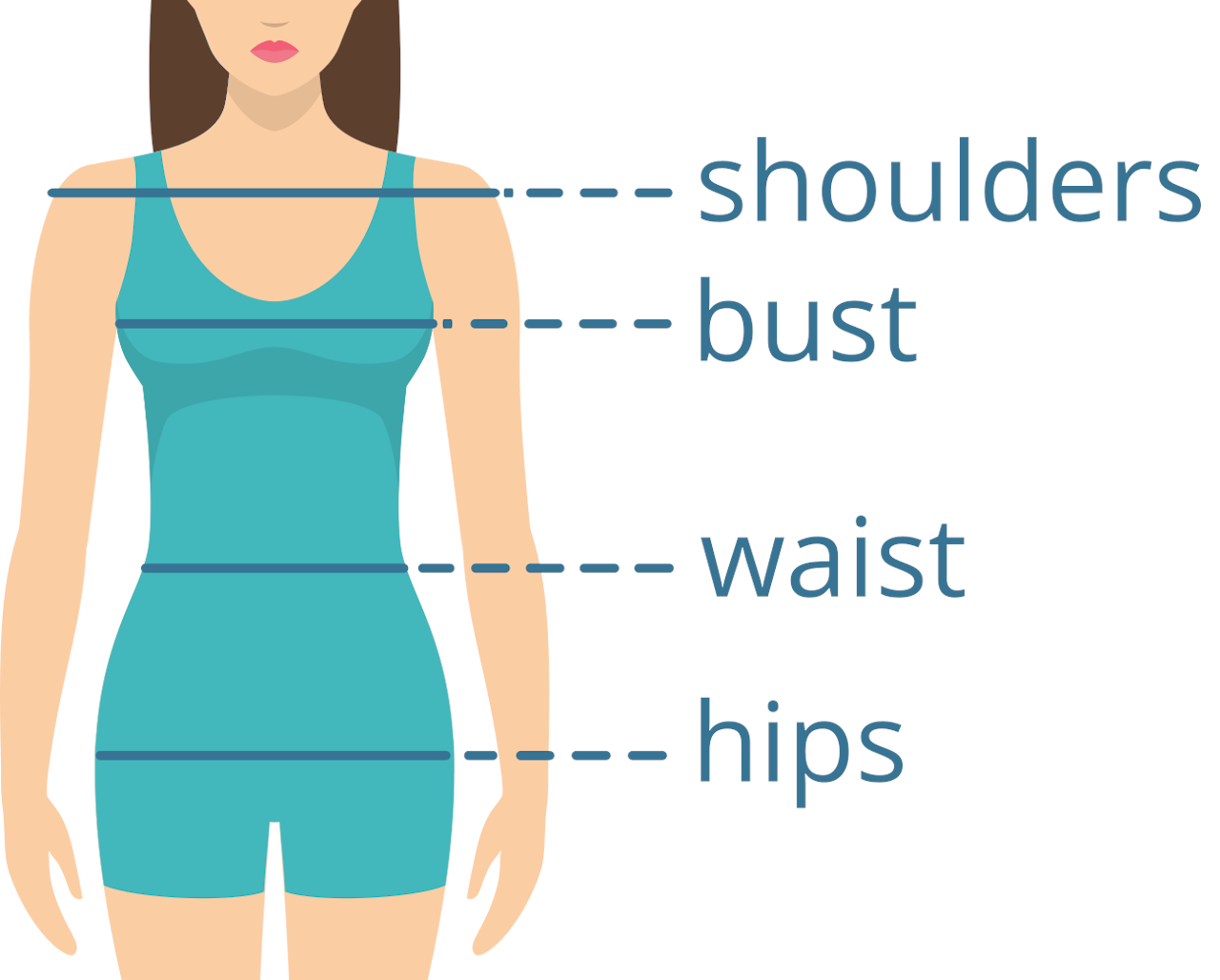
The earliest iterations of body type calculators relied on static mathematical formulas. These include the BMI (Body Mass Index) formula, the Broca Index, and the more nuanced waist-to-hip ratio (WHR) calculations. In software terms, these are “hard-coded” logic gates. For instance, an application designed to determine a “somatotype” (ectomorph, mesomorph, or endomorph) utilizes the Heath-Carter Anthropometric Somatotype method. The code processes inputs such as skinfold thickness, bone breadth, and limb circumferences through a series of linear regression equations to plot a coordinate on a two-dimensional somatochart.
Probabilistic Programming and Bayesian Networks
Modern calculators have advanced toward probabilistic models. Instead of providing a rigid classification, these tools use Bayesian inference to determine the likelihood of a specific body composition based on a wider array of variables, including age, ethnicity, and activity levels. By utilizing libraries such as PyMC3 or TensorFlow Probability, developers can build calculators that account for “noise” in user-inputted data, providing a confidence interval rather than a single, potentially erroneous data point.
The Integration of Computer Vision
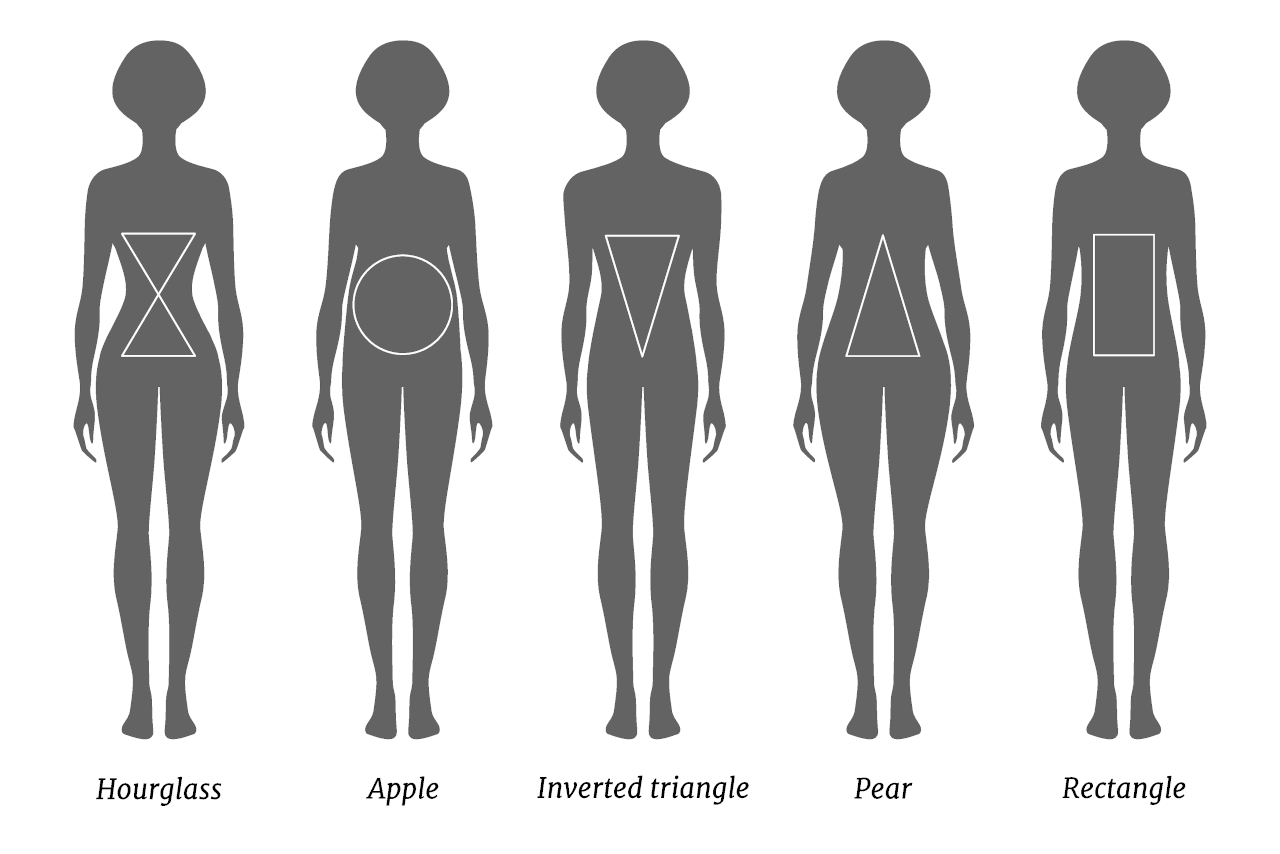
The most significant technological leap in this sector is the transition from manual input to automated visual analysis. High-end body type calculators now utilize Computer Vision (CV) to perform digital anthropometry. Using frameworks like OpenCV or MediaPipe, these applications can identify key anatomical landmarks—such as the acromion process of the shoulder or the iliac crest of the pelvis—from a single smartphone image. The software then calculates the ratios between these points to determine body shape (e.g., inverted triangle, rectangle, or hourglass) with precision that far exceeds manual tape measurements.
AI and Machine Learning in Body Type Classification
The integration of Artificial Intelligence (AI) has transformed body type calculators from descriptive tools into predictive platforms. Machine Learning (ML) models are now trained on massive datasets of 3D body scans, allowing the software to “learn” the nuances of human physical diversity.
Neural Networks for Skeletal Mapping
Convolutional Neural Networks (CNNs) are the industry standard for processing the visual data used in body type assessment. These networks are trained to recognize patterns in human silhouettes, effectively “stripping away” clothing layers in a digital environment to estimate the underlying skeletal structure and muscle-to-fat distribution. This process, known as semantic segmentation, allows the tool to isolate the body from the background, ensuring that environmental variables do not skew the technological output.
Deep Learning and Predictive Health Analytics
Beyond mere classification, AI-driven body type calculators utilize deep learning to correlate body types with long-term health trends. By processing longitudinal data, these tools can predict metabolic predispositions associated with specific morphologies. For developers, this involves training models on bioelectrical impedance data and dual-energy X-ray absorptiometry (DEXA) scans. The result is a tool that does not just tell a user “what” their body type is, but “how” that body type is likely to respond to specific stimuli, such as high-intensity interval training or various macronutrient ratios.
Cloud Computing and Latency Reduction
Because the computational load of running high-resolution 3D body modeling is significant, many modern calculators utilize a client-server architecture. The user’s device acts as the edge node, capturing data and performing initial preprocessing. The heavy lifting—the complex matrix multiplications required for AI inference—is offloaded to high-performance cloud GPUs. This ensures that the “calculator” remains responsive and fast, providing real-time feedback even when performing millions of calculations per second.
Technical Challenges: Accuracy, Calibration, and Privacy
Despite the sophistication of the hardware and software involved, creating a “perfect” body type calculator remains a significant technical hurdle. Engineers must navigate the limitations of consumer-grade hardware while maintaining rigorous data security standards.
Sensor Calibration and Environmental Variables
The primary challenge for any body type calculator is the quality of the input data. Smartphone cameras vary in focal length, lens distortion, and sensor sensitivity. To compensate for this, sophisticated applications implement “calibration routines.” This often involves the user standing next to a known object of standard size (like a credit card or a standard sheet of paper) or using the phone’s internal gyroscope and accelerometer to ensure the device is held at a perfectly vertical angle. Without these software-level corrections, the resulting body type classification would be mathematically invalid.
Data Security and Biometric Encryption
Body measurements and images are highly sensitive biometric data. The development of these tools requires a “privacy-by-design” approach. Leading tech firms in the fitness space utilize End-to-End Encryption (E2EE) for any data transmitted to the cloud. Furthermore, many calculators now perform “on-device inference” using specialized AI chips (like Apple’s Neural Engine). By processing the body type calculation locally, the raw images never leave the device, and only the resulting anonymous data points are stored, mitigating the risk of data breaches.
Overcoming Algorithmic Bias
A critical technical and ethical challenge in body type calculation is algorithmic bias. If a machine learning model is trained on a non-diverse dataset, its accuracy drops significantly when processing individuals from different demographic backgrounds. Developers must curate balanced training sets to ensure the software recognizes that “healthy” body types manifest differently across various populations. This involves implementing fairness constraints within the loss function of the neural network to penalize biased outputs during the training phase.
The Future of Digital Anthropometry and Integrated Tech
The trajectory of body type calculators is moving toward a more holistic, integrated ecosystem where body data interacts with other technological platforms. We are seeing the rise of the “Digital Twin,” a virtual 1:1 representation of a user’s body based on algorithmic calculations.
Wearable Integration and Real-time Data Streams
The next generation of calculators will not be standalone apps but features integrated into the Internet of Things (IoT). Smart mirrors equipped with LiDAR sensors and wearables that track body composition via multi-frequency bioelectrical impedance will feed constant data into the body type engine. This shifts the “calculator” from a snapshot tool to a real-time monitoring system, tracking morphological changes in response to lifestyle shifts with millimeter precision.
Virtual Try-ons and Generative Modeling
In the realm of e-commerce and design, body type calculators are merging with Generative Adversarial Networks (GANs). By accurately calculating a user’s body type, software can generate a highly realistic 3D avatar for virtual clothing try-ons. This requires the calculator to interface with physics engines—like those used in high-end video games—to simulate how different fabrics drape over specific body types. This intersection of retail tech and biometric calculation represents a multi-billion dollar industry shift toward hyper-personalization.
Advanced Bio-Simulation
Looking further ahead, the integration of body type data with genomic sequencing represents the frontier of health tech. Future calculators may process a user’s phenotype (the body type we see) alongside their genotype (their DNA). This would allow for a level of predictive modeling previously reserved for science fiction, where the “calculator” can simulate how a specific body type will age over decades, providing a roadmap for preventative technological interventions.
In conclusion, the “what is my body type calculator” is no longer a simple web form; it is a sophisticated piece of biometric software that stands at the vanguard of the digital health revolution. Through the application of AI, computer vision, and secure cloud computing, these tools are redefining how we interact with our physical selves in a digital world. As the underlying technology continues to mature, the precision and utility of these calculators will only increase, transforming raw biological measurements into the most valuable data points in the modern tech ecosystem.
aViewFromTheCave is a participant in the Amazon Services LLC Associates Program, an affiliate advertising program designed to provide a means for sites to earn advertising fees by advertising and linking to Amazon.com. Amazon, the Amazon logo, AmazonSupply, and the AmazonSupply logo are trademarks of Amazon.com, Inc. or its affiliates. As an Amazon Associate we earn affiliate commissions from qualifying purchases.