
In the competitive landscape of modern commerce, brands are constantly seeking new ways to bypass the noise of visual and auditory marketing to establish a deeper, more visceral connection with their audience. While color palettes, typography, and logos have long been the cornerstones of corporate identity, a new frontier has emerged: olfactory branding. Among the most potent tools in this sensory toolkit is musk. To understand what a musky fragrance is within the context of branding is to understand the architecture of desire, memory, and perceived value.
Musk is not merely a scent; it is a foundational element in brand strategy that communicates stability, luxury, and intimacy. By integrating musky notes into a brand’s sensory profile, companies can create a signature “olfactory logo” that lingers long after a customer has left a retail space or unboxed a premium product.
The Science and Psychology of Musk in Corporate Identity
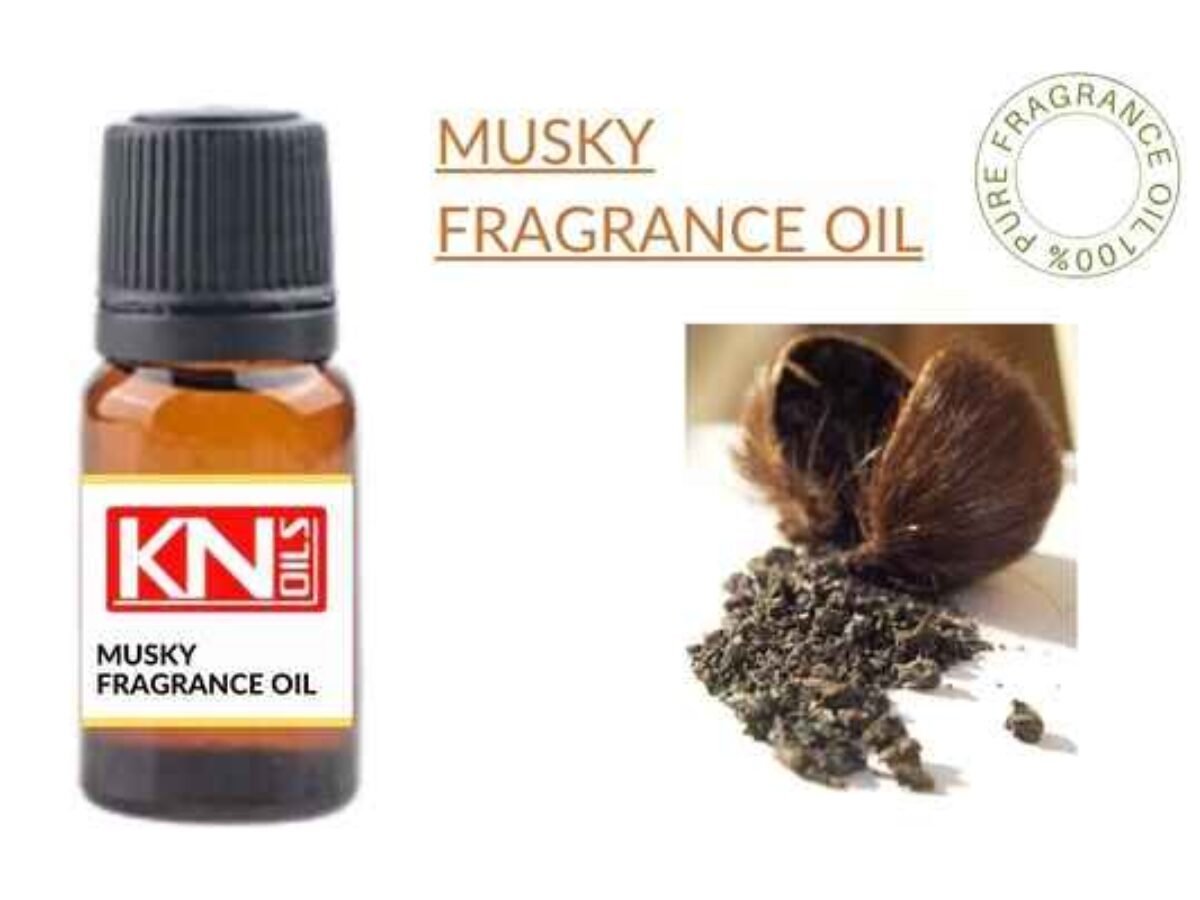
To effectively utilize musk in a brand strategy, one must first understand its unique chemical and psychological properties. Historically derived from the musk deer, modern musk is almost exclusively synthetic—developed through rigorous chemical engineering to mimic the warm, skin-like aroma of the original. In the world of brand design, this transition from natural to synthetic has allowed for a high degree of precision, enabling brand managers to calibrate the exact “vibe” of their corporate identity.
Defining Musk: From Animalic Roots to Synthetic Sophistication
In perfumery and branding, musk is classified as a base note. This means it has the highest molecular weight and the lowest volatility, allowing it to act as a fixative. For a brand, this technical property translates to longevity. When a luxury hotel or a high-end boutique uses a musky fragrance, they are ensuring that their brand identity is “fixed” in the air and on the surfaces of their environment.
The scent profile of musk is often described as “animalic,” “earthy,” and “sensual,” but modern branding typically leans toward “white musks.” These are cleaner, reminiscent of fresh laundry or skin, providing a sense of comfort and safety. From a strategic standpoint, white musk is used to build trust, while heavier, darker musks are used to project power and mystery.
Why Musk Resonates: The Biological Connection to Brand Loyalty
The sense of smell is the only human sense directly linked to the amygdala and hippocampus—the areas of the brain responsible for emotion and memory. When a consumer encounters a musky fragrance associated with a brand, they aren’t just processing a smell; they are triggering a biological response.
Musk, due to its resemblance to human pheromones, creates an unconscious feeling of familiarity. In brand strategy, familiarity is the precursor to loyalty. By utilizing musky notes, brands can tap into the “Proustian Effect,” where a specific scent triggers an intense, emotional memory of a brand experience, making the customer more likely to return.
Scent Branding: How Musky Notes Define Luxury and Authority
In the luxury sector, musk is the invisible thread that weaves together the various elements of the customer journey. It is a tool for “premiumization,” allowing brands to command higher price points by enhancing the perceived quality of their environment and products.
The “Signature Scent” as a Sensory Extension
A visual logo can be ignored, and a jingle can be muted, but scent is unavoidable. Leading global brands have recognized that a signature musky scent acts as a sensory extension of their visual identity. For example, high-end automotive brands often treat the interiors of their vehicles with specific musky and leathery notes to reinforce the brand’s heritage and the “new car” prestige.
In this context, the musky fragrance serves as a quality cue. It signals to the consumer that the brand is established, grounded, and attentive to detail. It transforms a physical product into an atmospheric experience.
Case Studies in High-End Hospitality and Retail
The hospitality industry has pioneered the use of musk as a branding tool. Major luxury hotel chains utilize proprietary musky blends dispersed through HVAC systems to create an immediate sense of arrival. The goal is for the customer to breathe in the scent and instantly associate the feelings of relaxation and exclusivity with that specific hotel brand.
Similarly, in retail brand strategy, musky scents are used to increase “dwell time.” Studies in neuromarketing have shown that customers stay longer in environments that smell pleasant and familiar. A sophisticated musky base in a retail space lowers the heart rate and creates a sense of comfort, which indirectly leads to higher conversion rates and larger average transaction values.
Musk in Personal Branding: Communicating Professionalism and Power
Beyond corporate identity, musky fragrances play a critical role in personal branding for executives, entrepreneurs, and public figures. A personal brand is a collection of perceptions, and scent is one of the most immediate ways to influence how one is perceived in a professional setting.
The Subtle Art of Executive Presence through Scent
For the professional, a musky fragrance is often used to project “gravitas.” Because musk is a base note that lingers, it suggests a personality that is consistent and reliable. In negotiations or high-stakes meetings, the subtle presence of a musky scent can reinforce an image of composure and depth.
Unlike citrus or floral notes, which are fleeting and high-energy, musk is slow-burning. This aligns perfectly with a brand identity focused on long-term vision and stability. It is the olfactory equivalent of a well-tailored navy suit—understated but undeniably powerful.
Balancing Strength and Accessibility in Professional Environments
The challenge in personal branding is choosing the type of musk. A “dirty” or overly animalic musk can be polarizing and may come across as aggressive. In contrast, a “clean” musk—often featuring notes of iris or light woods—suggests accessibility and transparency.
Strategic personal branding involves matching the scent profile to the desired professional outcome. A tech founder looking to appear innovative and approachable might opt for a light, ozonic musk. Conversely, a legal partner or a financial advisor might lean into a woody, heavy musk to communicate tradition and security.
Implementing Musk in Your Brand’s Marketing Mix
Integrating musk into a brand’s marketing strategy requires a methodical approach. It is not about simply choosing a pleasant smell; it is about choosing a scent that aligns with the brand’s core values and target demographic.
Choosing the Right Musk Profile for Your Target Audience
Different musks speak to different demographics. When designing a brand’s olfactory profile, marketers must consider:
- The Sophisticate: This audience responds to complex musks blended with rare ingredients like sandalwood or oud. It signals exclusivity and high-level brand positioning.
- The Minimalist: For brands focused on sustainability and clean design, a transparent white musk is ideal. It communicates purity and lack of clutter.
- The Traditionalist: Brands with deep heritage benefit from classic, powdery musks that evoke a sense of history and “old world” reliability.
Consistency Across Touchpoints: Beyond the Product
A successful olfactory brand strategy ensures consistency across all brand touchpoints. If a customer experiences a musky scent in a retail store, that same scent profile should be present in the product packaging, the unboxing experience, and even in corporate events.
This consistency builds a cohesive brand world. When a customer opens a package at home and encounters the same musky note they smelled in the flagship store, the brand’s presence is reinforced in their private space. This is the ultimate goal of brand strategy: to move from being a vendor to becoming a part of the consumer’s lifestyle and environment.

The Future of Olfactory Branding
As we move further into a digital-first world, the value of physical, sensory experiences will only increase. Brands that understand “what is musky fragrance” from a strategic perspective will have a significant advantage in creating meaningful, lasting connections with their audience. Musk, with its unique ability to ground a brand and evoke deep-seated emotional responses, remains one of the most effective tools for building a brand that is not just seen, but felt.
By treating scent as a core component of the brand identity—rather than an afterthought—companies can tap into the silent language of musk to communicate authority, luxury, and trust in a way that words and images alone never could. In the future of branding, the most successful identities will be those that leave a lingering impression, both in the mind and in the air.
aViewFromTheCave is a participant in the Amazon Services LLC Associates Program, an affiliate advertising program designed to provide a means for sites to earn advertising fees by advertising and linking to Amazon.com. Amazon, the Amazon logo, AmazonSupply, and the AmazonSupply logo are trademarks of Amazon.com, Inc. or its affiliates. As an Amazon Associate we earn affiliate commissions from qualifying purchases.