
In the landscape of global organizational structures, few entities carry a brand identity as distinct yet decentralized as the Missionary Baptist Church. To understand what a Missionary Baptist Church is from a brand strategy perspective, one must look beyond the theological underpinnings and analyze it as a mission-driven organization with a specific “corporate” identity, a unique market position, and a long-standing commitment to a specific value proposition: the Great Commission.
As a brand, the Missionary Baptist Church represents a legacy of autonomy, evangelism, and community-centricity. It is an identity that has survived centuries of social shifts, maintaining its core “brand pillars” while adapting its messaging to meet the needs of diverse demographics. This analysis explores the Missionary Baptist Church as a case study in brand consistency, decentralized management, and mission-oriented marketing.

The Core Identity: More Than Just a Name
The “Missionary Baptist” brand is defined by its differentiation from other Baptist traditions. In branding, differentiation is the key to carving out a niche. For this organization, the “Missionary” prefix serves as the primary brand differentiator, signaling a proactive stance on expansion and community engagement.
Historical Foundations as a Brand Pillar
Every strong brand has a “founding story.” The Missionary Baptist identity emerged in the 19th century, primarily as a response to the “Anti-Mission” movement. While some Baptist groups moved toward a more insular, “Primitive” approach, the Missionary Baptists leaned into a growth-oriented strategy. This historical pivot established the brand’s core value: that the organization does not exist solely for its current members, but for the “customer” or “prospect” (the unreached). This outward-facing posture is the cornerstone of their corporate identity.
The Distinction of “Missionary” in the Marketplace of Faith
In a crowded marketplace of ideas and institutions, the term “Missionary” acts as a functional descriptor of the brand’s primary service. It communicates that the organization is active, mobile, and focused on global and local outreach. From a brand strategy viewpoint, this clarity of purpose helps in audience segmentation. People seeking a community-focused, service-oriented, and expansionist organization find an immediate match with the Missionary Baptist label. This is a classic example of “identity branding,” where the name itself conveys the operational philosophy of the organization.
Structural Branding: The Autonomy of the Local Church
One of the most fascinating aspects of the Missionary Baptist brand is its decentralized structure. Unlike many global corporations or highly hierarchical religious organizations, Missionary Baptists operate under a model of “congregationalism.” This means each local church is an autonomous entity—effectively a “franchise” with total creative and operational control, yet bound by a shared brand name and value system.
Decentralized Brand Management
In the world of corporate identity, decentralization can often lead to “brand dilution.” However, the Missionary Baptist Church has mastered a unique balance. While there is no central “headquarters” dictating every move, there is a common “brand guidelines” manual—the Bible and the historic Baptist covenants. This allows for hyper-local branding. A Missionary Baptist Church in rural Georgia may look and feel different from one in urban Chicago, but the “brand promise” remains identical. This flexibility allows the brand to remain relevant across different cultures and socioeconomic backgrounds without losing its core identity.
Consistent Values Across Diverse Locations
The “brand equity” of the Missionary Baptist Church lies in its consistency. When a person enters a church with this name, they have specific expectations regarding the message, the mission, and the community structure. This consistency is maintained not through a corporate mandate, but through a shared “brand culture.” For organizations looking to scale, this model provides an interesting case study: how to maintain a global identity while empowering local leaders to innovate and adapt to their specific “market” needs.
Strategic Communication and Community Outreach
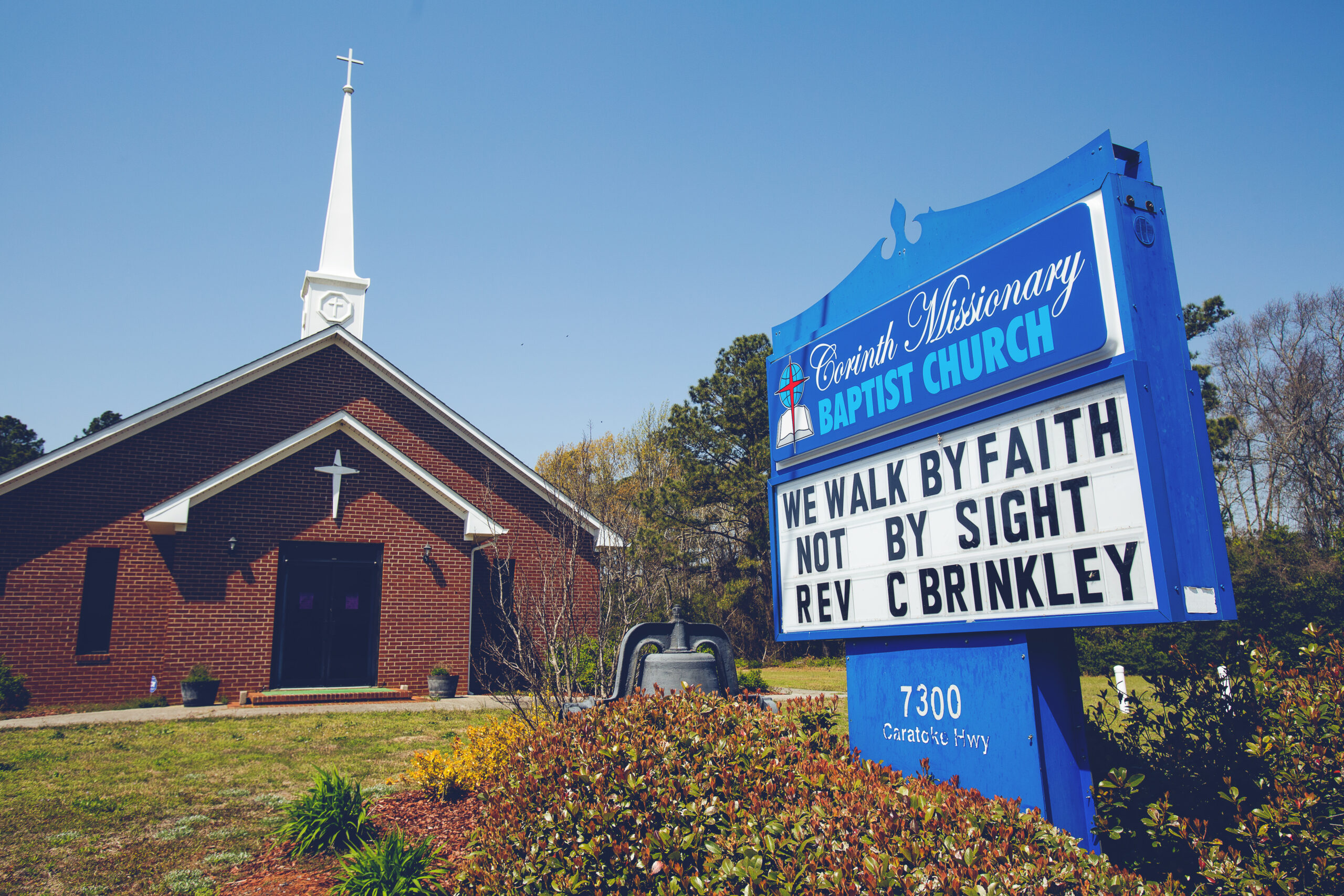
A brand is only as strong as its ability to communicate its value. The Missionary Baptist Church utilizes a multi-channel approach to engagement, focusing heavily on what would be called “relationship marketing” and “social responsibility” in the business world.
Evangelism as Brand Advocacy
In marketing terms, evangelism is the highest form of brand loyalty—when customers become advocates. The Missionary Baptist Church has built this into its very DNA. Every member is trained and encouraged to be a brand ambassador. This organic, word-of-mouth marketing is incredibly powerful. It bypasses traditional advertising and builds trust through personal connections. By viewing outreach not just as a duty but as the organization’s primary “product,” the Missionary Baptist brand maintains a constant presence in the community.
Social Responsibility and Corporate Social Identity
The Missionary Baptist Church has historically played a significant role in social justice and community development, particularly within the African American community. This has created a robust “Corporate Social Identity.” For many, the brand is synonymous with advocacy, education, and civil rights. In today’s market, consumers—especially younger generations—are drawn to brands that take a stand on social issues. The Missionary Baptist Church’s long-standing history of community involvement serves as “earned media,” providing the brand with a level of authenticity and trust that cannot be purchased through traditional marketing.
Digital Transformation of the Church Brand
In the modern era, the Missionary Baptist Church has had to navigate the transition from a purely physical presence to a digital-first world. This has required a modernization of the traditional image to appeal to a tech-savvy audience while preserving the “legacy” feel of the brand.
Modernizing the Traditional Image
Many Missionary Baptist churches have embraced a “rebranding” effort that involves updating visual identities—logos, websites, and social media presence. The challenge has been to maintain the “traditional” brand equity (trust, history, stability) while signaling “innovation” (accessibility, modern communication). High-quality video production of services, interactive mobile apps for tithing and engagement, and a strong presence on platforms like Instagram and YouTube have become essential tools for brand maintenance.
Engagement in the Digital Age
The “missionary” aspect of the brand has found a new frontier in the digital space. “Digital missions” allow the brand to reach a global audience without geographical constraints. This is the equivalent of an “omnichannel retail strategy,” where the experience is seamless whether the “user” is attending a physical service or watching a livestream. By leveraging digital tools, the Missionary Baptist Church is able to track engagement, gather data on community needs, and refine its messaging in real-time, much like a modern marketing agency.
The Future of the Missionary Baptist Brand
As demographics shift and the “marketplace” of beliefs becomes even more fragmented, the Missionary Baptist brand faces the challenge of sustaining relevance. The future of the brand depends on its ability to leverage its core strengths while remaining agile.
Sustaining Relevance in a Changing Demographic
To attract younger generations, the Missionary Baptist brand must continue to emphasize its “authenticity” and “purpose-driven” nature. Gen Z and Millennials value transparency and social impact—two areas where the Missionary Baptist Church has significant brand equity. By highlighting these aspects of their identity, the church can position itself as a modern solution to the timeless need for community and meaning.

Preservation of Core Values
Ultimately, the longevity of any brand depends on its refusal to compromise on its “North Star.” For the Missionary Baptist Church, this is the commitment to the missionary spirit. As long as the organization remains focused on its primary mission, its brand identity will remain strong. In branding, there is a concept called “Brand Soul”—the intangible essence that makes an organization unique. The Missionary Baptist brand soul is rooted in service, outreach, and the belief that growth is always possible.
In conclusion, a Missionary Baptist Church is not just a place of worship; it is a highly evolved organizational brand. It is an entity that balances the stability of a legacy brand with the agility of a decentralized network. Through its focus on mission-driven identity, local autonomy, and community-centric communication, it provides a powerful example of how an organization can build a lasting, impactful brand that resonates across generations. Whether viewed through the lens of history or modern marketing, the Missionary Baptist name stands as a symbol of purposeful growth and unwavering identity.
aViewFromTheCave is a participant in the Amazon Services LLC Associates Program, an affiliate advertising program designed to provide a means for sites to earn advertising fees by advertising and linking to Amazon.com. Amazon, the Amazon logo, AmazonSupply, and the AmazonSupply logo are trademarks of Amazon.com, Inc. or its affiliates. As an Amazon Associate we earn affiliate commissions from qualifying purchases.