
In the contemporary beauty and personal care landscape, the question “what is lip oil used for” transcends simple product functionality. From a brand strategy perspective, lip oil represents one of the most successful examples of category hybridity in the last decade. It is not merely a cosmetic tool; it is a strategic instrument used by brands to navigate the intersection of skincare and color cosmetics, a territory increasingly defined by the “clean beauty” movement and the rise of the “skintellecutal” consumer.
For a brand, the launch of a lip oil serves a specific set of corporate objectives: it bridges the gap between high-frequency utility and luxury aspiration. While the consumer uses it for hydration and shine, the brand uses it to capture market share in a saturated environment where traditional lipsticks and heavy glosses have seen fluctuating demand. To understand what lip oil is used for, one must look past the formula and into the strategic architecture of modern brand building.

The Evolution of Lip Oil: From Niche Formulation to Brand Powerhouse
The primary strategic use of lip oil in a brand’s portfolio is to establish a presence in the “functional beauty” sector. Historically, the lip category was bifurcated: you had lip balms (utilitarian, pharmacy-grade, low margin) and lip glosses/lipsticks (aesthetic, high-fashion, higher margin). Lip oil emerged as a disruptive third category that synthesized these two ends of the spectrum.
Defining the Hybrid Identity
From a brand strategy standpoint, lip oil is used to communicate a specific brand identity: one that values health as much as aesthetics. By positioning a product as an “oil” rather than a “gloss,” a brand immediately signals a shift in ingredients and intent. Oils are associated with deep nourishment, organic origins, and high-performance skincare. This allows a brand to charge a premium price point that would be difficult to justify for a standard lip balm, effectively elevating the brand’s perceived value through strategic naming and ingredient focus.
Bridging the Gap Between Skincare and Color Cosmetics
Brands use lip oil to tap into the “skinification” of makeup. This trend involves infusing traditional color products with skincare benefits. When a brand develops a lip oil, they are targeting a consumer segment that is increasingly wary of heavy silicones and synthetic waxes. By utilizing lip oil as a gateway product, brands can transition their existing skincare loyalists into their color cosmetics line, or vice versa. It serves as a versatile “bridge” in a product ecosystem, ensuring that the brand remains relevant regardless of whether the consumer is in a “no-makeup” phase or a “full-glam” cycle.
Strategic Product Placement: How Brands Use Lip Oil to Capture Gen Z
The demographic shift toward Gen Z and younger Millennials has forced a total reevaluation of brand marketing. In this context, lip oil is used as a primary tool for digital engagement and aesthetic alignment. It is the quintessential product for the era of short-form video content, where “sensory marketing” and “unboxing experiences” drive conversion.
The “Clean Girl” Aesthetic and Minimalist Branding
The “clean girl” aesthetic—characterized by dewy skin, slicked-back hair, and a natural glow—has become a dominant cultural force. Brands use lip oil to anchor themselves within this movement. Because lip oil provides a non-sticky, high-shine finish that looks effortless, it fits perfectly into the minimalist branding strategies currently favored by market leaders like Glossier, Rhode, and Summer Fridays. The product is used by brands to project an image of “attainable luxury”—it is a small, portable item that carries significant social currency.
Social Media Virality and the “Hero Product” Strategy
In the digital economy, a brand is often defined by its “hero product”—the one item that goes viral and introduces the brand to millions. Lip oils are uniquely suited for this role. The visual of the oversized doe-foot applicator, the thick yet clear viscosity of the liquid, and the immediate “before and after” effect on camera make it highly “scroll-stopping.” Brands strategically use the lip oil category to generate organic user-generated content (UGC). When a consumer asks, “what is lip oil used for?” on social media, they are often met with a barrage of lifestyle content that associates the product with self-care, status, and contemporary style, rather than just lip hydration.
Differentiation Strategy: Lip Oil vs. The Saturated Lip Gloss Market
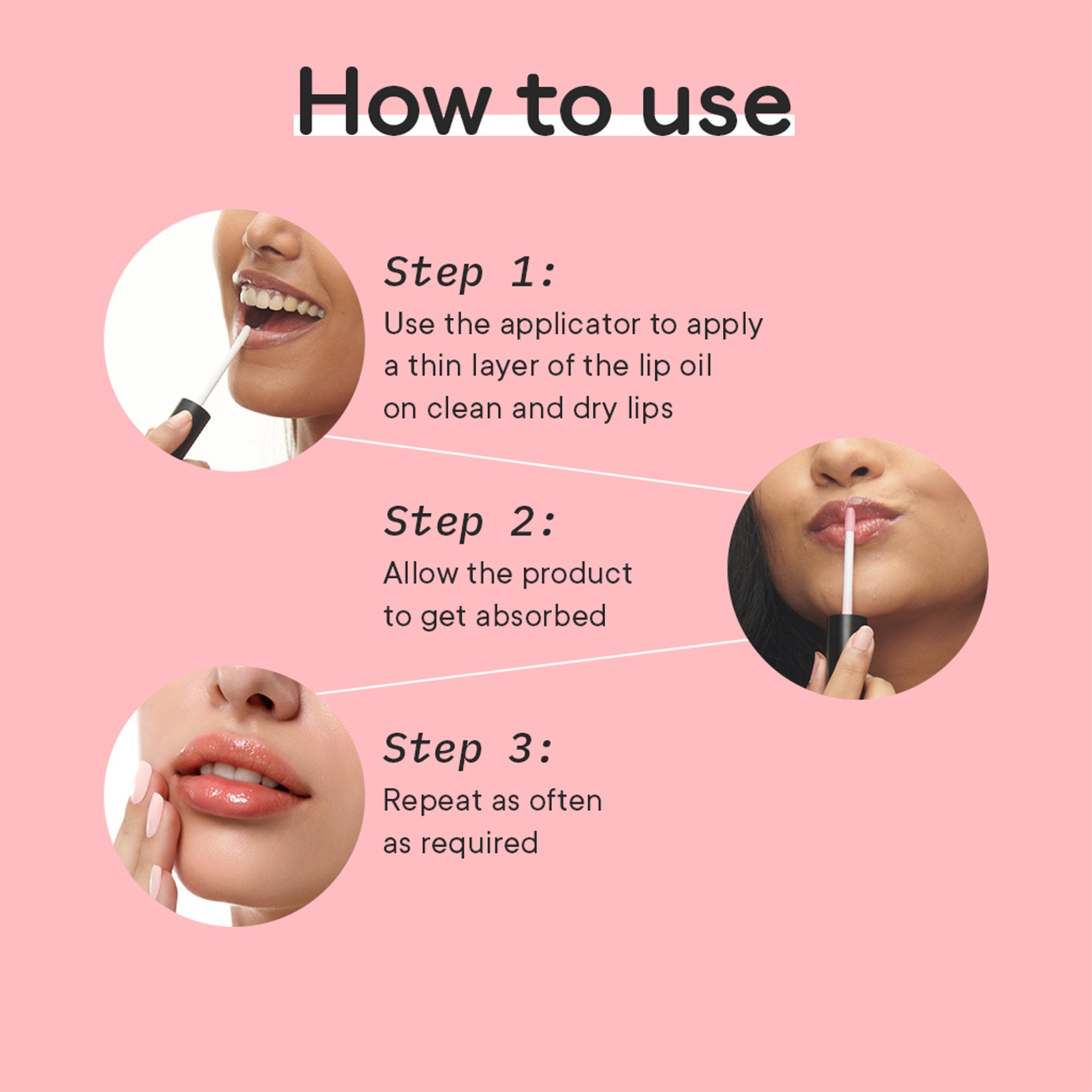
One of the most critical uses of lip oil in corporate strategy is differentiation. The lip gloss market is one of the most crowded in the beauty industry. To stand out, brands must offer a distinct sensory experience and a unique value proposition.
Texture and Sensory Experience as a Brand USP
The “stickiness” of traditional lip gloss has long been a point of consumer friction. Brands use lip oil to solve this problem, marketing the “slip” and “comfort” of the formula as a Unique Selling Proposition (USP). This is a masterclass in brand positioning: taking a common complaint about an existing category and launching a “new” category that promises to solve it. By focusing on the sensory experience—the way the oil feels upon application—brands create a more emotional and physical connection with the consumer, which is essential for building long-term brand loyalty.
Ingredient Transparency and the Rise of “Skintelligence”
Modern brands use lip oil to showcase their commitment to ingredient quality. Highlighting oils like jojoba, almond, raspberry seed, and camellia allows a brand to engage in “storytelling through ingredients.” This is particularly effective for “clean” and “vegan” brands that need to prove their efficacy without using traditional petroleum-based ingredients. In this sense, lip oil is used as a canvas to display the brand’s R&D capabilities and its alignment with the values of the conscious consumer. It turns a simple lip product into a statement of the brand’s ethical and scientific standards.
Case Studies: Brands That Redefined Their Identity Through Lip Oil
To see how lip oil is used strategically, one only needs to look at the market leaders who have successfully navigated this space.
Luxury Market Positioning: Dior and Clarins
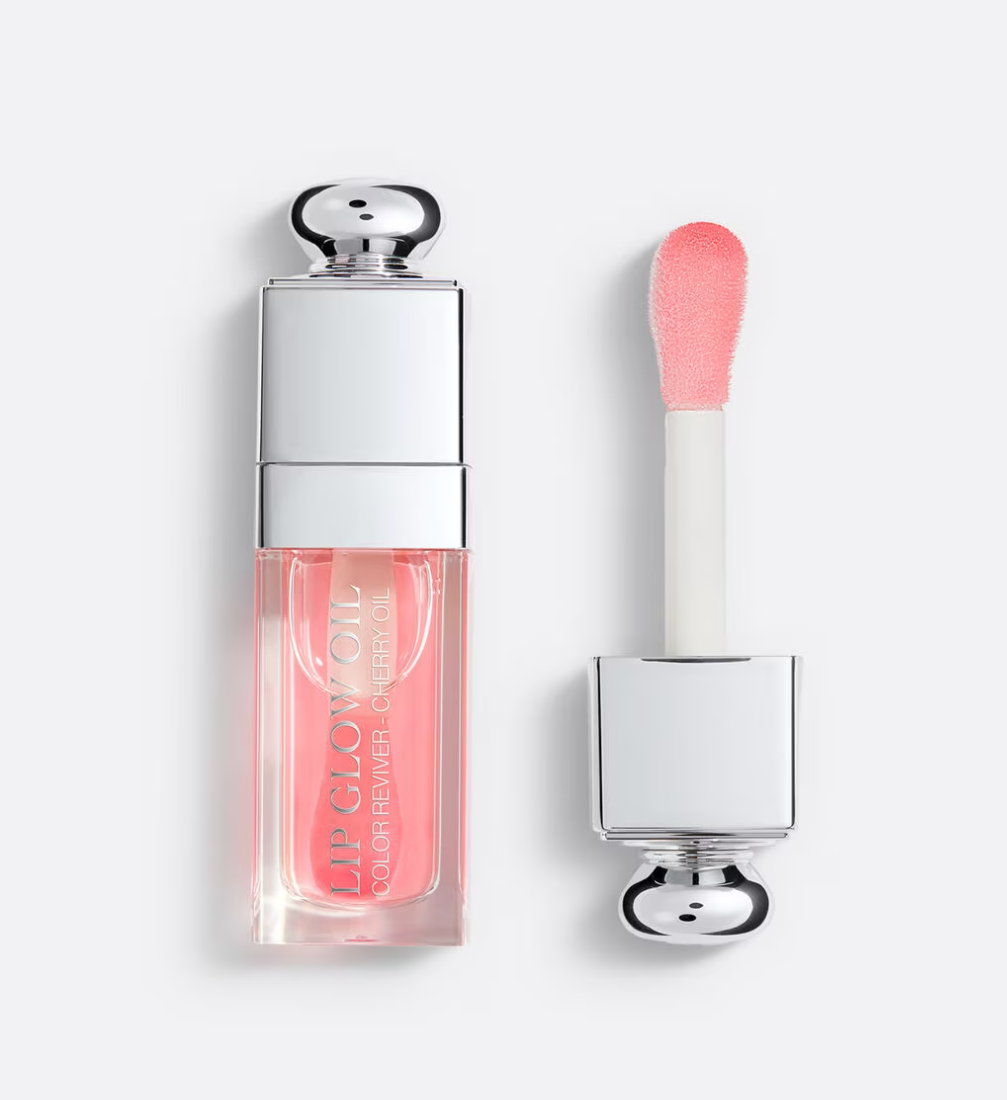
Clarins was a pioneer in the lip oil space, using it to reinforce their identity as a botanical-based skincare brand. For them, the lip oil was a natural extension of their face and body oils. Dior, on the other hand, used the Lip Glow Oil to revolutionize luxury lip care. By combining the prestige of the Dior brand with a high-performance, aesthetically pleasing oil formula, they created a product that felt both exclusive and essential. For these luxury houses, lip oil is used to maintain a high-entry price point while offering a product that consumers feel they will use every single day, thus lowering the “cost per use” in the consumer’s mind.
The Disruptors: Fenty Skin and Versed
Affordable and “masstige” brands use lip oil to disrupt the market by offering high-end formulations at an accessible price. Fenty Skin, for example, used its Cherry Treat Lip Oil to merge the worlds of celebrity branding, high-antioxidant skincare, and street-style aesthetic. By doing so, they broadened their brand’s appeal, reaching consumers who might find traditional luxury brands inaccessible but who still crave the “premium” experience of a well-formulated oil.
The Future of Lip Oil in Portfolio Management and Brand Longevity
As the market matures, the way brands use lip oil is evolving. It is no longer just about the initial launch; it is about portfolio depth and sustained relevance.
Seasonal Variations and Limited Editions
Brands are now using lip oil to drive seasonal growth. By introducing limited-edition scents, tints, or “flavor drops,” they create a sense of urgency and collectability. This strategy turns a functional product into a “collectible” item, encouraging repeat purchases and increasing the Customer Lifetime Value (CLV). The lip oil becomes a flexible platform for brand experimentation, allowing companies to test new color palettes or scent profiles with relatively low risk.
Sustainability and the Circular Brand Identity
The next frontier for lip oil usage in brand strategy is sustainability. As consumers demand more eco-friendly options, brands are using the lip oil category to debut refillable packaging and bio-based formulas. Because lip oils are often perceived as “natural,” they are the ideal vehicle for a brand to demonstrate its commitment to the planet. Refillable lip oil components are becoming a hallmark of forward-thinking brand design, signaling that the company is invested in the future of the industry.
In conclusion, when we ask “what is lip oil used for,” the answer lies in its multi-faceted role as a strategic brand asset. It is used to signal luxury, to bridge the gap between skincare and makeup, to capture the attention of digital-native demographics, and to differentiate a brand in a hyper-competitive market. For the consumer, it is a tool for comfort and shine; for the brand, it is a sophisticated vehicle for storytelling, market positioning, and sustained economic growth.
aViewFromTheCave is a participant in the Amazon Services LLC Associates Program, an affiliate advertising program designed to provide a means for sites to earn advertising fees by advertising and linking to Amazon.com. Amazon, the Amazon logo, AmazonSupply, and the AmazonSupply logo are trademarks of Amazon.com, Inc. or its affiliates. As an Amazon Associate we earn affiliate commissions from qualifying purchases.