
In the rapidly evolving landscape of medical technology (MedTech), the intersection of mechanical engineering and human biology has birthed some of the most innovative solutions to chronic health issues. Among these advancements, LINX surgery stands out as a premier example of how hardware innovation—specifically magnetic resonance and metallurgical engineering—is disrupting traditional surgical methodologies. While many view surgery as a purely biological intervention, the LINX Reflux Management System is, at its core, a sophisticated piece of hardware designed to fix a mechanical failure within the human body.
Gastroesophageal Reflux Disease (GERD) is often treated with lifelong pharmaceutical regimens or invasive anatomical reconstructions. However, the LINX system introduces a “plug-and-play” hardware solution to the digital age of medicine. By utilizing a small ring of titanium beads with magnetic cores, this technology provides a dynamic, responsive augmentation to the human digestive system. Understanding what LINX surgery is requires a deep dive into the materials science, the physics of magnetism, and the technological shift toward minimally invasive, device-based healthcare.
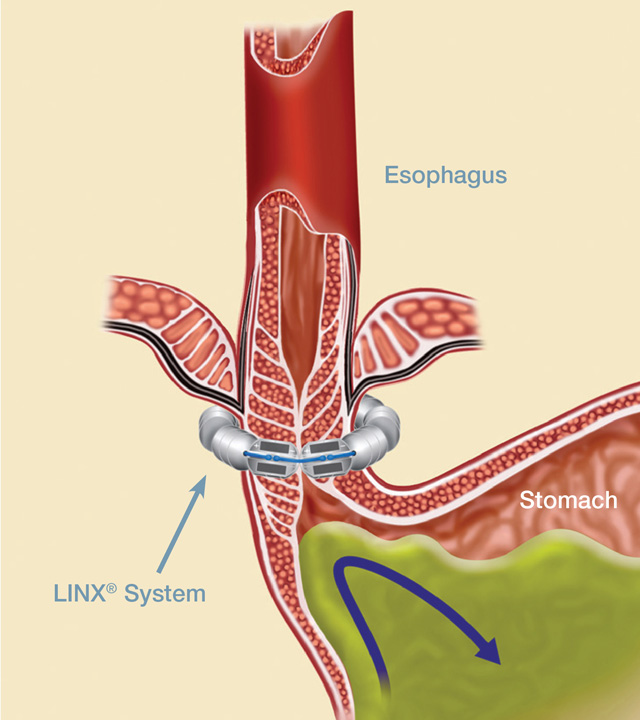
The Hardware: Anatomy of the LINX Device
The LINX device is not a pharmaceutical product; it is a precision-engineered implant. To understand the technology, one must look at the specific components that make the device both functional and biocompatible.
Metallurgical Engineering and Biocompatibility
The exterior of each bead in the LINX ring is constructed from medical-grade titanium. Titanium is the gold standard in the tech-heavy field of implants because of its high strength-to-weight ratio and its inert nature within the human body. It resists corrosion from bodily fluids and integrates seamlessly without triggering the aggressive immune responses that other alloys might. This ensures that the device can remain functional for decades—a critical requirement for any long-term hardware installation in a biological environment.
The Magnetic Core and Physics of Attraction
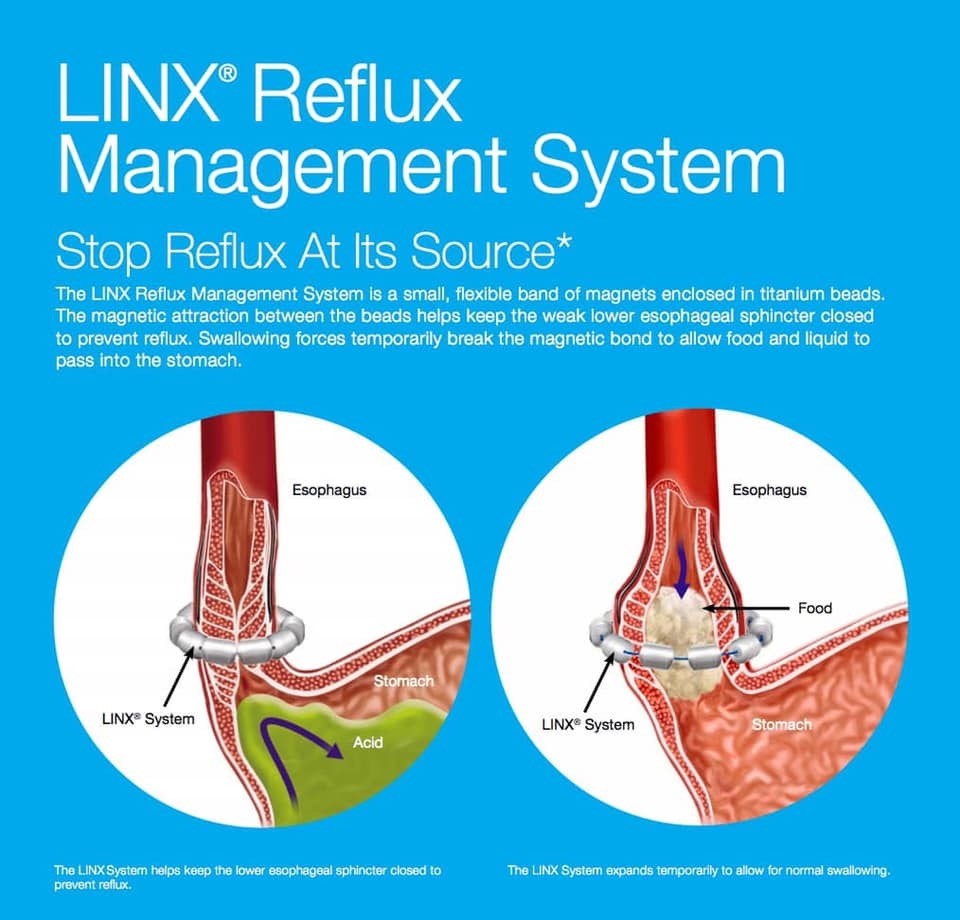
Inside each titanium bead lies a permanent Neodymium-iron-boron magnet. These magnets are the “processors” of the device, providing the necessary force to keep the lower esophageal sphincter (LES) closed during periods of rest. The engineering challenge addressed here is one of balance. The magnetic attraction must be strong enough to resist the upward pressure of gastric acid (preventing reflux) but weak enough to be overcome by the physical force of a swallow.
When a person eats, the bolus of food creates internal pressure that exceeds the magnetic bond between the beads. The ring expands, sliding along independent titanium wires to increase its circumference, allowing food to pass into the stomach. Once the food has passed, the magnetic force automatically snaps the beads back into a closed position. This is a purely mechanical, passive system that requires no external power source, no batteries, and no software updates, making it a masterpiece of simplified, reliable tech design.
The Procedural Tech: Laparoscopy and Robotic Integration
The implementation of the LINX device is as much a feat of surgical technology as the device itself. Unlike traditional open surgeries of the past, LINX surgery utilizes advanced laparoscopic and often robotic-assisted platforms to ensure precision and minimal recovery time.
Minimally Invasive Surgical Platforms
LINX surgery is performed through a series of micro-incisions, usually no larger than a centimeter. This is made possible by high-definition fiber-optic cameras and specialized surgical instruments that act as extensions of the surgeon’s hands. In the tech world, this is akin to remote-access troubleshooting. The surgeon uses a “tele-presence” approach to visualize the esophageal junction in 4K resolution, ensuring that the device is sized and placed with sub-millimeter accuracy.
Sizing and Diagnostic Calibration
Before the device is implanted, a specialized sizing tool—another piece of proprietary hardware—is used to measure the outer diameter of the esophagus. This is a critical data-collection phase. If the ring is too small, it can cause dysphagia (difficulty swallowing); if it is too large, it will fail to prevent reflux. The LINX system comes in various sizes (number of beads), allowing for a customized fit based on the patient’s specific anatomical data. This move toward personalized, data-driven implant sizing represents the broader trend in MedTech toward “bespoke” hardware solutions.
Disrupting Traditional Methods: Hardware vs. Software Solutions
In the world of GERD treatment, the “legacy system” is the Nissen Fundoplication. This procedure involves wrapping the top of the stomach around the esophagus to create a new valve. In tech terms, the Nissen Fundoplication is a “software hack”—it reconfigures existing biological “code” (tissue) to perform a function it wasn’t originally designed for. While effective, it is often irreversible and can lead to side effects like the inability to belch or vomit.
The Reversibility Factor
The LINX system, being an external hardware addition, offers a level of reversibility that traditional surgery cannot match. Because it does not involve the permanent alteration of the stomach’s anatomy, the device can be removed if a better version of the technology becomes available or if the patient’s needs change. In the tech industry, this is known as “modular design.” It allows for future upgrades and ensures that the user isn’t locked into a single, permanent configuration.
Recovery and Digital Monitoring
Because the procedure is minimally invasive and the device starts working the moment it is implanted, the recovery trajectory is significantly faster than traditional methods. Post-operative care often involves digital health apps and remote monitoring tools where patients log their meal types and swallowing ease. This data is then analyzed by clinical teams to ensure the hardware is integrating correctly. This feedback loop between the physical implant and digital monitoring is a hallmark of modern 21st-century healthcare.
The Future of MedTech and Smart Implants
The LINX device is part of a broader movement toward “smart” implants. While the current generation of LINX is a passive magnetic device, it paves the way for the next iteration of bio-electronic medicine.
Integration with IoT and Bio-Sensing
As we look toward the future of technology, the potential for integrating sensors into devices like the LINX ring is immense. Future iterations could theoretically include micro-sensors that monitor pH levels in the esophagus in real-time, transmitting that data via Bluetooth to a smartphone app. This would allow patients and doctors to see exactly how the device is performing under different dietary conditions, turning a passive mechanical tool into an active data-collection node within the “Internet of Bodies.”
Compatibility with Advanced Imaging (MRI)
One of the primary technical hurdles for magnetic implants has been compatibility with Magnetic Resonance Imaging (MRI). Older versions of the LINX device were limited in the strength of MRI they could withstand. However, constant hardware iterations have led to newer models that are safe for 1.5-Tesla and even 3.0-Tesla scanners. This evolution demonstrates the ongoing “patch cycles” in MedTech hardware, where engineering flaws are identified and solved through iterative design and material testing.

Conclusion: The New Standard in Medical Gadgetry
LINX surgery represents a shift in how we perceive medical treatment. It moves us away from the chemical-heavy approach of the 20th century and toward a hardware-centric, mechanical engineering model. By viewing the body as a system of physical valves, pressures, and conduits, engineers have developed a “gadget” that solves a biological problem with elegant physics.
For those in the tech and engineering sectors, LINX is a fascinating case study in how magnetism, metallurgy, and minimally invasive platforms can converge to improve human quality of life. It isn’t just a surgery; it is the installation of a high-performance mechanical valve designed to restore the body’s “factory settings” through the power of modern MedTech innovation. As we continue to bridge the gap between silicon and carbon, devices like the LINX system serve as the blueprint for the future of internal hardware.
aViewFromTheCave is a participant in the Amazon Services LLC Associates Program, an affiliate advertising program designed to provide a means for sites to earn advertising fees by advertising and linking to Amazon.com. Amazon, the Amazon logo, AmazonSupply, and the AmazonSupply logo are trademarks of Amazon.com, Inc. or its affiliates. As an Amazon Associate we earn affiliate commissions from qualifying purchases.