
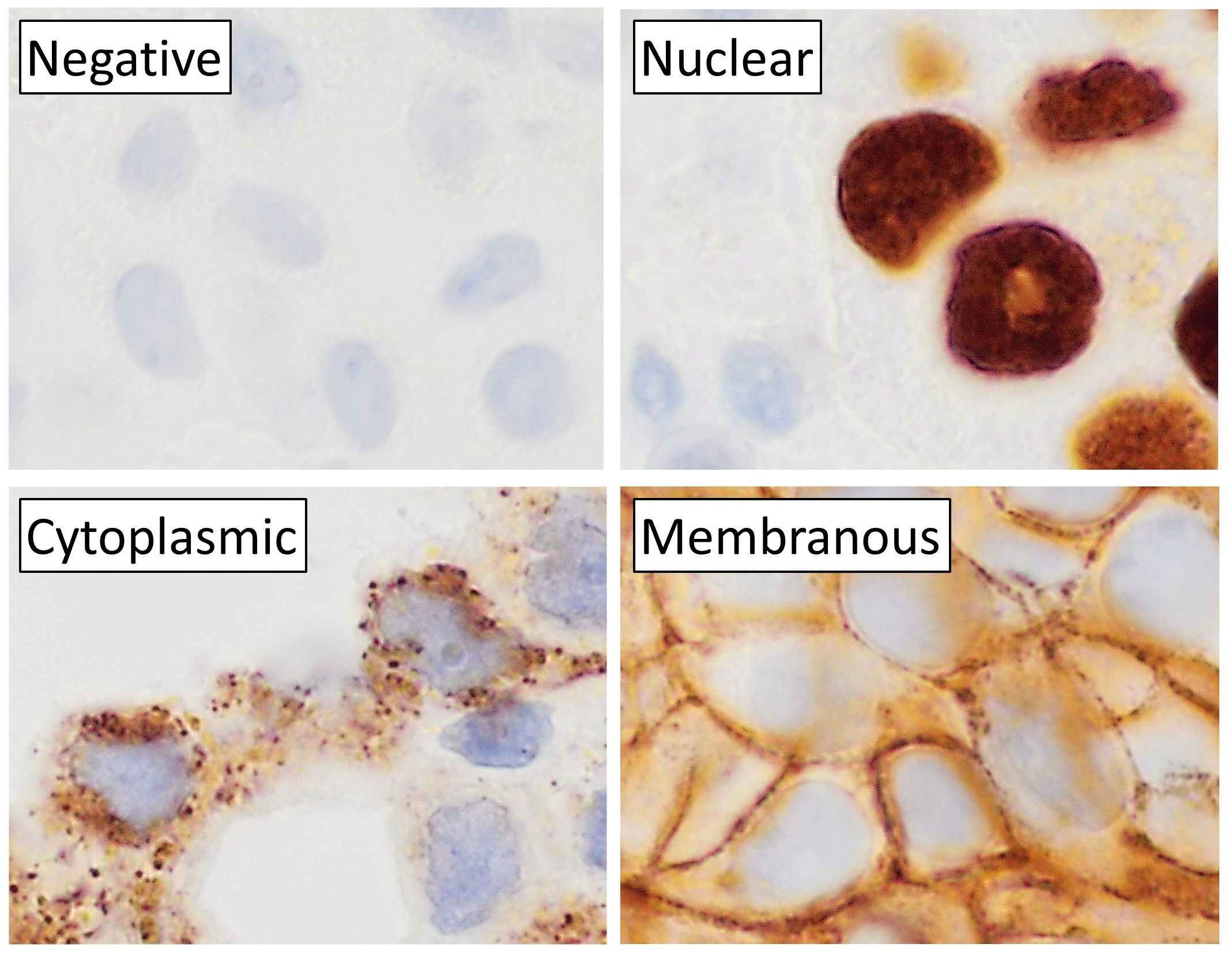
In the rapidly evolving landscape of biotechnology, immunochemistry stands as a cornerstone of modern diagnostic tech and therapeutic innovation. At its core, immunochemistry is the study of the chemical reactions and molecular phenomena associated with the immune system, specifically the interaction between antibodies and antigens. However, in the context of 21st-century technology, it has transcended its origins in basic biology to become a sophisticated data-driven field powered by automation, high-precision hardware, and advanced software algorithms.
Understanding immunochemistry today requires looking beyond the microscope. It is a domain where molecular biology meets engineering, where the specificity of a biological protein is leveraged as a programmable sensor to detect diseases, monitor drug levels, and unlock the secrets of the human proteome. As we integrate artificial intelligence and microfluidics into clinical workflows, immunochemistry has become one of the most vital “tech stacks” in the healthcare and life sciences sectors.
The Technological Evolution of Molecular Diagnostics
The journey of immunochemistry from manual laboratory techniques to high-speed digital systems represents one of the most significant shifts in medical technology. Historically, identifying a specific protein or pathogen was a labor-intensive process prone to human error. Today, the field is defined by high-throughput systems that can process thousands of samples with robotic precision.
From Test Tubes to Automated High-Throughput Systems
Modern immunochemistry is powered by automated analyzers—complex pieces of hardware that function like miniature factories. These systems utilize Chemiluminescent Enzyme Immunoassay (CLEIA) and Electro-chemiluminescence (ECL) technologies. Unlike the traditional colorimetric assays of the past, these modern methods use light-emitting chemical reactions to detect targets at the molecular level.
The “tech” in these analyzers involves sophisticated fluidics systems that manage nanoliter volumes of reagents, temperature-controlled incubation chambers, and high-sensitivity photon counters. By digitizing the light output from these reactions, laboratories can provide quantitative data with a level of sensitivity that was previously impossible. This transition from qualitative “yes/no” results to precise digital quantification is a hallmark of the tech-driven diagnostic era.
Precision Engineering in Antibody-Antigen Detection
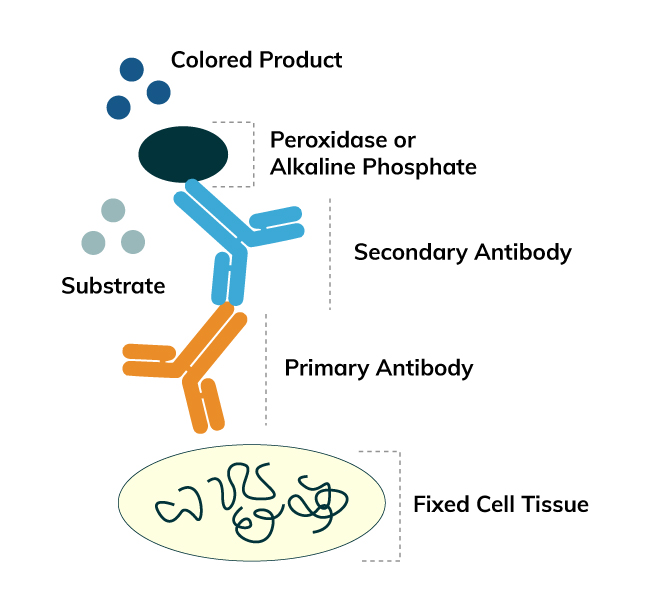
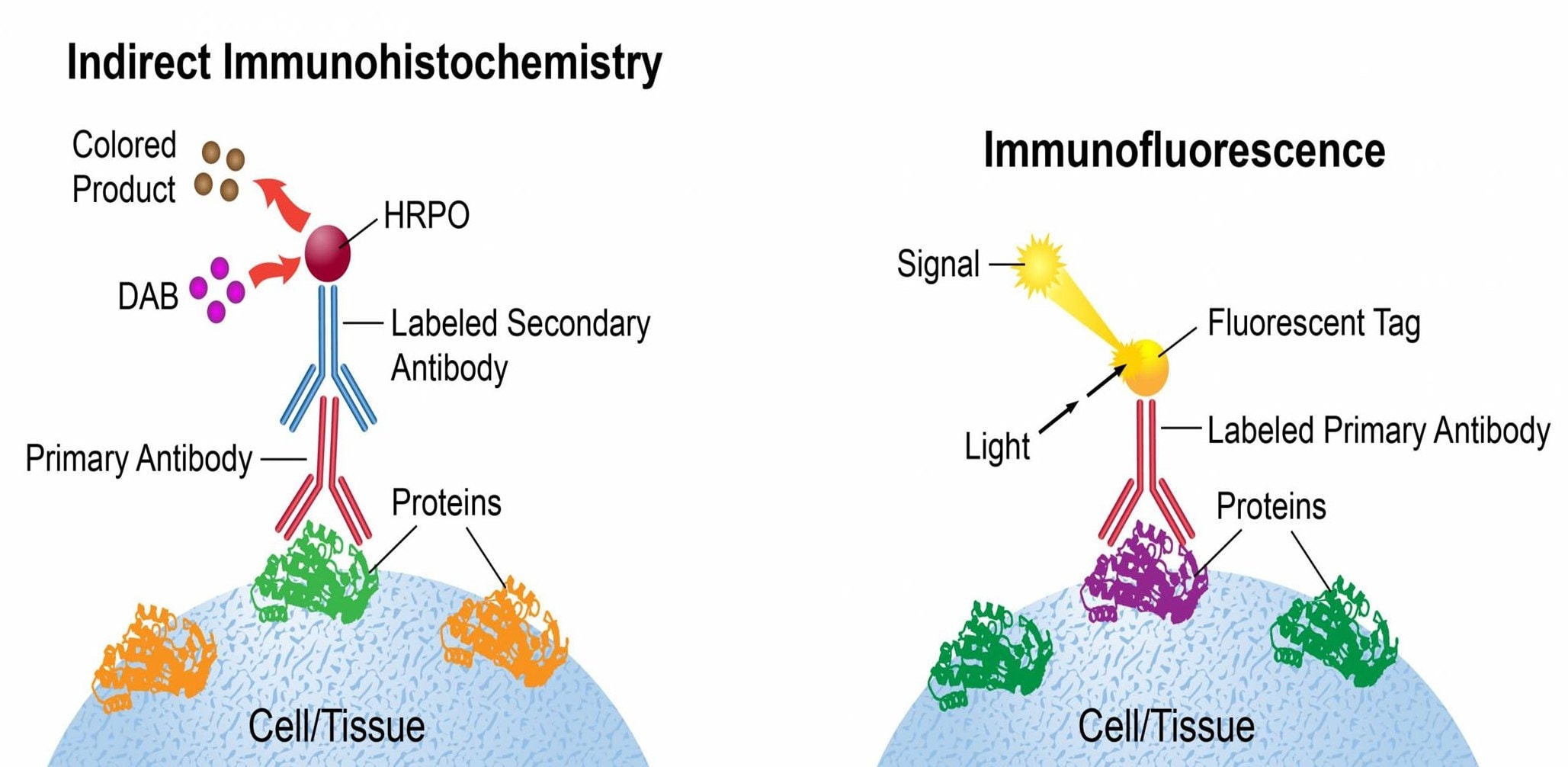
The “software” of the immune system consists of antibodies—Y-shaped proteins designed by nature to bind to specific targets (antigens). In the tech world, these are viewed as highly specific biological sensors. The engineering of monoclonal antibodies has allowed tech companies to “program” these proteins to seek out virtually any biomarker, from cancer-specific proteins to viral fragments.
Technological advancements in recombinant DNA technology and hybridoma tech have enabled the mass production of these sensors with extreme consistency. This reliability is what allows for the standardization of diagnostic tests across global networks. When you look at an immunochemistry platform, you are looking at a fusion of biological “wetware” and mechanical hardware, working in tandem to identify signatures of disease within a sea of complex biological data.
The Role of Artificial Intelligence and Data Analytics
As immunochemistry platforms generate increasingly massive datasets, the bottleneck has shifted from data generation to data interpretation. This is where Artificial Intelligence (AI) and Machine Learning (ML) are currently disrupting the niche.
Algorithmic Interpretation of Complex Assays
AI is now being integrated into the software layers of immunochemistry analyzers to refine results and reduce the “noise” inherent in biological samples. In multiplexing—a technique where dozens of different antigens are tested simultaneously—the resulting data patterns can be incredibly complex. Machine learning algorithms are trained to recognize these patterns, identifying specific disease “fingerprints” that might be missed by traditional threshold-based analysis.
Furthermore, AI helps in predictive maintenance for the hardware itself. By analyzing sensor data from the diagnostic machines, software can predict when a component is likely to fail or when a reagent’s calibration is drifting. This ensures maximum uptime for clinical laboratories, which is critical for time-sensitive diagnostic environments like emergency rooms and oncology centers.
Predictive Modeling for Disease Outbreaks
At a macro level, the data captured via immunochemistry platforms is being fed into larger digital ecosystems to track public health trends. When thousands of automated systems across a region report their findings to a centralized, cloud-based platform, health-tech companies can use predictive modeling to identify the early stages of a viral outbreak.
This digital surveillance is powered by API integrations between laboratory information systems (LIMS) and public health databases. By treating immunochemical data as a digital feed, tech leaders are building an early warning system for global health, demonstrating that the value of immunochemistry lies not just in the individual test, but in the aggregated data it produces.
Hardware Innovations and Point-of-Care Technology
One of the most exciting trends in the tech sector is the miniaturization of diagnostic tools. Immunochemistry is moving out of the centralized mega-lab and onto the desktop, and eventually, into the palm of the hand.
Microfluidics: The “Lab-on-a-Chip” Revolution
The “Lab-on-a-Chip” (LOC) movement is perhaps the most significant hardware innovation in immunochemistry. By etching microscopic channels into silicon or plastic chips, engineers can replicate the functions of a massive laboratory analyzer on a device the size of a credit card. These microfluidic chips use capillary action and micro-pumps to move samples through various reaction zones.
This tech is revolutionary because it reduces the amount of reagent required, slashes the time to result from hours to minutes, and makes the technology portable. From a tech standpoint, this involves high-precision manufacturing and the integration of optical sensors directly into the chip architecture. It represents the ultimate convergence of chemistry, physics, and semiconductor-style fabrication.
Smart Devices and Mobile Diagnostic Integration
The next frontier is the integration of immunochemical sensors with consumer electronics. We are seeing the emergence of peripherals that turn smartphones into diagnostic readers. By using the phone’s camera as a high-resolution sensor to read lateral flow assays (similar to high-tech versions of rapid tests), software apps can provide instant, cloud-synced results.
This decentralized approach to immunochemistry is a major focus for health-tech startups. By leveraging the processing power of modern smartphones and the connectivity of 5G networks, immunochemistry is becoming a “connected” technology. This allows for remote patient monitoring, where a patient can perform a complex protein analysis at home and have the data instantly transmitted to their healthcare provider’s digital dashboard.
Digital Security and the Bio-Tech Infrastructure
As immunochemistry becomes more digitized and connected, it enters the realm of digital security and IT infrastructure management. The data produced by these systems is some of the most sensitive information in existence: a person’s biological and genetic profile.
Cybersecurity Challenges in Connected Laboratories
Modern immunochemistry analyzers are often connected to the internet for remote diagnostics, software updates, and data offloading. This connectivity introduces vulnerabilities. Ensuring the “Cyber-Biosecurity” of these systems is a burgeoning field within tech. Tech companies must implement robust encryption protocols to protect the integrity of the data and ensure that the diagnostic results cannot be tampered with.
The risk of a ransomware attack on a laboratory network is a major concern. Therefore, the software architecture of modern immunochemistry platforms is built with a “security-first” mindset, utilizing firewalls, multi-factor authentication, and secure data tunnels to move information from the analyzer to the clinician’s screen.
LIMS and the Optimization of Digital Workflows
Laboratory Information Management Systems (LIMS) are the software backbones that manage the workflow of immunochemical testing. These platforms handle everything from sample tracking via barcodes and RFID to the final reporting of results. The integration of immunochemistry hardware into LIMS allows for a seamless digital thread, reducing the risk of sample mix-ups and ensuring a verifiable audit trail.
For tech professionals, the challenge lies in the interoperability of these systems. Creating standardized data formats (such as HL7 or FHIR) allows different machines from different manufacturers to communicate effectively. This ecosystem-wide connectivity is what enables modern “smart labs” to operate with such high efficiency and low error rates.
The Future Landscape: Synthetic Tech and Bio-Convergence
Looking toward the horizon, the future of immunochemistry is intertwined with synthetic biology and advanced computing. We are moving toward a world of “synthetic immunochemistry,” where antibodies are not just discovered in nature but are designed from scratch using computational modeling.
Silicon-based modeling of protein-protein interactions is allowing researchers to simulate how an antibody will bind to a target before a single drop of liquid is ever touched in a lab. This “in silico” approach accelerates the development of new diagnostic tests and therapeutic biologicals. When combined with the power of quantum computing—which excels at simulating molecular interactions—the speed of innovation in immunochemistry is set to reach exponential levels.
Furthermore, the rise of wearable immuno-sensors—patches that can monitor cytokine levels or other protein biomarkers in real-time—will transform immunochemistry into a continuous data stream. No longer will health be measured in discrete, “one-off” snapshots; instead, it will be a constant feed of biological telemetry, analyzed by AI and stored securely in the cloud.
In conclusion, immunochemistry is no longer just a branch of laboratory science; it is a high-tech discipline at the vanguard of the digital health revolution. Through the integration of automated hardware, AI-driven software, and miniaturized sensors, it is providing the tools necessary to understand and intervene in human health with unprecedented precision. As technology continues to advance, the boundary between the digital and the biological will continue to blur, with immunochemistry serving as the primary interface between the two.
aViewFromTheCave is a participant in the Amazon Services LLC Associates Program, an affiliate advertising program designed to provide a means for sites to earn advertising fees by advertising and linking to Amazon.com. Amazon, the Amazon logo, AmazonSupply, and the AmazonSupply logo are trademarks of Amazon.com, Inc. or its affiliates. As an Amazon Associate we earn affiliate commissions from qualifying purchases.