
In the hyper-competitive landscape of specialty coffee, the term “Honey Processed” has emerged as more than just a technical description of post-harvest treatment; it is a powerful branding tool. To the uninitiated, the name suggests the addition of honey or sweeteners, but for the sophisticated brand strategist, it represents a masterful exercise in product differentiation, premium positioning, and sensory storytelling. Understanding honey processed coffee requires looking beyond the farm and into the mechanics of how a brand can elevate a raw commodity into a high-margin, luxury experience.
The Strategic Anatomy of Honey Processing
To understand the brand value, one must first grasp the technical process that justifies the “specialty” label. Honey processing is the middle ground between the two traditional methods of coffee preparation: the “washed” process (where the fruit is completely removed) and the “natural” process (where the fruit is left to dry on the bean).

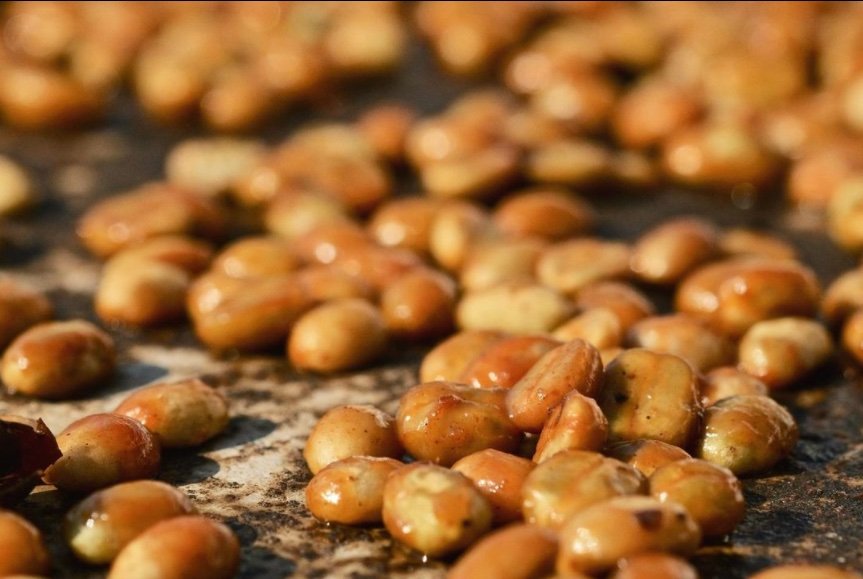
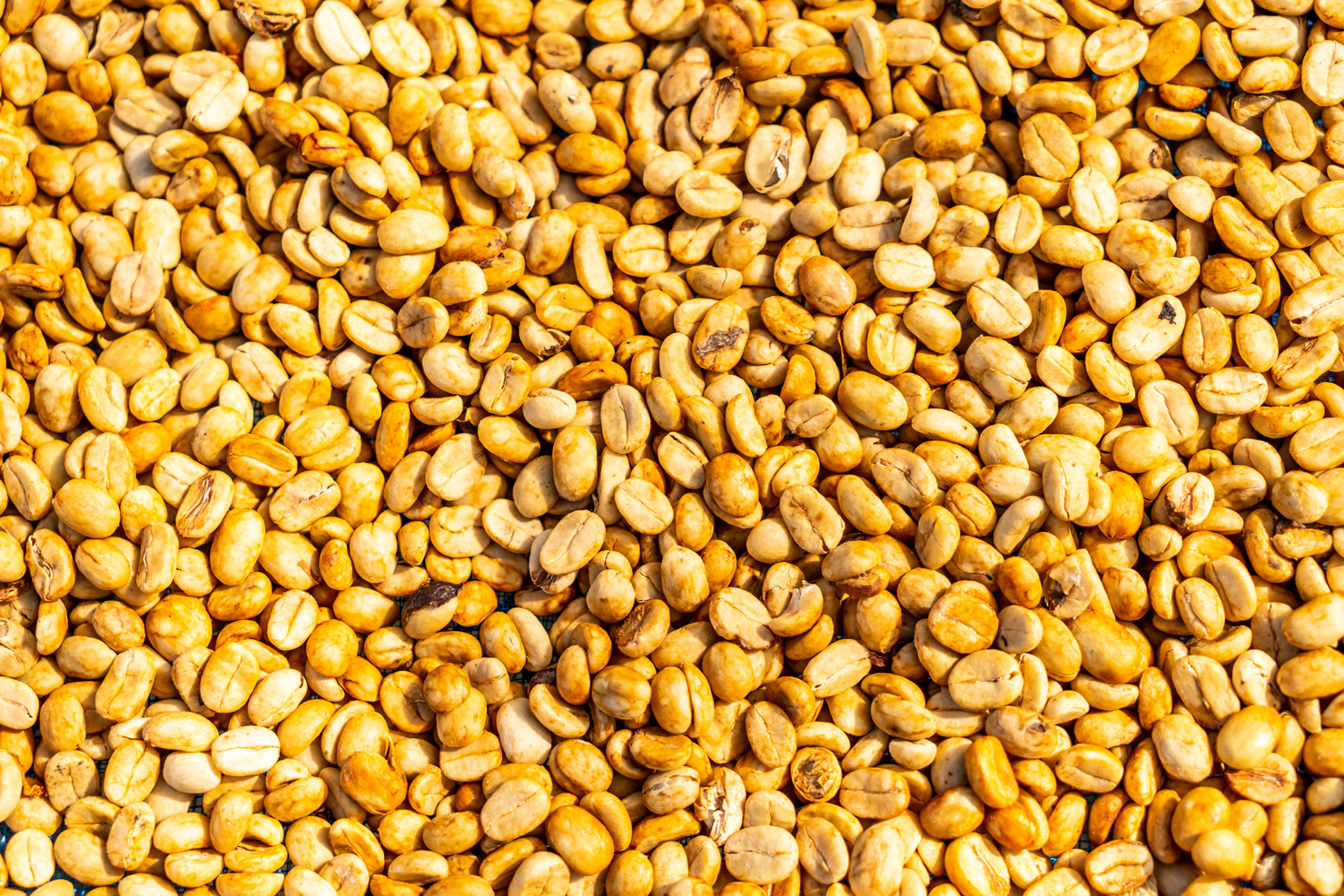
In the honey process, the outer skin of the coffee cherry is removed, but a specific amount of the sticky, sugary pulp—known as mucilage—is left on the parchment during the drying phase. This mucilage is the “honey.” As the beans dry, this layer oxidizes and darkens, infusing the bean with a complex sweetness and a syrupy body that sits perfectly between the clean acidity of a washed coffee and the funky, fermented fruitiness of a natural process.
The Intersection of Craft and Science
From a brand identity perspective, the honey process allows a producer or roaster to claim a “signature” profile. Because the amount of mucilage left on the bean can be meticulously controlled, brands can create a spectrum of flavor profiles that are unique to their specific methodology. This control is a key selling point in corporate identity; it signals to the consumer that the product is not a byproduct of chance, but a result of deliberate, scientific craftsmanship.
The Spectrum of Value: White, Yellow, Red, and Black
One of the most effective branding maneuvers within this niche is the color-coding of honey processing. By categorizing the coffee based on the percentage of mucilage and the drying time, brands have created a built-in “good-better-best” hierarchy:
- White and Yellow Honey: Less mucilage, shorter drying times. These offer a cleaner, more accessible profile.
- Red and Black Honey: More mucilage, longer drying times under shade. These are rarer, more difficult to produce, and offer a much deeper, more complex flavor.
By using this color-coded system, brands can segment their audience, offering “White Honey” as an entry-level specialty product while positioning “Black Honey” as a limited-edition, ultra-premium offering. This is a classic brand architecture strategy used to move consumers up the value chain.
Differentiation in a Saturated Market
In an era where “organic” and “fair trade” have become baseline expectations rather than unique selling points, specialty brands must find new ways to stand out. Honey processed coffee provides a narrative of exclusivity and labor-intensive quality that resonates with the “Connoisseur” consumer segment.
Moving Beyond the Commodity Trap
The greatest challenge for any coffee brand is escaping the commodity trap—the race to the bottom on price. Honey processing requires significantly more labor and risk than standard processing. The beans must be turned constantly to prevent mold and over-fermentation. By highlighting this labor in their marketing collateral, brands shift the conversation from “price per pound” to “value of craft.”
When a brand explains the “risk of loss” associated with black honey processing, they are not just sharing a fact; they are building a justification for a $35 bag of coffee. They are positioning the product as an artisanal achievement rather than a bulk agricultural product.
The Sensory Brand Experience
Specialty coffee branding is unique because it relies heavily on sensory marketing. The honey process yields a “cup profile” that is highly marketable. Descriptions of “creamy mouthfeel,” “honey-like sweetness,” and “mellow acidity” are highly evocative. A brand that masters the honey process can own a specific sensory territory. While other brands might focus on the “bold” or “bright” characteristics of washed coffees, a brand focused on honey processing can dominate the “sweet and balanced” niche, creating a loyal customer base that seeks out that specific physical experience.
The Power of Origin Storytelling
In brand strategy, the “Origin Story” is a foundational pillar. Honey processing, which gained significant popularity in Costa Rica following the 2008 earthquake (when water for washed processing became scarce), provides a compelling narrative of innovation born from necessity.
Transparency and Corporate Identity
Modern consumers, particularly Millennials and Gen Z, demand transparency. They want to know the “who, where, and how” of their purchases. Honey processing is inherently transparent because it requires a close relationship between the roaster and the farmer.
A brand that features a “Single-Farm Red Honey” doesn’t just sell coffee; it sells a partnership. This strengthens the corporate identity as an ethical, involved, and knowledgeable player in the global market. It allows the brand to use high-quality photography of drying beds, the sticky mucilage, and the hands of the producers—visuals that are far more engaging and “brand-rich” than those of industrial processing plants.
Educational Marketing as a Retention Tool
One of the most effective ways to build brand loyalty is through education. By teaching the consumer about the nuances of honey processing—the difference between a 25% and 75% mucilage retention, for example—a brand transforms its customers into experts.
When a customer understands the process, they become more invested in the brand. They are no longer just buying coffee; they are participating in a hobby or a lifestyle. This educational approach turns the brand into a “trusted authority,” a high-value position that is difficult for competitors to disrupt.
Strategic Implementation for Coffee Enterprises
For a business looking to integrate honey processed coffee into its brand portfolio, the implementation must be strategic and holistic. It is not enough to simply stock the product; the brand must curate the entire ecosystem around it.
Visual Identity and Packaging
The packaging for honey processed coffee should reflect its premium nature. Many top-tier brands use tactile elements—matte finishes, metallic foils, or Kraft paper—to mirror the artisanal nature of the process. The use of the color-coding (Yellow, Red, Black) should be prominent and explained on the bag, serving as a silent salesperson that guides the customer through the selection process.
Pricing Strategy: The Premium Markup
From a financial brand perspective, honey processed coffee allows for a significant margin increase. Because the market recognizes it as a “specialty” item with higher production risks, the price ceiling is much higher than that of standard washed coffees.
A brand can use honey processed coffees as “anchor products.” By having an expensive, high-quality Black Honey coffee on the menu or shelf, the mid-range products appear more affordable, while the brand’s overall prestige is elevated by the presence of the high-end offering.
The Future of Specialty Coffee Branding
As the global palate becomes more refined, the demand for unique processing methods will only grow. Honey processing is at the forefront of this movement. For brands, the future lies in “Micro-Lot” and “Nano-Lot” honey processing—where specific sections of a farm are dedicated to experimental honey methods.
Innovation as a Brand Pillar
Brands that consistently bring new honey-processed varieties to market signal that they are at the cutting edge of the industry. This perception of innovation is crucial for maintaining a “cool” factor in the specialty coffee world. Whether it’s experimenting with anaerobic honey processing or yeast-inoculated honeys, these innovations provide a constant stream of “new news” for digital marketing, social media engagement, and press releases.
Sustainability and the “Green” Brand
While the term “Honey” evokes sweetness, the process is also highly sustainable from a water-usage perspective. Traditional washed processing requires vast amounts of water to remove the mucilage. Honey processing, by contrast, uses very little.
For a brand looking to bolster its ESG (Environmental, Social, and Governance) credentials, honey processing is a godsend. It allows the brand to market its products as “Water-Wise” or “Eco-Conscious,” aligning the brand with the growing global movement toward environmental responsibility without sacrificing the quality of the final product.
Conclusion: The “Sticky” Brand
In conclusion, honey processed coffee is a masterclass in how a technical agricultural method can be leveraged into a sophisticated brand strategy. It offers everything a high-end brand needs: a unique product story, a clear hierarchy of quality, a justification for premium pricing, and a strong tie to sustainability and ethics.
For the brand strategist, the “honey” in the coffee isn’t just sugar—it’s the “sticky” factor that keeps consumers coming back, eager to taste the result of a process that is equal parts nature, science, and art. By focusing on the honey process, a brand can carve out a distinct identity that is as rich, complex, and rewarding as the coffee itself.
aViewFromTheCave is a participant in the Amazon Services LLC Associates Program, an affiliate advertising program designed to provide a means for sites to earn advertising fees by advertising and linking to Amazon.com. Amazon, the Amazon logo, AmazonSupply, and the AmazonSupply logo are trademarks of Amazon.com, Inc. or its affiliates. As an Amazon Associate we earn affiliate commissions from qualifying purchases.