
The term “hair plugs” is frequently used in common parlance to describe any surgical attempt at hair restoration. However, from a financial and professional perspective, the definition has evolved from a primitive cosmetic fix into a sophisticated multi-billion-dollar industry involving advanced technology and significant capital allocation. To understand what hair plugs are in the modern economy, one must look beyond the scalp and examine the intersection of personal finance, market trends, and the strategic ROI of professional appearance.
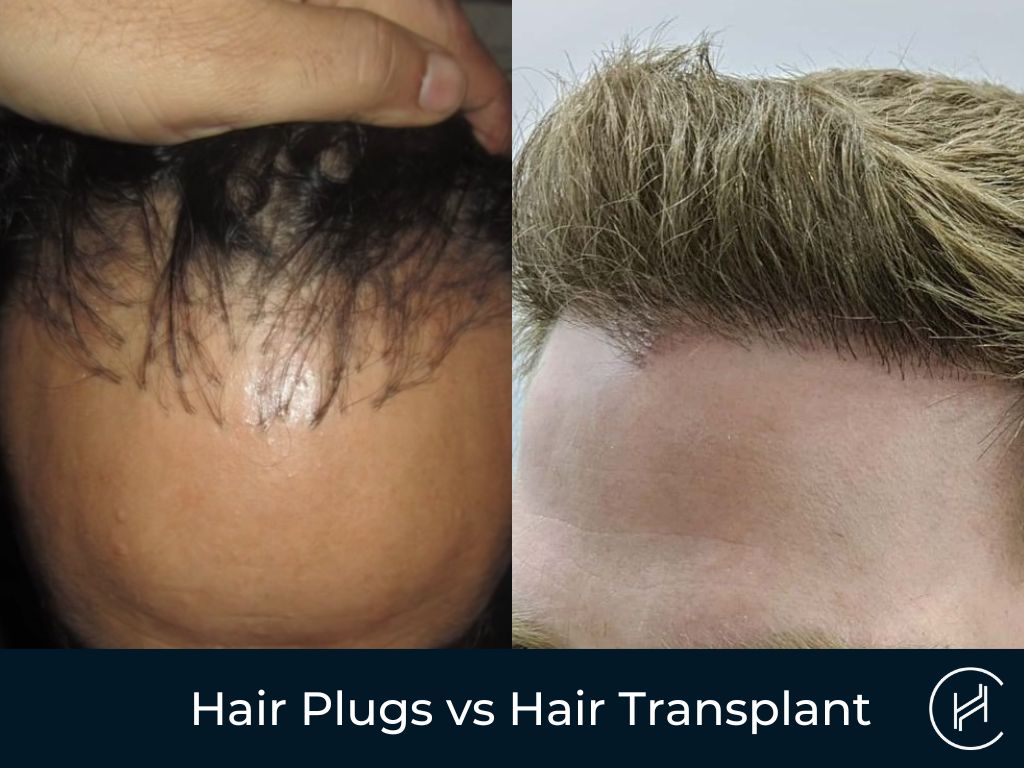
Historically, “hair plugs” referred to a specific technique used in the 1950s through the 1980s. This involved removing large circular “plugs” of skin and hair—roughly 4 millimeters in diameter—from the back of the head and transplanting them into thinning areas. The result was often unnatural, resembling the hair on a plastic doll. In the modern financial landscape, these outdated plugs have been replaced by Follicular Unit Extraction (FUE) and Follicular Unit Transplantation (FUT). For the savvy consumer or investor, understanding this distinction is the first step in evaluating the cost-to-value ratio of hair restoration.

The Direct Financial Commitment: Analyzing the Price Tag
When evaluating hair restoration as a personal finance decision, the “sticker price” is rarely the final cost. Modern hair transplants are priced according to the complexity of the procedure and the number of grafts required to achieve the desired density.
Cost-Per-Graft Models
The industry standard for pricing is typically the “per graft” model. In the United States and Western Europe, prices generally range from $5 to $15 per graft. A standard procedure might require anywhere from 1,000 to 3,000 grafts, placing the total investment between $5,000 and $45,000. This is a significant capital outlay that mirrors the cost of a mid-range luxury vehicle or a down payment on a property. Investors in their own image must weigh this upfront cost against the long-term maintenance costs of non-surgical alternatives, such as topical treatments or oral medications, which can accrue to thousands of dollars over a lifetime without providing a permanent solution.
Geographic Arbitrage: Domestic vs. International Costs
One of the most fascinating trends in the “hair plug” economy is the rise of medical tourism. Countries like Turkey, Mexico, and Thailand have positioned themselves as global hubs for hair restoration, offering competitive pricing that often includes luxury accommodations and VIP transport. In Turkey, for instance, an “all-inclusive” package for a 4,000-graft FUE procedure might cost as little as $2,500 to $5,000.
While the financial savings are clear, the “geographic arbitrage” strategy involves hidden risks. Financial planners often advise clients to factor in the cost of potential complications. A “botched” procedure performed abroad can lead to corrective surgeries that cost double or triple the original domestic quote. Thus, the financial definition of a hair transplant includes a complex risk-assessment profile.
The Business of Hair Restoration: Industry Growth and Investment
The hair restoration market is not just a consumer concern; it is a burgeoning sector for institutional and private equity investment. The global hair transplant market was valued at approximately $5 billion in 2022 and is projected to grow at a compound annual growth rate (CAGR) of over 15% through 2030.
Market Capitalization and Consumer Demand
The drivers of this growth are twofold: a decreasing social stigma and an increasing emphasis on the “youthful” executive image. As the “Zoom boom” and the rise of high-definition digital presence have made personal appearance more central to professional branding, the demand for hair restoration has skyrocketed. This has led to the consolidation of boutique clinics into large, corporatized networks backed by venture capital. For investors, this represents a stable “recession-resistant” niche within the broader elective surgery market.
Technological Advancements as Cost Drivers
The evolution from traditional plugs to robotic-assisted FUE (such as the ARTAS system) has changed the economic structure of clinics. These robotic systems require significant initial capital expenditure—often upwards of $250,000—which clinics must amortize over time. This technological overhead explains why high-tech clinics maintain premium pricing. However, for the consumer, these advancements offer a higher success rate and a faster return to work, which minimizes the “opportunity cost” of downtime.
Evaluating the Return on Investment (ROI) for Professionals
In the world of personal finance, an investment is judged by its return. While it is difficult to quantify the exact dollar value of a full head of hair, various economic studies suggest a correlation between physical appearance and earning potential, often referred to as the “beauty premium.”
The “Appearance Premium” in Corporate Finance
Economic research consistently shows that individuals perceived as more attractive or “well-groomed” tend to receive higher starting salaries and more frequent promotions. In high-stakes environments like investment banking, tech startups, and executive leadership, confidence is a currency. If hair loss leads to a decrease in self-assurance during negotiations or public speaking, it can have a direct, negative impact on one’s career trajectory. In this context, the $20,000 spent on a modern “hair plug” procedure is not a sunk cost but a strategic investment in one’s most valuable asset: themselves.
Career Longevity and Confidence as Intangible Assets
For professionals in their 40s and 50s, hair restoration is often viewed as a way to combat ageism in the workplace. By maintaining a more youthful appearance, executives may extend their “peak earning years,” potentially adding hundreds of thousands of dollars to their lifetime earnings and retirement funds. This long-term financial view shifts the perception of hair transplants from a vanity project to a tool for career preservation.
Strategic Financial Planning for Medical Procedures
Because hair restoration is typically classified as an elective cosmetic procedure, it is rarely covered by standard health insurance. This requires individuals to utilize specific financial tools to manage the expense.
Navigating Financing and Payment Plans
Many high-end clinics now offer internal financing or partner with third-party medical lenders. These loans often mirror the structure of personal loans, with interest rates varying based on creditworthiness. For a professional with a strong credit profile, utilizing a low-interest medical credit card can be a strategic way to manage cash flow while undergoing the procedure. It is essential to calculate the total interest paid over the life of the loan to ensure the “true cost” of the transplant remains within a reasonable budget.
Tax Considerations and Healthcare Savings Accounts
While hair transplants are generally not tax-deductible as medical expenses, there are nuanced exceptions if the procedure is required to treat a specific medical condition or deformity. Furthermore, individuals may occasionally use Health Savings Accounts (HSA) or Flexible Spending Accounts (FSA) if they have a letter of medical necessity from a physician, although this is rare for standard male pattern baldness. From a tax-planning perspective, most will need to fund the procedure using post-tax dollars, making it even more important to shop for value and quality.
The Future of Hair Restoration as an Investment Trend
As we look toward the future, the “what is hair plugs” question will move into the realm of biotechnology and regenerative medicine. The next frontier in the hair restoration business is hair cloning and stem cell therapy.
The Shift to Bio-Tech and Cloning
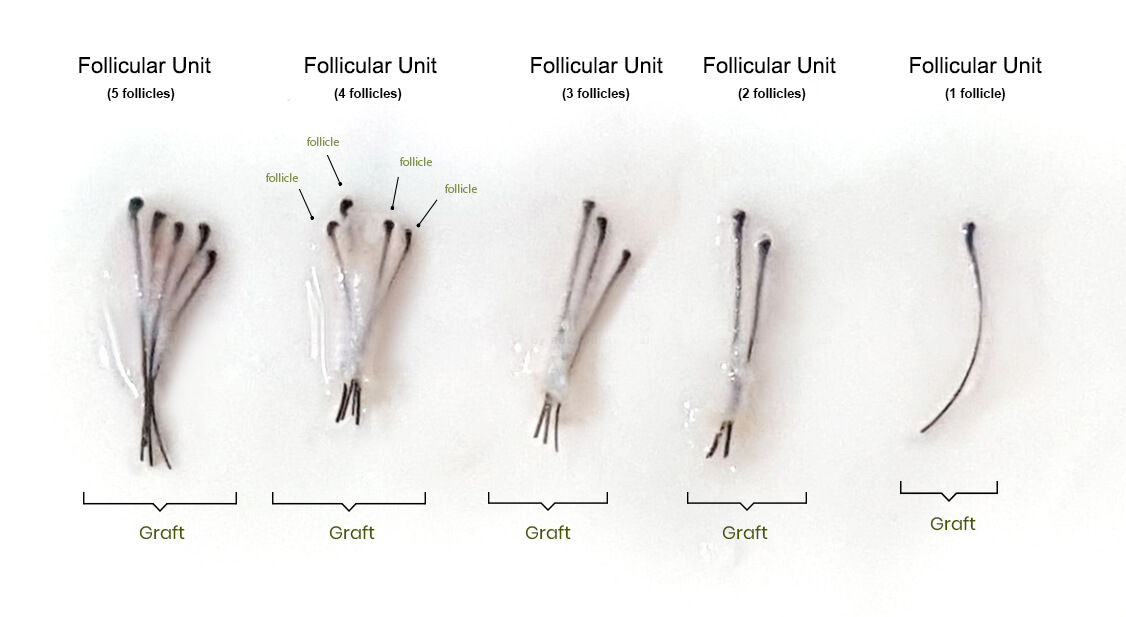
Currently, the “hair plug” model is limited by the “donor area”—the amount of hair available on the back of the head. Cloning technology aims to remove this limitation by allowing scientists to multiply a small sample of hair follicles in a lab. From a business perspective, the company that first perfects and scales hair cloning will likely see a massive valuation, as they will have solved the supply-side constraint of the industry.
The Convergence of AI and Personal Branding
Artificial intelligence is already being integrated into the consultation phase, using predictive modeling to show patients their expected ROI in terms of appearance. As AI continues to refine surgical precision and minimize recovery times, the “economic friction” of the procedure will decrease. For the consumer, this means a more predictable outcome; for the industry, it means a wider market of potential clients who were previously deterred by the risk of an unnatural look.
In conclusion, “hair plugs” is a term that has outlived its original clinical meaning. Today, it represents a significant financial decision within the broader context of personal branding and professional investment. Whether viewed as a capital expenditure for career advancement or a market opportunity for savvy investors, the business of hair restoration is a testament to the high value society places on image and the lengths to which individuals and markets will go to preserve it. When asking “what is hair plugs,” the answer is increasingly found on a balance sheet rather than a medical chart.
aViewFromTheCave is a participant in the Amazon Services LLC Associates Program, an affiliate advertising program designed to provide a means for sites to earn advertising fees by advertising and linking to Amazon.com. Amazon, the Amazon logo, AmazonSupply, and the AmazonSupply logo are trademarks of Amazon.com, Inc. or its affiliates. As an Amazon Associate we earn affiliate commissions from qualifying purchases.