
In the hyper-competitive landscape of global commodities, the ability to differentiate a basic product like sugar is a testament to the power of strategic brand positioning. When consumers ask, “What is golden granulated sugar?” they are not merely inquiring about a chemical composition or a caloric value. They are responding to a sophisticated branding narrative that has successfully elevated a generic staple into a premium lifestyle choice.
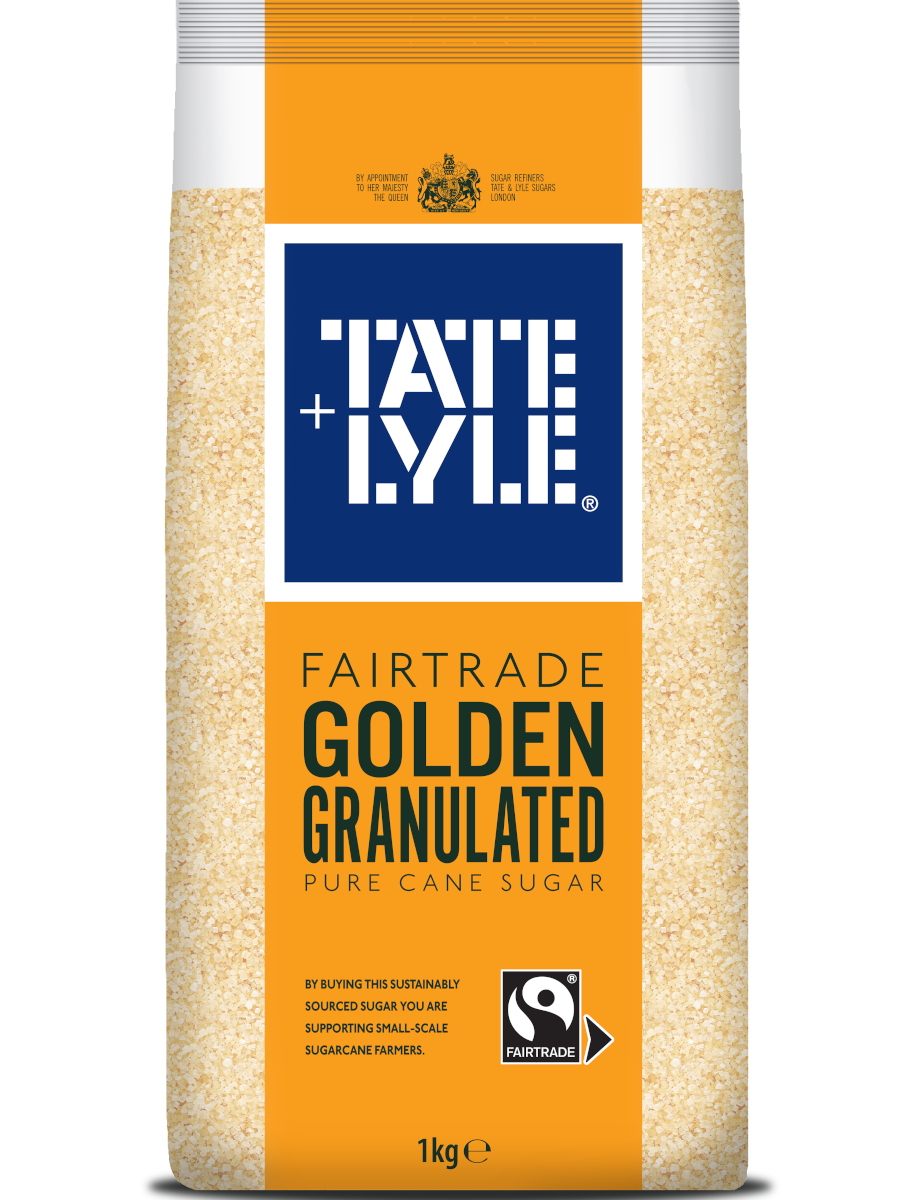
Golden granulated sugar is a crystalline sweetener made from sugar cane that retains a small amount of the original molasses. Unlike its highly processed counterpart, white granulated sugar, which is refined until all impurities and color are removed, golden sugar stops just short of total purification. This results in a distinctive pale-amber hue and a subtle, butterscotch-like flavor. From a branding perspective, however, golden granulated sugar represents the “middle ground” strategy—a bridge between the utility of white sugar and the artisanal complexity of dark brown sugars.
The Branding of “Natural”: The Health Halo Strategy
The primary driver behind the market success of golden granulated sugar is the “Health Halo” effect. In brand strategy, this occurs when a single attribute (in this case, the golden color and minimal processing) leads consumers to perceive the entire product as healthier, more sustainable, or more “authentic” than its competitors.
Leveraging Visual Cues for Authenticity
Brand designers understand that color communicates value faster than text. The stark, clinical white of standard granulated sugar has, in recent decades, become associated with industrial processing and over-refinement. By contrast, the warm, earth-toned palette of golden sugar signals a proximity to nature. Brands like Tate & Lyle and Billington’s have mastered the art of using transparent packaging to showcase these crystals, allowing the product’s visual identity to serve as its primary marketing tool. This visual transparency builds consumer trust, suggesting that the brand has “nothing to hide” regarding its refinement process.
The Narrative of Minimal Intervention
The brand story of golden granulated sugar is built on the concept of “less is more.” Marketing departments frame the presence of residual molasses not as an impurity, but as a “natural essence” that has been preserved. This aligns with the broader consumer trend toward “clean label” products. By positioning the product as “partially unrefined,” brands tap into the psychological desire for products that feel closer to the source. This narrative allows companies to command a price premium—often 20% to 50% higher than white sugar—despite the fact that the production cost is often lower due to fewer refining stages.
Market Segmentation: Creating the “Premium Everyday” Category
One of the most significant challenges in brand management is preventing a product from becoming a “race to the bottom” commodity. Golden granulated sugar is a textbook example of how to create a new category—the “Premium Everyday” segment—that justifies higher margins while maintaining high-volume sales.
Bridging the Gap Between Utility and Specialty
In the sugar aisle, products typically fall into two categories: high-volume utility (white sugar) and low-volume specialty (muscovado, demerara, or coconut sugar). Golden granulated sugar occupies a strategic “sweet spot” in the middle. It is versatile enough to be used in a daily cup of coffee or a standard cake recipe, yet distinct enough to feel like an upgrade. This positioning targets the “aspirational shopper”—the consumer who wants to elevate their daily rituals without the perceived inconvenience or high cost of true specialty ingredients.
Target Demographics and the Home-Baking Movement
The rise of the “prosumer” in the culinary world has provided a fertile ground for golden sugar branding. As home baking evolved from a domestic chore to a creative hobby (fueled by media like The Great British Bake Off), the demand for “professional-grade” ingredients at the retail level skyrocketed. Brands positioned golden granulated sugar as the secret ingredient for superior results. The marketing focuses on the “depth of flavor” and “moisture retention” that the molasses provides, appealing to the consumer’s desire for expertise and mastery in the kitchen.
Strategic Brand Identity: Packaging and Verbal Identity
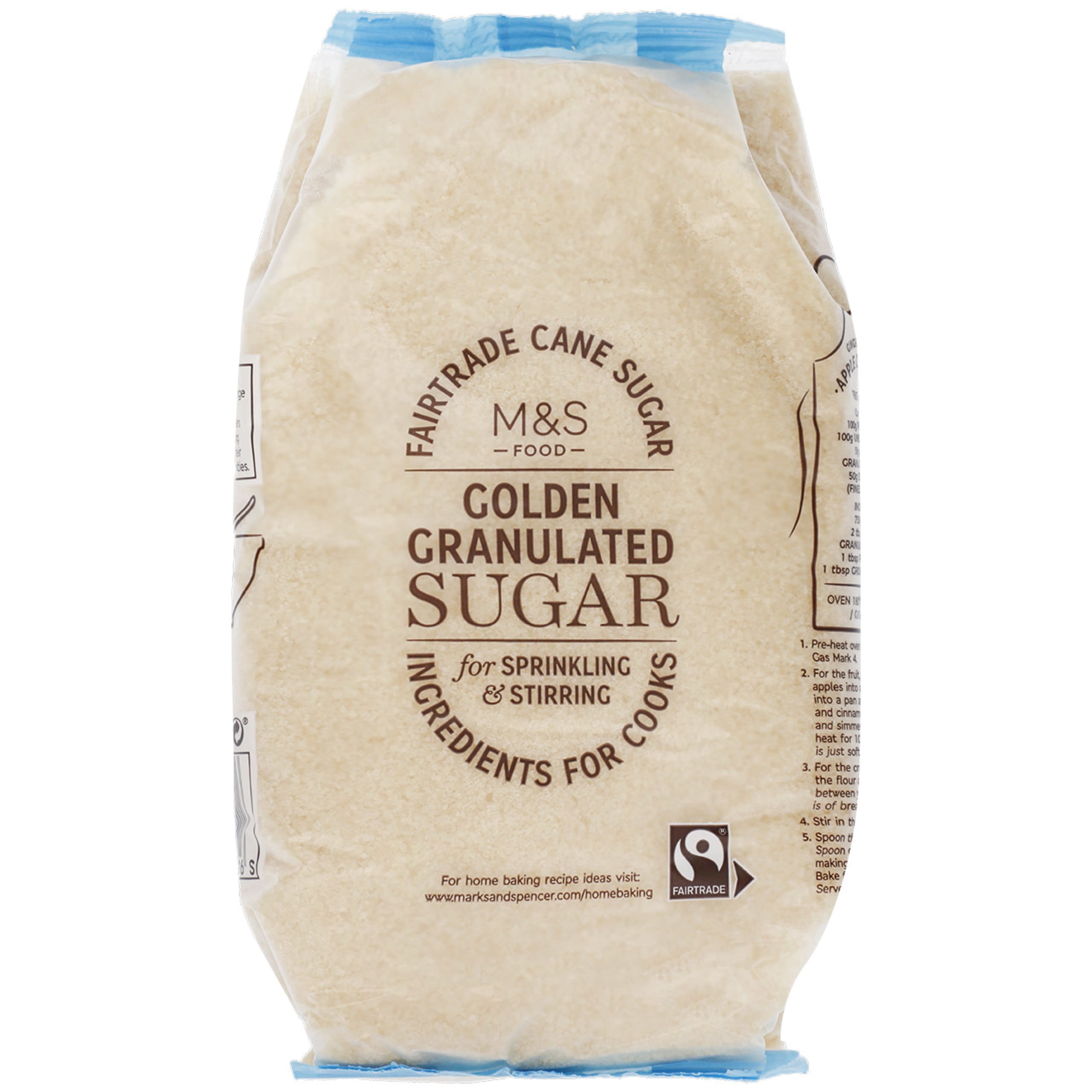
A brand is more than a product; it is the sum of the feelings it evokes. For golden granulated sugar, the brand identity is carefully curated to evoke warmth, tradition, and quality.
Typography and Heritage Messaging
A survey of the leading golden sugar brands reveals a consistent use of serif fonts, gold-foil accents, and heritage-based storytelling. These design elements are used to establish “provenance.” Even for multinational corporations, the branding often emphasizes “cane grown in the sun” or “traditional milling techniques.” This verbal identity shifts the consumer’s focus from a global supply chain to a romanticized, localized origin story. It transforms the act of buying sugar into an act of supporting a tradition.
The Role of Sustainable Packaging
In modern brand strategy, the package is the message. To reinforce the “natural” positioning of golden sugar, many brands have moved toward matte-finish papers, recyclable pouches, or compostable materials. The tactile experience of a paper bag, as opposed to a plastic one, reinforces the brand promise of an unrefined, eco-conscious product. This alignment of physical touchpoints with the brand’s core values is essential for maintaining brand equity in the premium sector.
Competitive Advantage Through Differentiation
To understand the branding success of golden granulated sugar, one must look at how it differentiates itself from its two closest relatives: white granulated sugar and brown sugar.
Golden vs. White: The Battle of Value vs. Price
While white sugar brands compete almost exclusively on price, golden sugar brands compete on value. The branding emphasizes that while white sugar provides sweetness, golden sugar provides character. This differentiation is critical for shelf-space competition. Retailers are more likely to give prominent placement to a product that increases the average basket value. By branding golden sugar as a necessary upgrade for “serious” coffee drinkers or bakers, companies create a psychological barrier that makes the cheaper white sugar seem inadequate for certain tasks.
Golden vs. Brown: The Versatility Narrative
Brown sugar is often perceived as a niche ingredient—reserved for specific recipes like gingerbread or brownies because of its high moisture content and intense molasses flavor. Golden granulated sugar is branded as the “limitless” alternative. Its free-flowing texture (identical to white sugar) makes it easy to measure and pour, while its flavor is mild enough not to overpower delicate dishes. The brand strategy here is one of “maximum utility with a premium twist.” It offers the benefits of brown sugar without the perceived “clumping” or “specialty-only” limitations.
The Future of Brand Strategy in the Sweetener Market
As the global discourse around sugar consumption continues to evolve, the branding of golden granulated sugar faces new challenges and opportunities. The future of this product category will likely be defined by how brands navigate the intersection of indulgence and wellness.
Transparency and Ethical Sourcing
The next frontier for golden sugar branding is the “Ethics of Origin.” Modern consumers are increasingly concerned with Fairtrade practices, carbon footprints, and labor conditions. Brands that can successfully integrate these ethical narratives into their “golden” identity will likely see the highest growth. This involves moving beyond the “natural” aesthetic to provide verifiable data on the product’s journey from the field to the shelf.

Digital Brand Engagement and Community Building
Leading brands are no longer just selling a product; they are building communities. Through social media, golden sugar brands share recipes, partner with culinary influencers, and engage in “lifestyle marketing.” This digital presence ensures that the brand remains top-of-mind during the consumer’s pre-shopping research phase. By positioning golden granulated sugar as a key component of a “curated life,” brands ensure that their product is seen not as a commodity, but as a badge of taste and discernment.
In conclusion, golden granulated sugar is a masterclass in how brand strategy can transform a simple physical variation into a powerful market differentiator. By leveraging visual cues of authenticity, targeting the aspirational “middle market,” and maintaining a consistent narrative of quality and heritage, brands have ensured that golden sugar is perceived as a premium essential rather than a dispensable luxury. As the market continues to fragment, the lessons learned from the “golden” transformation will serve as a blueprint for other commodity brands looking to escape the price-competition trap and build lasting brand loyalty.
aViewFromTheCave is a participant in the Amazon Services LLC Associates Program, an affiliate advertising program designed to provide a means for sites to earn advertising fees by advertising and linking to Amazon.com. Amazon, the Amazon logo, AmazonSupply, and the AmazonSupply logo are trademarks of Amazon.com, Inc. or its affiliates. As an Amazon Associate we earn affiliate commissions from qualifying purchases.