
In the landscape of modern building science and smart home infrastructure, the efficiency of air management systems is governed by a critical technical specification known as the MERV rating. For homeowners and facility managers alike, understanding this metric is not merely a matter of maintenance; it is a fundamental aspect of optimizing the mechanical performance of HVAC (Heating, Ventilation, and Air Conditioning) hardware. As we move toward more sophisticated climate-controlled environments, the technology behind air filtration has evolved from simple debris capture to a complex engineering challenge involving fluid dynamics, particle physics, and mechanical load balancing.
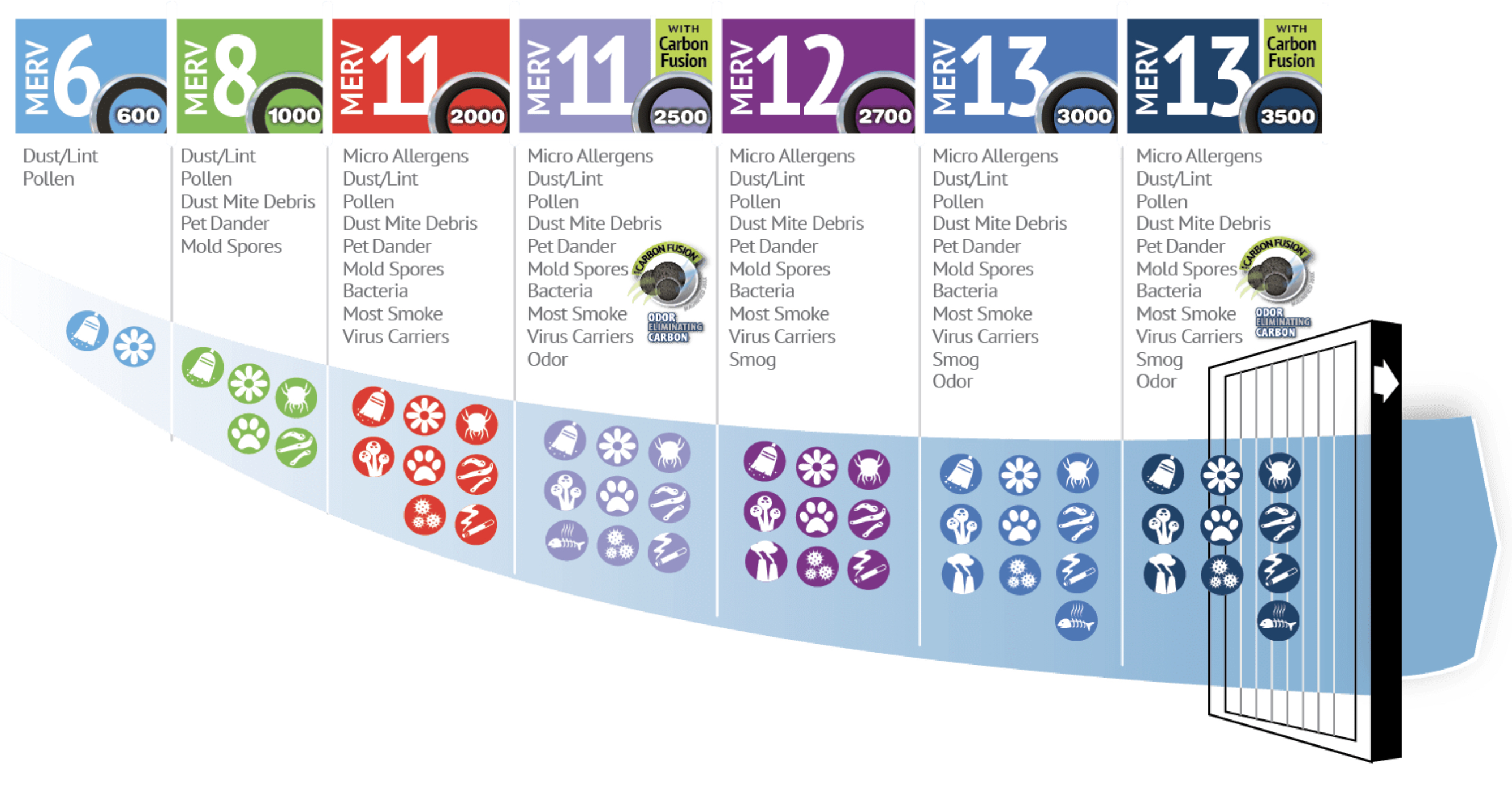
The MERV rating serves as the industry standard for measuring the effectiveness of air filters. To fully grasp its significance, one must look beyond the cardboard frame and pleated fabric to the sophisticated engineering that dictates how air flows through a modern structure.
The Engineering Standards of MERV: Decoding the ASHRAE 52.2 Framework
MERV stands for Minimum Efficiency Reporting Value. It is a standardized scale developed by the American Society of Heating, Refrigerating and Air-Conditioning Engineers (ASHRAE) in 1987. The technical framework, officially titled ASHRAE Standard 52.2, was designed to provide a universal language for comparing the performance of air filters across different manufacturers and technological designs.
The Science of Particle Measurement
Unlike general marketing terms such as “ultra-clean” or “high-performance,” the MERV rating is based on rigorous laboratory testing. The testing process involves injecting a known concentration of synthetic dust and specific aerosol particles into a controlled wind tunnel. Sensors measure the particle count both upstream and downstream of the filter.
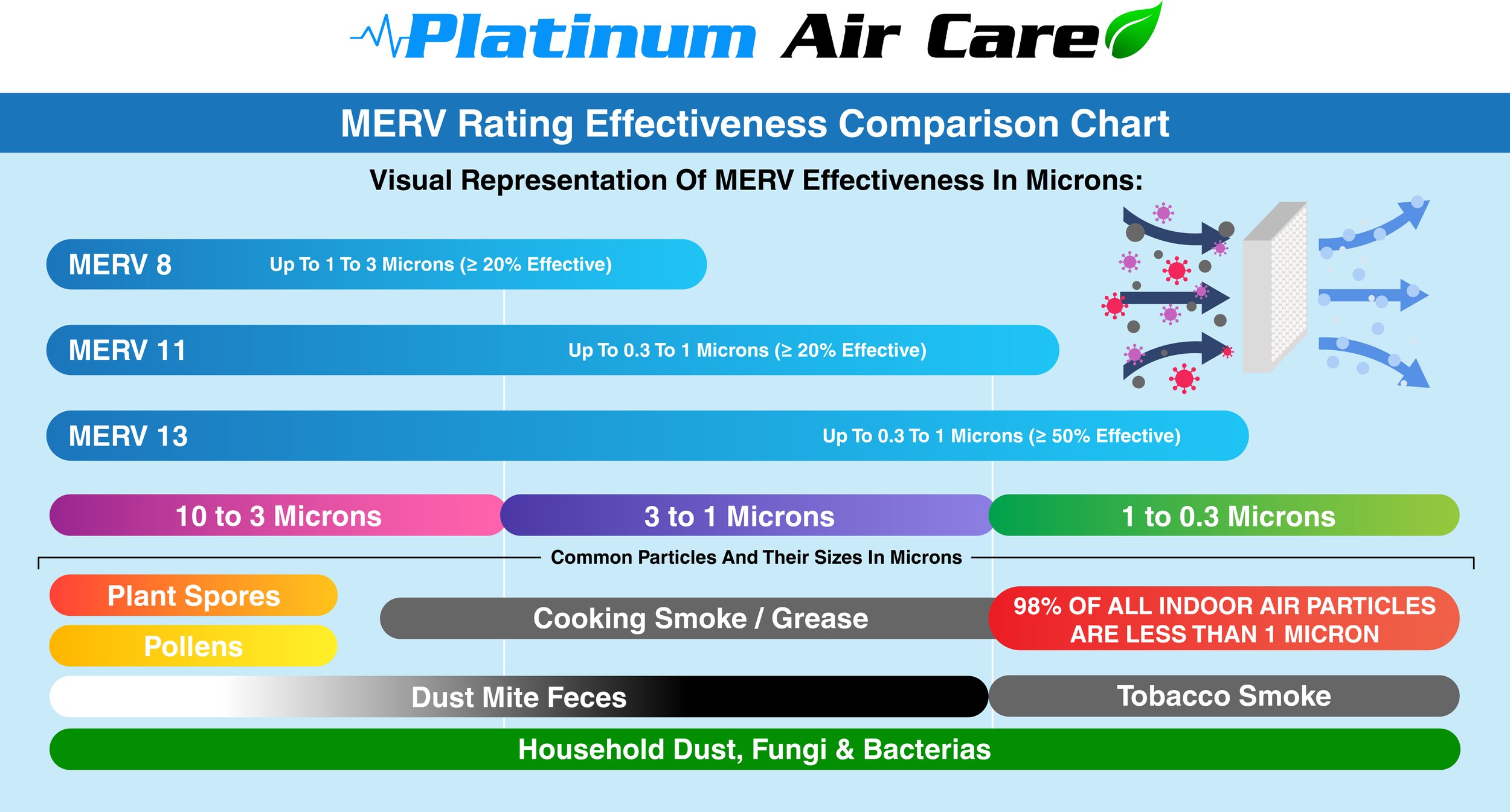
The rating specifically evaluates a filter’s ability to capture particles in three distinct size ranges:
- E1 (0.3 to 1.0 microns): This includes the most difficult particles to capture, such as bacteria, tobacco smoke, and fine combustion soot.
- E2 (1.0 to 3.0 microns): This range includes dust mites, pet dander, and mold spores.
- E3 (3.0 to 10.0 microns): This covers larger particles like pollen, textile fibers, and visible dust.
Minimum Efficiency vs. Average Efficiency
A critical technical distinction of the MERV scale is the word “Minimum.” Other rating systems often focus on the average performance of a filter over its lifespan. However, ASHRAE recognized that many filters actually become more efficient as they load with dust—until they reach a point of failure or restricted airflow. The MERV rating measures the filter’s performance at its most vulnerable state: when it is brand new. This ensures that the system provides a baseline level of protection from the moment of installation.
The Physics of Particle Capture: How Filtration Hardware Operates
To understand how different MERV ratings are achieved, we must examine the physical mechanisms used by filter media. Modern air filters are not simple sieves; they are sophisticated arrays of fibers engineered to utilize several different physical principles to remove contaminants from the airstream.
Impaction and Interception
For larger particles (E3 range), filters primarily rely on “impaction.” As air flows through the dense web of fibers, larger particles have too much momentum to follow the erratic path of the air. Instead, they crash directly into the fibers and become trapped. “Interception” occurs when a particle follows an air streamline but comes close enough to a fiber to be snagged by its surface.
Diffusion and Electrostatic Attraction
For the microscopic particles in the E1 range, the physics change. These particles are so small that they are pushed around by gas molecules in a phenomenon known as Brownian motion. This erratic movement increases the likelihood that the particles will eventually bump into a filter fiber.
Advanced filtration technology often incorporates an “electrostatic charge.” By giving the fibers a permanent or temporary electrical charge, the filter can act like a magnet for tiny particles. This allows a filter to achieve a higher MERV rating without significantly increasing the density of the material, which helps maintain airflow—a critical factor in HVAC system health.
Navigating the MERV Scale: A Technical Specification Guide

The MERV scale ranges from 1 to 16 for standard residential and commercial applications (ratings 17-20 are typically reserved for HEPA-grade cleanroom applications). Each tier represents a specific leap in technical capability.
MERV 1-4: Baseline Mechanical Protection
These filters are the most basic form of filtration technology. Typically made of spun fiberglass or simple mesh, their primary function is not to clean the air for human consumption, but to protect the HVAC hardware itself. They prevent large lint, carpet fibers, and “dust bunnies” from coating the evaporator coils and blower motor. From a technical standpoint, these filters provide minimal resistance to airflow but offer very little protection against allergens or fine particulates.
MERV 5-8: Standard Residential Grade
This is the most common range for modern residential systems. These filters are usually pleated, which increases the surface area for particle capture without drastically increasing the resistance to airflow. Filters in the MERV 8 category are engineered to capture the majority of mold spores, hairspray particles, and dust mite debris. They represent the “sweet spot” for many standard furnace systems, balancing filtration needs with mechanical efficiency.
MERV 9-12: High-Efficiency Hardware
In this range, we see the introduction of specialized synthetic fibers and tighter pleat spacing. These filters are capable of capturing fine dust, lead dust, and legionella. They are often used in high-end residential upgrades or commercial office buildings. Because of their density, they require more powerful blower motors to move air through the system effectively.
MERV 13-16: Hospital and Laboratory Grade
At the top of the standard scale, MERV 13-16 filters are the gold standard for air quality. A MERV 13 filter is the minimum requirement for many “Green Building” certifications (such as LEED). These filters are engineered to capture bacteria, virus carriers, and most smoke particles. Implementing MERV 13 or higher filtration requires a thorough assessment of the HVAC system’s “static pressure” capabilities to ensure the motor does not overheat.
The Systemic Impact: Balancing Filtration Efficiency with HVAC Hardware Performance
One of the most common misconceptions in HVAC technology is that a higher MERV rating is always better. In reality, the selection of a filter is a balancing act between air purity and mechanical load.
The Challenge of Pressure Drop
As the MERV rating increases, the filter media typically becomes denser. This density creates “static pressure” or resistance. Every HVAC system is designed with a specific “Total External Static Pressure” limit. If a filter is too restrictive (a high MERV rating in a system not designed for it), the blower motor must work significantly harder to pull air through the media.
This can lead to several technical failures:
- Reduced Airflow: Less treated air reaches the living spaces, leading to hot or cold spots.
- Component Stress: The blower motor may run at higher temperatures, shortening its lifespan.
- Coil Freezing: In air conditioning mode, insufficient airflow can cause the evaporator coils to drop below freezing, leading to ice buildup and potential liquid slugging of the compressor.
Optimizing Surface Area
To combat pressure drop, high-MERV filters are often designed with deep pleats—sometimes 4 to 5 inches thick compared to the standard 1-inch filter. This geometric optimization allows for a higher MERV rating because the air has a larger surface area to pass through, which reduces the velocity at any single point and lowers the overall resistance. When upgrading a system’s tech profile, transitioning to a deeper filter cabinet is often the most effective way to reach MERV 13+ levels.
Future Trends: Smart Sensors and Integrated Air Quality Management
The future of MERV ratings and furnace filtration is increasingly tied to the Internet of Things (IoT) and smart home ecosystems. We are moving away from “analog” maintenance schedules (changing a filter every three months) toward data-driven maintenance.
Differential Pressure Sensors
Modern smart HVAC systems are now incorporating differential pressure sensors that monitor the exact resistance across the filter. Rather than guessing when a filter is dirty based on the calendar, these sensors alert the user when the specific MERV-rated filter has reached its capacity, ensuring the system operates at peak efficiency while maintaining the highest possible air quality.
Integrated Air Quality Monitors
Technological integration allows the HVAC system to respond in real-time to air quality data. For example, if a laser particle counter detects a spike in PM2.5 (fine particulate matter) due to outdoor smoke or indoor cooking, the system can automatically increase the fan speed to cycle air more frequently through the high-MERV filter.
In conclusion, the MERV rating is more than just a number on a box; it is a critical technical specification that defines the interface between environmental health and mechanical engineering. By selecting the appropriate MERV rating, users can leverage advanced filtration technology to protect both their respiratory health and the longevity of their home’s most expensive mechanical investment. As filtration media continues to evolve through the use of nanofibers and smart monitoring, the MERV standard will remain the foundational metric for measuring the intersection of air quality and system performance.
aViewFromTheCave is a participant in the Amazon Services LLC Associates Program, an affiliate advertising program designed to provide a means for sites to earn advertising fees by advertising and linking to Amazon.com. Amazon, the Amazon logo, AmazonSupply, and the AmazonSupply logo are trademarks of Amazon.com, Inc. or its affiliates. As an Amazon Associate we earn affiliate commissions from qualifying purchases.