
In the landscape of pharmaceutical history, few names carry as much cultural weight—and as much notoriety—as Quaalude. Once the most sought-after sedative-hypnotic in the world, the brand name “Quaalude” transcended its clinical origins to become a linguistic shorthand for an entire era of excess. For brand strategists and corporate historians, the story of Quaaludes is not merely a tale of drug regulation; it is a profound case study in the lifecycle of a brand that lost control of its narrative, leading to one of the most absolute “brand erasures” in modern commercial history.

The disappearance of Quaaludes was not an accident of the market or a failure of the product to perform its intended function. Instead, it was the result of a complex interplay between aggressive marketing, cultural misappropriation, and a corporate decision to sacrifice a flagship product to save a parent brand’s reputation.
The Rise of a Pharmaceutical Powerhouse Brand
The story of Quaalude (methaqualone) begins not with recreational misuse, but with a strategic push into a crowded pharmaceutical market. Developed in the 1950s and brought to the U.S. market in the 1960s, the drug was positioned as a safer, non-addictive alternative to barbiturates. This positioning was the cornerstone of its initial brand strategy.
The Birth of a “Quiet Interlude”
The brand name itself, trademarked by William H. Rorer, Inc., was a masterpiece of 1960s marketing. “Quaalude” was a portmanteau derived from the phrase “quiet interlude.” The name was designed to evoke a sense of peace, luxury, and medical reliability. By branding the drug as an “interlude,” Rorer shifted the perception away from the heavy, often dangerous sedation associated with older pills, and toward a vision of civilized relaxation. This sophisticated naming strategy helped the drug gain rapid traction among physicians and the American middle class.
Strategic Marketing to the American Middle Class
During the late 1960s and early 1970s, Rorer’s marketing team executed a highly effective campaign. They targeted the “anxiety of the modern age,” positioning Quaaludes as a solution for the stressed-out professional and the overworked housewife. Because it was marketed as “non-addictive,” doctors prescribed it with a frequency that would be unthinkable today. The brand achieved what every marketer dreams of: a dominant market share and a reputation for being the gold standard in its category. However, this ubiquity would eventually become the brand’s undoing.
When the Brand Becomes the Culture
The most dangerous phase for any brand is the moment it loses its “assigned” identity and is redefined by its consumers. For Quaaludes, this transition happened with breathtaking speed as the drug moved from the medicine cabinet to the disco floor.
From Medicine to “Ludes”: The Loss of Identity Control
By the mid-1970s, “Quaalude” had undergone a process that brand managers call “genericide,” but with a dark twist. In traditional branding, genericide occurs when a brand name becomes the common term for a product (like Kleenex or Xerox). In the case of Quaaludes, the brand became synonymous with an illicit lifestyle. The street name “ludes” stripped the product of its clinical dignity.
The brand was no longer under the control of William H. Rorer, Inc.; it was now a cultural icon of the 1970s counterculture and the burgeoning club scene. This shift represents a critical failure in brand maintenance. When a product’s “user persona” shifts from a patient in a doctor’s office to a reveler in a nightclub, the corporate identity becomes unsustainable.
The Double-Edged Sword of Brand Recognition
High brand recognition is usually an asset, but for a pharmaceutical company, being “too famous” for the wrong reasons is a liability. Quaaludes became the subject of songs, movies, and late-night television jokes. While this kept the name in the public consciousness, it signaled to regulators and the general public that the drug was being abused on a massive scale. The brand had become a victim of its own success; its name was so potent that it acted as a magnet for regulatory scrutiny that a less famous drug might have avoided.
The Downward Spiral: Brand Crisis Management and Regulatory Pressure
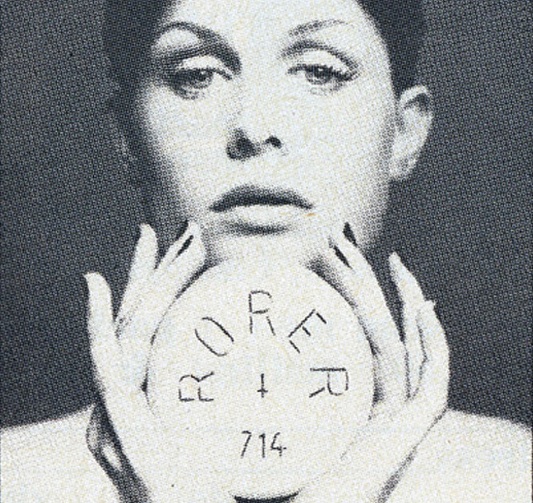
As the 1970s transitioned into the 1980s, the “Quaalude” brand faced a crisis that no amount of traditional PR could fix. The company found itself in the crosshairs of the Drug Enforcement Administration (DEA) and an increasingly vocal public health movement.
Public Relations Disasters and the War on Drugs
The brand became the “poster child” for the emerging War on Drugs. Headlines frequently featured the name Quaalude in connection with high-profile overdoses and criminal activity. For William H. Rorer, Inc., the brand had become “radioactive.” The association between the corporate entity and the drug was beginning to damage the company’s other product lines. This is a classic example of “brand contagion,” where the negative perception of one product begins to infect the entire corporate portfolio.
The Lemon and Rorer Transition
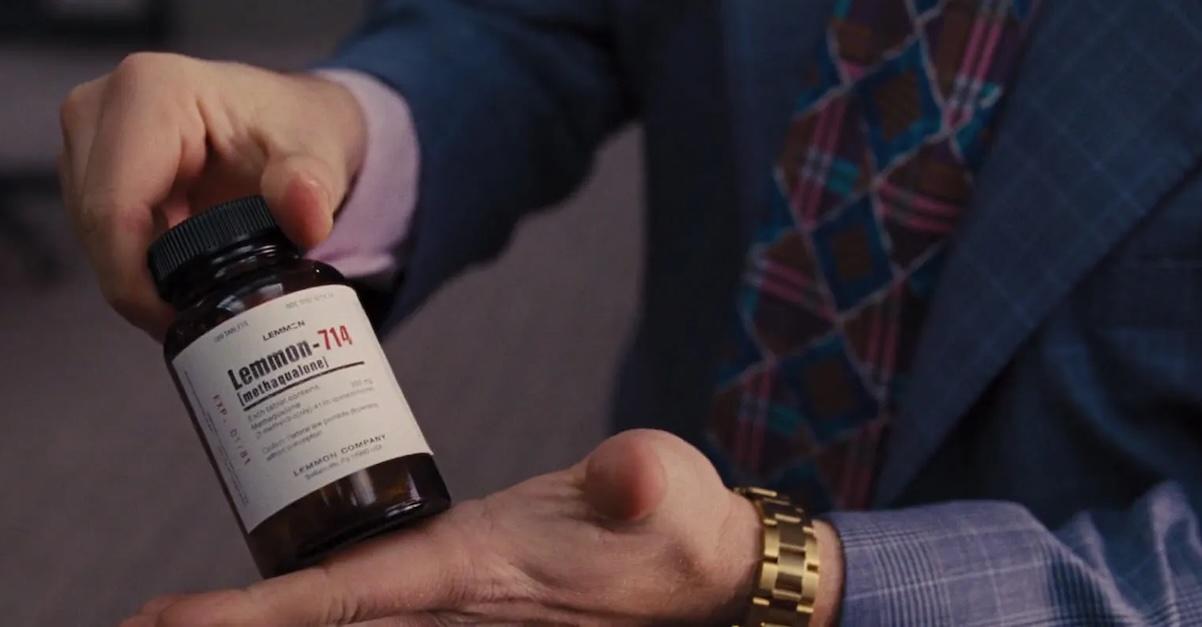
In a desperate attempt to distance itself from the controversy, Rorer sold the rights to Quaalude to the Lemmon Company in 1978. For Lemmon, the acquisition was a calculated risk. They hoped to capitalize on the existing demand while rehabilitating the brand’s image. However, the cultural momentum was too strong. Lemmon attempted to tighten distribution and change the marketing focus, but the “Quaalude” name was too far gone. It was no longer seen as a medical tool; it was seen as a societal menace.
The Final Dissolution: Global Ban and Trademark Death
The end of Quaaludes was not a slow fade-out, but a definitive corporate execution. In 1983, under immense pressure from the DEA and the federal government, the Lemmon Company made the strategic decision to cease production of the drug.
Discontinuing the Product to Save the Corporate Name
The decision to kill the Quaalude brand was a survival tactic. Lemmon realized that as long as they manufactured Quaaludes, their corporate reputation would be synonymous with the “drug epidemic.” By 1984, the drug was moved to Schedule I of the Controlled Substances Act in the United States, effectively making it illegal to manufacture, buy, or possess. This was the final nail in the coffin.
Unlike many brands that go bankrupt and are eventually “resurrected” by private equity firms (like Polaroid or Toys “R” Us), the Quaalude brand was legally and chemically prohibited from ever making a comeback. The trademark essentially became a dead asset.
Why Quaaludes Never Returned (Unlike Other Restricted Brands)
One might wonder why other highly regulated drugs, such as Adderall or Xanax, continue to thrive as brands despite widespread misuse, while Quaaludes vanished. The difference lies in the “clinical anchor.” Brands like Xanax have successfully maintained their status as essential medical tools despite their recreational reputation. Quaaludes lost that anchor. Once the medical community agreed that there were safer alternatives (like benzodiazepines), the brand lost its “reason to exist.” Without a legitimate medical use to balance its cultural notoriety, the brand was defenseless against total erasure.
Lessons for Modern Brand Strategy
The story of “what happened to Quaaludes” serves as a profound warning for modern businesses, particularly those in high-stakes industries like technology and pharmaceuticals.
Maintaining Control in the Age of User-Generated Perception
In today’s digital landscape, the “Quaalude effect”—where a brand is redefined by its users—is more prevalent than ever. Whether it is a social media app being used for unintended purposes or a medication being rebranded by “influencers,” companies must be hyper-vigilant about their brand’s cultural trajectory. The Quaalude case study proves that if you do not define your brand, the culture will define it for you—and the culture may define it into extinction.
The Ethics of High-Stakes Branding
Finally, the Quaalude legacy highlights the ethical responsibility of branding. William H. Rorer’s initial marketing of the drug as “non-addictive” was a strategic choice that led to short-term profits but long-term catastrophe. In modern brand strategy, authenticity and transparency are not just moral virtues; they are essential for brand longevity. A brand built on a false premise is a brand built on a foundation of sand.
The disappearance of Quaaludes was the result of a “perfect storm”: a potent product, a loss of narrative control, and a decisive regulatory response. Today, the name remains a relic of the past, a ghost of a brand that became so famous it could no longer exist. It stands as the ultimate example of how a brand can succeed its way into total oblivion.
aViewFromTheCave is a participant in the Amazon Services LLC Associates Program, an affiliate advertising program designed to provide a means for sites to earn advertising fees by advertising and linking to Amazon.com. Amazon, the Amazon logo, AmazonSupply, and the AmazonSupply logo are trademarks of Amazon.com, Inc. or its affiliates. As an Amazon Associate we earn affiliate commissions from qualifying purchases.