
In the annals of media history, few figures have illustrated the volatile power of a “disruptive brand” as vividly as David “Puck” Rainey. Known simply as Puck during his 1994 tenure on MTV’s The Real World: San Francisco, he became the first true “villain” of the reality television era. However, from a brand strategy perspective, Puck was more than a controversial roommate; he was a prototype for the modern-day influencer who utilizes friction, polarization, and raw authenticity to capture market share.
To understand what happened to Puck is to understand the lifecycle of a brand built entirely on rebellion. In an era before Instagram metrics and TikTok algorithms, Puck managed to create a recognizable personal identity that transcended the screen. Yet, his trajectory serves as a cautionary tale for modern creators about the limitations of a brand that lacks a sustainable value proposition beyond mere disruption.

The Architecture of the Disruptive Brand
When Puck arrived at the iconic San Francisco house on his bicycle, he wasn’t just a person; he was a fully formed brand identity. At a time when Gen X was being marketed to through the lens of “grunge” and “slacker” culture, Puck leaned into a hyper-authentic, aggressive “anti-establishment” persona.
The Iconography of the Bike Messenger
Every strong brand needs visual signifiers. Puck’s brand was built on the rugged, soot-covered aesthetic of a San Francisco bike messenger. This wasn’t a curated fashion choice in the modern sense, but it functioned as one. His refusal to adhere to social norms—famously exemplified by sticking his finger in a jar of peanut butter—was a tactical rejection of “polite” branding. This made him the antithesis of his castmates, particularly the poised and mission-driven Pedro Zamora.
Conflict as a Marketing Tool
In brand strategy, polarization is often more effective than universal appeal. By becoming the “villain,” Puck ensured that he was the focal point of every narrative arc. This is a strategy often seen today with “contrarian” influencers who purposefully take unpopular stances to drive engagement. Puck’s brand thrived on friction; without an adversary, the brand had no engine. However, the risk of this strategy is that it requires a constant escalation of stakes to maintain the same level of public attention.
The Lifecycle of Reality TV Brand Equity
The mid-90s represented a period where the concept of a “reality star” was still being defined. Unlike today’s stars, who enter shows with a pre-packaged media kit and an exit strategy involving a skincare line or a podcast, Puck was operating in a vacuum. His brand equity was high, but he lacked the infrastructure to monetize it sustainably.
The 1994 San Francisco Benchmark
The Real World: San Francisco remains a cultural touchstone because of the clash between Puck’s chaotic brand and Pedro Zamora’s advocacy-based brand. While Pedro sought to humanize the AIDS crisis—building a brand centered on empathy and education—Puck’s brand was centered on the “Self.” In the short term, Puck’s brand was more profitable in terms of raw screen time and notoriety. He became a household name, appearing on magazine covers and late-night talk shows, proving that “infamy” is often a faster route to brand recognition than “fame.”
The Diminishing Returns of Controversy
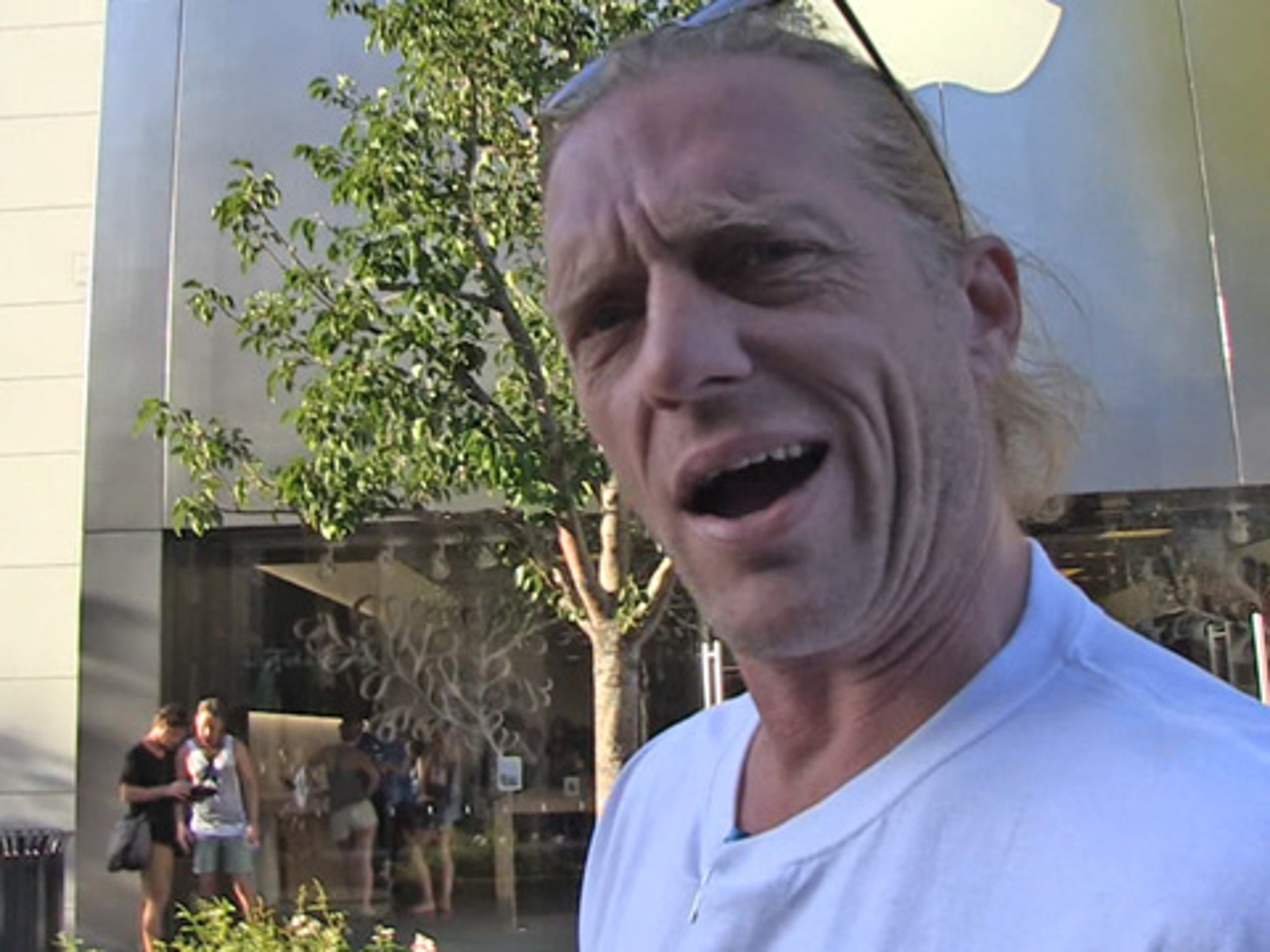
After his initial season, Puck attempted to extend his brand through appearances on The Challenge (then known as Battle of the Sexes). However, the brand began to suffer from diminishing returns. In the world of marketing, if a brand does not evolve, it becomes a caricature. By 2003, the “rebellious bike messenger” trope felt dated. The audience had matured, but the Puck brand remained static. This led to a critical failure in brand positioning: he moved from being a “disruptor” to being a “nuisance,” a shift that significantly devalues any personal brand.
Crisis Management and the Failure of the Brand Pivot
The true “end” of the Puck brand as a viable commercial entity came not from a lack of interest, but from a series of high-profile brand crises that were never properly managed. For a personal brand, the individual’s private actions are the “product quality.” When the product becomes toxic, the brand collapses.
Legal Entanglements and Reputation Damage
Over the decades following his reality TV peak, Rainey faced numerous legal issues, including arrests for domestic violence and stalking. In the realm of brand strategy, these are not just personal failings; they are catastrophic breaches of the “brand promise.” While his early brand was built on “bad boy” energy, there is a distinct line between “rebellious” and “dangerous.” Once a brand crosses that line, it loses its ability to secure corporate sponsorships, media appearances, and mainstream partnerships.
The Lack of a Value Proposition
Most successful reality stars eventually pivot their brand toward a specific utility. For example, some become lifestyle experts, others become political commentators, and some become tech entrepreneurs. Puck’s brand lacked a “Phase 2.” He was famous for being Puck, but he never successfully transitioned that fame into a service or a product. Without a pivot, a personal brand eventually exhausts its social capital. By the time the digital age allowed for direct-to-consumer monetization (Patreon, YouTube, Substack), the Puck brand was too fragmented and controversial to find a stable footing.
Legacy and the Evolution of the “Villain” Archetype
Looking back at Puck’s career offers profound insights into how modern media brands are constructed. He was essentially the “Beta version” of the high-impact, high-conflict creator.
Comparing Puck to Modern Influencers
Today, figures like Logan Paul or Andrew Tate utilize a similar “villain” framework to build massive audiences. The difference lies in the digital infrastructure. Modern disruptors use their notoriety to funnel audiences into specific ecosystems—energy drinks, online academies, or crypto projects. Puck had the audience but no “funnel.” His legacy is a reminder that attention is a commodity, but it is not a business model in itself.
The Power of Strategic Polarization
The “Puck Effect” showed networks that conflict drives ratings. This realization changed the way television was produced, leading to the “casting by archetype” method used today. Brands are now intentionally designed to clash. However, the lesson from Puck’s eventual fading from the limelight is that a brand built on conflict is inherently unstable. To survive long-term, a brand must eventually find a way to offer something more than just a reaction.

The End of the Anti-Establishment Era
In the 90s, being “unfiltered” was a novelty. In the 2020s, “unfiltered” is a standard marketing tactic. Puck’s brand eventually became obsolete because the “establishment” he was fighting against evolved to absorb his style of rebellion. When everyone is a disruptor, the original disruptor loses their competitive advantage.
What happened to Puck was the natural conclusion of a brand that refused to adapt. He remains a fascinating case study in the power of raw personality to break through the noise of traditional media, but also a stark example of how quickly that same power can become a liability without a strategic long-term vision. Today, David Rainey lives largely away from the cameras, a ghost of a media era that he helped define, proving that while a brand can make you a star, only a strategy can keep you there.
aViewFromTheCave is a participant in the Amazon Services LLC Associates Program, an affiliate advertising program designed to provide a means for sites to earn advertising fees by advertising and linking to Amazon.com. Amazon, the Amazon logo, AmazonSupply, and the AmazonSupply logo are trademarks of Amazon.com, Inc. or its affiliates. As an Amazon Associate we earn affiliate commissions from qualifying purchases.