
In the landscape of modern musical theater, few entities have achieved the brand saturation of Lin-Manuel Miranda’s Hamilton. While the narrative centers on the “ten-dollar founding father,” the production serves as a masterclass in ensemble branding. Among the most intriguing case studies within this ecosystem is the character of Peggy Schuyler. Often the subject of memes, fan theories, and casual inquiries regarding her sudden departure from the narrative, the question of “what happened to Peggy” offers a profound opportunity to analyze brand positioning, the “power of three” in marketing, and the strategic pivot of intellectual property within a limited timeframe.
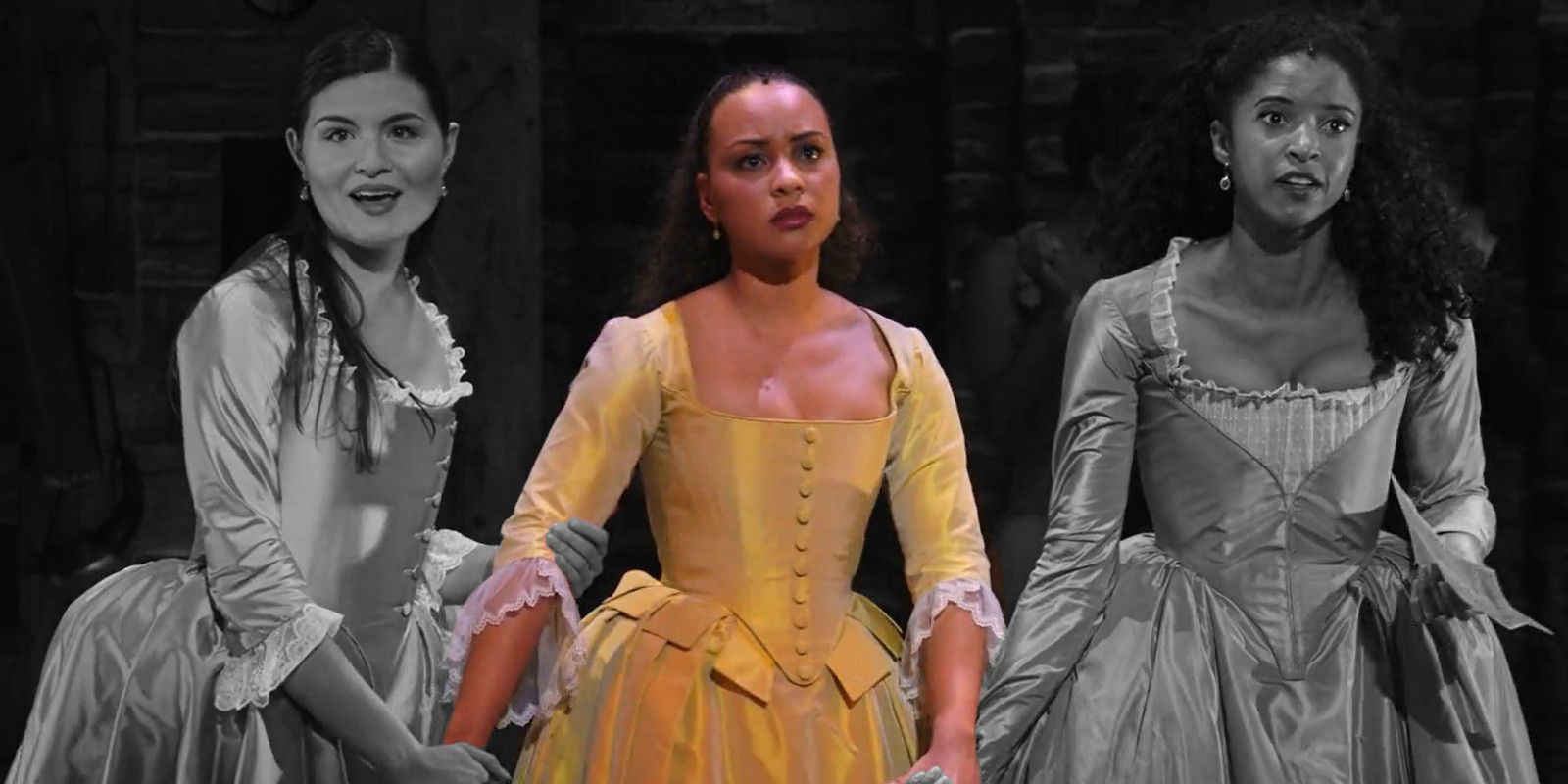
To understand Peggy’s trajectory, one must look past the historical Margarita “Peggy” Schuyler Van Rensselaer and toward the theatrical brand developed for the stage. In branding terms, Peggy represents a tertiary product within a high-performance suite—the Schuyler Sisters. Her “disappearance” in the second act is not merely a narrative choice; it is a calculated brand evolution that demonstrates how entities manage resources, audience attention, and talent allocation.
The Schuyler Sisters as a Brand Ecosystem
The introduction of the Schuyler sisters in the first act of Hamilton is a textbook example of cohesive brand identity. They are presented as a unified front, yet each possesses a distinct “unique selling proposition” (USP) that differentiates them within the market of the story.
The Power of Three in Brand Messaging
In marketing, the “Rule of Three” suggests that concepts or ideas presented in trios are inherently more interesting, more enjoyable, and more memorable. From the “Three Musketeers” to the “Three Little Pigs,” this structure provides a stable foundation for storytelling. In Hamilton, the Schuyler sisters function as a brand collective.
- Angelica Schuyler represents the “Intellectual Brand”: She is the visionary, the strategist, and the protector of the family legacy.
- Eliza Schuyler represents the “Emotional Brand”: She is the heart, the endurance, and the narrative’s ultimate moral compass.
- Peggy Schuyler represents the “Relatable Brand”: She is the observer, the younger sibling, and the voice of caution (“Daddy said to be home by sundown”).
By positioning Peggy as the “relatable” or “fearful” sibling, the brand creates a point of entry for audience members who may feel overwhelmed by the high-stakes political maneuvering of the other characters. However, maintaining three distinct brand identities requires significant narrative “bandwidth.” As the story matures into the second act, the brand ecosystem must streamline to focus on the core conflict.
Strategic Role Differentiation
In the first act, Peggy serves as a harmonic support. Her brand identity is tied inextricably to the collective. In marketing terms, she is a “flanker brand”—a product designed to capture a specific segment of the market (in this case, those who appreciate the youthful, comedic energy) without overshadowing the flagship products (Angelica and Eliza). When the narrative shifts from the optimism of the revolution to the complexity of nation-building, the “Peggy” brand no longer aligns with the darker, more mature tone of the product.
The Disappearing Act: Brand Dilution or Strategic Pivot?
One of the most common questions from first-time viewers is: “Where did Peggy go in Act II?” Historically, Peggy Schuyler married Stephen Van Rensselaer III and led a relatively private life compared to her sisters, eventually passing away in 1801. From a branding perspective, however, her absence is a result of a “Brand Pivot.”
The Pivot to Maria Reynolds: Brand Reinvention
In the original Broadway production and the filmed version, the actor who plays Peggy (originally Jasmine Cephas Jones) transitions into the role of Maria Reynolds in the second act. This is a masterstroke of talent optimization. Rather than hiring a separate actor to manage a minor role, the production “rebrands” a known quantity to serve a new narrative purpose.
This transition represents a total brand overhaul. If Peggy was the “Innocent/Relatable” archetype, Maria Reynolds is the “Seducer/Tragedy” archetype. By using the same actor, the production leverages the audience’s existing affinity for the performer while challenging their perception of her range. For a brand, this is akin to a company like Netflix transitioning from a DVD-by-mail service to a global streaming giant. The core infrastructure (the actor/the logistics) remains the same, but the public-facing identity is completely transformed to meet a new market demand.
The “And Peggy” Phenomenon: Turning Minimal Exposure into a Viral Hook
Paradoxically, Peggy’s lack of screen time in the second act and her repetitive introduction in the first act (“…and Peggy!”) became the most viral aspect of her character. In digital marketing, this is known as “meme-ification.”
The “And Peggy” tagline became a catchphrase that allowed the character to transcend the show itself. By being the “underdog” of the trio, Peggy’s brand equity grew through scarcity. When a brand provides less of a product, the perceived value of that product often increases. Fans began to celebrate Peggy precisely because the show “forgot” her, creating a grassroots marketing movement that ensured her relevance long after her character exited the stage.

Leveraging Scarcity: How Limited Screen Time Created an Iconic Sub-Brand
In the world of personal branding and corporate identity, visibility is usually equated with success. However, Peggy Schuyler’s brand proves that strategic scarcity can be just as effective. By exiting the narrative early, Peggy avoided the “brand fatigue” that can sometimes affect central characters who are forced to endure long, complex arcs.
Cultivating Mystery and Fan Engagement
The “What happened to Peggy?” query is a powerful engagement tool. In content marketing, leaving a “loop” open encourages the audience to seek out more information. This led to a surge in historical research regarding the real Margarita Schuyler. People who came for the musical stayed for the history, effectively expanding the brand’s reach into the educational and biographical sectors.
Peggy became the “cult favorite”—the indie darling of a mainstream blockbuster. Brands often try to manufacture this kind of loyalty by creating “Easter eggs” or hidden features. For Hamilton, Peggy is the Easter egg. Her presence is a wink to the audience, a shared secret among the “true fans” who know that the actor will soon return in a red dress to change the course of the protagonist’s life.
Social Media and the Democratization of Brand Narrative
The rise of TikTok, Instagram, and Twitter allowed the “Peggy Brand” to take on a life of its own, independent of Lin-Manuel Miranda’s script. Fan art, parody accounts, and “Peggy-centric” content flooded these platforms. This illustrates a key principle in modern branding: the brand is no longer what the creator says it is; it is what the consumer says it is.
Because Peggy was a relatively “blank slate” compared to the heavily documented Eliza and Angelica, the audience was able to project their own personalities onto her. She became the brand of the introvert, the brand of the “third wheel,” and the brand of the overlooked. This emotional resonance is what transformed a minor character into a lasting cultural icon.
Lessons in Personal Branding from the Peggy Archetype
What can modern professionals and brand strategists learn from the trajectory of Peggy Schuyler? Her “disappearance” and subsequent viral fame offer several key insights into market positioning.
1. Own Your Niche
Peggy didn’t try to out-sing Angelica or out-suffer Eliza. She owned her space as the youthful, cautious sister. In a crowded marketplace, trying to compete with the industry leader on their terms is a losing strategy. Instead, finding a niche—even if it is smaller—allows for a more focused and loyal following.
2. Embrace the Rebrand
The transition from Peggy to Maria Reynolds teaches us that your current brand identity does not have to be your permanent one. If the market (or the narrative) shifts, be prepared to pivot. Using your existing skills (voice, stage presence) to serve a completely different “customer” (the Act II audience) is the key to longevity.
3. Consistency is Key
The phrase “And Peggy” is repeated with the exact same cadence and energy every time. This consistency created a recognizable “audio logo.” In branding, consistency breeds trust and recognition. Whether it’s a color palette, a tagline, or a tone of voice, staying “on brand” makes you easier to remember.

Conclusion: The Enduring Legacy of the Tertiary Brand
Ultimately, what happened to Peggy in Hamilton is that she became a victim of the story’s success and its need for narrative efficiency—but in doing so, she became a legend of brand management. By “exiting” the brand ecosystem at the height of its first-act climax, she remained untainted by the scandals and tragedies of the second act.
Peggy Schuyler’s journey from a supporting character to a viral sensation is a testament to the power of strategic positioning. She proves that you don’t need the most lines or the longest solo to leave a lasting impression. You simply need a clear identity, a memorable hook, and the wisdom to know when to step off the stage to make room for the next iteration of the brand. In the world of business and theater alike, the most successful brands are those that leave the audience asking, “What happened next?”
aViewFromTheCave is a participant in the Amazon Services LLC Associates Program, an affiliate advertising program designed to provide a means for sites to earn advertising fees by advertising and linking to Amazon.com. Amazon, the Amazon logo, AmazonSupply, and the AmazonSupply logo are trademarks of Amazon.com, Inc. or its affiliates. As an Amazon Associate we earn affiliate commissions from qualifying purchases.