
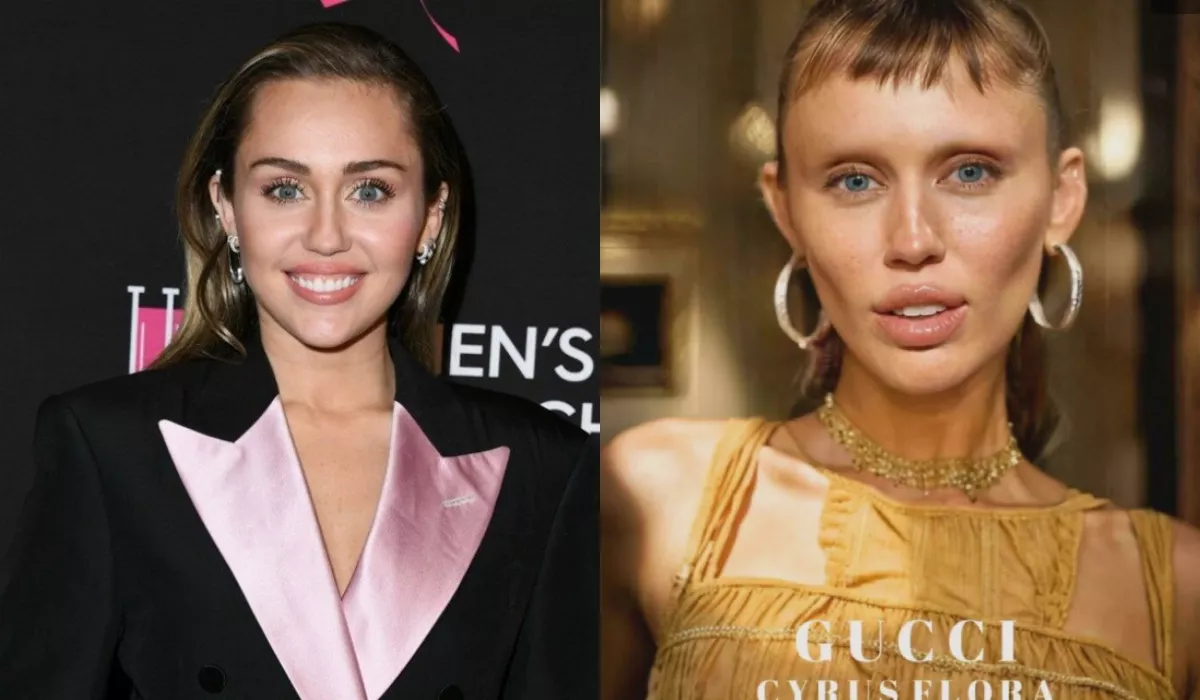
In the hyper-accelerated world of celebrity marketing, a public figure’s physical appearance is rarely just a personal choice; it is a critical component of their visual brand identity. When the internet collectively asks, “What happened to Miley Cyrus’ face?” they are often reacting to a meticulously crafted shift in market positioning. For Miley Cyrus, her “face”—both literal and metaphorical—has served as the primary canvas for one of the most successful brand pivots in the history of the music industry.
From the curated innocence of the Disney era to the avant-garde maturity of her recent Grammy-winning cycle, Cyrus has utilized visual transformation to signal strategic shifts in her artistic direction. To understand what has happened to her face is to understand the mechanics of personal branding, the psychology of audience perception, and the high-stakes game of staying relevant in a saturated digital landscape.

The Visual Identity of a Modern Icon: From Product to Person
The evolution of Miley Cyrus’ brand began with a complete dissolution of a corporate identity. Under the Disney umbrella, her face was the cornerstone of the Hannah Montana franchise—a multi-billion dollar asset that required a specific, unchanging aesthetic: bright smiles, youthful features, and a safe, approachable “girl next door” vibe. In branding terms, this was a “frozen” identity.
The Great Pivot: Deconstructing the Child Star
When Cyrus began her transition into adulthood, the primary hurdle was brand fatigue and the “child star” stigma. To break free, she didn’t just change her music; she changed her visual geometry. The “Bangerz” era, marked by short platinum hair and provocative styling, was a jarring disruption intended to sever the link with her previous corporate identity.
This was a classic “rebranding by demolition” strategy. By drastically altering her face and style, she forced the market to stop associating her with a fictional character and start recognizing her as an independent artist. In this context, the radical shift in her appearance wasn’t just personal expression—it was a necessary business move to reclaim her intellectual property and creative agency.
Visual Maturity and the High-Fashion Era
As Cyrus moved into her thirties, her brand shifted again, this time toward “Legacy Artist.” During the 2024 Grammy Awards, the public’s fascination with her appearance reached a fever pitch. Her look—defined by structured hair, sculpted features, and a refined, vintage-inspired aesthetic—signaled a move toward the high-fashion and rock-and-roll elite.
What the public perceived as “change” was actually the culmination of a “Premiumization” strategy. Like a brand moving from mass-market to luxury, Cyrus’ visual identity shifted from accessible and “messy” to structured and “exclusive.” The sharp lines of her facial aesthetic mirrored the sharp, confident direction of her music in the Endless Summer Vacation era.
The “Face” as a Strategic Asset in Market Positioning
In professional brand strategy, “visual equity” refers to the value that a brand derives from its recognizable look. For a celebrity, this equity is volatile. If you stay the same too long, you become a “legacy act” (stuck in the past). If you change too quickly, you lose “brand recognition.” Miley Cyrus has mastered the middle ground: the “Incremental Evolution.”
Managing Authenticity in the Age of Speculation
The online discourse surrounding cosmetic enhancements or structural changes in Cyrus’ appearance is a double-edged sword. While it invites scrutiny, it also drives massive engagement. In the attention economy, being the subject of speculation is a form of brand currency.
However, Cyrus manages this by maintaining a narrative of health, sobriety, and vocal power. By anchoring her visual changes to her improved vocal range and professional discipline, she ensures that the “new look” is seen as a byproduct of her evolution as a serious musician. This aligns her brand with themes of resilience and self-improvement, which are highly marketable traits in the modern wellness-conscious era.
The Psychology of Brand Reinvention
Human beings are wired to notice change. When a brand updates its logo—like the minimalization of the Starbucks siren or the refinement of the Apple logo—it signals to the consumer that the brand is evolving with the times.
Cyrus uses her own visage in a similar fashion. Each “new face” corresponds to a new “product line” (album). The “Plastic Hearts” era featured a glam-rock aesthetic that signaled a departure from pop into rock territory. The “Flowers” era signaled a move into mature, self-assured pop. By changing her visual identity to match her sonic identity, she reduces the “cognitive dissonance” for her audience, making it easier for them to buy into her new creative direction.
Case Study: The Grammys and the Power of Visual Impact
The 2024 Grammy Awards served as a pivotal moment for the Cyrus brand. After nearly two decades in the industry, she secured her first wins for Record of the Year and Best Pop Solo Performance. The visual narrative presented that night was as important as the awards themselves.
High-Fashion as Corporate Strategy
Cyrus appeared with voluminous, “big hair” and a custom Margiela dress that recalled the icons of the 1970s—Cher, Tina Turner, and Dolly Parton. This was a calculated move to align her personal brand with “The Greats.” By adopting the visual cues of legendary icons, she subconsciously positioned herself as their peer.
What people described as a change in her “face” was largely a change in her brand’s “gravity.” She moved from the light, airy aesthetic of a pop star to the heavy, grounded aesthetic of a rock legend. This transition is incredibly difficult to execute, yet she achieved it by leaning into a look that emphasized maturity and strength over youthful pliability.
Controlling the Narrative Through Visual Maturity
One of the most effective tools in a brand manager’s kit is “Narrative Control.” By presenting a face that looked distinctively different—more defined, more editorial, and more “sculpted”—Cyrus signaled that she was no longer the girl who was “trying” to be a star. She was the star.
The public’s focus on her physical changes actually served the brand by highlighting her “unapologetic” nature. In her brand DNA, “owning one’s truth” is a core pillar. Whether the changes were due to aging, lifestyle shifts, or professional styling, the brand message remained consistent: “I am in control of my image.”
Lessons for Personal Branding and Market Positioning
The fascination with what happened to Miley Cyrus’ face offers several high-level insights for anyone looking to manage their personal or corporate brand in a competitive market.
Consistency vs. Evolution: Finding the Balance
The most successful brands are those that can evolve without losing their core essence. Cyrus has undergone numerous visual transformations, but her “vocal grit” and “authentic rebellion” remain constant.
- Lesson: Change your “packaging” (visuals, website, logo) to stay current, but keep your “product” (core values, quality, voice) consistent. Evolution should feel like growth, not a replacement.
Owning the “New Look”
Whenever a brand undergoes a significant rebrand, there is an inevitable period of “Brand Shock.” This is where the audience reacts negatively to the change (e.g., the backlash to the “Gap” logo redesign).
- Lesson: Cyrus overcomes Brand Shock by leaning into the change with 100% confidence. She doesn’t apologize for or explain away her new look; she performs in a way that makes the new look feel inevitable and earned. To successfully rebrand, you must commit to the new identity entirely.
The Importance of Visual Cues
Every detail of Cyrus’ appearance—from her posture to her facial structure—communicates a message. In the modern market, consumers “read” brands before they “hear” them.
- Lesson: Ensure your visual brand aligns with your current goals. If you want to be seen as a luxury service, your visual identity cannot remain in the “start-up” or “accessible” phase. You must project the “face” of the company you want to become, not the one you used to be.

The Longevity of the Cyrus Brand: A Visual Legacy
Ultimately, the question of “what happened” to Miley Cyrus’ face is answered by the reality of long-term brand survival. In an industry that consumes and discards young talent at an alarming rate, Cyrus has used visual transformation as a survival mechanism.
She has effectively transitioned from a child star to a teenage rebel, then to a country-pop hybrid, a glam-rocker, and finally, to a sophisticated pop icon. Each phase required a new “face” to represent the evolution of her business and artistic interests.
By strategically managing her visual identity, Cyrus has ensured that she remains a topic of conversation, a trendsetter in fashion, and a dominant force in the music industry. The “change” people see is not a loss of her former self, but a masterfully executed expansion of her brand’s reach. In the world of branding, the only thing more dangerous than being controversial is being boring. By constantly evolving her “face,” Miley Cyrus has made sure she is anything but.
aViewFromTheCave is a participant in the Amazon Services LLC Associates Program, an affiliate advertising program designed to provide a means for sites to earn advertising fees by advertising and linking to Amazon.com. Amazon, the Amazon logo, AmazonSupply, and the AmazonSupply logo are trademarks of Amazon.com, Inc. or its affiliates. As an Amazon Associate we earn affiliate commissions from qualifying purchases.