
In the modern media landscape, the line between a person and a product often becomes indistinguishable. This phenomenon is most visible in the realm of reality television, where individuals are curated into brand archetypes designed to satisfy specific market demands. The trajectory of Matt Brown, formerly of the “Alaskan Bush People” franchise, serves as a quintessential case study in personal branding, brand fracture, and the subsequent attempt at brand reclamation in the digital age. Analyzing what happened to Matt Brown from a strategic brand perspective reveals the complexities of managing a persona when it is tethered to a multi-million dollar corporate entity.

The Genesis of the “Alaskan Bush” Brand Archetype
To understand the branding shift surrounding Matt Brown, one must first analyze the foundational brand identity of the “Alaskan Bush People.” The show was not merely a documentary; it was a carefully constructed lifestyle brand centered on the “Wolfpack” ethos. This brand promised viewers a return to primal roots, rugged self-reliance, and an unconventional family hierarchy that stood in stark opposition to urban modernization.
Leveraging the “Wild” Aesthetic for Market Appeal
Matt Brown was positioned as the eldest son and a key pillar of this brand. His persona—energetic, resourceful, and slightly eccentric—served as a vital demographic hook. In branding terms, Matt represented the “Explorer” archetype. His role was to validate the brand’s promise of adventure and survivalist ingenuity. The success of this early branding was reflected in the show’s high ratings, which were driven by a consumer base hungry for “authentic” counter-culture narratives.
During this peak period, Matt’s personal brand was entirely subsumed by the family corporate identity. His value was tied to his proximity to the family unit and his adherence to the established narrative. This is a common strategy in corporate branding where individual components are leveraged to strengthen the master brand, but it creates a high level of risk for the individual: if the master brand fails or the individual is excised from it, their independent market value is often unproven.
The Core Values of the Wolfpack Identity
The Brown family brand relied on three core pillars: isolation, unity, and resilience. For years, Matt Brown’s public-facing persona reinforced these pillars. Marketing materials and episode arcs focused on his ability to innovate in the wilderness, effectively making him a brand ambassador for “off-grid living.” However, as any brand strategist knows, a brand built on a specific “truth” is highly vulnerable to any revelation that contradicts that truth. When Matt’s personal struggles began to surface, they didn’t just affect him; they threatened the integrity of the entire “Alaskan Bush” corporate narrative.
Brand Dissolution: The Conflict Between Corporate Narrative and Personal Truth
The fracture began when Matt Brown’s personal reality diverged from the televised brand narrative. In the world of high-stakes media, a brand is a promise of consistency. When Matt began to struggle with substance abuse and sought treatment, it created a “brand-reality gap.” The network and the family brand faced a choice: integrate these human struggles into the narrative (pivoting toward a “redemption” brand) or distance the individual to protect the original “wild and free” aesthetic.
The Impact of Public Estrangement on Brand Loyalty
The decision to eventually move Matt Brown out of the primary show narrative was a classic corporate risk-mitigation strategy. By removing the “unstable” element, the core brand could continue its trajectory. However, from a personal branding perspective, this left Matt in a state of professional limbo. He was no longer supported by the massive marketing machine of a major network, and his identity was still deeply associated with a brand he was no longer a part of.
This period of silence—often interpreted by fans as “what happened to Matt Brown”—was actually a phase of brand dissolution. In brand management, this is the most dangerous stage. Without active communication, the “market” (the audience) fills the void with speculation, rumors, and negative sentiment. The lack of a controlled narrative during his departure led to a fragmented public perception, proving that in the absence of active personal branding, the public will create their own version of your story.
Pivoting Strategy Amidst Controversy
When Matt Brown eventually resurfaced, he did so by bypassing traditional media gatekeepers. This move represented a strategic shift from being a “component of a brand” to becoming an “independent brand owner.” By using social media platforms to speak directly to his audience, he began the process of deconstructing the polished reality TV persona and replacing it with a brand built on “Radical Transparency.” This was a necessary pivot. He could no longer compete as the “rugged survivalist” because that market was owned by his family’s show; instead, he entered the “wellness and recovery” niche, which allowed for a more sustainable and authentic connection with a modern audience.
Strategic Rebranding: Matt Brown’s Pivot to Authentic Digital Storytelling

In his post-television career, Matt Brown has utilized a “Direct-to-Consumer” (D2C) model for his personal brand. By leveraging Instagram and YouTube, he removed the filters imposed by network editors and producers. This transition is a masterclass in how individuals can reclaim their narrative after a high-profile corporate fallout.
The Transition to Direct-to-Consumer Content
Matt’s current brand is centered on low-production, high-intimacy content. In branding, this is often referred to as “Lo-Fi Authenticity.” While the “Alaskan Bush People” featured cinematic shots and scripted drama, Matt’s solo content often features him speaking directly to a handheld camera in nature. This visual shift signalizes a departure from the “corporate wild” to the “personal real.”
For a brand that has suffered a crisis—such as public legal issues or family estrangement—the most effective recovery strategy is often to lean into the vulnerability. By documenting his journey in gardening, sobriety, and mental health, Matt has successfully transitioned his followers from “viewers of a show” into “supporters of a person.” This creates a much more resilient brand equity because it is built on emotional investment rather than mere entertainment value.
Building Trust through Radical Transparency
One of the most significant moves in Matt’s rebranding has been his willingness to address the “behind-the-scenes” reality of his former life. From a brand strategy standpoint, this is a “whistleblower” tactic. It positions him as the “truth-teller,” which automatically grants him authority in the eyes of an audience that may feel disillusioned by the perceived inauthenticity of reality TV.
By detailing his grievances and his path to healing, he has transformed his brand from a “fallen star” to a “relatable survivor.” This niche is incredibly powerful in the current digital economy, where consumers prioritize mental health awareness and “realness” over manufactured perfection.
Lessons in Brand Longevity: What Content Creators Can Learn from the Matt Brown Arc
The evolution of Matt Brown provides several vital takeaways for anyone managing a personal brand, whether they are a corporate executive, a social media influencer, or a creative professional.
The Danger of Brand Dependency
The primary lesson from Matt Brown’s experience is the risk of “Brand Dependency.” When your entire professional identity is owned by another entity—whether that is a TV network, a record label, or a traditional employer—you are essentially a “rented” brand. If the landlord decides to evict you, you are left with no platform and no clear identity.
Matt’s struggle to redefine himself highlights the importance of building “Brand Sovereignty.” Modern professionals must maintain an independent presence (such as a personal website, an email list, or a dedicated social following) that they own entirely, regardless of their current employment or contract status.
Authenticity as a Sustainable Business Asset
While “authenticity” is often dismissed as a buzzword, Matt Brown’s case proves it is a tangible business asset. When his “Wild” brand was revealed to be a construction, his value plummeted. However, when he began building a brand on his actual life—struggles and all—his engagement stabilized and began to grow in a more meaningful direction.
For brands facing a crisis, the Matt Brown model suggests that the path forward is not through better PR or more polished marketing, but through extreme honesty. In a world of AI-generated content and deepfakes, the human element—scarred, imperfect, and evolving—is becoming the most valuable commodity in the marketplace.
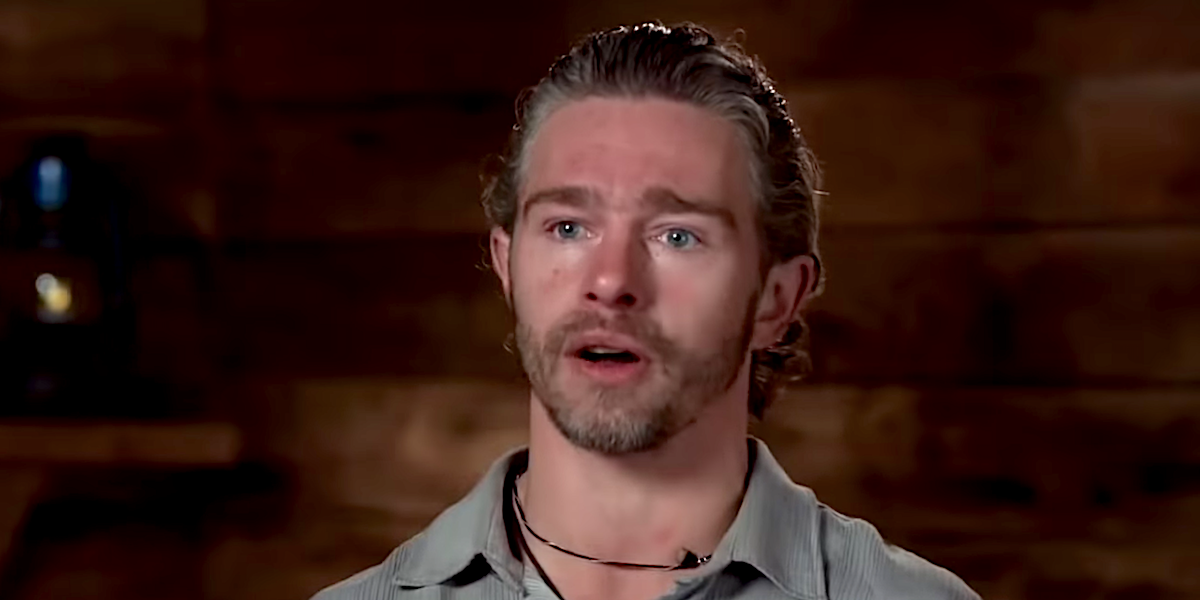
The Power of the Niche Pivot
Matt didn’t try to recreate “Alaskan Bush People” on his own. He understood that he couldn’t compete with the scale of Discovery Channel. Instead, he pivoted to a niche: the intersection of outdoor living and mental health recovery. This is a strategic “blue ocean” move. By combining two seemingly unrelated areas, he created a unique brand space where he has little direct competition.
In conclusion, “what happened to Matt Brown” is not just a story of a reality TV star moving on; it is a narrative of a brand being broken down to its rawest elements and rebuilt with a focus on longevity, transparency, and independence. His journey serves as a reminder that while a corporate brand can provide a platform, only a personal brand built on truth can provide a lasting legacy.
aViewFromTheCave is a participant in the Amazon Services LLC Associates Program, an affiliate advertising program designed to provide a means for sites to earn advertising fees by advertising and linking to Amazon.com. Amazon, the Amazon logo, AmazonSupply, and the AmazonSupply logo are trademarks of Amazon.com, Inc. or its affiliates. As an Amazon Associate we earn affiliate commissions from qualifying purchases.