
The story of Mary, the mother of Jesus, is often examined through the lens of theology or history. However, from a strategic perspective, the period following the crucifixion marks one of the most successful examples of brand evolution and legacy management in human history. After the central figure of the movement was no longer physically present, the “Mary brand” underwent a transformation from a supportive, secondary figure to a global icon of maternal intercession, resilience, and authority.
Understanding what happened to Mary after Jesus’ death requires looking beyond the historical silence of the era and analyzing how her identity was curated, scaled, and protected. This transformation offers profound insights into brand strategy, narrative consistency, and the power of emotional archetypes in maintaining long-term institutional relevance.
The Transition from Figure to Archetype: Strategic Narrative Positioning
In the immediate aftermath of the crucifixion, the movement faced a critical branding crisis: the loss of its central charismatic leader. During this period, Mary’s role shifted from a biological mother to a “brand matriarch.” This was not a passive occurrence but a strategic positioning that provided the early community with a sense of continuity and organic legitimacy.
The Role of the Elder Stateswoman
Historical and textual evidence suggests that Mary remained a core member of the early community in Jerusalem. In the context of brand strategy, she functioned as the “Keeper of the Origin Story.” By her presence, she validated the narrative of the founder, providing an authentic link to the movement’s beginnings. In personal branding, this is known as “heritage validation.” Because she was the only person who could speak to the internal, private beginnings of the founder’s life, her brand equity skyrocketed. She became the ultimate primary source, transforming from a character in the story to the steward of the narrative itself.
From Individual Identity to Universal Symbol
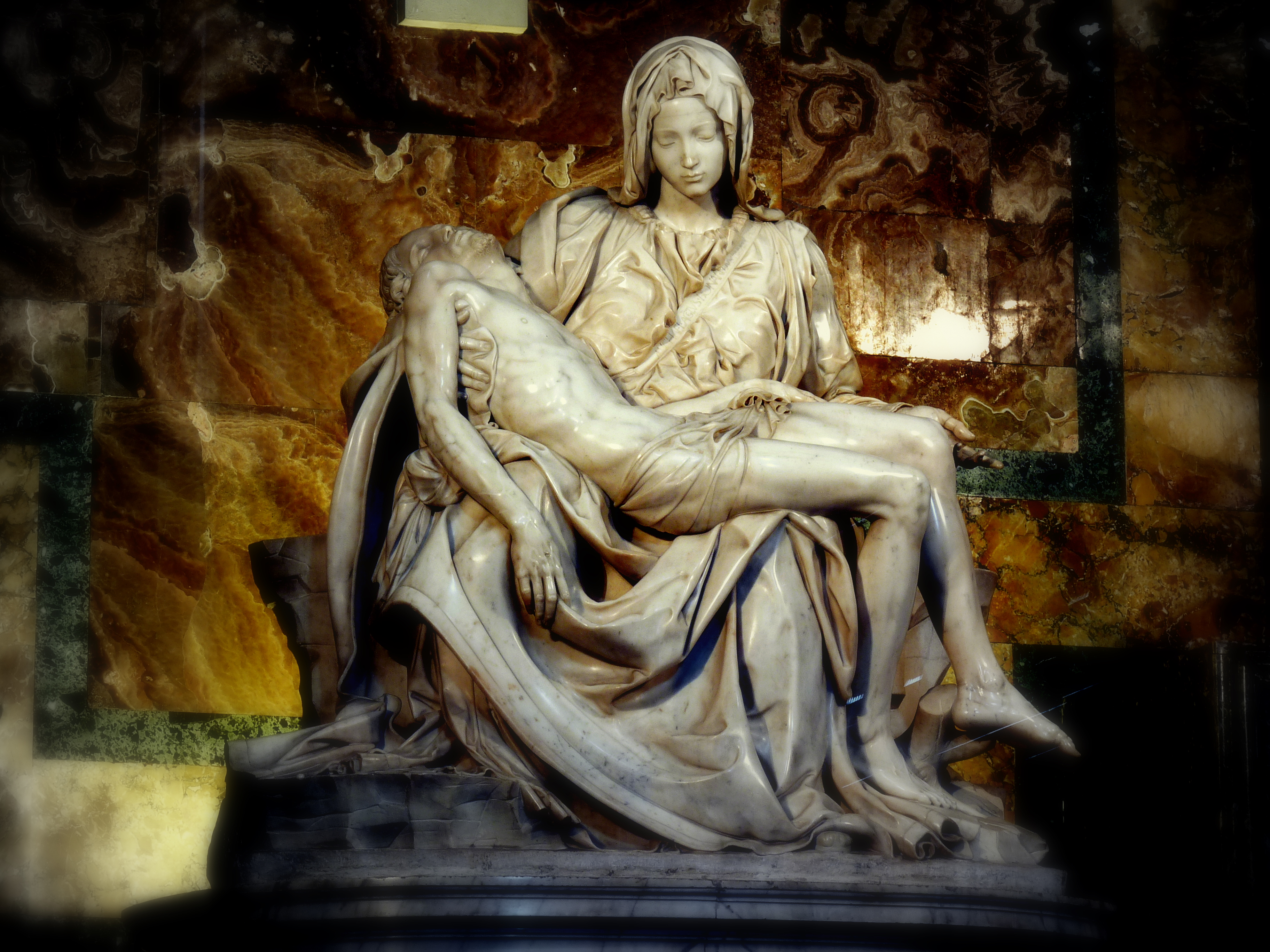
The genius of the Marian brand evolution lies in its move toward universality. Following the death of Jesus, the narrative surrounding Mary began to strip away specific, localized biographical details in favor of broader, more relatable attributes. This is a classic branding move: to scale globally, a brand must move from the “specific” to the “archetypal.” By focusing on her role as a grieving mother (the “Mater Dolorosa”) and a resilient survivor, her identity became accessible to diverse cultures and demographics. She stopped being just a woman from Nazareth and started becoming a symbol of universal motherhood, which allowed the brand to penetrate markets far beyond its original geographic borders.
The Architecture of Visual Identity and Symbolism
No brand survives two millennia without a rigorous and consistent visual identity. What happened to Mary after the death of her son was the gradual construction of a visual language that communicated complex values without the need for text. This is a fundamental principle in corporate identity: the ability for a logo or a color to trigger a specific emotional response.
Color Theory and Recognition
In the centuries following her life, Mary’s visual brand was standardized with remarkable precision. The use of “Marian Blue”—often a deep lapis lazuli—became a non-negotiable brand asset. Blue symbolized divinity, peace, and the sky, while the red often worn beneath it symbolized her humanity and the blood of her son. This color consistency ensured that whether a follower was in a cathedral in Europe or a small chapel in Ethiopia, the brand was instantly recognizable. For modern brand strategists, this serves as a reminder that color isn’t just an aesthetic choice; it is a subconscious anchor for brand recognition.
Iconography as a Communication Tool
Because the early “target audience” for this movement was largely illiterate, the visual representation of Mary served as the primary communication channel. The development of specific iconographic styles—such as the “Hodegetria” (she who shows the way)—created a functional brand roadmap. In these images, Mary is always pointing toward the founder, Jesus. This reinforced her role as a secondary but essential “gateway” brand. She was never the product; she was the ultimate brand ambassador, a strategic position that lowered the barrier to entry for new followers by providing a more approachable, human entry point to the movement’s more complex theological “product offerings.”

Global Scalability through Cultural Localization
One of the most impressive feats of the Mary brand is its ability to adapt to local cultures without losing its core identity. In branding terms, this is known as “Glocalization”—the practice of conducting business according to both local and global considerations.
The Master of Cultural Adaptation
As the movement spread across the Roman Empire and eventually the globe, the image of Mary was adapted to reflect the ethnicity and cultural values of each specific region. From Our Lady of Guadalupe in Mexico to the Black Madonnas of Europe and the diverse depictions in Asia, the “Mary brand” showed an unprecedented level of flexibility. Unlike many modern brands that fail because they are too rigid to adapt to local sensibilities, the Marian legacy thrived by allowing local communities to “own” a version of her identity.
Maintaining Brand Integrity Across Iterations
Despite these myriad local versions, the core brand pillars remained intact: purity, suffering, advocacy, and maternal protection. This is the holy grail of brand management—maintaining a “central brand DNA” while allowing for infinite local variations. It prevented the brand from becoming fragmented or diluted. Each local “franchise” of the Marian identity felt authentic to the local culture, yet was immediately identifiable as part of the global brand family. This balance of flexibility and consistency is why the brand remains dominant in the global marketplace of ideas today.
Narrative Sustainability: Protecting the Legacy
What happened to Mary after Jesus’ death was also a feat of crisis management and sustainability. The leaders of the movement recognized that to keep the brand alive, they needed to elevate the figure beyond the reach of historical criticism or the physical limitations of her life.
The Power of Perpetual Relevance
The “story” of Mary did not end with her death; it was strategically extended. Narratives concerning her “Assumption” or her “Coronation” served to move the brand from a historical context into a perpetual, timeless one. In a business sense, this is the equivalent of moving a company from being a “product provider” to a “lifestyle or legacy provider.” By positioning Mary as an eternal advocate who exists outside of linear time, the brand ensured its relevance for every subsequent generation. It moved from being a piece of history to being a current, active service.
Leveraging the Intercessor Model
A key component of the brand’s sustainability was the development of the “Intercessor Model.” In this strategic framework, Mary acts as a mediator between the customer (the follower) and the high-level authority (the divine). This creates an indispensable “value add.” For many, the central brand was too high-level, too intimidating, or too distant. Mary provided a user-friendly interface. She was the “Customer Success Manager” of the movement. By positioning her as someone who listens to individual grievances and petitions, the brand fostered a deep, emotional loyalty that is rarely seen in modern consumer brands.

Conclusion: Lessons from the 2,000-Year Case Study
The trajectory of Mary’s identity after the death of Jesus is the ultimate case study in brand longevity. By evolving from a historical figure into a universal archetype, establishing a consistent yet flexible visual identity, and positioning herself as an approachable mediator, the “Mary brand” achieved a level of market penetration and brand equity that is virtually unmatched.
For modern strategists, the lesson is clear: long-term success is not just about the quality of the initial “product” or founder. It is about how the supporting narrative is managed, how the legacy is scaled, and how the brand adapts to the shifting cultural landscape while staying true to its core pillars. What happened to Mary after Jesus’ death was not just the end of a life, but the beginning of a strategic global identity that would redefine the concept of legacy for millennia to come.
aViewFromTheCave is a participant in the Amazon Services LLC Associates Program, an affiliate advertising program designed to provide a means for sites to earn advertising fees by advertising and linking to Amazon.com. Amazon, the Amazon logo, AmazonSupply, and the AmazonSupply logo are trademarks of Amazon.com, Inc. or its affiliates. As an Amazon Associate we earn affiliate commissions from qualifying purchases.