
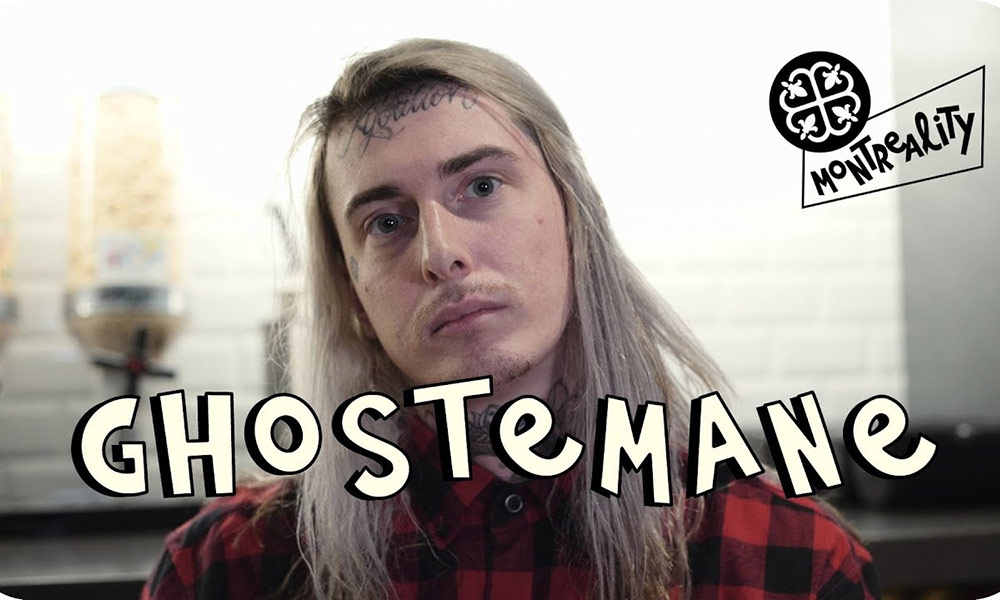
In the hyper-accelerated landscape of the digital attention economy, the most common strategy for artists and brands is “constant presence.” The prevailing wisdom suggests that if you are not posting, streaming, or engaging daily, you are fading into irrelevance. However, Eric Whitney, known professionally as Ghostemane, has defied this convention through a masterclass in extreme personal branding and the strategic use of scarcity. When fans and industry analysts ask “what happened to Ghostemane,” they are not merely inquiring about a release schedule; they are reacting to a deliberate brand strategy of tactical withdrawal.

Ghostemane’s trajectory offers a profound case study in how a brand can maintain high equity while remaining largely invisible in the traditional sense. By analyzing his visual identity, market positioning, and the psychological impact of his “dark periods,” we can understand how he transformed from a niche underground figure into a global brand powerhouse that thrives on mystery.
The Architecture of an Anti-Icon: Building a Visual Language
The foundation of the Ghostemane brand is built on a highly specific, uncompromising visual language. Unlike many artists who pivot their aesthetics to match current trends, Whitney doubled down on a synthesis of industrial, occult, and 1930s-style rubber-hose animation aesthetics. This created a “visual moat” around his brand—an identity so distinct that it is instantly recognizable and nearly impossible to replicate without appearing derivative.
The Power of the Sigil and Logo
In branding, a logo is more than an identifier; it is a vessel for the brand’s values. Ghostemane’s use of sigils and esoteric iconography functions as a high-concept corporate identity. By utilizing symbols that feel ancient and mysterious, the brand bypasses the “temporary” feel of modern rap aesthetics. This strategic choice creates a sense of permanence. When a brand uses symbols instead of just a name, it invites the audience to participate in a “culture” or a “cult” rather than just consuming a product. This fosters a level of brand loyalty that is resilient even during periods of inactivity.
Transmedia Storytelling Through Music Videos
Ghostemane’s brand was largely solidified through his visual output. The music video for “Fed Up” or “Mercury: Retrograde” utilized animation styles that contrasted sharply with the aggressive nature of the audio. This juxtaposition is a classic branding technique: creating tension to capture attention. By investing heavily in high-production, high-concept visuals, Ghostemane positioned his brand as a premium “boutique” experience within the crowded underground scene. He wasn’t just another artist on a smartphone camera; he was a curator of a specific cinematic universe.
The Strategic Disappearance: Scarcity as a Marketing Driver
The question “what happened to Ghostemane” is, in itself, a testament to the success of his brand strategy. In a world of overexposure, silence is a luxury good. Whitney has mastered the art of the “dark period”—long stretches of time where he wipes his social media presence and ceases all public communication.
Defying the Algorithm
Most brands are slaves to the algorithm, fearing that a week without a post will lead to a catastrophic drop in reach. Ghostemane’s strategy operates on the principle of “Negative Space.” By removing himself from the noise, he creates a vacuum that his fan base rushes to fill with speculation, fan art, and deep-dive theories. This organic engagement is far more valuable than the forced engagement generated by a standard promotional campaign. When he finally does reappear, the market “hunger” has reached a fever pitch, ensuring that his return is a major event rather than just another notification.
Maintaining Brand Equity Through Enigma
When a brand is too accessible, its value often plateaus or declines. Luxury brands like Rolex or Hermès understand that exclusivity is maintained through barriers. Ghostemane applies this to his persona. By not participating in the standard cycle of interviews, podcasts, and “behind-the-scenes” vlogging, he maintains the integrity of his brand persona. There is no “humanization” that might dilute the intensity of the Ghostemane character. This separation between Eric Whitney the person and Ghostemane the brand is a critical component of his longevity.
Niche Domination: Positioning the “Trap Metal” Brand
Ghostemane didn’t just join a genre; he helped brand a movement often referred to as “trap metal.” From a marketing perspective, he successfully identified a “Blue Ocean”—a market space that was previously underserved. By merging the sonic elements of hardcore metal with the rhythmic structures of Southern hip-hop, he captured two distinct demographics and fused them into a single, loyal audience.
Vertical Integration of Influence
The Ghostemane brand successfully vertically integrated various subcultures: skaters, metalheads, rap fans, and the “e-boy/e-girl” digital aesthetic. Each of these groups found a point of entry into the brand. This cross-pollination is a dream for any brand strategist. It allowed Ghostemane to scale his business—selling out international tours and moving massive amounts of merchandise—without ever having to “sell out” in the traditional sense. He stayed in his niche but made that niche global.
Merchandise as a Lifestyle Statement
For many artists, merchandise is an afterthought. For Ghostemane, it is a primary brand extension. His apparel often mimics high-end streetwear or niche band merch, utilizing high-quality materials and complex designs. When a fan wears a Ghostemane shirt, they aren’t just supporting a musician; they are signaling their membership in a specific aesthetic tribe. This turns the audience into walking billboards, further strengthening the brand’s organic reach during his periods of silence.
The Future of the Identity: Rebranding and Evolution
As we look at “what happened” in the most recent chapter of his career, we see a shift toward even more experimental branding. The release of ANTI-ICON was a literal and figurative statement on his position in the industry. It served as a manifesto for a brand that refuses to be categorized or commodified by traditional means.
Managing Brand Maturity
Every brand eventually faces the challenge of maturity. How do you stay “underground” when you have millions of followers? Ghostemane has managed this by continuously evolving his sound and visual output to stay ahead of his imitators. By the time other artists began to mimic the “Ghostemane sound,” he had already pivoted into more industrial and noise-influenced territories. This “First Mover Advantage” combined with a relentless commitment to evolution keeps the brand from becoming a caricature of itself.
The Power of Personal Rebranding
There have been instances where Whitney has experimented with side projects or different monikers (such as Baader-Meinhof or his black metal projects). From a brand management perspective, these are “Sub-Brands.” They allow the creator to explore different creative avenues without diluting the core “Ghostemane” brand. This keeps the primary brand “pure” while satisfying the need for creative experimentation.

Conclusion: The Ghostemane Blueprint
Ghostemane has not “disappeared”; he has simply evolved into a more sophisticated version of the brand he started years ago. He has proven that in the digital age, you do not need to follow the rules of the platform to win. By prioritizing visual consistency, strategic scarcity, and niche domination, he has built a brand that can survive—and even thrive—in total silence.
The lesson for brand strategists and personal brands is clear: value is not created by how much you say, but by the impact of what you say when you finally choose to speak. Ghostemane remains a potent example of how to maintain a high-value, high-impact brand identity in an era of disposable content. He hasn’t gone anywhere; he is simply waiting for the noise to die down so that his next move can be heard with maximum clarity. The “mystery” of what happened to him is not a sign of a failing brand, but the ultimate proof of a successful one.
aViewFromTheCave is a participant in the Amazon Services LLC Associates Program, an affiliate advertising program designed to provide a means for sites to earn advertising fees by advertising and linking to Amazon.com. Amazon, the Amazon logo, AmazonSupply, and the AmazonSupply logo are trademarks of Amazon.com, Inc. or its affiliates. As an Amazon Associate we earn affiliate commissions from qualifying purchases.