
In the landscape of modern music, few names carry as much weight in the gospel and urban contemporary sectors as Fred Hammond. For over four decades, Hammond has not merely been a performer; he has functioned as a central architect of a genre. However, as the digital age shifted the way audiences consume media, many have asked “what happened to Fred Hammond” in a way that suggests a disappearance from the limelight. In reality, Hammond’s journey offers a masterclass in brand evolution, personal resilience, and the strategic management of a legacy during a period of intense industry disruption.

To understand where Fred Hammond is today, one must analyze his career through the lens of brand strategy. He has successfully transitioned from a high-output commercial artist to a legacy brand that maintains influence through mentorship, digital adaptation, and an unwavering commitment to a signature “sound” that remains his primary competitive advantage.
The Architecture of an Iconic Personal Brand
A personal brand is built on consistency and differentiation. For Fred Hammond, these elements were established long before the era of social media. His career trajectory provides a blueprint for how a brand can scale from a niche collective to a global solo identity.
The Commissioned Era: Laying the Foundation
In the 1980s, Hammond was a founding member of the group Commissioned. From a branding perspective, this era served as the “R&D” phase of his career. Commissioned broke the traditional molds of gospel music by integrating contemporary R&D and funk elements. Hammond’s role was not just as a vocalist but as a bassist and producer. This multi-hyphenate status allowed him to control the technical aspects of the brand’s output.
The lesson here for brand strategists is the importance of “technical mastery as a brand pillar.” Because Hammond understood the mechanics of the music, his brand was never at the mercy of external producers. He owned the “Hammond Sound” from the ground up, ensuring that even when he eventually left the group, he carried the intellectual and creative property of his style with him.
The Radical for Christ Pivot: Scaling the Vision
When Hammond moved into his solo career and formed the choir Radical for Christ (RFC), he executed a perfect brand pivot. He transitioned from being a “member of a band” to a “leader of a movement.” The release of albums like Pages of Life: Chapters 1 & 2 in the late 90s solidified his market position.
This era was defined by “Brand Authority.” Hammond wasn’t just selling songs; he was selling an experience—live, high-energy worship that felt both professional and personal. By the early 2000s, Fred Hammond had become the gold standard for urban gospel, a position he held by consistently delivering a high-quality product that met the emotional and spiritual needs of his target demographic.
Navigating the Intersection of Health and Public Identity
One of the primary reasons the public began asking “what happened” to Hammond relates to his physical health and subsequent absence from the touring circuit. For a personal brand that relies heavily on physical presence and live performance, health issues are not just a personal matter—they are a business risk.
The Strategic Value of Vulnerability
In 2014, Hammond underwent a double knee replacement surgery. For many celebrities, health struggles are kept behind a veil of PR-managed secrecy. Hammond, however, chose the path of transparency. He documented his recovery process, including his struggles with mobility and his weight loss journey.
In the world of personal branding, this is known as “Humanizing the Brand.” By showing his vulnerability, Hammond strengthened the emotional bond with his audience. Instead of appearing as an untouchable icon, he became a relatable figure fighting through a universal human experience. This transparency mitigated the negative impact of his reduced touring schedule; his audience wasn’t wondering why he was gone—they were rooting for his return.
Reclaiming the Physical Narrative
Following his recovery, Hammond’s physical transformation became a new chapter in his brand story. He began speaking openly about lifestyle changes and the importance of longevity. This shift allowed him to expand his brand into the wellness and motivational space. It demonstrated that a personal brand can successfully pivot its messaging to reflect the current reality of the individual, provided that the core values—in Hammond’s case, faith and resilience—remain constant.

Digital Adaptation and the Legacy Lift
As the music industry shifted from physical sales to streaming, many veteran artists struggled to remain relevant. Fred Hammond’s recent years have been defined by how he has navigated this digital transition, proving that a legacy brand can find new life in a tech-driven market.
The Verzuz Phenomenon: Brand Revitalization in Real Time
Perhaps the most significant moment in Hammond’s recent brand history was his Verzuz battle against Marvin Sapp in 2020. During the height of the COVID-19 pandemic, the Verzuz platform became a critical cultural touchstone. For Hammond, this was more than a friendly competition; it was a high-profile brand activation.
The event introduced Hammond’s catalog to a younger generation of listeners who may have grown up hearing his music in their parents’ homes but had never engaged with him directly. The data following the event showed a massive spike in streaming numbers for his classic hits. This is a prime example of “Leveraging Platforms for Re-Discovery.” Hammond didn’t need to release a new album to regain relevance; he simply needed to position his existing “brand equity” in a modern, digital context.
Social Media as a Continuous Touchpoint
Hammond has maintained a robust presence on platforms like Instagram and Twitter. Unlike many of his contemporaries who use social media solely for promotion, Hammond uses it for “Direct Engagement.” He frequently hosts live sessions, shares behind-the-scenes glimpses of his production process, and interacts directly with fans.
From a marketing perspective, this reduces the “Distance to Brand.” In the past, Hammond was an unreachable figure on a stage. Today, he is a voice in his followers’ feeds. This constant visibility ensures that the question “what happened to him” is answered daily through active participation in the digital ecosystem.
The Future of the Fred Hammond Enterprise
Today, Fred Hammond is far from retired. He has transitioned into a “Statesman” role within the industry, focusing on sustainable brand growth and the development of new talent.
Diversification and Mentorship
Hammond has increasingly focused on his production company, Face to Face Productions. By moving into the role of a facilitator and mentor, he is ensuring the longevity of his influence. He is no longer the only product; he is now the curator of other products. This is a common strategy for high-level personal brands—moving from “Artist” to “Executive/Consultant.”
By mentoring younger artists and producing their work, he infuses the “Hammond Sound” into the next generation. This creates a “Legacy Loop” where his influence continues to grow even if he isn’t the primary performer on a track. It is a strategic move that shifts the brand from a depreciating asset (the physical voice) to an appreciating asset (the creative methodology).
Sustaining Relevance in a Streaming Economy
The current challenge for Hammond, and any artist of his tenure, is the “Algorithm Game.” To stay visible, legacy brands must remain active in the streaming ecosystem. Hammond has continued to release singles and collaborative projects, ensuring that he stays in the “Recent Releases” queues of major platforms.
His brand strategy now focuses on “Niche Dominance.” He understands that he does not need to compete with pop stars for the top of the Billboard Hot 100. Instead, he maintains a stronghold on the Urban Gospel and Christian markets. By serving his core audience with high-frequency, high-quality content, he ensures a steady stream of revenue and relevance.
Conclusion: The Resilient Brand
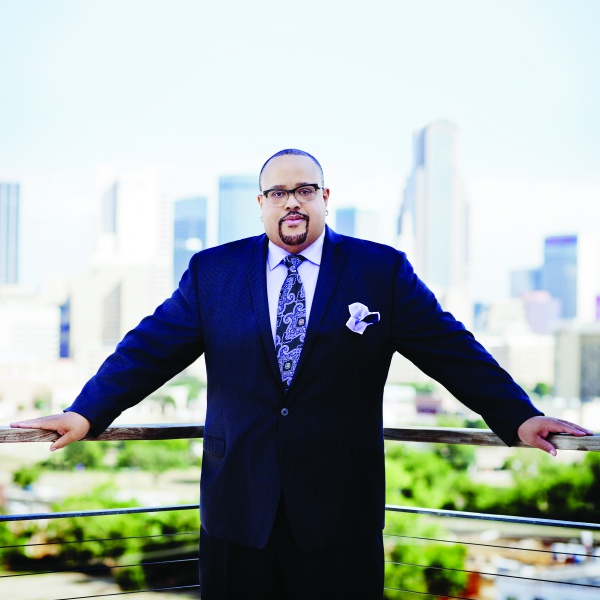
What happened to Fred Hammond is not a story of decline, but a story of deliberate evolution. He has navigated the treacherous waters of the music industry, survived significant health challenges, and successfully crossed the bridge from the analog era to the digital age.
Hammond’s current status is a testament to the power of a well-managed personal brand. He has remained true to his core identity while being flexible enough to change his delivery methods. Whether through a viral Verzuz battle, a candid Instagram live session, or a new production credit, Fred Hammond continues to demonstrate that a brand built on authenticity, technical excellence, and strategic adaptation is immune to the passage of time. He has moved beyond being just a singer; he is a permanent fixture in the cultural landscape, proving that “what happened” to him was simply the process of becoming a legacy.
aViewFromTheCave is a participant in the Amazon Services LLC Associates Program, an affiliate advertising program designed to provide a means for sites to earn advertising fees by advertising and linking to Amazon.com. Amazon, the Amazon logo, AmazonSupply, and the AmazonSupply logo are trademarks of Amazon.com, Inc. or its affiliates. As an Amazon Associate we earn affiliate commissions from qualifying purchases.