
In the realm of global personal branding, few figures have maintained as much consistency and emotional resonance as Marshall Mathers, known globally as Eminem. While the music industry often prioritizes manufactured personas and glossy aesthetics, Eminem’s brand was built on the foundation of raw, unvarnished reality. Central to this narrative—and perhaps the most significant catalyst for the “Eminem” identity—was his relationship with his uncle, Ronnie Polkingharn.
To understand what happened to Ronnie is to understand the core of Eminem’s brand strategy. Ronnie was more than a relative; he was the primary influence on Mathers’ artistic direction and the emotional anchor for his early work. The tragedy of Ronnie’s death in 1991 did more than change a young man’s life; it defined the “Slim Shady” brand’s unique value proposition: the monetization of authentic pain and the transformation of personal trauma into a universal narrative.

The Architect of the Brand: Ronnie Polkingharn’s Influence
Every legendary brand has an origin story—a moment or a person that serves as the spark for its creation. For Eminem, Ronnie Polkingharn was that spark. Ronnie, who was only slightly older than Marshall, introduced him to hip-hop, specifically gifting him the Breakin’ soundtrack. This wasn’t just a gift; it was the delivery of a brand’s future medium.
The Mentor Relationship as Brand Foundation
In branding, the “mentor” figure often serves to humanize the protagonist. Ronnie represented the bridge between Marshall Mathers, the struggling teenager, and Eminem, the aspiring artist. By teaching him how to rap and encouraging his creativity, Ronnie helped develop the technical skills that would later become the brand’s hallmark: intricate rhyme schemes and storytelling precision.
The Catalyst of Tragedy
In 1991, Ronnie Polkingharn died by suicide. For many brands, a tragedy of this magnitude would be treated as a private matter, kept far from the public-facing image. However, the Marshall Mathers brand took a different path. Instead of burying the trauma, it became a cornerstone of the narrative. This decision laid the groundwork for a brand that prioritized radical transparency over polished perfection.
Converting Trauma into Brand Equity: The Authenticity Play
The primary challenge in brand strategy is establishing a “Reason to Believe” (RTB). For Eminem, the RTB was his lived experience. The death of Ronnie became a recurring theme in his discography, serving as a pulse point for his audience to connect with his emotional reality.
Narrative Consistency and the “Ronnie” Motif
Eminem’s brand is characterized by narrative consistency. From his debut album to his most recent works, Ronnie is mentioned frequently—not as a marketing gimmick, but as a structural pillar of his identity. Songs like “Stan,” “Cleanin’ Out My Closet,” and “Mockingbird” reference Ronnie to provide context for the artist’s anger, depression, and eventual growth.
In marketing terms, this is known as “Storytelling Continuity.” By referencing Ronnie across decades, Eminem ensured that his audience grew with him. The audience wasn’t just buying music; they were invested in the ongoing story of a man navigating grief. This level of engagement is the holy grail of brand loyalty.
Physical Branding: The “Ronnie RIP” Tattoo
A brand’s visual identity often includes logos and symbols. Eminem took this a step further by tattooing “Ronnie RIP” on his upper left arm. This physical manifestation of his grief served as a constant visual cue to his audience. Whenever he appeared in a music video or on stage, the tattoo acted as a brand mark—a symbol of the loss that fueled his art. It signaled to his fans that his pain was permanent, visible, and authentic.
The “Slim Shady” Pivot: Using Grief to Define a Persona
The death of Ronnie didn’t just provide content; it provided the emotional fuel for the “Slim Shady” persona. This persona allowed Eminem to explore the darkest corners of the human psyche, often using his grief over Ronnie as a justification for his brand’s aggressive and controversial nature.
Contrast as a Marketing Tool
The brilliance of the Eminem brand lies in the contrast between the hyper-violent, satirical Slim Shady and the vulnerable, grieving Marshall Mathers. Ronnie was the key to this duality. When Eminem raps about Ronnie, the “mask” of Slim Shady often slips, revealing the human underneath.
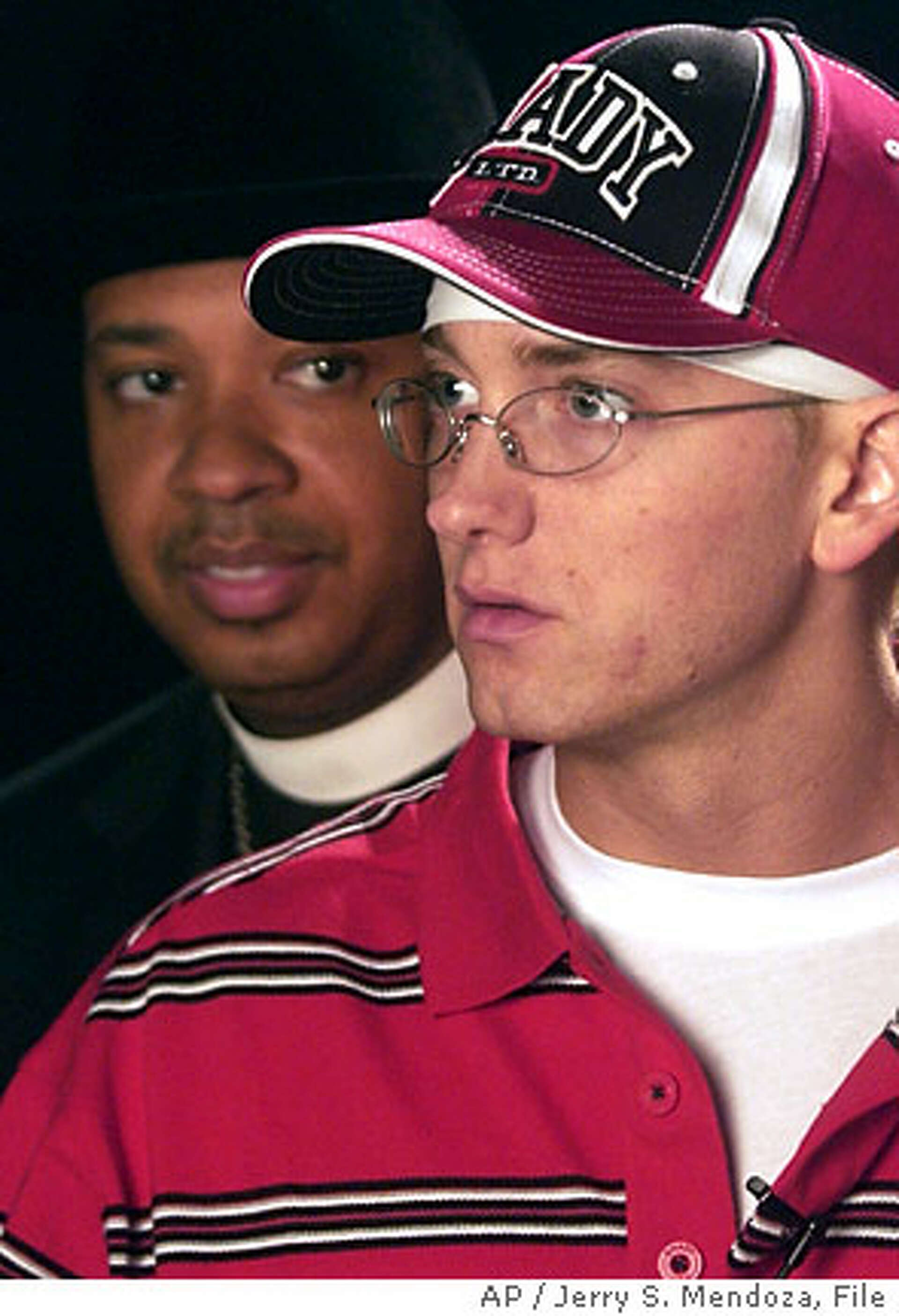
This creates a “Humanizing Loop.” The brand pushes the audience away with controversial lyrics, then pulls them back in with heartbreaking vulnerability regarding his uncle. This push-pull dynamic keeps the audience engaged and prevents the brand from becoming a one-dimensional caricature.
Emotional Resonance and Target Demographics
Eminem’s core demographic in the late 90s and early 2000s consisted of disenfranchised youth who felt unheard. By detailing the specific pain of losing Ronnie and the subsequent family fallout, Eminem spoke directly to a segment of the population that understood loss. He wasn’t just a celebrity; he was a representative of their own struggles. This “Shared Identity” is one of the strongest methods for building a resilient brand.
Brand Evolution: From Anger to Legacy
As a brand matures, it must evolve to avoid stagnation. The way Eminem has handled the memory of Ronnie in the later stages of his career serves as a masterclass in brand evolution and legacy management.
Moving Toward Resolution
In his earlier work, references to Ronnie were often laced with bitterness and unprocessed grief, frequently aimed at his mother for how she handled the tragedy. However, as the brand matured, the narrative shifted toward forgiveness and reflection.
In the song “Headlights,” Eminem famously apologized to his mother, acknowledging the shared pain of Ronnie’s death. This marked a significant “Brand Pivot.” It showed an evolution from a brand rooted in teenage angst to one rooted in adult emotional intelligence. For a long-term personal brand, showing this kind of growth is essential for maintaining relevance as the original audience also ages.
The Role of Nostalgia in Brand Longevity
Nostalgia is a powerful marketing tool. By continuing to honor Ronnie’s memory, Eminem taps into the collective memory of his long-term fans. Those who have followed him since the Slim Shady LP feel a sense of shared history when Ronnie is mentioned. This strengthens the “Brand Community,” as only “true fans” understand the depth and significance of the name Ronnie in the Eminem mythos.
Strategic Lessons for Modern Personal Branding
The story of what happened to Ronnie and how it was integrated into Eminem’s career offers several high-level lessons for modern brand strategists, marketers, and creators.
1. Authenticity is the Ultimate Competitive Advantage
In an era of AI-generated content and hyper-curated social media, authenticity is rarer and more valuable than ever. Eminem’s willingness to discuss the suicide of his uncle—a topic that remains taboo in many circles—gave him a level of authenticity that his competitors could not replicate. Brands that lean into their “messy” truths often build deeper connections than those that strive for perfection.
2. Narrative Integrity Across Channels
Whether it was through lyrics, interviews, or visual tattoos, the story of Ronnie was consistent across all “brand channels.” This integrity ensures that the brand narrative feels cohesive. When building a personal brand, it is vital that the core message remains stable, regardless of the platform.
3. Turning Pain into Purpose
Eminem successfully transformed a devastating personal event into a professional purpose. He used his platform to highlight the realities of mental health and the impact of loss long before these topics were mainstream. For brands, finding a “Why” that is rooted in real-world experience provides a sustainable foundation for growth and impact.
4. The Power of Vulnerability in Leadership
By showing his vulnerability regarding Ronnie, Eminem exercised a form of brand leadership. He showed his audience that it was acceptable to grieve and to be broken. This “Empathetic Branding” creates a safe space for the audience, leading to a level of brand advocacy that is nearly impossible to break.

Conclusion: The Enduring Legacy of the Ronnie Narrative
The tragedy of Ronnie Polkingharn is a dark chapter in the life of Marshall Mathers, but in the context of the Eminem brand, it is the most defining chapter. It provided the emotional depth, the narrative conflict, and the authentic foundation required to build a global empire.
What happened to Ronnie was a loss that could have ended a career before it began. Instead, through strategic vulnerability and masterful storytelling, Eminem channeled that loss into a brand identity that has lasted for over three decades. It serves as a reminder to every brand strategist that the most powerful stories aren’t found in a boardroom; they are found in the raw, honest experiences of the people behind the brand. Ronnie Polkingharn’s legacy lives on not just in lyrics, but in the very DNA of one of the world’s most successful personal brands.
aViewFromTheCave is a participant in the Amazon Services LLC Associates Program, an affiliate advertising program designed to provide a means for sites to earn advertising fees by advertising and linking to Amazon.com. Amazon, the Amazon logo, AmazonSupply, and the AmazonSupply logo are trademarks of Amazon.com, Inc. or its affiliates. As an Amazon Associate we earn affiliate commissions from qualifying purchases.