
In the landscape of entertainment and media, the trajectory of a personal brand is often dictated by the shadows it inhabits. For decades, the name “Murphy” was synonymous with a singular, global force: Eddie Murphy. To the public, Charlie Murphy was an appendage to a superstar brand—a brother, a bodyguard, and a peripheral figure in the orbit of 1980s and 90s superstardom. However, what happened to Charlie Murphy over the final two decades of his life represents one of the most successful and strategic brand reinventions in modern pop culture.

By analyzing Charlie Murphy not just as a comedian, but as a brand entity, we can uncover how he successfully pivoted from “Eddie’s brother” to a standalone icon of storytelling and authenticity. His journey provides a blueprint for anyone looking to build a distinct identity within a crowded market or under the weight of a pre-existing corporate or family legacy.
From Proximity to Authority: Navigating the Family Brand Strategy
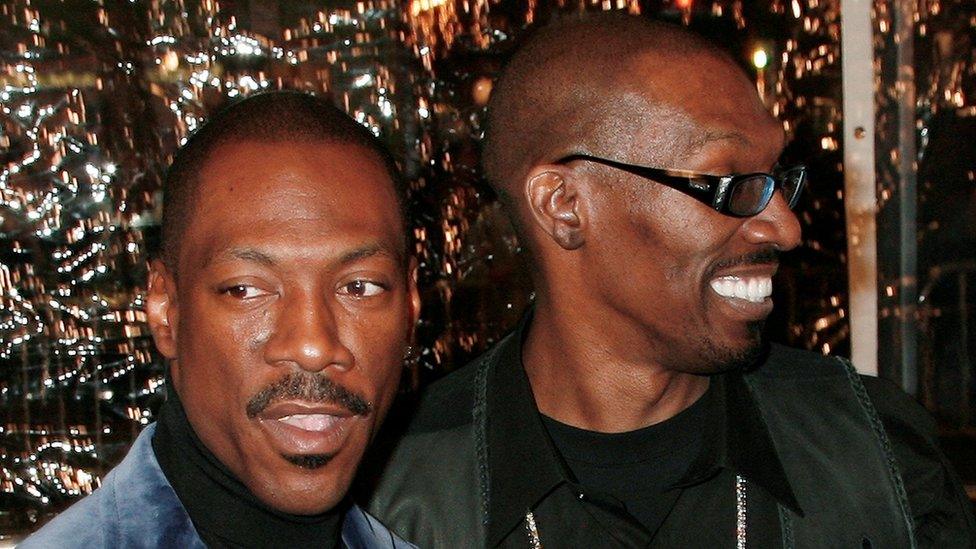
In branding, “associative equity” can be a double-edged sword. While being associated with an established power player provides immediate visibility, it often prevents the secondary party from establishing a Unique Selling Proposition (USP). For the first half of his career, Charlie Murphy’s brand was entirely associative. He was perceived as part of the “Murphy camp,” a role that offered security but lacked individual market value.
The Burden of the Family Name
In the early stages of his career, Charlie Murphy occupied the background. Whether it was minor roles in his brother’s films like Harlem Nights or behind-the-scenes work, his brand was defined by proximity. From a brand strategy perspective, this is the “generic brand” problem. When a product looks too much like the market leader but offers no distinct feature, it remains a secondary choice. To break this cycle, Charlie had to find a “Blue Ocean”—a market space that was not being occupied by his brother or any other comedian at the time.
Establishing the “Darkness” Persona
The shift began when Charlie started to embrace his own narrative, one that was starkly different from Eddie’s polished, high-energy comedic persona. Charlie’s brand was grounded in a grit that felt authentic and unmanufactured. He leaned into his history as a veteran and a man who had lived a “real” life outside of the Hollywood bubble. By adopting the nickname “Darkness”—originally a lighthearted jab from the Jackson family—he successfully reclaimed a narrative and turned a potential negative into a recognizable trademark. This was the first step in differentiating his brand: moving from being a “lesser version” of someone else to being a “unique version” of himself.
The Chappelle’s Show Pivot: A Masterclass in Narrative Branding
If the early years were about establishing a base, the Chappelle’s Show era was the explosive product launch that redefined Charlie Murphy’s market position. The “True Hollywood Stories” segments are now legendary, but from a brand perspective, they were a masterclass in disruptive content marketing.
Leveraging Authenticity through Storytelling
Charlie Murphy’s greatest asset was his repository of stories. In a world of scripted jokes, his “brand voice” was that of a witness. He wasn’t just telling jokes; he was providing an “insider-outsider” perspective on fame. This created a high level of brand trust. When he recounted encounters with Prince or Rick James, the audience wasn’t just laughing; they were engaging with a storyteller they perceived as the only honest man in the room. This authenticity became his core brand pillar. While other comedians were trying to be relatable, Charlie Murphy leaned into the extraordinary, delivered with the deadpan reliability of a street-corner philosopher.
Viral Marketing Before the Social Media Age
The “Rick James” and “Prince” sketches became some of the first truly viral moments of the digital age, circulating via early video platforms and peer-to-peer sharing. Charlie Murphy’s brand benefited from a “Network Effect.” The more people quoted him—”I’m Rick James, b****”—the more his personal stock rose. He didn’t own the platform (Comedy Central did), and he wasn’t the lead (Dave Chappelle was), but he “stole the brand” in those segments. He proved that a secondary character can become the primary focus if the delivery and the narrative are distinct enough. He became a meme before memes were a formal marketing metric, ensuring his brand longevity beyond the life of the show itself.
Sustaining the Brand: Diversification and Voice Work
A common mistake in personal branding is failing to capitalize on a viral moment. After Chappelle’s Show, the question was: what happened to Charlie Murphy next? He didn’t retreat. Instead, he diversified his “product line,” ensuring his brand remained relevant across different media channels.
Expanding into Animation and Screenwriting
Charlie Murphy understood that his brand lived in his voice and his perspective. He successfully transitioned into voice acting, most notably as Ed Wuncler III on The Boondocks. This was a strategic move that allowed him to maintain his “tough-guy-with-a-twist” persona without the physical demands of live-action filming. By lending his brand to animation, he reached a younger demographic (Gen Z and late Millennials), effectively future-proofing his legacy.
Furthermore, his work as a screenwriter—co-writing Norbit, for example—showed a strategic alignment back with his brother, but this time as a creative equal rather than a subordinate. In brand terms, this was a “Strategic Partnership” rather than “Associative Branding.” He was now contributing his intellectual property to the Murphy family business, rather than just benefiting from its name.
The Power of Consistency in Character Work
Throughout his later years, whether appearing in the drama Power or touring as a stand-up comedian, Charlie Murphy maintained a consistent brand aesthetic. He was the “O.G.” of the comedy world. He didn’t try to chase trends or change his style to fit the shifting comedic landscape of the 2010s. This consistency is vital in brand management. By staying true to his “tough, honest, and slightly surreal” persona, he built a loyal “customer base” that followed him from cable television to live theaters and digital streaming.
The Legacy Phase: Managing a Personal Brand After Life
The final chapter of what happened to Charlie Murphy involves the management of a legacy. When he passed away in 2017 after a private battle with leukemia, the strength of his personal brand became even more apparent. He had spent years building a narrative that was so strong it could survive without its creator.
Digital Footprints and Archival Content
In the modern era, a brand doesn’t die with the person; it transitions into an archival state. Charlie Murphy’s stories continue to circulate on TikTok, YouTube, and Instagram. His brand is now a “heritage brand” in the comedy world. The strategic lesson here is the importance of “evergreen content.” By focusing on storytelling rather than topical humor, Murphy ensured that his brand would remain relevant to new audiences who weren’t even born when Chappelle’s Show first aired.
Lessons for Modern Personal Brand Strategists
The story of Charlie Murphy offers several key takeaways for brand builders:
- Differentiate or Die: You cannot win by being a “lite” version of an existing market leader. Charlie had to find his own voice to escape his brother’s shadow.
- Own Your Narrative: Your unique experiences are your competitive advantage. Charlie’s “True Hollywood Stories” were his proprietary data.
- Authenticity is Scalable: People gravitate toward brands that feel real. Charlie’s refusal to “Hollywood-ize” his persona made him a more valuable asset in the long run.
- Control the Transition: Even in his final years, Murphy controlled his narrative, keeping his health struggles private and ensuring that his public brand remained focused on his work and his wit.
What happened to Charlie Murphy was not just a career in comedy; it was the meticulous construction of an identity that stood the test of time. He moved from the background to the forefront, proving that with the right narrative strategy and a commitment to authenticity, any brand can overcome the shadow of a giant to become a legend in its own right. His legacy remains a testament to the power of the individual voice in an industry that often favors the formulaic.
aViewFromTheCave is a participant in the Amazon Services LLC Associates Program, an affiliate advertising program designed to provide a means for sites to earn advertising fees by advertising and linking to Amazon.com. Amazon, the Amazon logo, AmazonSupply, and the AmazonSupply logo are trademarks of Amazon.com, Inc. or its affiliates. As an Amazon Associate we earn affiliate commissions from qualifying purchases.