
In the annals of corporate history, few transitions from individual identity to global brand are as profound as that of Madam C.J. Walker. Born Sarah Breedlove, she transformed herself into the first self-made female millionaire in America, but the mechanics of that transformation—specifically the role and eventual departure of her husband, Charles Joseph Walker—provide a masterclass in brand strategy, trademark protection, and the decoupling of personal life from corporate identity.
To understand what happened to C.J. Walker’s husband is to understand the strategic necessity of protecting a brand’s reputation when the person behind the name no longer aligns with the brand’s mission. For modern entrepreneurs and brand strategists, the saga of the Walker marriage offers critical insights into how to navigate the complexities of “partner branding” and the eventual pivot toward solo brand dominance.
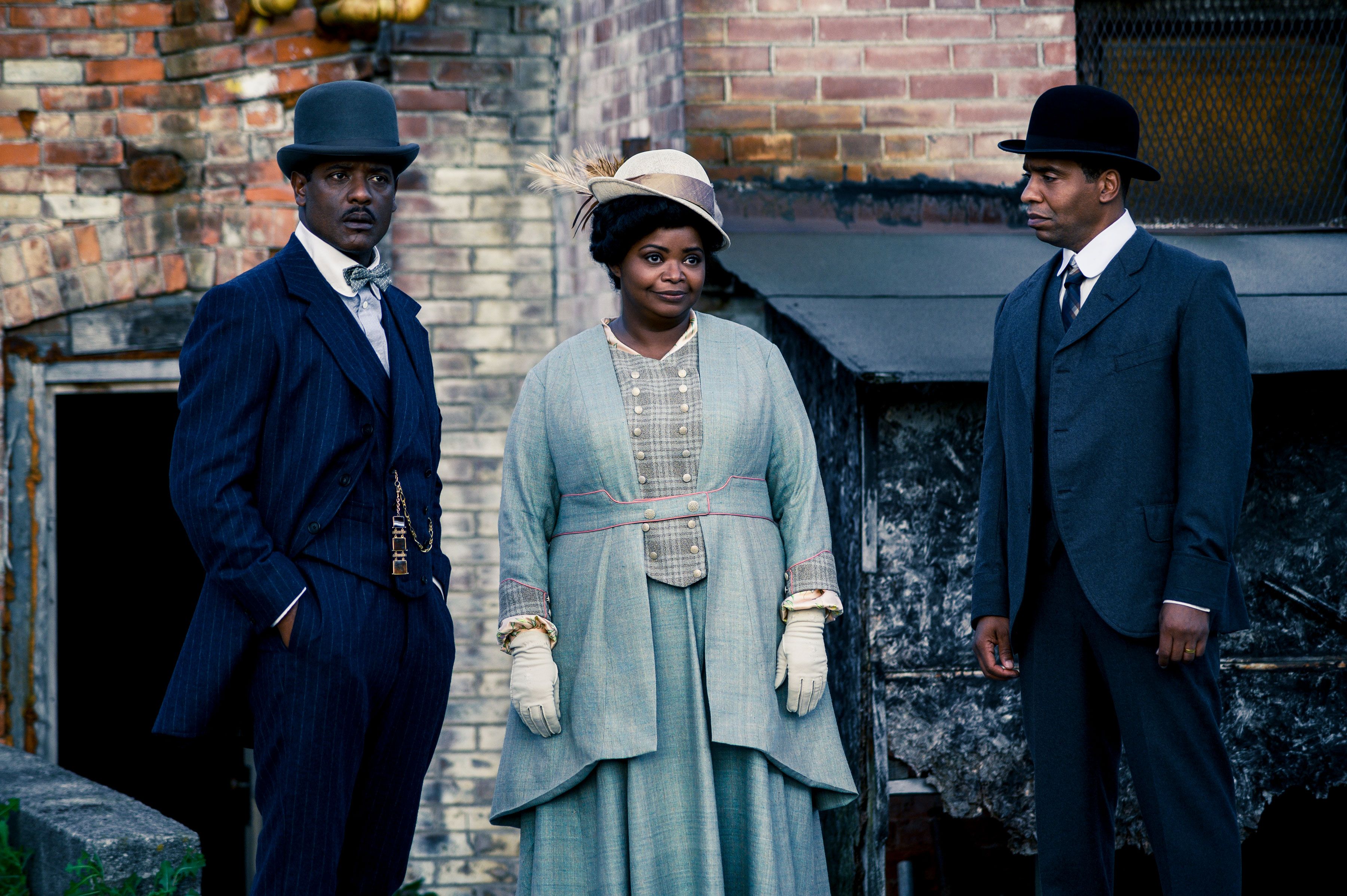
The Birth of a Trademark: From Sarah Breedlove to Madam C.J. Walker
The rebranding of Sarah Breedlove into Madam C.J. Walker was a calculated move designed to evoke authority, sophistication, and international appeal. In the early 1900s, the title “Madam” was frequently used by French beauty pioneers and high-society entrepreneurs. By adopting this title and appending her husband’s name, Sarah created a persona that stood in stark contrast to the humble, difficult life she had lived as a laundress.
Strategic Rebranding and Identity Creation
Charles Joseph (C.J.) Walker was a newspaper advertising salesman by trade. This background was instrumental in the brand’s early growth. He brought a fundamental understanding of copy, layout, and consumer psychology to Sarah’s hair care innovations. Together, they treated the product not just as a commodity, but as an experience.
The decision to name the business “The Madam C.J. Walker Manufacturing Company” was a branding masterstroke. It humanized the product while establishing a formal, institutional presence. However, this decision also created a potential vulnerability: the brand’s identity was tied directly to a legal union. In the world of personal branding, tying a corporate identity to a marriage is a high-risk, high-reward strategy. While it provided initial stability and a “family-run” image, it eventually necessitated a painful surgical separation to protect the brand’s longevity.
The Role of C.J. Walker in Early Market Expansion
During the early years of the business, C.J. Walker acted as the brand’s primary sales consultant. He encouraged Sarah to think bigger regarding mail-order catalogs and print advertising. His expertise in the Black press of the era allowed the Walker brand to penetrate markets far beyond their home base in St. Louis and, later, Denver.
From a brand strategy perspective, this was a collaborative growth phase. C.J. handled the “back-end” of promotion while Madam C.J. Walker served as the “face” and the technical innovator. However, as the brand scaled, a fundamental divergence in vision occurred—a common phenomenon in corporate identity where the founder’s ambition outpaces the partner’s comfort zone.
Navigating the Brand-Founder Conflict
What happened to C.J. Walker’s husband was not merely a domestic fallout; it was a corporate divorce. As the company grew into an empire, Charles Joseph Walker’s personal struggles—ranging from infidelity to alcoholism—began to pose a direct threat to the “Madam C.J. Walker” brand image. The brand stood for uplift, dignity, and the professionalization of Black women’s labor. A husband whose behavior contradicted these values was a liability that the brand could no longer afford to carry.
When Personal Relationships Compromise Corporate Identity
In the realm of brand strategy, the “Face of the Brand” must maintain a level of consistency and moral authority. By 1910, Madam C.J. Walker had moved the headquarters to Indianapolis, establishing a factory and a training school for her “Walker Agents.” Her vision was one of global expansion and social activism.
Charles, however, preferred a smaller, more localized operation and was reportedly resistant to the scale at which his wife was operating. When personal interests diverge so sharply from the brand’s roadmap, the “brand-founder fit” is broken. In 1912, the couple divorced. For many brands of that era, a divorce would have spelled the end of the business or necessitated a total name change. Walker, however, chose a different path: the path of trademark retention.
The 1912 Divorce and the Decision to Retain the Trademark
Post-divorce, Charles Joseph Walker attempted to leverage the very brand he had helped build. He remained in the hair care industry, even attempting to market his own products using the Walker name. This created a classic “Brand Confusion” scenario.

Madam C.J. Walker’s response was a lesson in intellectual property management. She did not revert to Sarah Breedlove. She recognized that “Madam C.J. Walker” was no longer just a name; it was a trademark with immense “goodwill” (the intangible value of a brand’s reputation). She fought to maintain exclusive rights to the name, ensuring that her ex-husband could not dilute the brand she had revolutionized. This was one of the earliest examples of an African American woman using legal frameworks to protect a personal brand from a former business associate.
Protecting the Brand: Reputation Management and the Walker Agents
The true “Walker” legacy was not found in the husband who provided the name, but in the community of women who carried the brand forward. After the departure of C.J. Walker, Madam Walker doubled down on her corporate identity by focusing on “The Walker System.”
Scaling Beyond the Individual
One of the most difficult transitions for any personal brand is the shift from “Individual” to “Institution.” Madam C.J. Walker achieved this by creating the Walker Agents—thousands of women who were trained in her methods and wore her brand as a badge of honor. By empowering these agents, she decentralized the brand.
If Charles Joseph Walker’s departure had been the focal point of the company’s narrative, the brand might have faltered. Instead, Madam Walker filled the vacuum with a mission-driven corporate identity. She emphasized philanthropy, political activism, and economic independence for women. In doing so, she successfully rebranded the “C.J. Walker” name as a symbol of female empowerment, effectively erasing the association with her former husband in the public consciousness.
Reputation Risk and Legacy Control
In modern PR, we call this “narrative control.” Madam Walker was meticulous about how she was portrayed in the press. She was always photographed in professional, high-fashion attire, often in her automobile (a symbol of extreme wealth at the time). By controlling the visual and social narrative, she ensured that the brand’s prestige remained untarnished by her marital status.
Her husband, meanwhile, faded into relative obscurity, unable to compete with the sheer scale of the marketing machine he had helped start but could not sustain. This illustrates a fundamental rule of branding: the name is the vessel, but the founder’s vision is the fuel. Without the vision, the name is just a label.
Modern Lessons for Personal Brands and Corporate Strategy
The story of what happened to C.J. Walker’s husband serves as a timeless case study for today’s influencers, CEOs, and entrepreneurs who operate under their own names. In an age where the line between personal life and professional brand is thinner than ever, the Walker legacy offers three critical takeaways.
1. Decoupling Personal Identity from Brand Assets
Madam C.J. Walker demonstrated that a brand name can be independent of the person who originally shared it. If you are building a brand based on your name, you must have a legal and strategic plan for what happens if your personal circumstances change. Whether through divorce, partnership dissolution, or a desire to exit the business, the trademark must be protected as a separate entity from the individual’s private life.
2. The Power of “Brand Continuity”
Despite the divorce, Walker did not change the name. She understood that the cost of rebranding (the loss of recognition, the confusion among the customer base, the expense of new signage and packaging) outweighed the desire to distance herself from her ex-husband’s name. This is “Brand Continuity.” She chose the pragmatic path of keeping the equity while changing the story.
3. Purpose as a Shield
When a brand is built on a mission larger than any one person, it becomes resilient to personal scandals or shifts in leadership. Madam Walker’s commitment to the Black community and her agents created a “brand moat.” Her customers weren’t just buying hair grower; they were buying into a movement. Because the movement was strong, the personal drama involving her husband became a mere footnote in the company’s history rather than its downfall.
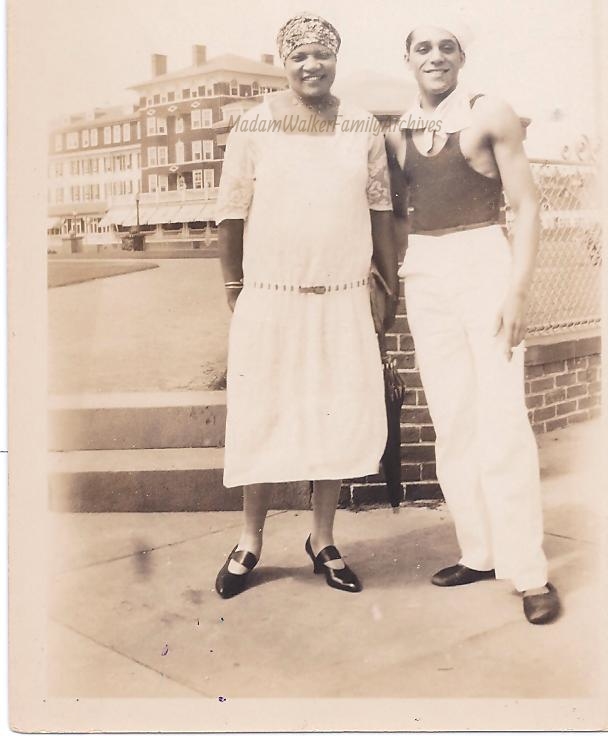
Conclusion: The Endurance of the Walker Brand
Madam C.J. Walker’s husband, Charles Joseph, passed away in 1926, years after the divorce and the height of the Walker Company’s expansion. While he contributed to the initial marketing spark, the brand’s enduring success was entirely the result of Sarah Breedlove’s strategic brilliance and her ability to protect her corporate identity.
The “Madam C.J. Walker” brand exists to this day, recently revived and reimagined for a new generation. It stands as a testament to the fact that while a name might be borrowed or shared, a brand is built through vision, protection, and an unwavering commitment to the target audience. In the end, what happened to C.J. Walker’s husband is a reminder that in the world of business, the name on the bottle is only as strong as the leader who defends it.
aViewFromTheCave is a participant in the Amazon Services LLC Associates Program, an affiliate advertising program designed to provide a means for sites to earn advertising fees by advertising and linking to Amazon.com. Amazon, the Amazon logo, AmazonSupply, and the AmazonSupply logo are trademarks of Amazon.com, Inc. or its affiliates. As an Amazon Associate we earn affiliate commissions from qualifying purchases.