
The age-old question of finding a hairstyle that complements a round face has transitioned from the stylist’s chair to the digital laboratory. In the modern era, the intersection of beauty and technology has birthed a new sub-sector: Beauty-Tech. No longer are individuals forced to rely on the subjective intuition of a stylist or static magazine clippings. Instead, sophisticated facial recognition algorithms, augmented reality (AR) overlays, and generative artificial intelligence (AI) are providing data-driven answers to the geometric challenges of personal grooming.
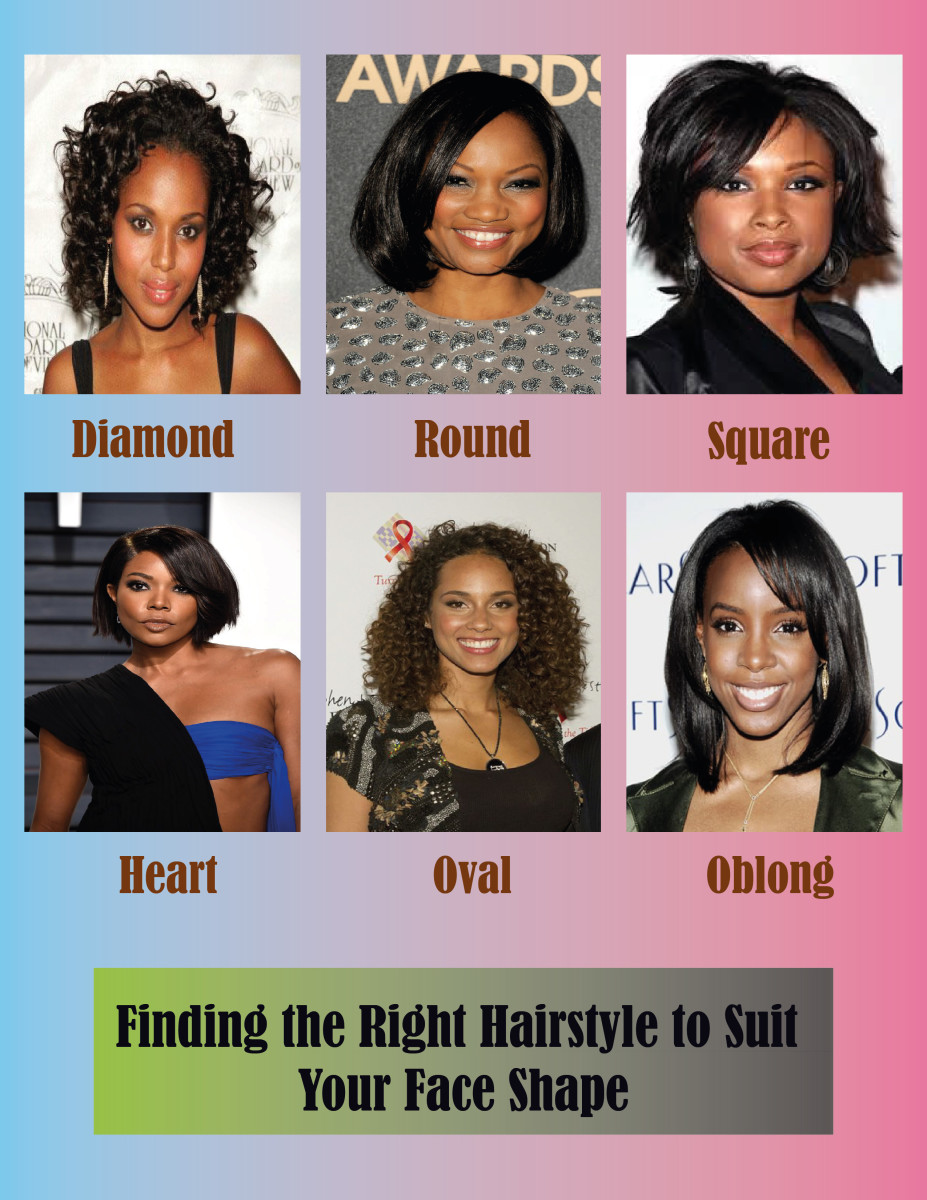
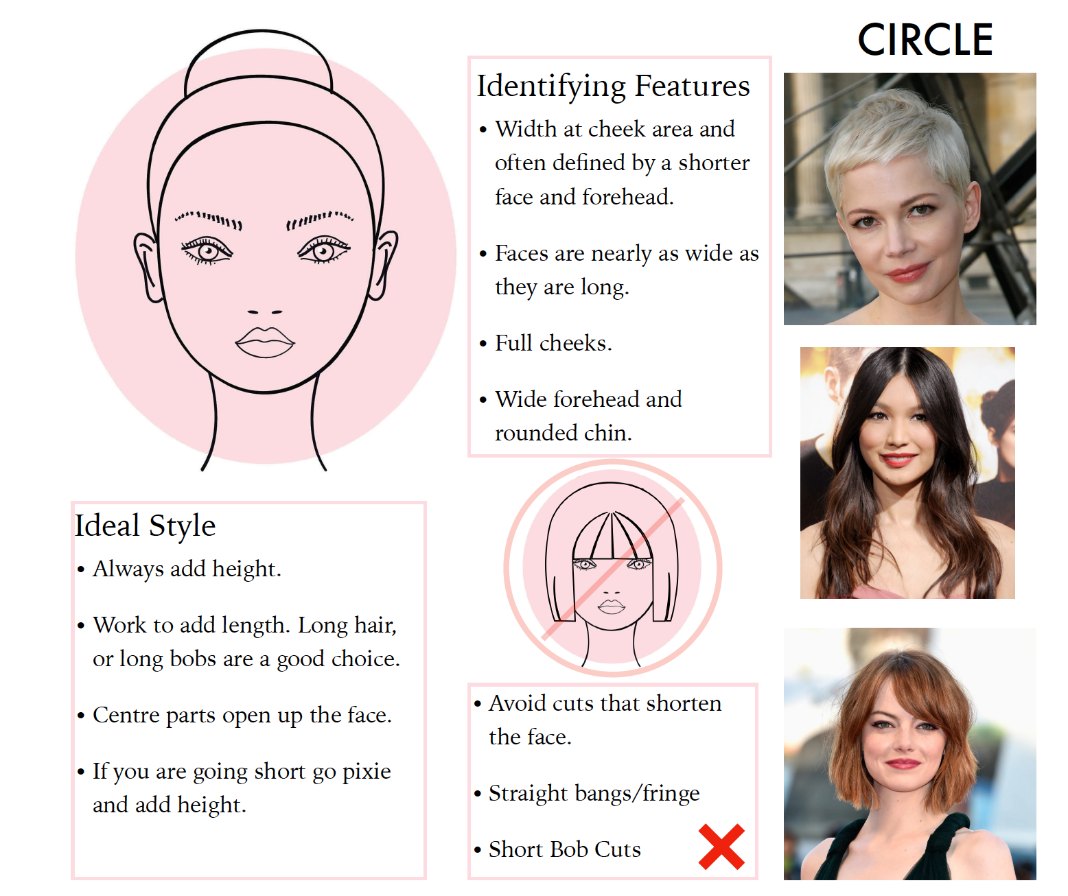
For those with a round face—characterized by a width and length that are nearly equal, with soft, curved features and a less defined jawline—the objective is typically to create the illusion of length and structure. Achieving this through technology requires a deep dive into computer vision and the digital tools currently disrupting the personal care industry.
The Evolution of Digital Grooming: From 2D Filters to AI Precision
The journey to discovering what hairstyle suits a round face digitally began with simple 2D overlays. Early iterations of “makeover” software were cumbersome, requiring users to manually pin points on a static photo. Today, the landscape is dominated by real-time biometric mapping.
Facial Landmark Detection and Biometric Mapping
Modern apps utilize facial landmark detection, a process where an algorithm identifies specific coordinates on a human face. For a round face, the software focuses on the zygomatic bone (cheekbone) width relative to the vertical distance between the hairline and the chin. By mapping up to 68 distinct points, AI can determine the exact curvature of the jaw and the prominence of the forehead.
This data is crucial because it allows the software to categorize face shapes with mathematical certainty. When the width-to-height ratio approaches 1:1, the AI flags the face as “round” and begins filtering its database for hairstyles that provide “verticality”—typically styles with volume on top or elongated layers that frame the face to minimize perceived width.
The Role of Computer Vision in Style Synthesis
Computer vision goes beyond simple mapping; it understands texture and depth. When a user with a round face utilizes a high-end AR tool, the software isn’t just placing a “sticker” of a haircut over their head. It uses semantic segmentation to distinguish between the user’s skin, existing hair, and background. This allows the technology to render a “long bob” or “shaggy layers” in 360 degrees, responding to the user’s head movements in real-time. This level of immersion is powered by sophisticated neural networks that have been trained on millions of facial permutations.
Top AI-Powered Tools and Apps for Round Face Analysis
The market for AI styling tools is expanding rapidly, with both consumer-facing apps and enterprise-level software for salons. For individuals looking to decode the best look for their round facial structure, several technological solutions stand out.
AR-Driven Virtual Try-On (VTO) Platforms
Platforms like Perfect Corp’s YouCam Makeup have set the industry standard for Virtual Try-On technology. Their “AgileFace” technology utilizes high-performance AI inference to provide a jitter-free experience. For a round-faced user, the app’s “Face Shape Detection” feature provides instant feedback. The algorithm might suggest an “asymmetrical pixie” or “curtain bangs,” rendering the style with realistic physics so the user can see how the hair moves when they tilt their head—a critical factor in determining if a style truly softens the roundness of the face.
Generative AI and Style Diffusion Models
Beyond AR, generative AI is making waves. Using Stable Diffusion or specialized GANs (Generative Adversarial Networks), new tools can generate hyper-realistic images of a user with a completely new hairstyle. Unlike AR, which overlays a digital asset, generative AI “reimagines” the user’s entire head. For a round face, these models can simulate how a specific cut would look after six weeks of growth or how it would interact with the user’s natural hair density and cowlicks, providing a much deeper level of predictive analysis than a simple filter.
Enterprise Salon Software: The Professional Edge
In the professional sphere, software like Shortcut or Phorest is beginning to integrate AI consultation modules. Stylists use tablets to scan a client’s face, and the software generates a report on facial symmetry and proportions. For a round face, the software might highlight the “golden ratio” deficits and suggest technical cutting parameters—such as the exact angle of a diagonal forward cut—to create the necessary sharp lines that a round face lacks.

The Algorithm of Aesthetics: How Machine Learning Defines Style
There is a common misconception that style is purely subjective. From a machine learning perspective, beauty—or rather, “suitability”—is a series of geometric optimizations.
Geometric Compensation Algorithms
The primary logic used by AI to suggest hairstyles for round faces is “geometric compensation.” If the face is a circle, the software looks for hairstyles that are rectangular or triangular. This isn’t just aesthetic fluff; it’s a calculation of negative space.
- Vertical Volume: The AI calculates the Y-axis of the face and suggests adding “Z-axis depth” (volume) to the crown.
- Angle Injection: Round faces lack sharp angles. Algorithms are programmed to suggest “A-line bobs” or “side-swept bangs” because these styles introduce 45-degree angles into the visual field, breaking up the circularity.
Texture and Light Simulation
Advanced rendering engines like those found in Unreal Engine (increasingly used in beauty-tech) simulate how light hits different hair textures. For a round face, shadows are essential. Technology can demonstrate how a “layered cut” creates shadows along the cheeks, effectively “contouring” the face without makeup. This ray-tracing technology allows users to see how their “digital haircut” will look in different lighting environments, from office fluorescent lights to evening ambient light.
Digital Security and Privacy in Facial Styling Tech
As we embrace these technological solutions, the conversation must include digital security. Facial data is among the most sensitive forms of biometric information.
The Risks of Biometric Data Harvesting
When you use an app to determine “what hairstyle suits a round face,” you are often uploading a high-resolution map of your features to a cloud server. This data is highly valuable for third-party advertisers and, in worst-case scenarios, malicious actors. Users must scrutinize the Privacy Policy and Terms of Service of beauty apps. Does the app store your facial landmarks? Is the processing done “on-device” or sent to a remote server?
Best Practices for Secure Beauty-Tech Usage
To stay secure while exploring digital styles, users should:
- Prioritize On-Device Processing: Use apps that process facial recognition locally on the smartphone’s NPU (Neural Processing Unit) rather than uploading to the cloud.
- Audit Permissions: Only grant access to the camera while the app is in use and deny access to your contact list or location data, which are often unnecessary for styling analysis.
- Data Deletion Requests: Use apps that offer a clear “Right to be Forgotten,” allowing you to delete your facial scans from their database once your style consultation is complete.
Future Trends: The Virtual Salon and Hyper-Personalization
The future of determining the best hairstyle for a round face lies in the metaverse and hyper-personalized data. We are moving toward a “digital twin” model where an individual has a persistent 3D avatar that accurately reflects their facial geometry.
The Virtual Salon Experience
Imagine a VR environment where you can walk into a digital salon, sit in a virtual chair, and see your “digital twin” undergo twenty different haircuts for a round face in five minutes. This eliminates the “haircut anxiety” associated with drastic changes. Brands are already experimenting with “Virtual Mirrors” in flagship stores, where high-definition cameras and AR displays replace standard glass mirrors, providing an overlay of potential styles as you look at your reflection.
Integration with Wearable Tech
As AR glasses become more mainstream, the “consultation” could happen in real-time during a conversation with a stylist. Smart glasses could project the ideal hair length onto the client’s reflection, providing a holographic guide for the stylist to follow. This “precision cutting” ensures that the technical execution matches the algorithmic recommendation perfectly.
In conclusion, the question of what hairstyle suits a round face is no longer a matter of guesswork. It is a data-driven process facilitated by the rapid advancement of AI, AR, and biometric scanning. By leveraging these tech tools, individuals can move beyond traditional beauty advice and embrace a future where their personal brand is optimized by the latest in digital innovation. As technology continues to evolve, the barrier between the digital preview and the physical result will continue to thin, leading to a new era of high-tech grooming.
aViewFromTheCave is a participant in the Amazon Services LLC Associates Program, an affiliate advertising program designed to provide a means for sites to earn advertising fees by advertising and linking to Amazon.com. Amazon, the Amazon logo, AmazonSupply, and the AmazonSupply logo are trademarks of Amazon.com, Inc. or its affiliates. As an Amazon Associate we earn affiliate commissions from qualifying purchases.