
The age-old dilemma of sitting in a barber’s chair and being asked, “What are we doing today?” is undergoing a massive digital transformation. Traditionally, the answer to “what haircut should I get?” relied on gut feeling, outdated magazines, or a desperate attempt to describe a style seen on a celebrity. Today, the intersection of technology and personal grooming has shifted the responsibility from guesswork to data-driven precision. Through Augmented Reality (AR), Artificial Intelligence (AI), and advanced computer vision, the process of selecting a hairstyle is becoming as tech-centric as selecting a new smartphone.
For the modern man, the question is no longer just about aesthetics; it is about leveraging the digital tools available to ensure a haircut aligns with facial geometry, hair density, and lifestyle. This article explores the technological ecosystem—ranging from generative AI to biometric mapping—that is currently answering the question: what haircut should you actually get?
The Rise of AI-Powered Virtual Try-Ons and Augmented Reality
The most significant hurdle in choosing a new haircut has always been the “visualization gap”—the inability to see the final result before the first clipper pass. Augmented Reality (AR) has bridged this gap by creating real-time digital overlays. Unlike static photo filters of the past, modern AR utilizes sophisticated mesh-tracking technology to map the human face in three dimensions.
Computer Vision and Facial Mapping
At the core of the “virtual try-on” experience is computer vision. When you use an app to test a buzz cut or a pompadour, the software identifies “landmarks” on your face—the bridge of the nose, the cheekbones, the jawline, and the forehead. High-end grooming apps now utilize the LiDAR (Light Detection and Ranging) sensors found in modern smartphones to create a depth map of the head. This allows the digital hair model to sit naturally on the scalp, accounting for the curvature of the skull and the way light hits different textures.
Real-Time Physics and Texture Simulation
The latest iterations of grooming tech go beyond static overlays. Developers are now integrating real-time physics engines to simulate how different hair lengths and textures will behave. For men with curly or wavy hair, this is a breakthrough. AI models can now predict how “shrinkage” or volume will affect the silhouette of a cut, providing a more realistic preview than a flat 2D image. By adjusting parameters for hair density and thickness, these tools offer a bespoke visualization that was impossible five years ago.
Generative AI and the Hyper-Personalization of Style
While AR helps you visualize a specific style, Generative AI—the technology behind platforms like Midjourney and Stable Diffusion—helps you discover the style in the first place. This technology is moving away from a library of pre-set haircuts toward “synthetic grooming,” where an AI creates a unique style based on a user’s specific biometric data.
Latent Diffusion Models for Hairstyle Generation
Generative AI models are trained on millions of images of human faces and hairstyles. When a user uploads a photo and asks, “What haircut should I get?”, the AI doesn’t just scroll through a catalog. It analyzes the “latent space” of the user’s facial structure—identifying the mathematical ratios of the jaw-to-forehead width—and generates a new image of the user with a variety of styles. This “Neural Hair Rendering” allows for seamless blending, showing exactly how a fade would transition into the user’s specific skin tone and facial hair.
Algorithmic Face Shape Analysis
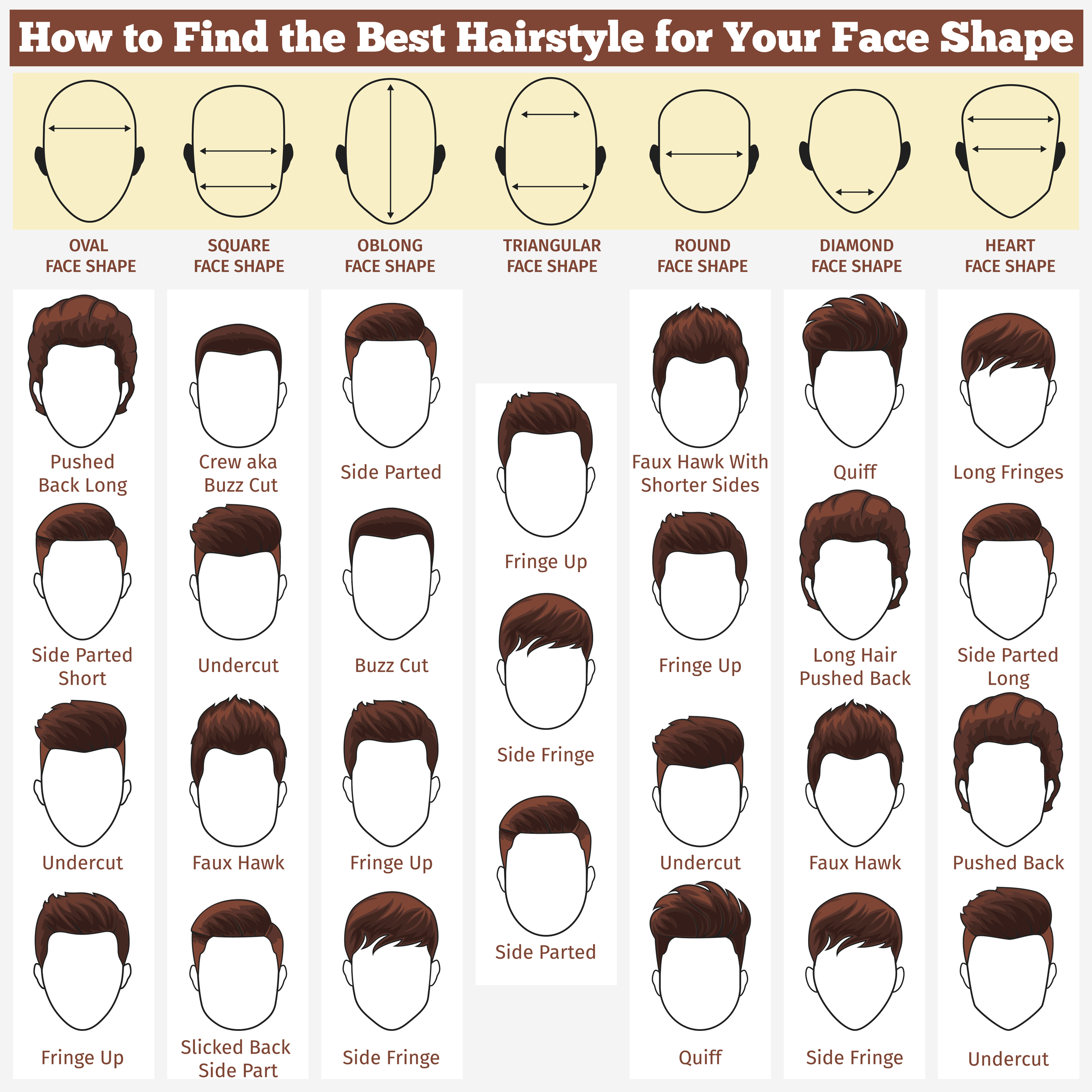
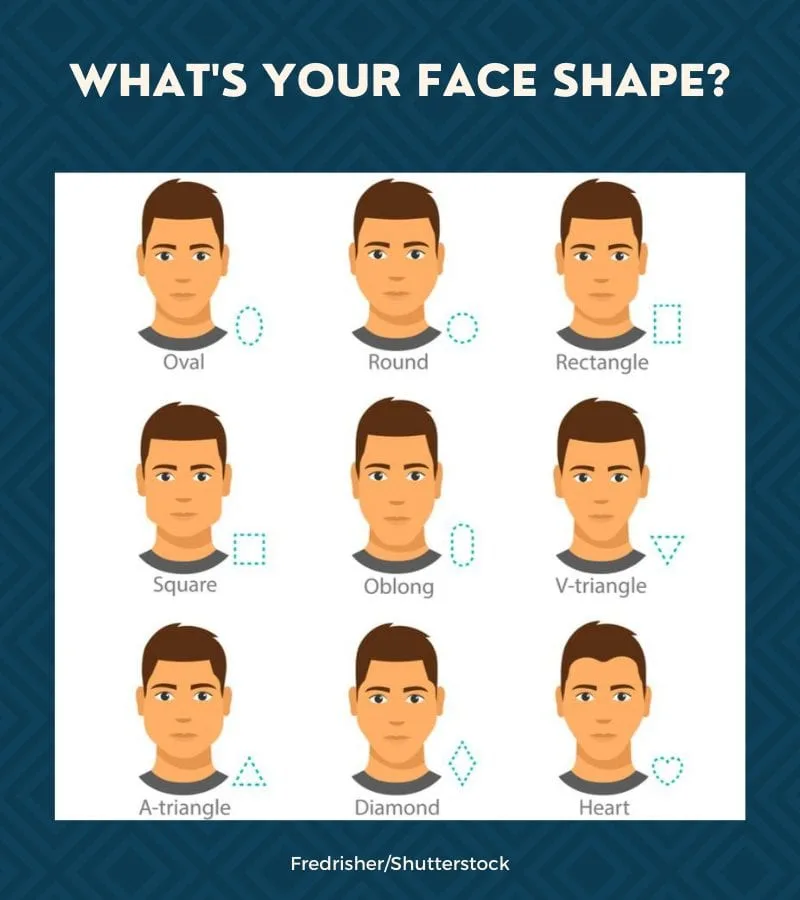
One of the most practical applications of tech in grooming is the automated classification of face shapes. Most men struggle to identify if they have an “oblong,” “heart,” or “diamond” face shape. AI-driven grooming platforms now use geometric algorithms to measure the distance between facial features. Once the algorithm determines the face shape, it cross-references a database of “optimal” styles based on classical aesthetic principles (like the Golden Ratio) and current trends. This removes the subjective bias of the user and provides a recommendation based on facial symmetry.
The Digital Ecosystem: Apps and Professional Consultation Tools
The transition from the digital screen to the physical barber chair is facilitated by a growing ecosystem of apps and SaaS (Software as a Service) platforms. These tools are not just for the consumer; they are becoming essential for the professional barber, turning the shop into a tech-enabled studio.

Cloud-Based Style Portfolios and Digital Consultations
Modern grooming apps allow users to build a “digital hair profile.” This profile tracks the history of cuts, the growth rate of the hair, and the specific products used. When a user asks a digital stylist for a recommendation, the software can look at historical data to see what worked in the past. Furthermore, “telegrooming” or digital consultations allow men to speak with professional stylists via encrypted video links, where the stylist uses digital “drawing” tools over the video feed to suggest where weight should be removed or where a taper should begin.
Integration with IoT and Smart Mirrors
In high-end urban barbershops, the “Smart Mirror” is becoming a reality. These mirrors are essentially large-scale displays equipped with cameras and sensors. While you sit in the chair, the mirror can overlay different lengths of beards or hair onto your reflection. It can also display 360-degree views of your head, which are captured by peripheral cameras, ensuring that you and the barber are aligned on the “back and sides” before the cut begins. This Internet of Things (IoT) integration ensures that the digital plan is executed with physical precision.
Data-Driven Grooming: Hair Health and Scalp Analysis
The question of “what haircut should I get?” is often limited by the health and density of the hair itself. Technology is now moving into the realm of trichology (the study of hair and scalp) to provide deeper insights.
Microscopic Imaging and Scalp Scanners
Handheld digital microscopes and scalp scanners are now available for home use or in-shop analysis. These devices connect to a smartphone via Bluetooth or Wi-Fi and provide high-resolution images of hair follicles. AI algorithms can analyze these images to detect thinning patterns, scalp inflammation, or product buildup. If the data suggests thinning at the crown, the tech will automatically suggest styles that maximize volume or utilize certain textures to provide better coverage.
Predictive Maintenance for Your Hair
Just as software uses predictive analytics to suggest when a machine needs servicing, grooming tech can now predict when your haircut will “lose its shape.” Based on the average growth rate of human hair (approximately 0.5 inches per month) and the specific style chosen, apps can send push notifications when the “technical integrity” of the cut is about to fail. This ensures that the user maintains a professional appearance by booking their next appointment exactly when the geometry of the fade begins to blur.
Digital Security and Biometric Privacy in Grooming
As we move toward a world where we upload high-resolution 3D scans of our heads to the cloud to find the perfect haircut, the issue of digital security becomes paramount. Our facial data is a biometric identifier, and its protection is critical.
Securing Biometric Data
The companies developing grooming AI and AR must adhere to strict data protection regulations like GDPR or CCPA. When an app “scans” your face to recommend a haircut, it is essentially collecting biometric data. Leading tech firms in this space are moving toward “edge processing,” where the facial analysis happens locally on the user’s device rather than being sent to a central server. This ensures that the sensitive mathematical map of your face never leaves your phone.
The Ethics of Deepfake Grooming
As generative AI becomes more realistic, the potential for “deepfake” style previews increases. This raises questions about the authenticity of digital identity. If a user can perfectly curate their digital appearance using AI-simulated grooming, the pressure on physical barbers to replicate “pixel-perfect” results increases. The industry is currently grappling with how to manage expectations when the AI generates a style that may be physically impossible to maintain with a user’s natural hair growth patterns.
The Future of the Digital Barber
The convergence of AI, AR, and biometric data is turning the simple question of “what haircut should I get?” into a sophisticated technological query. We are moving away from a world of trial and error and into an era of precision grooming. In the near future, we may see the rise of autonomous grooming robots or 3D-printed hair prosthetics, but for now, the revolution remains digital.
By utilizing these tools, men can take control of their personal brand and professional image with a level of certainty never before possible. Whether it’s through an AR app that maps your jawline or an AI that analyzes your hair density, the technology is here to ensure that when you finally sit in that chair, you have the data to back up your choice. The future of grooming is not just about the scissors and the comb; it is about the algorithm that guides them.
aViewFromTheCave is a participant in the Amazon Services LLC Associates Program, an affiliate advertising program designed to provide a means for sites to earn advertising fees by advertising and linking to Amazon.com. Amazon, the Amazon logo, AmazonSupply, and the AmazonSupply logo are trademarks of Amazon.com, Inc. or its affiliates. As an Amazon Associate we earn affiliate commissions from qualifying purchases.