
In the contemporary digital marketplace, the “What Hair Type Do I Have?” quiz has evolved from a simple interactive tool into a sophisticated pillar of brand strategy. For beauty and wellness brands, this diagnostic interface represents the first and most critical touchpoint in a personalized customer journey. It is not merely a tool for consumer self-discovery; it is a high-conversion engine designed to collect zero-party data, establish authority, and foster a deep sense of brand loyalty. In an era where consumers are overwhelmed by choice, brands that leverage diagnostic quizzes effectively move away from “push” marketing and toward a “consultative” brand identity that prioritizes the individual needs of the user.

The Strategic Architecture of Diagnostic Branding
At its core, a hair type quiz is an exercise in brand positioning. It shifts the brand’s role from a mere vendor of products to an expert consultant. This shift is vital in the high-competition beauty sector, where brand trust is the primary currency. By offering a quiz, a brand creates a value exchange: the user provides personal information (hair texture, scalp health, lifestyle habits), and in return, the brand provides clarity and a curated solution.
The Rise of Zero-Party Data
The most significant strategic advantage of the “What Hair Type Do I Have?” quiz is the acquisition of zero-party data. Unlike first-party data, which tracks behavior, or third-party data, which is purchased, zero-party data is information that a customer intentionally and proactively shares with a brand. In a post-cookie digital environment where privacy regulations are tightening, this data is gold.
A well-constructed quiz allows a brand to understand its audience’s pain points with surgical precision. If 60% of quiz-takers report concerns about “humidity-induced frizz” or “scalp sensitivity,” the brand can pivot its product development and content strategy to address these specific needs. This data-driven approach ensures that the brand remains relevant and responsive, minimizing the risk of marketing misalignment.
Building the Consultative Brand Persona
When a user engages with a diagnostic tool, they are looking for an expert opinion. Brands like Prose and Function of Beauty have built billion-dollar identities centered entirely around this diagnostic experience. By asking nuanced questions about water quality, exercise frequency, and heat styling, these brands establish a persona of scientific rigor and obsessive care. This elevates the brand above drugstore competitors, justifying premium price points through the promise of a “bespoke” experience.
Designing the User Journey: From Curiosity to Conversion
The design and flow of the quiz are direct reflections of a brand’s visual identity and user experience (UX) strategy. A quiz that is too short may feel superficial and untrustworthy, while one that is too long may suffer from high drop-off rates. Striking the balance is a delicate branding exercise.
The Psychology of Discovery
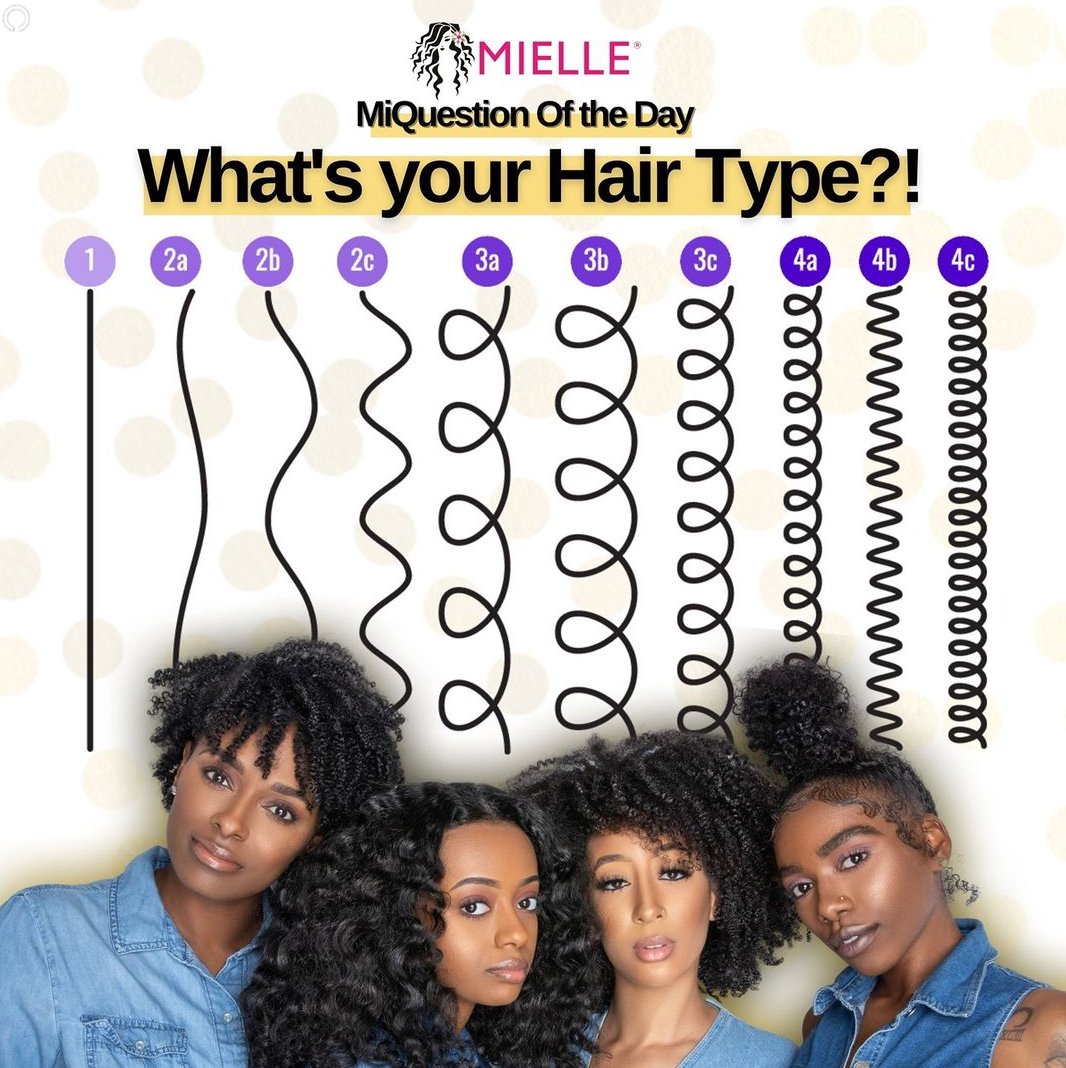
The “Discovery Phase” of the quiz is where the brand builds emotional resonance. By using inclusive language and diverse imagery in the quiz options, a brand signals its values. For example, a brand that includes detailed options for 4C hair textures or addresses thinning hair with sensitivity builds an immediate bond with underserved demographics. This inclusivity becomes a core part of the corporate identity, signaling that the brand “sees” and understands the unique challenges of its diverse customer base.
Visual Identity and Trust Signals
Every element of the quiz—the color palette, the typography, the loading animations—must align with the brand’s core aesthetic. A minimalist, medical-grade brand should use clean lines and objective language, whereas a “clean beauty” brand might use organic shapes and lifestyle-oriented imagery.
Trust is further established through the “reveal” stage. When the quiz concludes, the brand should not just provide a product link; it should provide an educational breakdown of the user’s hair type. This educational content serves as a “reason to believe” (RTB), a standard branding framework that provides the evidence needed to support a brand claim. By explaining why a certain product suits a “Type 2A” hair profile, the brand reinforces its expertise.
Data-Driven Personalization: Turning Results into Retention
The true power of the diagnostic quiz is realized after the user hits “submit.” The quiz result is not the end of the brand interaction; it is the beginning of a highly segmented retention strategy.
Hyper-Segmented Email Marketing
A “What Hair Type Do I Have?” quiz allows for unparalleled segmentation in email marketing. Instead of sending a generic newsletter to a million subscribers, a brand can send a targeted campaign to “Oily Scalp/Fine Hair” users about the best way to use dry shampoo, or a “Curly/Dehydrated” segment about the benefits of deep conditioning. This level of relevance significantly increases open rates, click-through rates, and ultimately, lifetime value (LTV).
Reducing the Paradox of Choice
One of the primary reasons customers abandon a brand is the “Paradox of Choice”—the psychological stress caused by having too many options. A diagnostic quiz removes this friction by narrowing the entire product catalog down to a curated “prescription.” This simplification of the buying process is a powerful brand asset. It reduces the cognitive load on the consumer, making the brand feel helpful rather than aggressive.
Subscription and Loyalty Models
For brands operating on a subscription model, the quiz is the foundation of the business. By periodically asking users to “retake the quiz” to update their profile (considering seasonal changes or new hair goals), the brand maintains an ongoing dialogue. This keeps the brand identity dynamic rather than static. It shows that the brand is committed to the customer’s long-term journey, which is essential for reducing churn and building a community of brand advocates.
Case Studies: Brands that Redefined the Quiz Economy
Looking at industry leaders reveals how central the “diagnostic” is to modern brand strategy. These companies didn’t just build a quiz; they built a brand around a quiz.
The Customization Pioneers
Brands like Prose and Function of Beauty have made the “What Hair Type Do I Have?” quiz their primary landing page. They do not sell products; they sell “formulas.” Their brand strategy relies on the idea that no two people are the same, and therefore, no two bottles should be the same. This extreme personalization is a powerful brand story that resonates in a world of mass production. It creates a “segment of one,” making the customer feel that the brand exists solely to solve their specific problems.
The Heritage Brand Pivot
Legacy brands are also adopting this strategy to stay competitive with D2C (Direct-to-Consumer) startups. By integrating advanced diagnostic quizzes into their websites, heritage brands can modernize their image and collect the data they historically lost to third-party retailers like Sephora or Ulta. This allows them to build a direct relationship with the consumer, something that was previously impossible in the traditional wholesale model.
Future-Proofing the Personalized Brand Architecture
As technology evolves, the “What Hair Type Do I Have?” quiz will move beyond simple multiple-choice questions into more advanced realms of brand engagement.
AI and Image Recognition
The next frontier of the diagnostic brand is the integration of AI-powered image recognition. Brands are already beginning to experiment with tools that allow users to upload a photo of their hair for instant analysis. This increases the “wow factor” of the brand experience and provides a higher level of perceived accuracy. Strategically, this positions the brand as a tech-forward leader in the industry, appealing to younger, tech-savvy demographics.
Sustainability and the Customized Brand
Personalization via quizzes also aligns with the growing consumer demand for sustainability—a key pillar of modern brand identity. By only recommending products that the user actually needs, brands can reduce waste. Furthermore, for companies that manufacture on demand based on quiz results, there is no overstock or expired inventory. This “conscious consumption” narrative can be a central part of the brand’s marketing, appealing to the environmentally-conscious consumer.

Conclusion: The Quiz as a Strategic Asset
The “What Hair Type Do I Have?” quiz is far more than a digital novelty. It is a sophisticated instrument of brand strategy that solves three critical business challenges: it captures valuable zero-party data, it establishes the brand as a trusted authority, and it creates a personalized path to purchase that minimizes consumer friction.
In the modern landscape, a brand’s identity is defined by how well it knows its customers. By investing in a robust, scientifically-grounded, and visually-aligned diagnostic experience, brands can move beyond the transactional and into the relational. They cease to be just another product on the shelf and become a personalized solution, woven into the daily rituals of their customers. For any brand looking to compete in the crowded beauty and wellness space, the diagnostic quiz is no longer optional—it is the foundation of a data-driven, customer-centric corporate identity.
aViewFromTheCave is a participant in the Amazon Services LLC Associates Program, an affiliate advertising program designed to provide a means for sites to earn advertising fees by advertising and linking to Amazon.com. Amazon, the Amazon logo, AmazonSupply, and the AmazonSupply logo are trademarks of Amazon.com, Inc. or its affiliates. As an Amazon Associate we earn affiliate commissions from qualifying purchases.