
The traditional salon consultation is undergoing a radical digital transformation. For decades, the question of “what hair colour should I dye my hair” was answered through a combination of physical swatch books, subjective stylist intuition, and perhaps a reference photo from a magazine. Today, that decision-making process is being driven by sophisticated “quiz” engines powered by artificial intelligence (AI), augmented reality (AR), and complex data algorithms. What appears to the user as a simple series of lifestyle and preference questions is, in reality, a high-tech data processing event that bridges the gap between digital identity and physical reality.
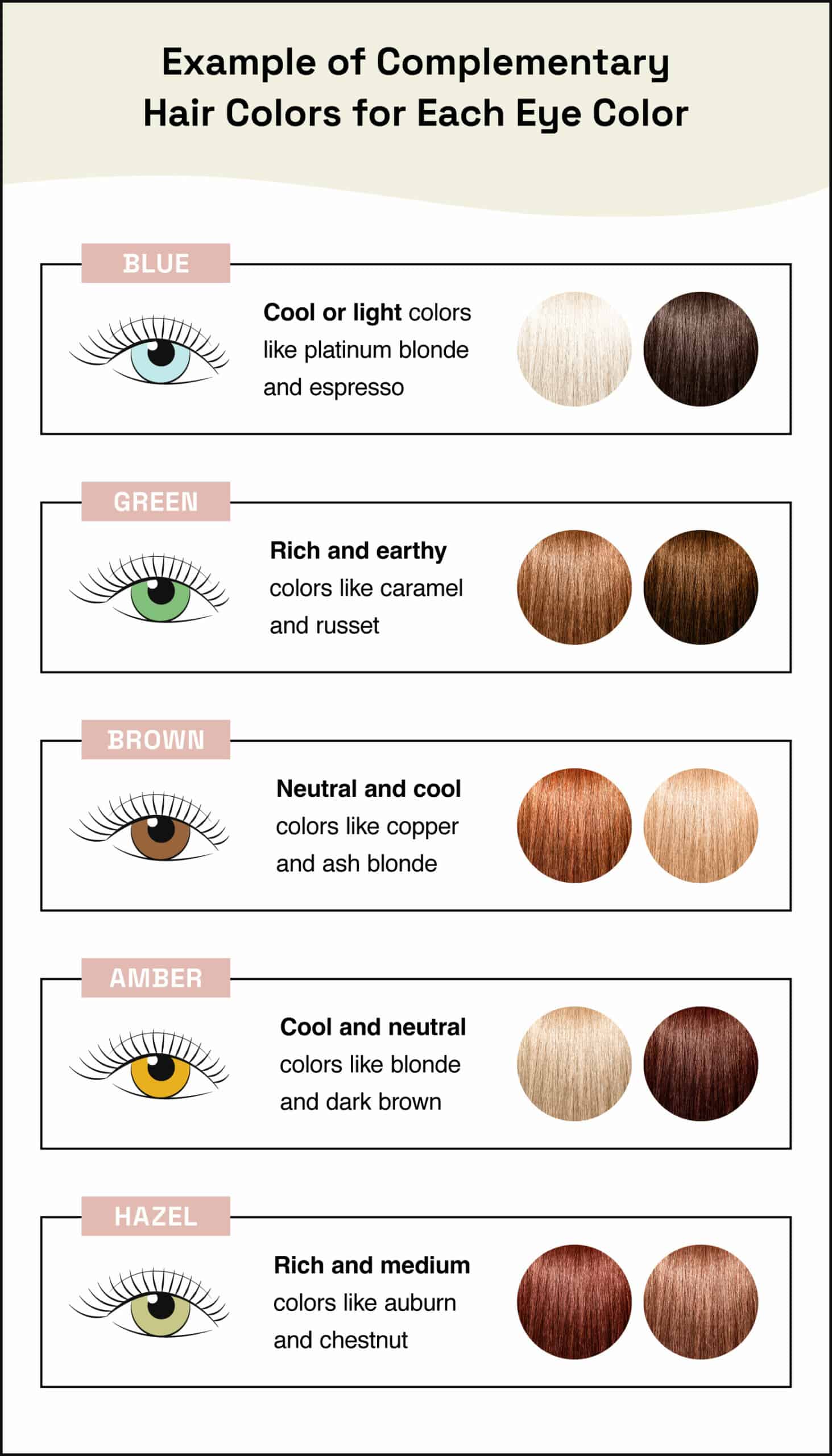
The evolution of these digital tools represents a significant milestone in beauty technology, often referred to as “BeautyTech.” By leveraging computer vision and neural networks, technology companies are solving one of the most persistent problems in personal grooming: the uncertainty of the visual outcome.
The Evolution of Digital Consultations: From Logic Trees to Neural Networks
The earliest iterations of hair colour quizzes were rudimentary web-based forms. These utilized simple “if-then” logic trees—if a user has blue eyes and fair skin, the output suggests cool-toned blondes. While helpful, these systems lacked the nuance required for a truly personalized recommendation. They could not account for the biological complexity of hair texture, the chemical history of previous dyes, or the subtle undertones of human skin.
The modern “What Hair Colour Should I Dye My Hair Quiz” has transcended these limitations by integrating machine learning (ML). Modern platforms now utilize deep learning models trained on millions of diverse facial images. These models are capable of identifying the subtle interplay between ambient lighting, skin pigment depth, and the reflective properties of various hair dyes.
Computer Vision and Skin Tone Mapping
At the heart of a high-end hair colour quiz is computer vision. When a user uploads a selfie or uses a live camera feed, the software performs a real-time analysis of the skin’s RGB (Red, Green, Blue) and CMYK (Cyan, Magenta, Yellow, Key) values. By analyzing these values across different areas of the face—such as the forehead, cheeks, and jawline—the AI determines the user’s true undertone (cool, warm, or neutral) regardless of the lighting conditions. This technological precision ensures that the recommended hair colour provides the optimal contrast or harmony with the user’s natural features.
Predictive Result Modeling
Beyond skin tone, advanced quizzes now incorporate predictive modeling for chemical outcomes. By asking questions about previous treatments, the backend software calculates the porosity and “lift” potential of the hair. This is essentially a digital simulation of organic chemistry, predicting how a specific dye formula will interact with the user’s current base shade. This tech-heavy approach reduces the risk of the “botched” home dye job, providing a safety net that traditional quizzes never could.
Augmented Reality: The “Try Before You Buy” Revolution
Perhaps the most impactful technological advancement in the hair colour selection process is the integration of Augmented Reality (AR). A “quiz” is no longer just a series of text questions; it is an immersive, visual experience. Companies like L’Oréal (via ModiFace) and Perfect Corp have pioneered AR engines that allow users to see themselves in thousands of different shades in real-time.
Virtual Try-On (VTO) Engines
The technology behind virtual try-ons involves complex spatial mapping. The software must identify the boundary between the hair and the face, often down to individual stray strands. This is achieved through a process called “instance segmentation,” where the AI distinguishes the “hair” object from the “background” and “skin” objects. Once segmented, the AR engine applies a digital overlay that mimics the translucency and shine of real hair dye.
The Physics of Light and Shine
Sophisticated AR hair quizzes do more than just change the color of pixels. They simulate how light interacts with different finishes—matte, metallic, or glossy. By utilizing physics-based rendering (PBR), the software can show how a “Rose Gold” shade might look under office fluorescent lights versus natural sunlight. This level of technological transparency provides users with a realistic expectation of their transformation, moving the quiz from a fun distraction to a vital pre-purchase tool.
The Data Science of Personalization and Consumer Behavior
The “What Hair Colour Should I Dye My Hair Quiz” is a masterpiece of data collection and consumer psychology. For brands, these quizzes serve as high-converting lead generation tools that provide a wealth of “zero-party data”—information that a customer intentionally and proactively shares.
Algorithmic Trend Analysis
By aggregating the results of millions of quizzes, beauty-tech companies can identify emerging trends before they hit the mainstream. If data shows a 40% spike in users searching for “copper” tones in a specific geographic region, brands can adjust their supply chains and marketing strategies in real-time. This predictive analytics capability ensures that the technology is not just serving the individual, but also optimizing the entire beauty ecosystem.
Hyper-Personalized Product Formulation
We are currently seeing the rise of API-driven integrations where the quiz results directly feed into automated manufacturing systems. In this model, the “What Hair Colour Should I Dye My Hair Quiz” isn’t just suggesting a pre-made box of dye; it is generating a unique chemical formula. The software sends the user’s data—hair density, gray percentage, and desired shade—to a robotic mixing station that creates a custom-pigmented product. This represents the pinnacle of tech-enabled personalization.
Privacy and Ethics in Esthetic Algorithms
As hair colour quizzes become more technologically advanced, they also raise important questions regarding digital security and data privacy. A quiz that requires a high-resolution facial scan is collecting biometric data, which is among the most sensitive types of personal information.
Biometric Data Security
Leading tech firms in the beauty space are now implementing “edge computing” for their quizzes. Instead of sending a user’s facial scan to a central server, the AI processing happens locally on the user’s smartphone. This ensures that the biometric “map” of the face never leaves the device, mitigating the risk of data breaches.
Addressing Algorithmic Bias
Another critical area of focus is ensuring that the algorithms are inclusive. Early AI models in the beauty industry were often criticized for having a limited understanding of diverse skin tones and hair textures (such as Type 4 coily hair). Modern tech development involves diversifying the training sets used for neural networks, ensuring that the “quiz” provides accurate and flattering recommendations for users of all ethnicities and backgrounds. The goal is a universal algorithm that understands the global spectrum of human beauty.
The Future of Beauty Tech: Beyond the Screen
The trajectory of the “What Hair Colour Should I Dye My Hair Quiz” points toward an even more integrated future. We are moving away from the “quiz” as a standalone website feature and toward its integration into the “Internet of Things” (IoT).
Smart Mirrors and the Connected Bathroom
The next generation of this technology will live in the smart mirror. Equipped with high-definition cameras and built-in displays, these devices will perform a daily “scan” of the user’s hair. The quiz will become an ongoing dialogue; the mirror might detect that a user’s color is fading due to UV exposure and suggest a corrective toning product. This represents a shift from reactive decision-making to proactive hair health management.

The Metaverse and Digital Identity
As we spend more time in virtual environments, the “What Hair Colour Should I Dye My Hair Quiz” will also apply to our digital avatars. The tech that helps you choose a physical hair dye will seamlessly sync with your digital persona in the metaverse. Users may experiment with gravity-defying colors and styles in a virtual space before deciding to commit to a physical change. The boundary between our digital “test” versions and our physical selves will continue to blur, driven by the advancement of rendering engines and real-time synchronization.
In conclusion, the “What Hair Colour Should I Dye My Hair Quiz” is much more than a simple marketing tool. It is a sophisticated intersection of computer vision, data science, and chemical engineering. By transforming the subjective art of hair styling into a data-driven science, technology is empowering consumers to make bolder, more informed choices about their personal identity. As AI and AR continue to evolve, the “quiz” will remain at the forefront of the digital beauty revolution, proving that even the most personal aesthetic decisions can be enhanced through the power of code.
aViewFromTheCave is a participant in the Amazon Services LLC Associates Program, an affiliate advertising program designed to provide a means for sites to earn advertising fees by advertising and linking to Amazon.com. Amazon, the Amazon logo, AmazonSupply, and the AmazonSupply logo are trademarks of Amazon.com, Inc. or its affiliates. As an Amazon Associate we earn affiliate commissions from qualifying purchases.