
In the competitive landscape of the global spirits market, gin stands as a unique case study in brand strategy and identity. While many spirits are defined by their aging process or their base grain, gin is defined by its versatility and its botanical DNA. To understand what gin is made of from a brand perspective is to understand the interplay between raw ingredients and the narrative equity they build. For a modern distillery, the ingredients listed on a label are not merely a recipe; they are the pillars of a corporate identity, the foundation of a marketing campaign, and the primary differentiator in a saturated marketplace.
The Alchemy of Identity: How Ingredients Define the Brand
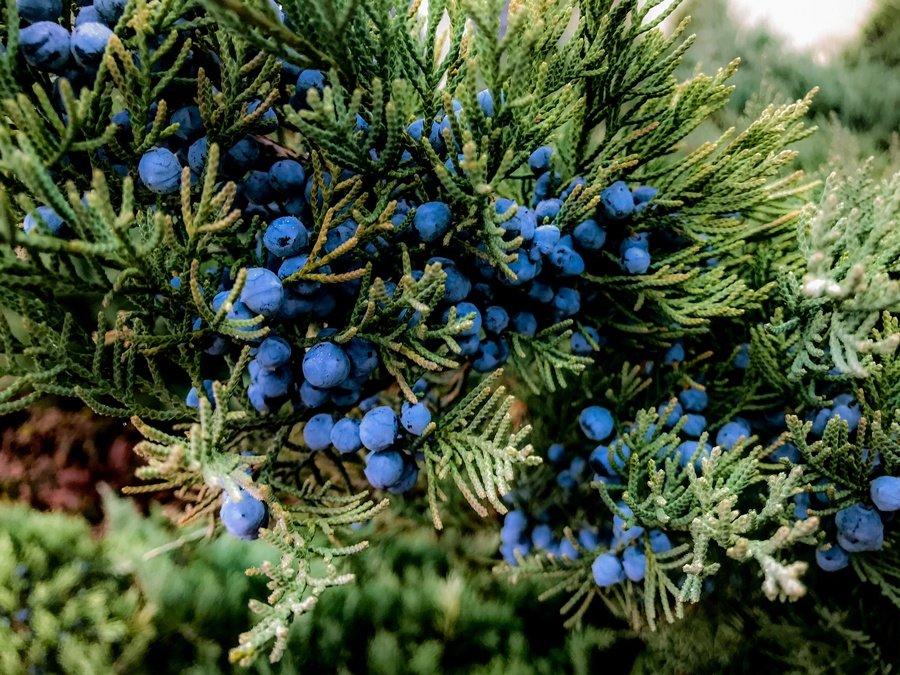
At its most fundamental level, gin is a neutral spirit flavored with juniper berries. However, the legal definition allows for an almost infinite array of secondary botanicals. This flexibility is the “secret sauce” of gin branding. Unlike Scotch whisky, which is bound by strict regional and temporal regulations, gin offers a canvas for radical brand differentiation.
The Juniper Baseline vs. Signature Botanicals
Every gin brand must reckon with juniper. It is the category’s anchor. From a branding standpoint, the prominence of juniper determines the brand’s “flavor profile” category: is it a traditional London Dry or a Contemporary/New Western gin?
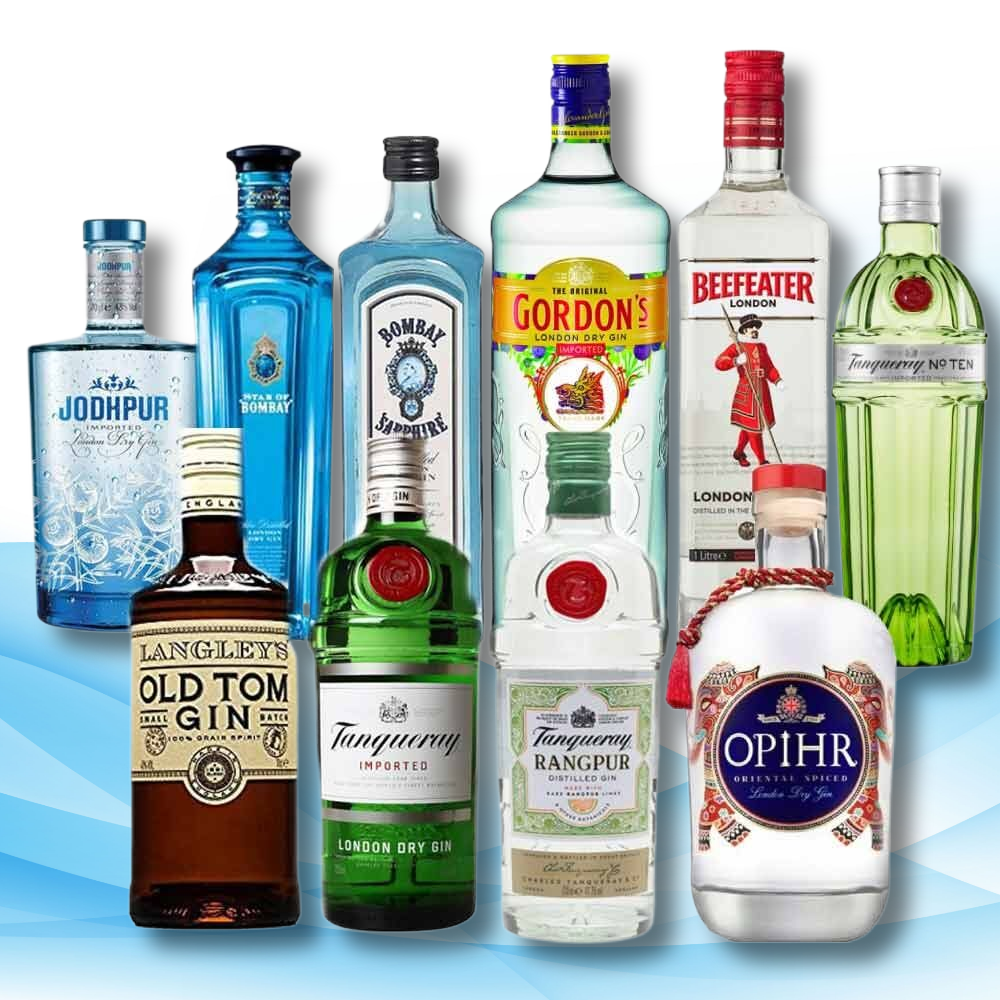
For heritage brands like Beefeater or Tanqueray, the “what” of their gin is a commitment to the juniper-forward, piney tradition. Their brand strategy revolves around reliability, history, and the “gold standard” of the classic martini. Conversely, newer “boutique” brands often de-emphasize juniper in favor of signature botanicals like cucumber, rose, or locally foraged herbs. By shifting the focus of what the gin is made of, these brands pivot their identity away from tradition and toward innovation, targeting a younger, more adventurous demographic.
Terroir as a Brand Narrative
In the wine world, “terroir” refers to the environmental factors that affect a crop’s phenotype. Gin brands have successfully hijacked this concept to create “sense of place” branding. When a brand identifies that its gin is made of botanicals sourced from a specific coastline, forest, or mountain range, it is selling more than a spirit; it is selling a geographic experience.
For instance, a gin made with Icelandic moss or Scottish seaweed uses its ingredients to build a narrative of ruggedness and purity. This transparency in sourcing becomes a powerful marketing tool. It transforms the ingredient list from a technical requirement into a story of origin, allowing the brand to command a premium price point based on the perceived rarity and authenticity of its components.
Crafting the Aesthetic: From Botanical Selection to Visual Identity
The physical ingredients of gin—the peels, seeds, barks, and roots—do more than influence the palate; they dictate the visual language of the brand. In modern marketing, the “what” of the gin is often translated directly into the “look” of the bottle.
Designing the Label Around the Ingredients
A brand’s visual identity is the first point of contact with the consumer. High-end gin brands frequently use botanical illustrations on their packaging to signal their flavor profile. If a gin is made of elderflower and citrus, the label will likely feature soft pastels and floral motifs. If it is a “navy strength” gin made with bold spices like grains of paradise and black pepper, the design language shifts toward dark tones, heavy typography, and industrial aesthetics.
This alignment between the physical makeup of the liquid and the visual cues on the bottle reduces “cognitive friction” for the consumer. It tells them what to expect before the cork is even popped. In a retail environment where consumers spend less than seven seconds deciding on a purchase, the ability of ingredients to communicate a brand’s essence through design is a critical competitive advantage.
The Glassware and Bottle Shape: Physical Manifestations of Flavor
The ingredients also influence the structural design of the packaging. Brands that use delicate, floral botanicals often opt for slender, clear glass bottles that suggest elegance and lightness. Meanwhile, gins that emphasize earthy roots and “heavy” botanicals may utilize stout, apothecary-style bottles in amber or green glass. These design choices reinforce the brand’s identity by mimicking the historical or natural context of the ingredients. A bottle that looks like it belongs on a Victorian chemist’s shelf reinforces the brand story of a gin made with complex, medicinal herbs.
Marketing the Invisible: Communicating the Distillation Process
While the ingredients are the “what,” the distillation process is the “how.” In brand strategy, the method of production is often treated as an ingredient in itself. The way a brand communicates how its gin is made—whether through vapor infusion, vacuum distillation, or traditional pot stills—serves to validate the quality of the raw materials.
Transparency and the “Small Batch” Allure
The term “small batch” has become a powerful brand signifier, even if its technical definition is loose. By emphasizing that their gin is made in limited quantities, brands create a perception of artisanal craftsmanship. They lean into the “what” by highlighting that each batch may have slight variations based on the harvest of the botanicals.
This transparency builds trust. In an era of mass-produced goods, a brand that can speak knowledgeably about the specific farm where its coriander was grown or the time of year its citrus was peeled gains a “craft” halo. This positioning allows the brand to distance itself from “industrial” spirits, appealing to the modern consumer’s desire for authenticity and ethical production.
Case Studies in Ingredient-Led Branding
- Hendrick’s Gin: One of the most successful examples of ingredient-led branding. By focusing on the unusual addition of cucumber and rose, Hendrick’s carved out a “quintessentially British, eccentric” niche. They didn’t just market a gin; they marketed the feeling of a Victorian garden party, all centered around two key ingredients that were previously unheard of in the category.
- Monkey 47: This brand’s identity is built entirely on the complexity of its 47 botanicals from the Black Forest. The number “47” isn’t just a recipe count; it is the brand’s name, its logo, and its primary marketing hook. The complexity of what the gin is made of justifies its position in the ultra-luxury segment.
The Luxury Segment: Exclusivity and Rare Ingredients
In the upper echelons of the spirits market, the ingredients used in gin become markers of status. To maintain a luxury brand identity, distilleries often seek out “hero ingredients” that are difficult to source or require specialized processing.
Limited Editions and Seasonal Runs
Brands often release seasonal expressions to keep their identity fresh and create a sense of urgency. A “Spring Edition” gin made of cherry blossoms or a “Winter Edition” featuring sloe berries and cinnamon allows a brand to engage with its audience multiple times a year. These limited runs leverage the scarcity of ingredients to drive sales and reinforce the brand’s image as a curator of fine flavors. It moves the brand from being a pantry staple to a collectible item.
Strategic Partnerships and Brand Collaborations
We are seeing an increase in gin brands collaborating with other industries—such as high-end tea blenders or luxury florists—to source unique ingredients. These collaborations serve to cross-pollinate brand audiences. When a gin brand identifies that its latest release is made of a specific rare tea leaf, it inherits the prestige and the customer base of the partner brand. This is a strategic move to elevate the gin’s perceived value through association.
Future-Proofing the Gin Brand: Sustainability and Ethical Sourcing
As consumer values shift, “what gin is made of” is increasingly scrutinized through the lens of social and environmental impact. Modern brand strategy must now account for the footprint of its ingredients.
Eco-conscious Branding
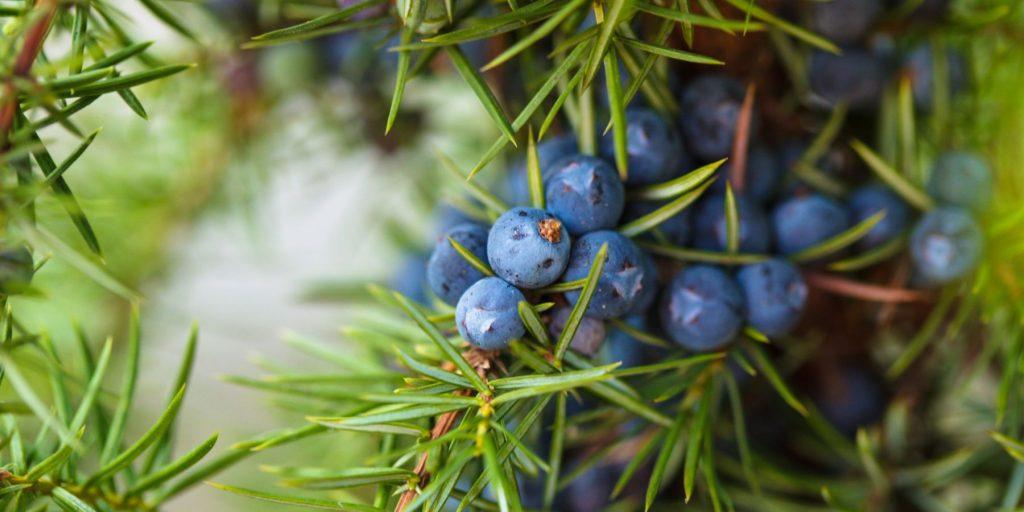
A brand that can claim its gin is made of 100% organic, sustainably sourced botanicals gains a significant edge in the “conscious consumer” market. Identity is no longer just about taste; it’s about values. Brands that utilize “ugly fruit” (produce rejected by supermarkets) for their citrus peels or support the reforestation of juniper bushes are integrating corporate social responsibility into their core identity.
The Evolution of Consumer Loyalty
Loyalty in the gin category is notoriously fickle because consumers love to “collect” different bottles. However, brands that anchor their identity in a transparent and ethical ingredient story tend to see higher retention. When a consumer knows exactly what their gin is made of—and feels good about the origins of those ingredients—they develop a deeper emotional connection to the brand.
In conclusion, “what gin is made of” is the most potent tool in a brand strategist’s arsenal. By meticulously selecting botanicals, designing visual identities that reflect those ingredients, and communicating the production process with transparency, a distillery can transform a simple neutral spirit into a powerful, evocative brand. In the world of gin, the ingredient list is the brand’s manifesto, defining not just how the liquid tastes, but what the company stands for in the eyes of the global consumer.
aViewFromTheCave is a participant in the Amazon Services LLC Associates Program, an affiliate advertising program designed to provide a means for sites to earn advertising fees by advertising and linking to Amazon.com. Amazon, the Amazon logo, AmazonSupply, and the AmazonSupply logo are trademarks of Amazon.com, Inc. or its affiliates. As an Amazon Associate we earn affiliate commissions from qualifying purchases.