
In the landscape of alternative investments, the allure of colored gemstones has transitioned from mere aesthetic appreciation to a sophisticated asset class. While traditional portfolios often rely on equities, bonds, and real estate, high-net-worth individuals are increasingly diversifying into tangible, portable wealth. Among the various hues available in the market, blue gemstones hold a prestigious position, often commanding the highest premiums at auction and showing remarkable resilience during periods of market volatility.
Understanding “what gems are blue” is not merely a question of mineralogy; for the modern investor, it is a question of market scarcity, origin-linked value, and the socio-economic factors that drive demand for azure-toned assets. From the deep velvet of a Kashmir sapphire to the electric glow of a Paraiba tourmaline, the blue spectrum offers a range of entry points for those looking to hedge against inflation with physical commodities.

The Financial Case for Blue Gemstones
The investment thesis for blue gemstones rests on the principles of supply and demand. Unlike gold or silver, which are fungible and can be melted down, each gemstone is a unique geological event. Blue stones, in particular, are driven by a global demand that spans centuries, bolstered by royal associations and a psychological preference for the color blue in both Western and Eastern markets.
Market Scarcity and Value Retention
The primary driver of value in the gemstone market is rarity. Many of the world’s most famous blue gem deposits are either depleted or facing dwindling output. When a mine reaches its “end of life,” the existing stones from that location become finite collectibles. This secondary market behavior ensures that high-quality blue gems typically do not lose value over time; rather, they appreciate as new supply fails to meet growing global demand.
Portfolio Diversification through Tangible Assets
In an era of digital assets and high-frequency trading, tangible assets provide a stabilizing force. Gemstones are highly portable, allowing for the concentration of significant wealth into a small, physical form. Furthermore, the correlation between gemstone prices and the S&P 500 is historically low, making them an excellent tool for diversification. While they lack the liquidity of a publicly traded stock, their value is intrinsic and independent of corporate earnings or interest rate fluctuations.
Evaluating the Blue Spectrum: Top Investment-Grade Gems
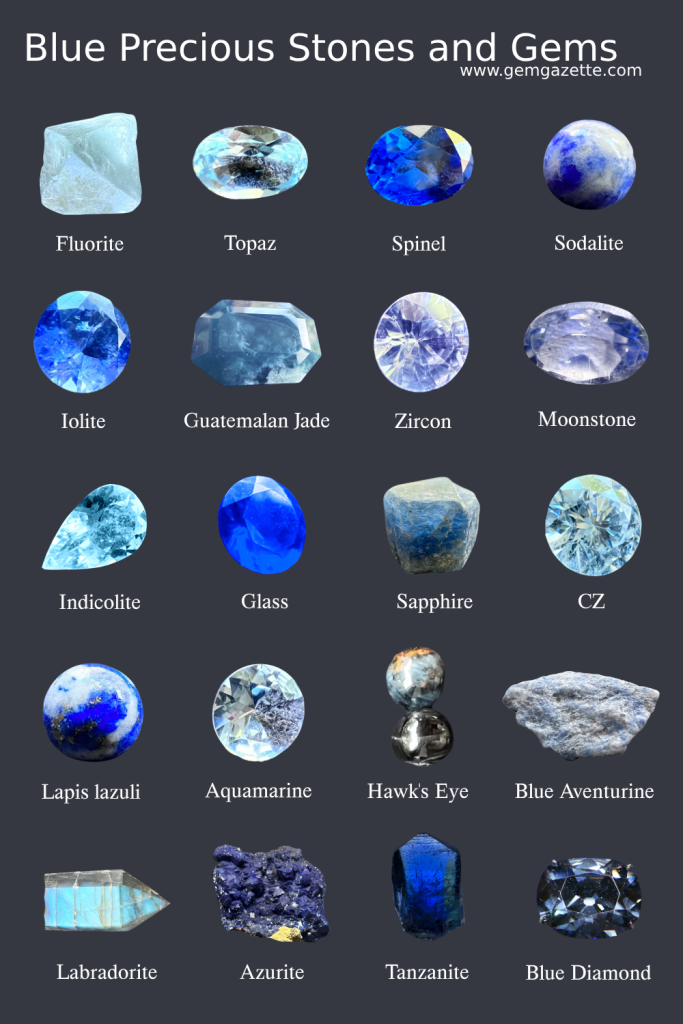
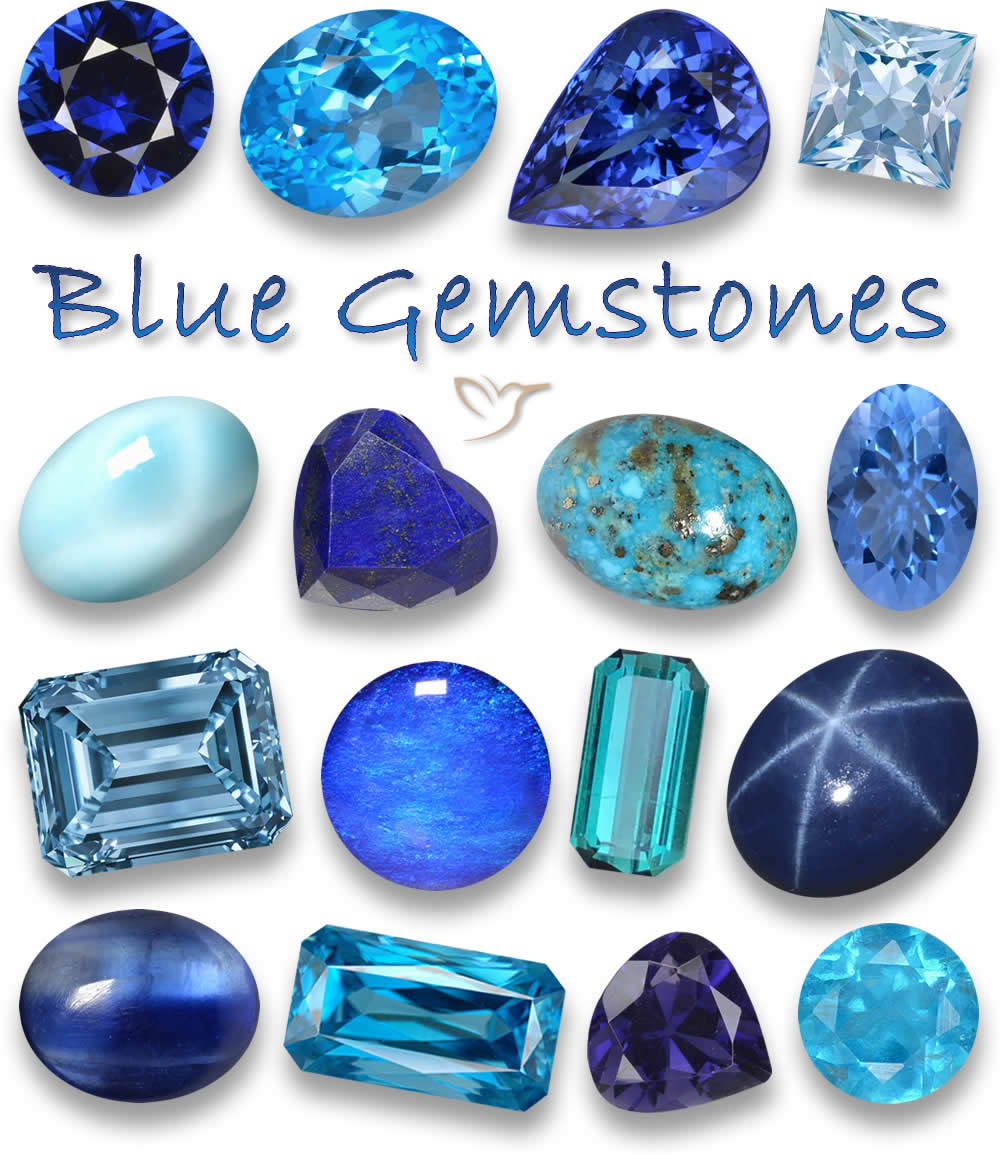
When an investor asks what gems are blue, they must distinguish between “commercial grade” stones found in retail outlets and “investment grade” specimens. The following stones represent the pinnacle of the blue gemstone market.
Blue Diamonds: The Pinnacle of Rarity
Blue diamonds are among the rarest and most expensive substances on Earth. Their color is caused by trace amounts of boron trapped in the crystal lattice during formation deep within the Earth’s mantle. Because they are so rare—accounting for a tiny fraction of all diamonds mined—they are treated more like fine art than commodities.
At major auction houses like Christie’s and Sotheby’s, blue diamonds consistently break records. The “Fancy Vivid Blue” classification represents the gold standard for investors. Because the supply from the Argyle mine and various South African pipes is so limited, these stones are often viewed as the ultimate “safe haven” for ultra-high-net-worth individuals.
Sapphires: The Blue-Chip Standard
If blue diamonds are the elite assets, sapphires are the “blue-chip” stocks of the gemstone world. However, not all sapphires are created equal. For the investor, “origin” is the most critical factor.
- Kashmir Sapphires: These are the most coveted, known for their “cornflower blue” or “velvety” appearance. The mines were largely exhausted by the early 20th century, meaning almost all Kashmir sapphires on the market are recycled through estate sales.
- Burmese (Myanmar) Sapphires: Known for deep, royal blue tones, these stones carry a significant premium due to their historical prestige and the complexity of sourcing from the region.
- Ceylon (Sri Lanka) Sapphires: Sri Lanka remains a primary source of high-quality, vibrant blue sapphires. They offer better liquidity than Kashmir stones because there is a more active, ongoing market for them.
Tanzanite: The Finite Resource Opportunity
Tanzanite is a unique case study in investment. It is found in only one place on Earth: a small strip of land near Mount Kilimanjaro in Tanzania. Geological surveys suggest that the mines may be depleted within the next few decades. This “single-source” status creates a “generational investment” opportunity. As the supply moves toward total exhaustion, the price of high-quality, deep-blue-to-violet tanzanite is expected to see significant upward pressure.
Paraiba Tourmaline: The Neon Newcomer
Discovered in the late 1980s in Brazil, Paraiba tourmalines are prized for their “neon” or “electric” blue-green glow, caused by the presence of copper. They are significantly rarer than diamonds. While newer deposits have been found in Africa (Nigeria and Mozambique), the original Brazilian stones still command the highest prices. For an investor, the Paraiba tourmaline represents a high-growth asset that has seen its price per carat skyrocket faster than almost any other gemstone in the last 30 years.
The “Four Cs” of Financial Valuation in Blue Stones
To successfully invest in blue gems, one must move beyond the basic “Four Cs” used in diamond grading and apply a more nuanced financial lens to the valuation of colored stones.
Color: The Ultimate Value Driver
In the world of blue gems, color is the most important factor. Experts analyze color based on three pillars:
- Hue: The specific shade of blue. True, primary blue is usually the most valuable.
- Tone: The lightness or darkness. A stone that is too dark (looking black in low light) or too light (looking washed out) will not hold investment value.
- Saturation: The intensity of the color. “Vivid” saturation is the goal for any investment-grade blue stone.
Clarity and Internal Integrity
While emeralds are expected to have inclusions, blue sapphires and diamonds should ideally be “eye-clean.” Inclusions can threaten the structural integrity of the stone and diminish its ability to reflect light, which in turn lowers its resale value. However, in certain blue stones like Kashmir sapphires, microscopic “silk” inclusions are actually welcomed, as they scatter light to create the signature velvety glow that proves the stone’s origin.
Cut and Carat Weight Efficiency
In colored stones, the cut is designed to maximize color rather than brilliance. An investor should look for “native cuts” that preserve as much carat weight as possible without sacrificing the stone’s “face-up” appearance. Carat weight has a non-linear relationship with price; a single five-carat blue sapphire is worth significantly more than five one-carat stones of the same quality due to the exponential rarity of larger crystals.
Market Logistics: Acquisition, Liquidity, and Risk Management
Investing in blue gemstones requires a different logistical approach than trading stocks or gold bullion. It is a market that rewards patience, due diligence, and expert networking.
Authentication and Certification
The most significant risk in gemstone investment is the presence of synthetic stones or “treated” natural stones. Many blue sapphires are heat-treated to enhance their color. While this is an accepted industry practice, “unheated” stones are significantly rarer and command a premium of 50% to 100% over treated counterparts.
Before capital is deployed, a certificate from a top-tier laboratory—such as the GIA (Gemological Institute of America), SSEF (Swiss Gemmological Institute), or Gübelin—is mandatory. These reports confirm the stone’s weight, dimensions, color grade, treatment status, and, crucially, its geographic origin.
Storage and Insurance
As physical assets, blue gems require secure storage and specialized insurance. Many investors utilize private vaults or “freeports”—high-security storage facilities in tax-neutral zones like Singapore, Geneva, or Luxembourg. Insurance premiums are generally affordable, often ranging from 0.5% to 2% of the appraised value annually, depending on the storage security level.
Understanding Resale Channels and Liquidity
Gemstones are not “get rich quick” assets. They are long-term holds (typically 5 to 10 years). Liquidity is found through three main channels:
- Auction Houses: Best for high-value, “museum-grade” blue diamonds and sapphires.
- Private Treaty Sales: Facilitated by brokers or dealers to other collectors.
- Retail Buyback: Some high-end jewelers offer buyback programs for investment-grade stones they originally sold.
Emerging Trends in the Blue Gemstone Market
The future of blue gemstone investment is being shaped by two major forces: ethical sourcing and the rise of the Asian middle class.
Environmental, Social, and Governance (ESG) criteria are becoming increasingly important. Investors are now looking for “traceable” gems that can be proven to have been mined ethically and sustainably. Stones with a clear provenance and “mine-to-market” documentation are increasingly outperforming those with murky origins.
Furthermore, the demand for blue gems in China and India has surged. In these markets, blue is often associated with status and prosperity. As the purchasing power in these regions continues to grow, the competition for the world’s limited supply of investment-grade blue stones will likely intensify, further driving up valuations.
In conclusion, blue gemstones represent a unique intersection of geological miracle and financial strategy. For the investor who understands the nuances of origin, color saturation, and market scarcity, these “azure assets” provide a resilient and beautiful way to preserve wealth across generations. Whether it is the storied history of a sapphire or the finite future of tanzanite, blue gems remain a cornerstone of the alternative investment world.
aViewFromTheCave is a participant in the Amazon Services LLC Associates Program, an affiliate advertising program designed to provide a means for sites to earn advertising fees by advertising and linking to Amazon.com. Amazon, the Amazon logo, AmazonSupply, and the AmazonSupply logo are trademarks of Amazon.com, Inc. or its affiliates. As an Amazon Associate we earn affiliate commissions from qualifying purchases.