
In the competitive landscape of the confectionery industry, standing out requires more than just a palatable product. It requires a narrative that captures the consumer’s imagination. Perhaps no brand has executed this more effectively than Airheads with their iconic “White Mystery” flavor. While children and candy enthusiasts have spent decades debating whether the flavor is watermelon, cherry, or a tropical blend, brand strategists view the “White Mystery” bar through a different lens. To a marketing professional, the white Airhead is not just a candy; it is a masterclass in industrial efficiency, psychological engagement, and the power of curiosity-driven branding.

The brilliance of the White Mystery flavor lies in its ability to turn a manufacturing necessity into a primary brand pillar. By understanding the mechanics behind the “mystery,” we can uncover profound lessons in brand strategy, cost optimization, and consumer behavior that apply far beyond the candy aisle.
The Engineering of Enigma: Turning Production Logic into Brand Equity
To understand the branding of the White Mystery Airhead, one must first understand the logistics of candy manufacturing. In a high-volume production environment, transitioning between different flavors—such as moving from Cherry to Blue Raspberry—typically requires a complete shutdown of the assembly line. The machines must be cleaned to prevent cross-contamination, a process that results in significant “downtime.” In the world of manufacturing, downtime is the enemy of profitability.
The Industrial Logic of the “Mystery”
The origin of the White Mystery flavor is rooted in a stroke of operational genius. Instead of stopping the machines to purge the leftover candy mass from a previous run before starting a new flavor, the manufacturer, Perfetti Van Melle, decided to keep the machines running. The result was a hybrid product—a mix of the end of one batch and the beginning of the next.
From a brand strategy perspective, this was a revolutionary move. Instead of discarding this “interstitial” product or selling it as a “second,” the company removed the artificial food coloring, leaving the candy a stark, neutral white. By stripping away the visual cues that typically inform a consumer’s taste expectations, they created a blank slate. This allowed the brand to market what was essentially a production byproduct as a premium, limited-experience item.
Cost Efficiency Through Creative Packaging
By creating the “Mystery” SKU, Airheads effectively eliminated the waste associated with flavor transitions. This is a prime example of a brand utilizing “upcycling” logic before it was a mainstream trend. However, the true value wasn’t just in the cost savings of the raw material; it was in the packaging strategy. By standardizing the “White Mystery” wrapper, the brand created a permanent home for these transitional batches. This reduced the complexity of their inventory management while simultaneously building a sub-brand that carries immense consumer recognition.
The Psychological Hook: Why Consumers Crave the Unknown
Modern branding is increasingly moving away from passive consumption toward active participation. The White Mystery Airhead is a foundational example of “gamified” marketing. When a consumer chooses a Cherry Airhead, the transaction is predictable. When they choose a White Mystery bar, they are opting into an experience.
Curiosity as a Conversion Tool
Human psychology is hardwired to seek resolution to puzzles. This is known in marketing as the “information gap” theory. By presenting a product that explicitly withholds information—the flavor—Airheads creates a psychological itch that the consumer can only scratch by purchasing and tasting the product.
This strategy transforms the consumer from a passive eater into an investigator. Because the flavor profile actually changes depending on which two batches were being mixed at the time of production, the “mystery” is never truly solved. This variability ensures repeat purchases; a consumer might try a White Mystery bar today and taste Grape-Lemon, then return tomorrow hoping to identify a different combination. The brand isn’t just selling sugar and corn syrup; it is selling a recurring challenge.
The Gamification of Confectionery
In a marketplace saturated with “Extreme” or “Mega” flavor iterations, the White Mystery bar stands out through its minimalism. The lack of color is its most striking feature. In a sea of neon-colored wrappers and dyed candies, the white bar serves as a visual “palette cleanser.” This aesthetic choice is a deliberate branding move to signal purity and intrigue. It forces the consumer to rely entirely on their sense of taste and smell, deepening the sensory engagement with the brand. This level of focus is a rarity in modern snacking, where visual overstimulation is the norm.
Building a Legacy: The Impact of the Mystery Flavor on Corporate Identity
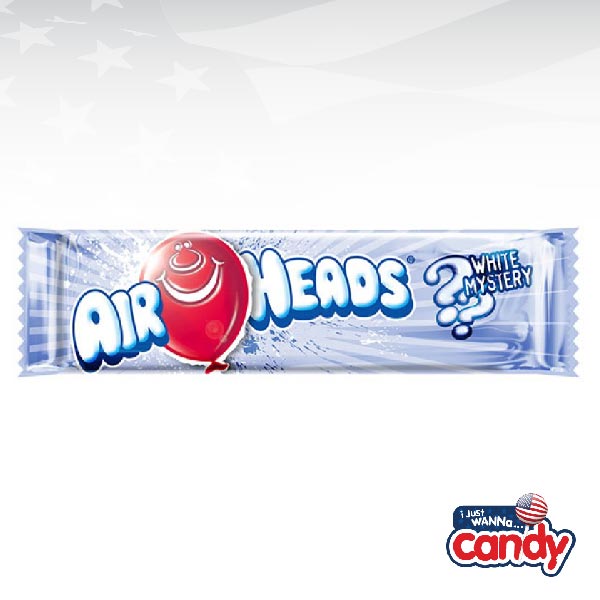
The success of the White Mystery flavor has fundamentally altered the trajectory of the Airheads brand. What began as a clever way to handle production transitions has become the brand’s most discussed and recognizable product. This shift highlights the importance of “accidental” brand pillars—products that resonate with the public in ways the original marketing plan might not have anticipated.
Standing Out in a Saturated Market
The confectionery market is notoriously difficult to penetrate and maintain. Brand loyalty is often fickle, driven by impulse buys at checkout counters. To survive, a brand must possess “top-of-mind awareness.” The White Mystery flavor provides this in spades. It gives the brand a “hook” that competitors find difficult to replicate without looking like imitators.
While other brands have attempted “mystery” flavors, Airheads owns the “White Mystery” trademark in the minds of the public. This ownership is a form of brand equity that is incredibly difficult to build. It has allowed Airheads to expand into other categories, such as Xtreme strips and gum, while always carrying the “Mystery” halo with them.
User-Generated Content and the Digital “Guessing Game”
Long before the advent of TikTok and Instagram, the White Mystery Airhead was generating “user-generated content” in the form of schoolyard debates and lunchroom trades. In the digital age, this has translated seamlessly into social media engagement. Thousands of threads on platforms like Reddit and countless videos on YouTube are dedicated to “cracking the code” of the white Airhead.
For a brand, this is the holy grail of marketing: organic, unpaid engagement. The mystery provides a natural prompt for conversation. By not officially “revealing” the flavor (even though the manufacturing process is now relatively well-known), the brand maintains the mystique. The silence from the corporate office is a deliberate strategic choice; an answer would end the conversation, while silence keeps the brand trending.
Strategic Diversification: How Other Brands Followed the Airheads Blueprint
The success of the “Mystery” strategy has sent ripples through the entire food and beverage industry. We now see a proliferation of “mystery” products, from Mountain Dew’s “VooDEW” seasonal releases to Pringles’ “Mystery Flavor” challenges. These brands are all following the blueprint established by Airheads: leverage curiosity to drive trial, use minimalism to create intrigue, and foster community debate to sustain relevance.
The Ripple Effect in the Snack Industry
When a brand like Airheads demonstrates that consumers will pay for the privilege of being confused, it changes the risk assessment for other marketing departments. We see this strategy being applied in “blind box” toy marketing and “surprise” subscription services. The core value proposition is no longer the item itself, but the emotional high of the reveal.
Airheads’ contribution to this trend cannot be overstated. They proved that the “mystery” didn’t need to be a one-off promotion; it could be a permanent part of the product lineup. This provides a lesson in brand longevity: if a gimmick is integrated deeply enough into the brand’s operational DNA, it ceases to be a gimmick and becomes a feature.
Maintaining Brand Relevance Through Iteration
Even a successful mystery can become stale if not managed properly. Airheads has maintained the relevance of the White Mystery flavor by occasionally leaning into the hype. They have run contests and social media campaigns that acknowledge the “investigative” nature of their fan base.
However, they have also been careful not to overexpose the secret. The “White Mystery” remains a core part of their identity because they have resisted the urge to modernize it too much. The wrapper remains largely unchanged, and the flavor remains as unpredictable as ever. In a world of constant brand refreshes and re-brands, the consistency of the White Mystery Airhead is a testament to the power of a strong original concept.

The Enduring Power of Brand Storytelling
The story of the White Mystery Airhead is ultimately a story about the intersection of industrial reality and consumer imagination. It teaches us that the limitations of a business—such as the need to transition between production runs—can be transformed into its greatest strengths through creative branding.
For brand managers and marketers, the white Airhead serves as a reminder that the “what” of a product is often less important than the “why” and the “how.” The “what” is a piece of sugar-based taffy. The “why” is the human desire to solve a puzzle. The “how” is a brilliant use of packaging and the omission of color.
By refusing to name the flavor, Airheads gave the product a name that would last for generations. They understood that in a world where every piece of information is available at the click of a button, a little bit of mystery is a valuable commodity. The white Airhead remains a titan of the candy world not because of its specific taste, but because it represents the successful execution of a brand strategy that values engagement, efficiency, and the eternal allure of the unknown. As long as there are people who want to guess what they are eating, the White Mystery will continue to be a cornerstone of the Airheads empire, proving that sometimes, the best brand strategy is to leave the most important question unanswered.
aViewFromTheCave is a participant in the Amazon Services LLC Associates Program, an affiliate advertising program designed to provide a means for sites to earn advertising fees by advertising and linking to Amazon.com. Amazon, the Amazon logo, AmazonSupply, and the AmazonSupply logo are trademarks of Amazon.com, Inc. or its affiliates. As an Amazon Associate we earn affiliate commissions from qualifying purchases.