
Choosing a career in physical therapy is an ambitious commitment that requires a meticulous balance of academic rigor and financial planning. To practice as a physical therapist (PT) in the United States, the educational requirements are non-negotiable: you must earn a Doctor of Physical Therapy (DPT) degree from an accredited program and pass a national licensure exam. However, looking at this path through a financial lens reveals that “education” is not just about learning anatomy and biomechanics; it is about managing a significant capital investment.
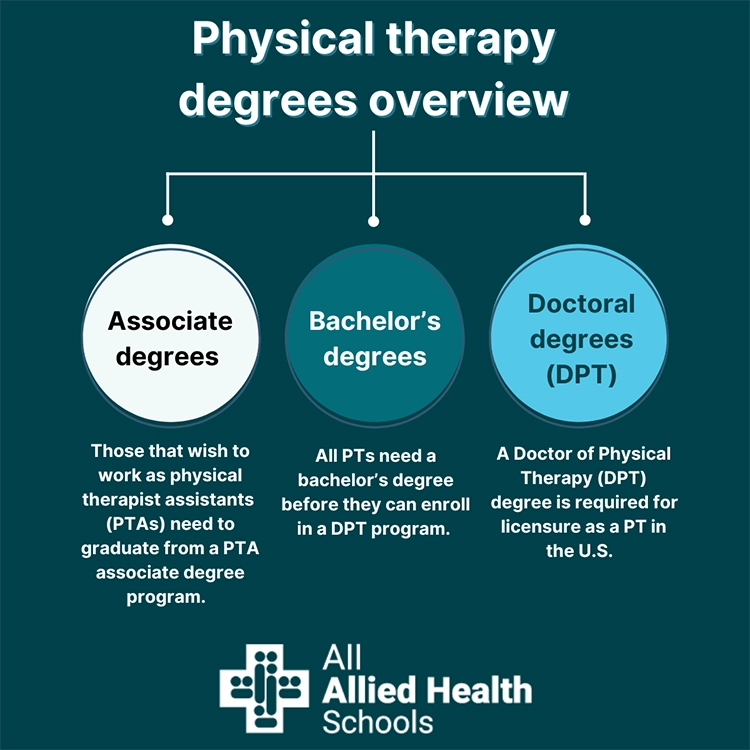
The journey to becoming a PT involves approximately seven years of post-secondary education—four years of undergraduate study followed by three years of professional DPT schooling. Because this path carries a substantial price tag, understanding the educational milestones alongside their economic implications is essential for any aspiring healthcare professional.
The Initial Investment: Analyzing the Cost of the Doctor of Physical Therapy (DPT) Degree
The educational foundation of a physical therapist begins long before they step into a clinic. From a financial perspective, the first four years are about building a prerequisite portfolio that qualifies you for graduate-level investment.
Undergraduate Prerequisites and Tuition
Most DPT programs require a bachelor’s degree with a heavy focus on the sciences, including biology, chemistry, physics, anatomy, and physiology. From a money management standpoint, the choice of an undergraduate institution is the first major financial decision. Attending a high-priced private university for a pre-PT track can inflate your total debt before you even begin the specialized portion of your training. Savvy students often opt for state universities or community college transfers to minimize undergraduate debt, preserving their borrowing capacity for the doctoral program.
Graduate Program Costs: Public vs. Private
The DPT program itself is a three-year intensive curriculum. The cost of this education varies wildly depending on the institution. According to data from the American Physical Therapy Association (APTA), the total tuition for a DPT program can range from $30,000 at a low-cost public institution to over $150,000 at a prestigious private university.
When evaluating these programs, it is vital to calculate the “total cost of attendance,” which includes lab fees, textbooks, and health insurance. A student must view this as a business expense. If two programs offer the same clinical outcomes and licensure pass rates, the lower-cost public option often provides a significantly higher return on investment (ROI).
The Hidden Costs of Clinical Rotations
One of the most overlooked aspects of PT education is the final year, which is largely comprised of full-time clinical rotations. While these are essential for building hands-on skills, they are almost always unpaid. Furthermore, many students must relocate to different cities to complete specialized rotations in pediatrics, geriatrics, or sports medicine. This requires budgeting for “double rent,” travel expenses, and the inability to maintain even a part-time side hustle during those months.
Navigating the Debt-to-Income Ratio in Physical Therapy
Perhaps the most critical financial discussion in the physical therapy world is the debt-to-income ratio. With the average DPT graduate carrying six figures in student loans, aligning your educational path with your future earning potential is a necessity for long-term financial health.
Assessing the ROI of a DPT Degree
The Bureau of Labor Statistics (BLS) reports that the median annual wage for physical therapists is approximately $97,000, with top earners in certain settings exceeding $120,000. However, starting salaries for new graduates often hover between $70,000 and $85,000.
If a student borrows $150,000 to earn a salary of $75,000, they are facing a 2:1 debt-to-income ratio. In the world of personal finance, this is a challenging position. Prospective PTs must focus on “education efficiency”—finding the highest quality education at the lowest possible price point to ensure that their monthly loan payments do not eclipse their ability to invest, save for a home, or build a retirement fund.
Public Service Loan Forgiveness (PSLF) and Other Debt Relief
Because many physical therapists work for non-profit hospitals or government-run facilities (such as the Veterans Affairs system), they may be eligible for the Public Service Loan Forgiveness (PSLF) program. This program forgives the remaining balance on Direct Loans after 120 qualifying monthly payments under a qualifying repayment plan while working full-time for a qualifying employer.

Strategically choosing an employer based on PSLF eligibility can be worth tens of thousands of dollars in “indirect income.” For a graduate with high debt, the “education” they need includes a deep understanding of federal loan repayment programs and income-driven repayment (IDR) plans.
Strategic Budgeting for Post-Graduation
The first three years after completing your education are the “wealth-building” foundation years. Physical therapists who live like students for a few years after graduation, directing their increased earnings toward aggressive debt repayment or high-yield investments, often find themselves in a much stronger financial position by their early 30s than those who immediately upgrade their lifestyle to match their new title.
Specialized Education and Its Impact on Earning Potential
Once the DPT is secured and the license is active, the education does not stop. However, post-doctoral education should be viewed through the lens of career leverage and salary negotiation.
Residency and Fellowship Financial Trade-offs
Clinical residencies and fellowships allow PTs to specialize in areas like orthopedics, neurology, or women’s health. While these programs provide elite-level clinical skills, they often come with a financial cost. Many residents take a pay cut—sometimes earning only 70% to 80% of a full staff salary—in exchange for mentored hours and advanced coursework.
From a money perspective, you must determine if the specialization will lead to a “Title Bump” or a “Salary Bump.” In some healthcare systems, a Board-Certified Clinical Specialist (SCS, OCS, NCS) can command a higher hourly rate or move into leadership roles more quickly, eventually recouping the lost wages from the residency year.
Board Certifications and Salary Negotiation
Becoming a Board-Certified Specialist is an investment in your personal brand and your professional “equity.” When negotiating a contract with a private practice or a hospital system, having these advanced credentials provides the data necessary to argue for a salary at the higher end of the market range. Specialized education acts as a barrier to entry; if you possess skills that the average PT does not, your market value increases.
Adding “Cash-Based” Expertise to Your Portfolio
Modern physical therapy education is trending toward “niche” markets. Learning specialized techniques like pelvic floor therapy, vestibular rehabilitation, or high-level athletic performance training allows a therapist to step outside the constraints of insurance-based reimbursement. By investing in these specific educational tracks, a PT can transition into a cash-pay model, where they set their own rates and significantly increase their hourly income compared to traditional insurance-based clinics.
Monetizing Your Expertise: Beyond the Traditional Clinic
The final stage of a physical therapist’s educational journey involves learning the business of healthcare. To truly maximize the income potential of a DPT, one must look beyond the 40-hour workweek in a clinic.
Business Finance for Private Practice Owners
For many, the ultimate goal is to own a private practice. This requires an entirely different set of educational tools: understanding P&L statements, managing payroll, navigating commercial real estate leases, and mastering marketing. The ROI on a DPT degree skyrockets when the therapist owns the “means of production.” Instead of earning a salary, the owner-operator benefits from the profit margins of the entire clinic and the labor of other providers.
Scaling via Online Coaching and Digital Products
In the digital economy, physical therapists are increasingly using their education to create online income streams. This includes developing “pre-hab” programs for specific sports, ergonomic consulting for tech companies, or health coaching for chronic pain management. By leveraging their doctoral-level knowledge to create digital products, PTs can move away from “trading time for money,” allowing for scalable income that isn’t limited by the number of patients they can see in a day.
Side Hustles for Physical Therapists
The versatility of PT education allows for various lucrative side hustles. Per diem (PRN) work often pays a significantly higher hourly rate than salaried positions, making it an excellent way to boost income on weekends or holidays. Additionally, legal consulting as an expert witness or performing functional capacity evaluations for insurance companies are high-paying niches that require the specific clinical expertise gained through a DPT program.
Ultimately, the education needed to be a physical therapist is a multifaceted investment. It begins with the academic requirements of a Doctor of Physical Therapy degree but extends into financial literacy, specialized certifications, and business acumen. By viewing each educational milestone as a strategic move in a larger financial game, physical therapists can build a career that is as fiscally rewarding as it is clinically fulfilling.
aViewFromTheCave is a participant in the Amazon Services LLC Associates Program, an affiliate advertising program designed to provide a means for sites to earn advertising fees by advertising and linking to Amazon.com. Amazon, the Amazon logo, AmazonSupply, and the AmazonSupply logo are trademarks of Amazon.com, Inc. or its affiliates. As an Amazon Associate we earn affiliate commissions from qualifying purchases.