
Determining the exact nature of the United States economy requires looking past simple labels. While often described as a bastion of capitalism, the United States actually operates under a “mixed economy.” This system blends the principles of a free-market economy—where private individuals and businesses make production and pricing decisions—with government oversight and intervention designed to protect the public interest and maintain economic stability. For investors, business owners, and individuals managing personal finances, understanding this duality is essential for navigating the complexities of the American financial landscape.
The U.S. economic system is built on the pillars of private property, competition, and consumer sovereignty, but it is tempered by a robust regulatory framework and social safety nets. This balance is intended to harness the efficiency of the market while mitigating the inherent risks of unregulated commercial activity, such as monopolies, environmental degradation, and extreme wealth inequality.

The Foundations of the American Capitalist Framework
At its core, the United States economy is driven by the principles of capitalism. This component of the mixed system emphasizes that the means of production—factories, technology, land, and capital—are owned by private individuals and corporations rather than the state. This private ownership provides the primary incentive for innovation and efficiency: the profit motive.
Private Property Rights and Individual Incentive
The legal protection of private property is perhaps the most critical element of the U.S. system. When individuals know that their assets, intellectual property, and investments are protected by law, they are more likely to take risks and deploy capital. From a personal finance perspective, this allows for the accumulation of generational wealth through homeownership, stock market participation, and business equity. The ability to “own” the results of one’s labor and investment creates a powerful engine for economic growth that pure command economies often lack.
The Role of Competitive Markets
Competition serves as the “invisible hand” that regulates the marketplace. In the U.S. system, businesses compete for consumer dollars by improving quality, lowering prices, or innovating new products. This competition prevents any single entity from becoming too complacent or exploitative. For the consumer, this translates to a wider array of choices and more efficient resource allocation. From a business finance standpoint, competition forces firms to optimize their operations and manage their balance sheets strictly to remain viable against rivals.
Consumer Sovereignty
The U.S. system is largely demand-driven. Consumers signal their preferences through their spending habits, which in turn dictates what goods and services are produced. This “dollar voting” ensures that the economy remains responsive to the needs and desires of the population. For entrepreneurs and side-hustlers, this means that success is directly tied to the ability to identify and fill a gap in the market, rather than waiting for government directives on what to produce.
The “Mixed” Element: Government Intervention and Regulation
If the U.S. were a “pure” market economy (laissez-faire), there would be no government intervention at all. However, history has shown that unregulated markets can lead to “market failures.” To address these, the U.S. government plays an active role in the economy, making it a “mixed” system.
Correcting Market Failures and Anti-Trust Laws
One of the primary roles of the government is to ensure that competition remains fair. Agencies like the Federal Trade Commission (FTC) and the Department of Justice (DOJ) enforce anti-trust laws to prevent monopolies from forming. When a single company controls an entire industry, the competitive benefits of the market vanish. By breaking up monopolies or blocking anti-competitive mergers, the government protects the integrity of the market system.
Furthermore, the government intervenes to address externalities—costs or benefits that affect parties who did not choose to be involved in a transaction. For example, environmental regulations ensure that a company’s profit-making activities do not impose health costs on the public through pollution. While these regulations represent a cost to businesses, they are viewed as necessary for the long-term sustainability of the broader economy.
Social Safety Nets and Public Services
The U.S. government provides goods and services that the private market might not provide efficiently or equitably. This includes national defense, public infrastructure (highways, bridges), and education. Additionally, the government manages social insurance programs like Social Security, Medicare, and unemployment insurance.
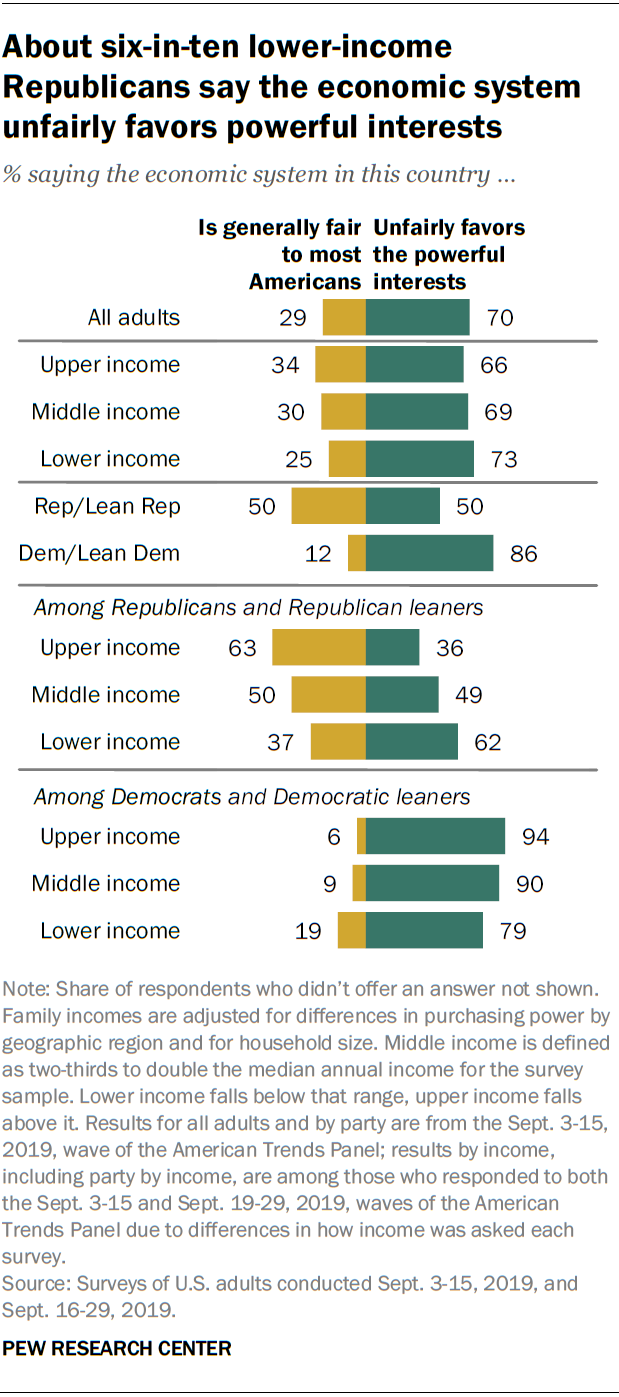
These programs represent a significant redistribution of wealth, funded through taxation. From a personal finance and retirement planning perspective, these “mixed” elements are foundational. Most Americans incorporate Social Security and Medicare into their long-term financial strategies, illustrating how the government-managed portion of the economy is inextricably linked to individual financial security.
Monetary and Fiscal Policy: Managing the National Ledger
A defining characteristic of the U.S. mixed economy is the active management of the economic cycle through monetary and fiscal policy. Rather than leaving the economy to the whims of the business cycle, the government and the central bank use specific tools to promote growth and control inflation.
The Federal Reserve and Monetary Policy
The Federal Reserve, or “the Fed,” is the central bank of the United States. It operates with a “dual mandate”: to promote maximum employment and stable prices (low inflation). The Fed achieves this primarily by influencing interest rates and managing the money supply.
For investors and borrowers, the Fed’s actions are paramount. When the Fed lowers interest rates, borrowing becomes cheaper, encouraging business expansion and consumer spending. Conversely, when inflation rises, the Fed may raise rates to cool the economy. This interplay between a private banking system and a central authority is a hallmark of the American mixed economy. It directly affects mortgage rates, credit card interest, and the valuation of the stock market.
Fiscal Policy, Taxation, and Spending
While the Fed handles monetary policy, the U.S. Congress and the President manage fiscal policy through taxation and government spending. By adjusting tax rates, the government can influence how much disposable income individuals and corporations have. Tax incentives are often used to encourage specific economic behaviors, such as investing in renewable energy or saving for retirement through 401(k)s and IRAs.
Government spending also acts as a primary economic driver. During recessions, the government may increase spending on infrastructure or provide direct stimulus to citizens to jumpstart demand. This Keynesian approach to economic management highlights the “mixed” nature of the system, where the state acts as a stabilizer for the private market.
The Evolution of the US Economy in a Global Context
The U.S. economy has transitioned significantly over the last century, moving from an agrarian society to an industrial powerhouse, and finally to a service- and technology-oriented economy. This evolution has changed how wealth is created and distributed.
From Industrialization to a Service-Based Economy
Today, the vast majority of the U.S. GDP is derived from the service sector, including finance, healthcare, and professional services. This shift has profound implications for the labor market and income potential. High-skill, high-education roles generally command higher wages, leading to a focus on “human capital” as a primary investment. For those looking at online income and modern side hustles, the digital service economy provides a low barrier to entry, allowing individuals to leverage global platforms to sell expertise or creative content.
Challenges of Modern Globalization and Digital Wealth
The U.S. mixed economy does not exist in a vacuum; it is the central hub of a globalized financial system. This interconnectedness means that U.S. businesses rely on international supply chains, and U.S. investors have access to global markets. However, globalization has also brought challenges, such as the offshoring of manufacturing jobs and the need for new regulatory frameworks for digital assets and cryptocurrencies.
The rise of the digital economy has tested the traditional definitions of a mixed economy. As wealth becomes increasingly intangible—held in software, data, and digital platforms—the government’s role in protecting intellectual property and regulating “Big Tech” has become a central economic debate.
Key Takeaways for Investors and Businesses
Understanding that the U.S. is a mixed economy is not just an academic exercise; it has practical implications for how one manages money and plans for the future.
- Policy Awareness is Critical: Because the government is a major actor in the economy, changes in tax law, interest rates, and trade policy can have immediate effects on your portfolio. Successful investing requires staying informed about the Federal Reserve’s stance and legislative shifts in Washington.
- Diversification Across Sectors: A mixed economy results in different sectors performing well under different conditions. For instance, highly regulated sectors like utilities may offer stability, while tech sectors may offer growth but with higher regulatory risk.
- The Importance of Self-Reliance: While the “mixed” system provides a safety net (like Social Security), the capitalist foundation of the U.S. means that the primary responsibility for wealth accumulation lies with the individual. Utilizing tax-advantaged accounts and understanding market cycles is essential for long-term financial independence.
- Adaptability in Business: For entrepreneurs, the U.S. system offers immense freedom but requires compliance with a complex web of regulations. Navigating this environment requires a professional approach to business finance and a keen eye for how government spending might create new market opportunities.
In summary, the United States is a mixed market economy that seeks to combine the best of both worlds: the innovation and efficiency of capitalism with the stability and protections of government oversight. While the balance between these two forces is constantly shifting through political and social change, the fundamental structure remains a dual-engine system that continues to define the American financial experience.
aViewFromTheCave is a participant in the Amazon Services LLC Associates Program, an affiliate advertising program designed to provide a means for sites to earn advertising fees by advertising and linking to Amazon.com. Amazon, the Amazon logo, AmazonSupply, and the AmazonSupply logo are trademarks of Amazon.com, Inc. or its affiliates. As an Amazon Associate we earn affiliate commissions from qualifying purchases.