
In the rapidly expanding “handmade economy,” the difference between a struggling hobbyist and a profitable entrepreneur often lies in the mastery of technical specifications. For those operating within the fiber arts, textile manufacturing, or boutique retail sectors, one term carries more weight—literally and figuratively—than almost any other: worsted weight. While a casual knitter may view worsted weight simply as a thickness of yarn, the savvy business owner recognizes it as a strategic asset, a unit of production, and a key driver of return on investment (ROI).
Understanding what worsted weight means from a financial and operational perspective is essential for anyone looking to scale a side hustle into a sustainable brand. It is the “Goldilocks” of the textile world—not too thin, not too thick—and its unique position in the market makes it the most liquid and versatile inventory a business can hold.
The Economic Versatility of the Medium-Weight Standard
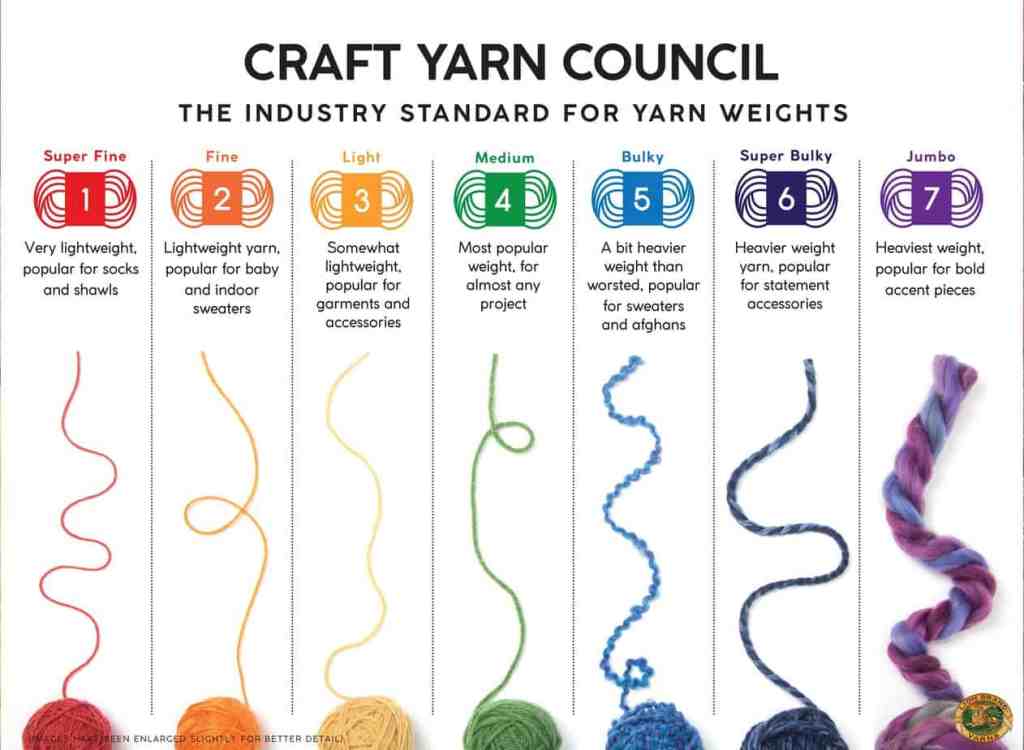
To manage a successful business in the textile space, one must first understand the technical baseline. Worsted weight, often categorized as a “4” on the Standard Yarn Weight System, typically yields 16 to 20 stitches per four inches of stockinette stitch. In the context of business finance, this technicality translates directly into market liquidity.
Defining the “Middle” for Market Liquidity
In any industry, the products that occupy the middle ground of the market tend to have the highest turnover rates. Worsted weight is the industry standard for a vast majority of consumer goods, including sweaters, hats, blankets, and scarves. Because it is the most commonly called-for weight in both traditional and modern patterns, the demand for worsted weight materials is constant.
For an online seller or a brick-and-mortar yarn shop, stocking worsted weight is a low-risk capital investment. Unlike “lace weight” (which appeals to a niche, high-skill demographic) or “super bulky weight” (which is subject to volatile fashion trends), worsted weight maintains a steady velocity of sales. When your capital is tied up in inventory, you want that inventory to be as liquid as possible. Worsted weight represents the most reliable path from cash-to-inventory-to-cash.
The Efficiency Ratio: Speed vs. Material Cost
From a production standpoint, worsted weight offers the most favorable efficiency ratio. In the handmade world, your primary overhead is time. If you are crocheting or knitting items for sale on platforms like Etsy or Shopify, you must calculate your hourly wage based on how long it takes to complete a unit.
Finishing a garment in a fine fingering weight might take 40 hours of labor, whereas a bulky weight item might take five. However, bulky yarn is significantly more expensive per yard, eating into your profit margins. Worsted weight sits at the intersection of production speed and material cost. It is thick enough to work up quickly—allowing for higher volume output—but light enough that the yardage-per-skein remains economical. Mastering the use of worsted weight is, essentially, an exercise in labor optimization.
Maximizing ROI: Why Worsted Weight is the Entrepreneur’s Choice
When analyzing the profitability of a side hustle, the goal is to maximize the margin between the cost of goods sold (COGS) and the final retail price. Worsted weight provides several distinct advantages that help protect those margins.
Labor Optimization in Handmade Goods
For creators who sell finished products, the “Time is Money” adage is literal. If you are aiming for a $25/hour labor rate, a worsted weight beanie that takes two hours to make costs $50 in labor plus materials. If that same beanie were made in a lighter weight, the labor could easily double, forcing the retail price to $110—a price point that significantly reduces your total addressable market (TAM).
By focusing on worsted weight designs, a business can maintain a “sweet spot” price point—typically between $40 and $85—that appeals to the average consumer while still paying the creator a professional wage. This makes worsted weight the primary vehicle for scaling a handmade production line without pricing oneself out of the market.
Pattern Scalability and the Digital Product Market
Perhaps the most profitable avenue in the modern fiber economy is the sale of digital assets, specifically PDF patterns. The “passive income” model of selling a design once and earning royalties indefinitely is the ultimate goal for many craft entrepreneurs.

When you look at the analytics of major pattern marketplaces like Ravelry or Etsy, worsted weight patterns consistently outperform other categories. Why? Because the majority of consumers own worsted weight yarn and are comfortable working with it. By designing specifically for worsted weight, you are aligning your digital product with the largest possible customer base. This is a classic “volume-over-margin” strategy that, in the digital realm where marginal costs are zero, leads to exponential profit growth.
Strategic Inventory Management and Sourcing
Business finance is as much about what you save as what you earn. Managing your “stash” or inventory is a critical component of maintaining a healthy balance sheet.
Lowering Overhead Through Standardization
One of the quickest ways to bleed money in a craft business is through “remnant waste”—small amounts of leftover material that cannot be used for a full project. By standardizing your business around worsted weight, you can aggregate these leftovers. Multiple remnants of the same weight can be combined into “scrappy” or multi-colored products, turning what would have been waste into 100% profit-margin items.
Standardization also allows for bulk sourcing. Buying worsted weight yarn by the cone or the wholesale case reduces your per-unit cost significantly. Because you know the material is versatile enough for dozens of different product types, you can commit to larger upfront purchases to secure wholesale pricing without the fear of the inventory becoming obsolete.
Navigating Supply Chain Volatility
The textile industry is not immune to global supply chain issues. However, because worsted weight is the most produced yarn weight globally, it is often the most resilient to shortages. Specialized weights produced by small mills are often the first to disappear during logistics crises. By centering your business model on worsted weight, you build a level of “supply chain anti-fragility” into your operations. There will almost always be a substitute or an alternative supplier for a standard worsted weight wool, ensuring your production line never grinds to a halt.
Positioning Your Brand for Premium Margins
While worsted weight is a “standard” product, your branding can transform it into a premium offering. In the world of marketing, this is known as “elevating the commodity.”
The Psychology of “Weight” in Perceived Value
There is a psychological component to consumer spending: the “heft” of a product often correlates with its perceived value. A flimsy, lace-weight shawl might be technically difficult to produce, but a customer may struggle to justify a $200 price tag for something that weighs only a few ounces.
In contrast, worsted weight items have a substantial feel. A worsted weight sweater or throw blanket feels “expensive” because of its density and warmth. For a brand, this means you can often command a higher markup on worsted weight goods because the customer feels they are receiving more physical value for their money. Leveraging this perception allows for “Value-Based Pricing” rather than just “Cost-Plus Pricing.”
Diversifying Income Streams Within the Fiber Economy
A truly robust financial plan for a craft business involves multiple streams of income. Understanding worsted weight allows you to pivot between these streams with ease:
- Finished Goods: High-turnover items for seasonal markets.
- Digital Patterns: High-margin passive income for the DIY community.
- Kits: Combining yarn and patterns into a single SKU (Stock Keeping Unit). Worsted weight kits are the most popular because they are beginner-friendly, widening your funnel to include novice crafters.
- Education: Teaching classes or creating video tutorials. Again, worsted weight is the standard for beginners, making your educational content more accessible and marketable.
By focusing on the most common denominator in the industry, you reduce the “friction” for your customers. Whether they are buying a finished hat or a pattern to make their own, they likely already have the tools and the desire to work with worsted weight.
In conclusion, “worsted weight” is far more than a measurement of yarn thickness. It is a strategic benchmark for any business operating within the textile and craft space. By embracing the versatility, efficiency, and market dominance of this specific weight, entrepreneurs can optimize their labor, stabilize their supply chains, and maximize their profit margins. In the world of personal finance and side hustles, the most successful ventures are those that understand the technical foundations of their niche—and in the fiber world, that foundation is worsted weight.
aViewFromTheCave is a participant in the Amazon Services LLC Associates Program, an affiliate advertising program designed to provide a means for sites to earn advertising fees by advertising and linking to Amazon.com. Amazon, the Amazon logo, AmazonSupply, and the AmazonSupply logo are trademarks of Amazon.com, Inc. or its affiliates. As an Amazon Associate we earn affiliate commissions from qualifying purchases.