
In the intersection of law and finance, few phrases carry as much weight—and finality—as “dismissed with prejudice.” For a business owner, an investor, or an individual managing personal financial risks, understanding this term is not merely an academic exercise in legal jargon; it is a critical component of asset protection and strategic planning. When a legal claim is resolved “with prejudice,” it represents a definitive end to a specific liability, creating a permanent barrier against future litigation on the same grounds. Conversely, failing to secure such a designation can leave a person or a corporation exposed to recurring legal expenses and unpredictable financial drain.
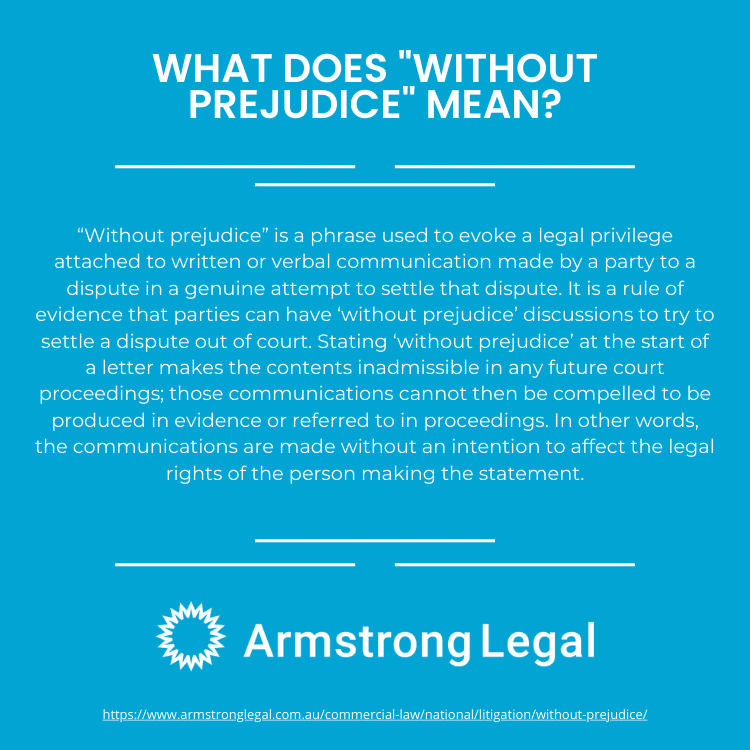
To navigate the financial landscape effectively, one must recognize that legal rulings are, at their core, financial events. A dismissal with prejudice acts as a permanent shield for your capital, whereas a dismissal without prejudice is often nothing more than a temporary pause in a potentially expensive conflict.
Financial Finality: Understanding the Permanent Nature of Dismissal with Prejudice
When a court dismisses a case “with prejudice,” it is making an adjudication on the merits of the case that prevents the plaintiff from ever filing a lawsuit on the same claim again. From a financial perspective, this is the gold standard of resolution. It provides what accountants and financial planners call “finality.”
The Barrier Against Recurring Litigation Costs
In the world of business finance, the greatest enemy of a predictable budget is the “zombie lawsuit”—a legal claim that is dismissed but later resurrected, requiring fresh retainers, new discovery processes, and hundreds of billable hours. When a case is dismissed with prejudice, the legal “right” of the plaintiff to sue on that specific matter is extinguished. This allows a company to move the potential liability from the “contingent liabilities” section of their balance sheet to the history books.
For a small business owner or a freelancer, this means the end of the “burn rate” associated with that specific dispute. You no longer need to keep a reserve of liquid cash to cover a potential judgment or defense costs related to that matter. This freed-up capital can then be reinvested into growth, marketing, or research and development.
Adjudication on the Merits vs. Procedural Errors
It is important to distinguish why a case receives this designation. Typically, a dismissal with prejudice occurs because the court has found a fundamental flaw in the plaintiff’s case or because the parties have reached a settlement that includes this stipulation. Financially, this is far superior to a dismissal “without prejudice,” which usually occurs due to a technicality or a procedural error. In the latter scenario, the “clock” on your legal expenses has merely been paused; the plaintiff can correct their mistake and re-file, forcing you to pay for your legal team to start the defense process all over again.
The Economic Strategy of Settlement Agreements
In high-stakes business finance, settlements are rarely just about the dollar amount exchanged. They are about the terms of the exit. If a company pays a settlement to a disgruntled partner or a competitor, they are essentially “buying” a dismissal with prejudice.
Buying Certainty in Business Finance
Strategic risk management dictates that it is often cheaper to pay a higher settlement amount today to ensure a dismissal with prejudice than to pay a lower amount for a dismissal without prejudice. Why? Because the “without prejudice” option carries the hidden cost of future risk. If the market shifts or the plaintiff finds more funding, they could return for a second bite at the apple.
For an investor looking at a company’s financial health, a history of settlements “without prejudice” is a red flag. It suggests that the company’s legal battles are not truly over and that future earnings could be cannibalized by old disputes. Professional investors prefer “clean” balance sheets where legal risks have been permanently extinguished through “with prejudice” rulings or settlements.
The Role of Mutual Release
In a settlement context, “with prejudice” is usually accompanied by a mutual release of claims. This is a powerful financial tool that ensures neither party can seek further monetary damages from the other regarding the specific incident. For a personal brand or a corporate entity, this protects the “goodwill” asset on the balance sheet. It prevents the lingering shadow of a lawsuit from affecting brand valuation or future partnership opportunities.
Credit Worthiness and Corporate Valuation: The Hidden Impact of Legal Rulings
The implications of “with prejudice” extend far beyond the courtroom and the immediate legal fees; they reach into the very infrastructure of your financial reputation. Credit reporting agencies, lenders, and potential acquirers scrutinize legal outcomes to determine the stability of an entity.
Impacts on Credit Scoring and Lending
For individuals and small business owners, an ongoing lawsuit is a liability that can lower credit scores or make lenders hesitant to extend lines of credit. A dismissal “without prejudice” does little to alleviate a lender’s concern because the threat of a judgment remains active. However, a dismissal “with prejudice” signals to the financial world that the threat has been neutralized. It allows for a cleaner credit profile, potentially leading to lower interest rates on business loans and better terms with vendors.
Valuation in Mergers and Acquisitions (M&A)
In the world of corporate finance, during the due diligence phase of an acquisition, the “legal stack” of a company is analyzed. If a target company has several ongoing lawsuits that were dismissed without prejudice, the acquirer will often demand a lower purchase price or insist on an “indemnity escrow.” This means a portion of the sale price is held back to cover potential future costs of those resurrected lawsuits.
Securing a “with prejudice” status on all past litigation significantly increases the valuation of a company. It proves to the buyer that they are not inheriting “hidden” financial landmines. In this sense, the legal term “with prejudice” translates directly into equity value.
Risk Mitigation for Entrepreneurs and Side Hustlers
For those operating in the “gig economy” or running side hustles, legal protection is often overlooked until it is too late. Understanding the finality of “with prejudice” can save an independent contractor from financial ruin.
Contractual Clauses and Liability
When drafting contracts or engaging in disputes over payments, entrepreneurs should aim for resolutions that include “with prejudice” language. For example, if you are involved in a payment dispute with a client and reach a compromise, ensure that the written agreement stipulates that any potential legal claims are dismissed or waived “with prejudice.” This prevents the client from coming back six months later—perhaps when your business is more successful and has “deeper pockets”—to sue for the remainder of the original amount.
Insurance and the “With Prejudice” Goal
Professional liability insurance and Errors and Omissions (E&O) insurance are vital for protecting personal wealth. When an insurance company defends a policyholder, their primary goal is usually to secure a dismissal with prejudice or a settlement that bars future claims. As a policyholder, you should be aware of this. A dismissal that is not “with prejudice” may not be considered a total “win” by your insurer, which could potentially affect your future premiums or your ability to renew the policy.
Conclusion: The Financial Value of a Permanent Exit
In the landscape of money and business, “with prejudice” is the ultimate tool for risk de-escalation. It provides the certainty required for long-term financial planning, protects corporate valuations during M&A activity, and ensures that creditworthiness is not undermined by lingering legal threats.
Whether you are managing a personal portfolio or a multi-million dollar corporation, the goal in any legal dispute is not just to “win,” but to win in a way that prevents the fight from ever happening again. By ensuring that dismissals and settlements are executed “with prejudice,” you are effectively closing a door on potential financial loss, allowing you to focus your resources on growth, investment, and wealth creation rather than defense and damage control. In law, “prejudice” may sound like a negative term, but in the world of finance, it is a hallmark of security and finality.
aViewFromTheCave is a participant in the Amazon Services LLC Associates Program, an affiliate advertising program designed to provide a means for sites to earn advertising fees by advertising and linking to Amazon.com. Amazon, the Amazon logo, AmazonSupply, and the AmazonSupply logo are trademarks of Amazon.com, Inc. or its affiliates. As an Amazon Associate we earn affiliate commissions from qualifying purchases.