
The intersection of cult-classic aesthetics and mainstream commercial success is a rare territory in the global marketplace. When the Swedish theatrical rock band Ghost released “Mary on a Cross” in 2019, it was a niche success within a dedicated subculture. However, its sudden explosion in 2022 via social media platforms transformed it into a case study for brand architects, marketers, and creative directors worldwide. Understanding what “Mary on a Cross” means requires looking beyond the lyrics to the sophisticated brand strategy that allowed a subversive, occult-themed entity to penetrate the global zeitgeist.
From a brand perspective, the song represents more than just a viral audio clip; it is a masterclass in identity construction, narrative depth, and the strategic use of ambiguity to foster community engagement. To decode its meaning is to understand how modern brands can leverage “lore,” visual consistency, and subversive messaging to build a loyal, almost fanatical, customer base.
The Architecture of a Subversive Brand Identity
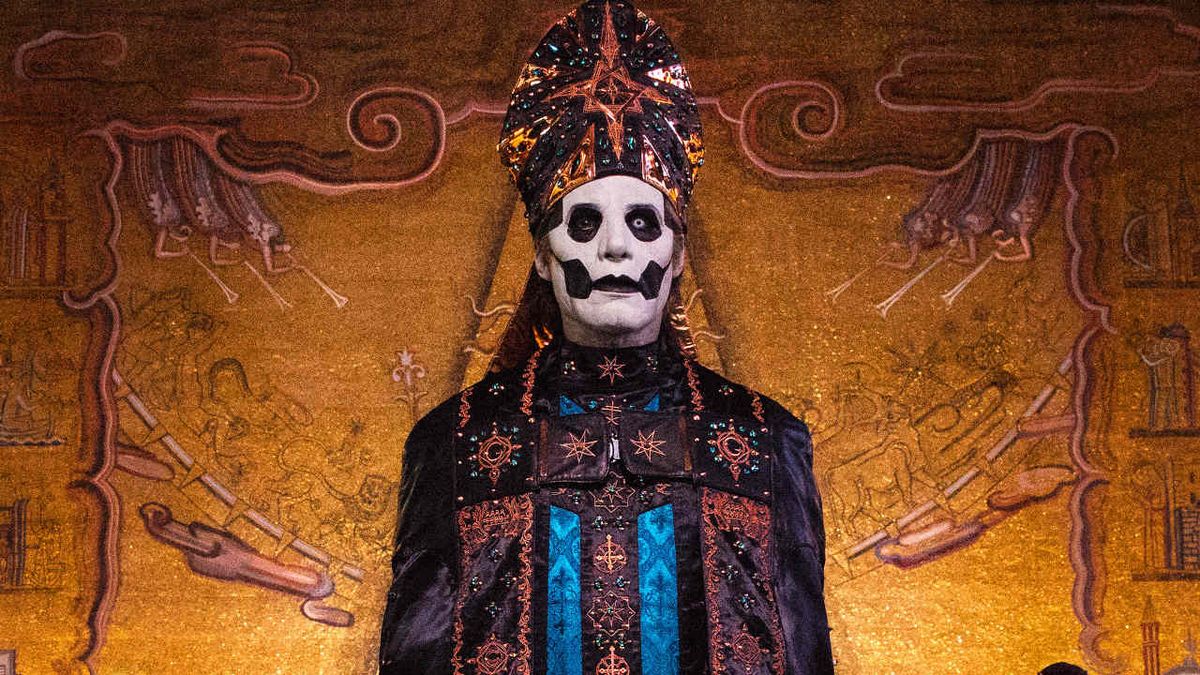
At its core, the brand of Ghost is built on a foundation of high-concept theatricality. Led by Tobias Forge, the project utilizes a rotating cast of characters—primarily various iterations of a “Satanic Pope” known as Papa Emeritus. This is not merely a gimmick; it is a rigorous exercise in brand identity and corporate storytelling.
The Power of the Brand Archetype
Ghost operates primarily within the “Outlaw” and “Magician” archetypes. By positioning themselves as a subversive alternative to mainstream religious and social structures, they create a “counter-brand” that appeals to consumers looking for authenticity and rebellion. “Mary on a Cross” encapsulates this perfectly. The song utilizes a 1960s psychedelic pop aesthetic—bright, melodic, and accessible—while maintaining the band’s darker, ironic core. This juxtaposition is a strategic brand move: it lowers the barrier to entry for new “customers” (listeners) while rewarding long-term fans with layers of internal meaning.
Visual Consistency and IP Development
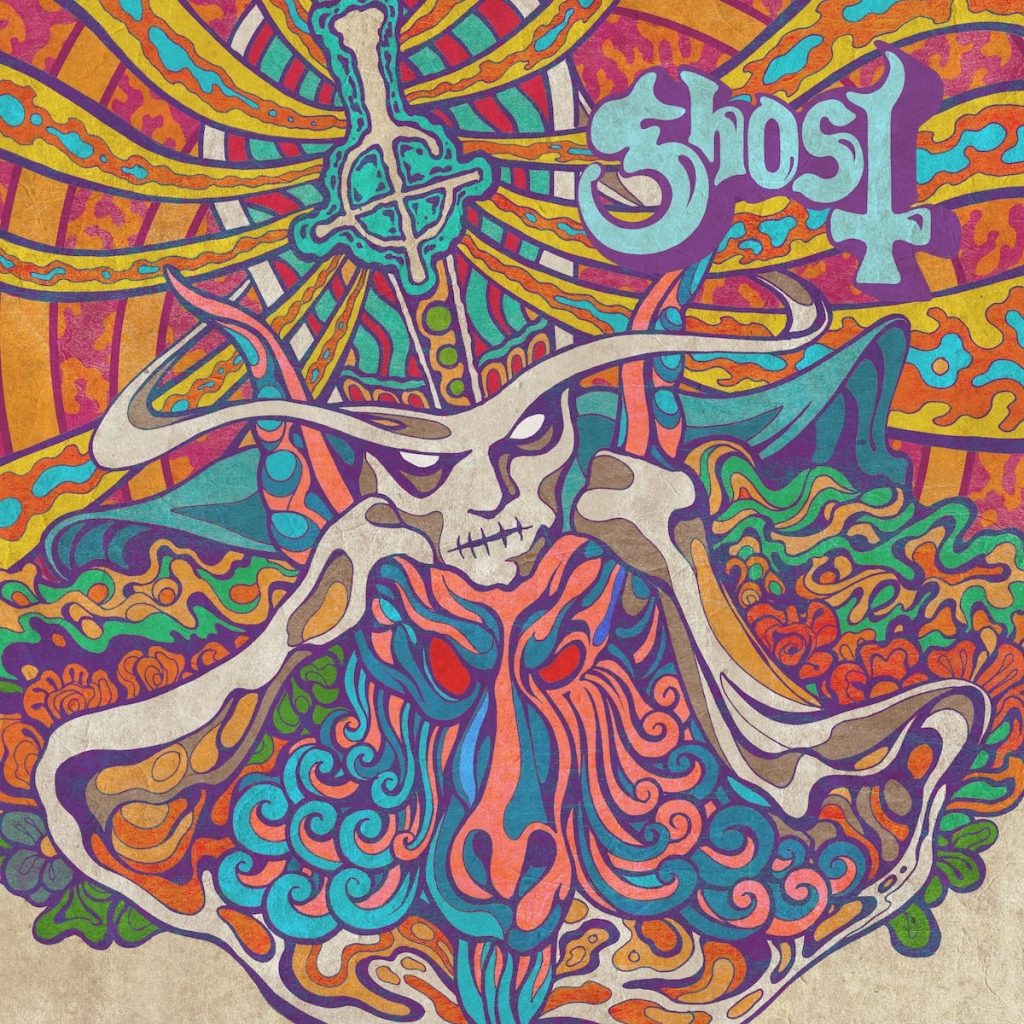
One of the most significant takeaways for brand strategists is Ghost’s commitment to visual consistency. Every era of the band is color-coded, themed, and accompanied by specific iconography. “Mary on a Cross” was part of the Seven Inches of Satanic Panic release, which was marketed as a “lost” recording from 1969. By creating a fictional history for the product, the brand added a layer of intellectual property (IP) that goes beyond the music. Brands that can create a “world” for their products—much like Disney or Marvel—ensure a level of engagement that a stand-alone product could never achieve.
Decoding the Narrative: Ambiguity as an Engagement Tool
The literal meaning of the lyrics in “Mary on a Cross” is famously ambiguous, blending religious iconography with sexual double entendres and themes of internal struggle. In the realm of brand strategy, this ambiguity is a deliberate choice that invites “prosumer” behavior—where the consumer actively participates in the creation and interpretation of the brand’s meaning.
Inviting Customer Interpretation
When a brand provides a fixed, rigid meaning, it limits the consumer’s ability to see themselves in the product. “Mary on a Cross” succeeds because its meaning is fluid. Is it a song about devotion? Is it a cynical take on religious dogma? Is it a metaphor for substance use or physical intimacy? By leaving these questions open, the brand encourages discourse. On platforms like TikTok and Reddit, thousands of hours of content have been created by fans debating the song’s meaning. For a brand, this is “earned media” that costs nothing but generates massive reach and emotional investment.
The “Lore” Economy
We currently live in a “lore economy,” where consumers crave backstories. Ghost treats their discography like a cinematic universe. The song is tied to the character of Papa Nihil and his relationship with Sister Imperator. By embedding a product (the song) within a larger narrative framework, the brand ensures that the consumer doesn’t just buy a single item; they buy into a lifestyle and a history. This creates high switching costs—once a consumer is invested in the “lore,” they are less likely to abandon the brand for a competitor.
Virality by Design: Navigating the Digital Ecosystem
The resurgence of “Mary on a Cross” in 2022 was catalyzed by a TikTok trend featuring Stranger Things edits. While some might call this luck, a closer look at the brand’s digital strategy suggests it was “virality by design.” The band and their management were prepared to capitalize on the moment, demonstrating how brands must be agile in the digital age.
Leveraging User-Generated Content (UGC)
When the song began to trend, the brand did not move to suppress non-official uses of the audio. Instead, they embraced the “Slowed + Reverb” versions that were circulating—a specific sonic aesthetic popular among Gen Z. Ghost eventually released an official “Slowed + Reverb” version of the track. This is a crucial lesson in brand management: listen to how your audience is consuming your product and pivot to meet them there. By legitimizing user-generated trends, a brand fosters a sense of co-ownership with its audience.
Strategic Distribution and Market Fit
The sonic profile of “Mary on a Cross” is significantly more “radio-friendly” than the band’s earlier, heavier work. This represents a strategic expansion of the brand’s “Total Addressable Market” (TAM). While maintaining their core “Outlaw” identity, they developed a product that had “Mainstream Appeal” without alienating their “Core User Base.” Balancing these two segments is the holy grail of brand scaling. The song served as a “top-of-funnel” asset, drawing in millions of listeners who would eventually explore the band’s more complex and niche offerings.
Emotional Resonance and the “Human” Brand
Despite the masks and the theatricality, the resonance of “Mary on a Cross” stems from its emotional core. At its heart, the song deals with themes of persistence, finding beauty in the unconventional, and the bond between individuals in a chaotic world. For brand strategy, this highlights the necessity of emotional branding.
Moving Beyond Functional Benefits
A brand that only communicates functional benefits (e.g., “our product is fast,” “our music is loud”) is easily replaced. A brand that communicates emotional values is indispensable. “Mary on a Cross” offers a sense of belonging to the “misfit” or the “outsider.” This emotional positioning creates a psychological “moat” around the brand. When fans wear a Ghost t-shirt, they aren’t just showing they like a song; they are signaling their membership in a specific community with shared values and aesthetics.
Authenticity in the Inauthentic
Ironically, Ghost’s highly staged and artificial presentation feels more “authentic” to many consumers than “raw” or “unfiltered” brands. This is because the brand is honest about its artifice. It presents a clear, high-quality vision and executes it with total commitment. In a marketplace saturated with “authentic” influencers who often feel manufactured, a brand that leans into high-quality artifice and storytelling can actually feel more honest to the consumer.
Lessons in Long-Term Brand Equity
The success of “Mary on a Cross” is not an isolated incident but the result of over a decade of meticulous brand building. For businesses looking to emulate this success, several key principles emerge.
The Value of the “Long Game”
Ghost did not become a global powerhouse overnight. They spent years building a foundation of quality products, consistent visuals, and deep narrative. Many modern brands fail because they prioritize short-term conversion over long-term brand equity. “Mary on a Cross” was a three-year-old product when it went viral; its success was only possible because the brand had already built the infrastructure to support that growth.
Adaptability Without Dilution
The brand has evolved from small clubs to arenas, and from underground metal to chart-topping rock. Throughout this evolution, the core “DNA” of the brand—the wit, the theatricality, and the subversive edge—has remained intact. “Mary on a Cross” represents the perfect balance of brand evolution: it is a new sound that still feels “on-brand.” For companies, this means knowing which parts of your identity are non-negotiable and which parts can be adapted to changing market tastes.

Conclusion: The Song as a Brand Blueprint
What does “Mary on a Cross” mean? In the context of brand strategy, it means that the most successful products are those that live within a rich, narrative-driven ecosystem. It means that ambiguity can be more powerful than clarity when it comes to customer engagement. It means that virality is not a goal to be chased, but a byproduct of a well-positioned brand being ready for its moment.
By studying the rise of this track, brand managers can learn how to bridge the gap between niche appeal and mainstream dominance. Whether through the use of sophisticated archetypes, the embrace of user-generated trends, or the commitment to a consistent visual language, the “Mary on a Cross” phenomenon proves that in the modern economy, the brand with the best story wins.
aViewFromTheCave is a participant in the Amazon Services LLC Associates Program, an affiliate advertising program designed to provide a means for sites to earn advertising fees by advertising and linking to Amazon.com. Amazon, the Amazon logo, AmazonSupply, and the AmazonSupply logo are trademarks of Amazon.com, Inc. or its affiliates. As an Amazon Associate we earn affiliate commissions from qualifying purchases.